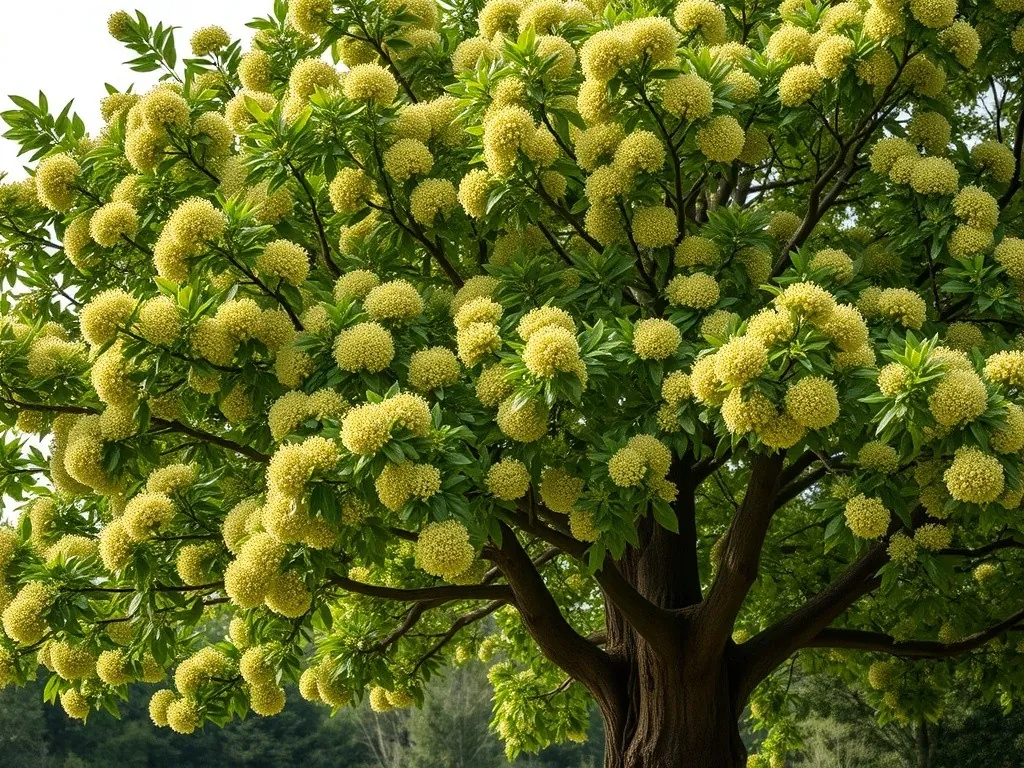
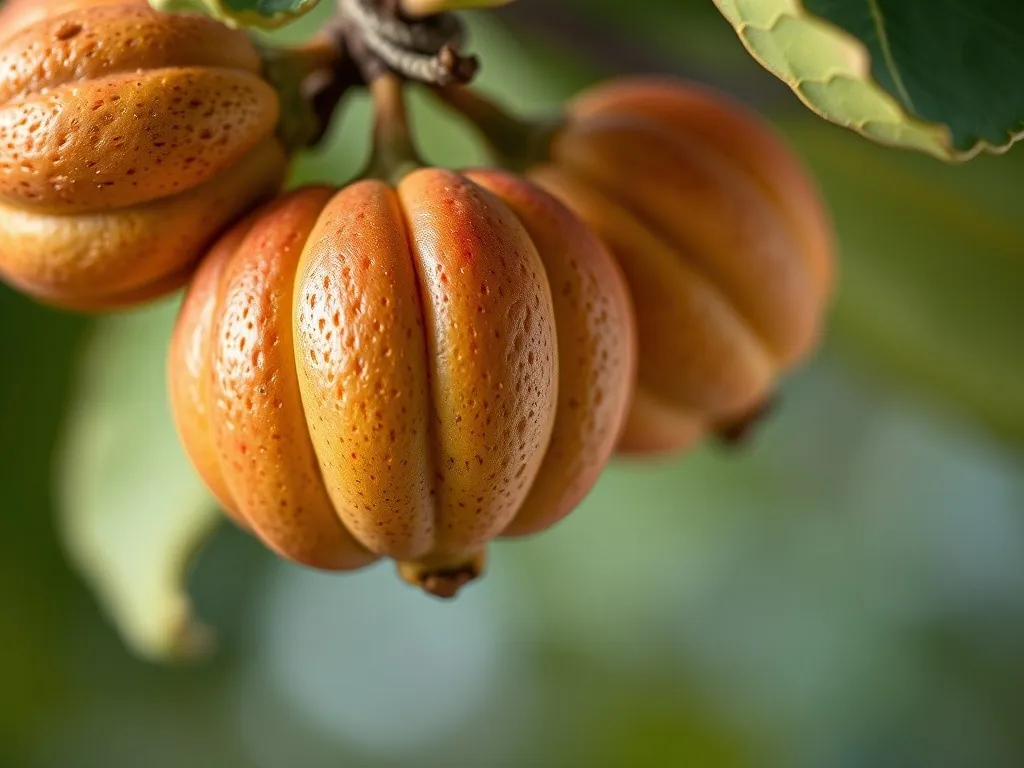
In short
- Position: full sun, deep, fertile and well-drained soil.
- The fruits (nuts) ripen in autumn, in a green husk that splits after ripening.
- Releases juglone — a compound that strongly inhibits the growth of many plants growing beneath the crown.
- Requires plenty of space — the mature crown can be very broad and spreading.
- Pruning is best done in summer or early autumn, not in spring.
Botanical data
- Family
- Juglandaceae (Juglandaceae)
- Height
- 15–25 m
- Width
- 10–15 m
- Habit
- Spreading
- Growth rate
- Moderate
- Position
- Full sun
- Soil
- Loamy, Humus-rich
- pH reaction
- pH 6–7.5
- Moisture
- Moderate
- Bloom
- April–May
- Hardiness
- USDA 5a–8b
- Propagation
- From seed
Characteristics
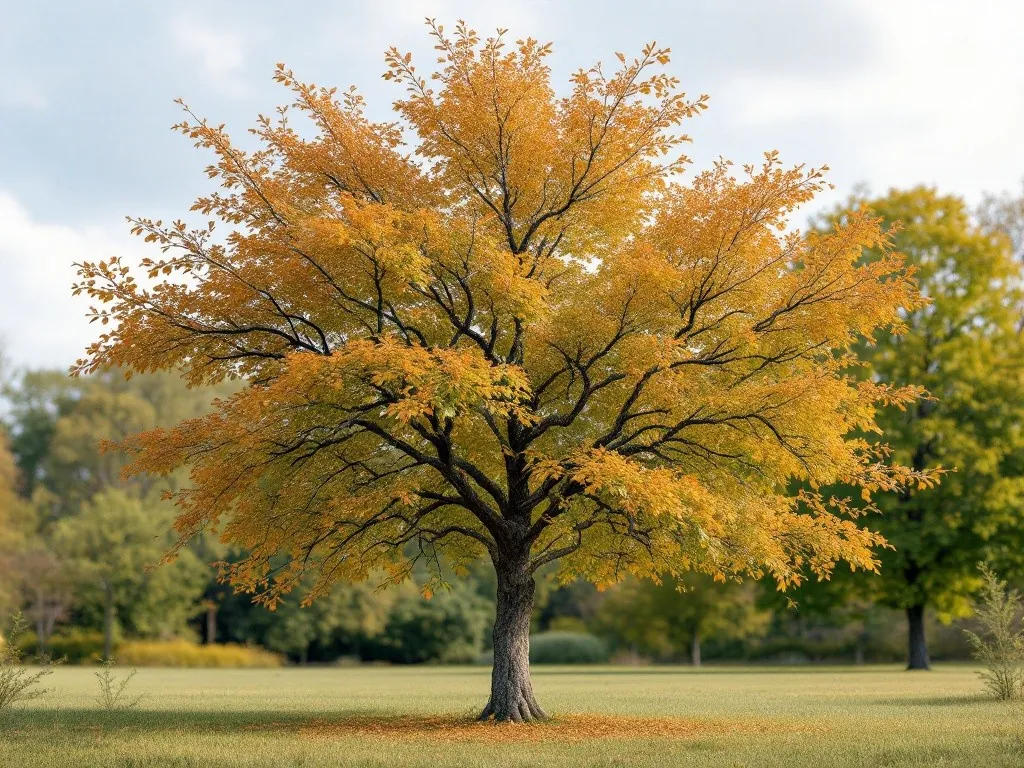
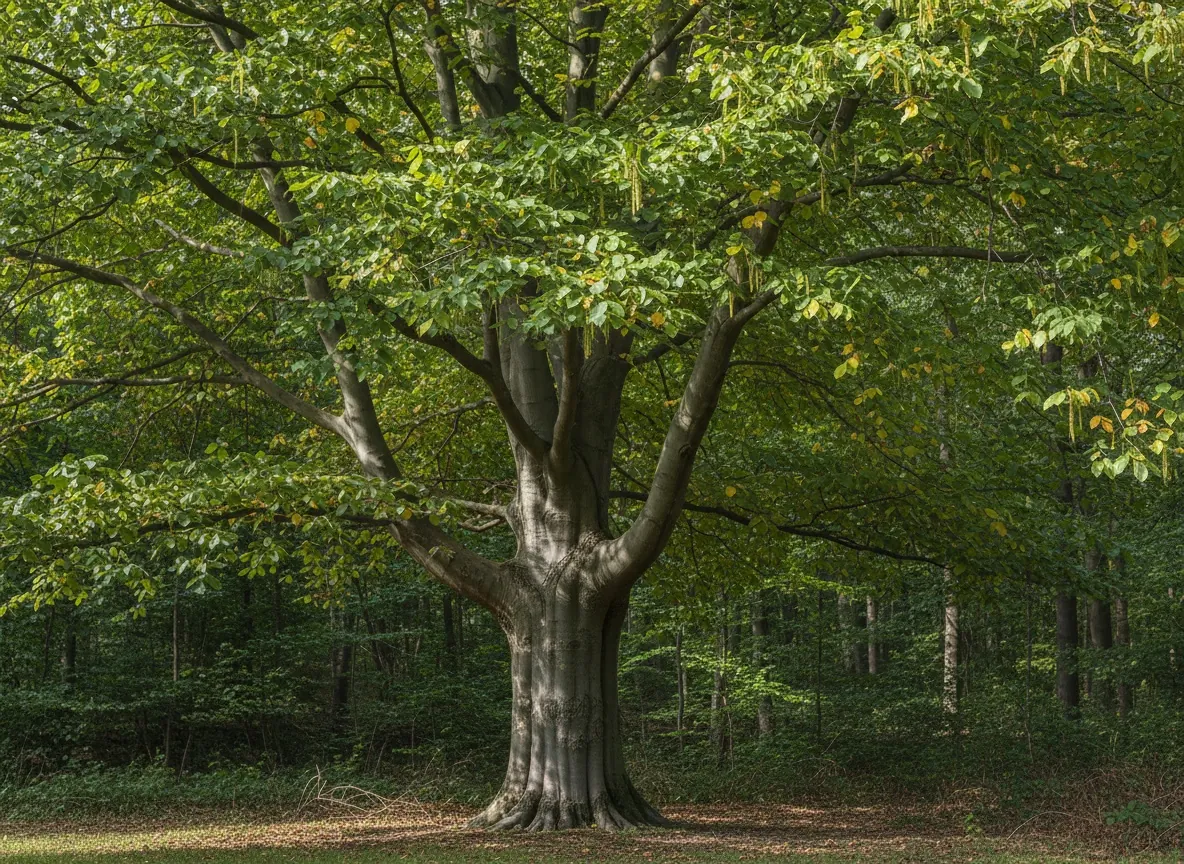
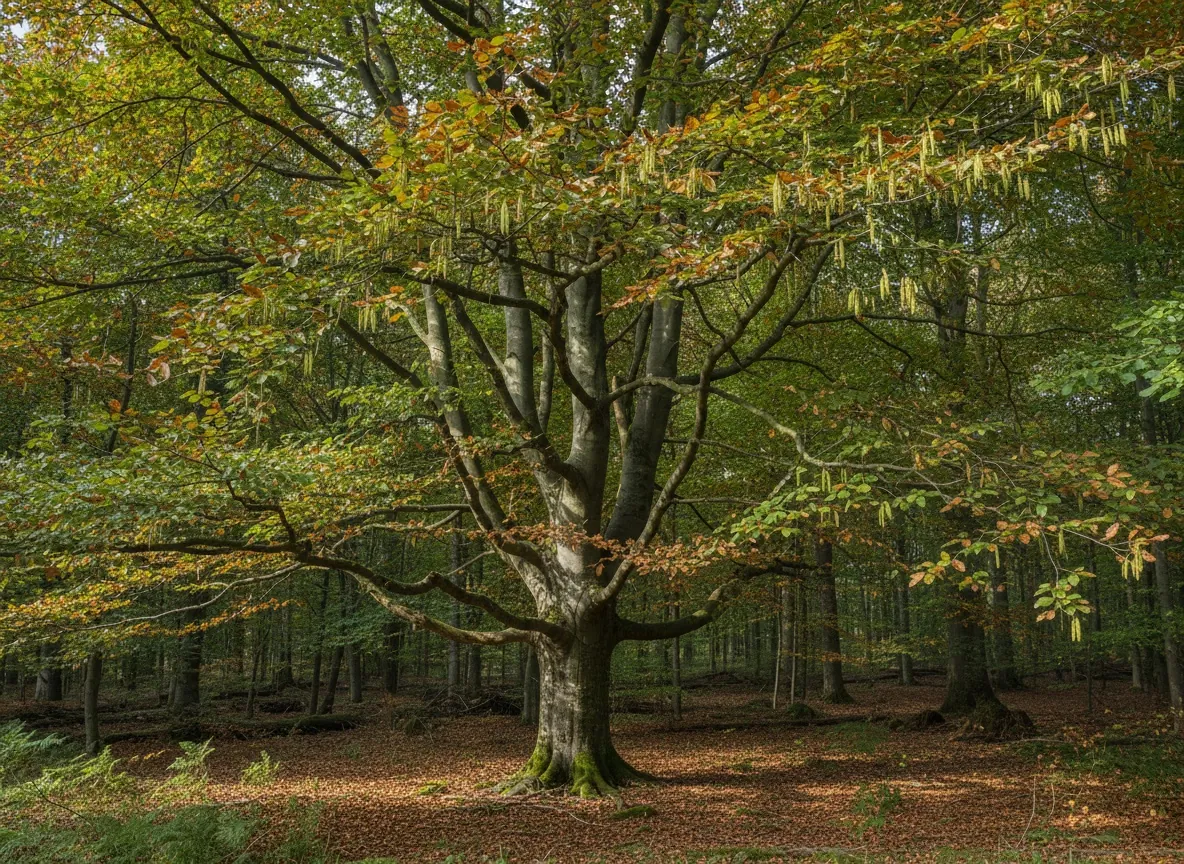
The leaves are odd-pinnate, usually composed of 5–9 large, entire leaflets, with a characteristic, spicy scent when crushed. The flowers are inconspicuous — the male ones in hanging catkins, the female ones single or in small clusters. The fruits are drupes with a thick, green husk, enclosing a wrinkled, hard shell and an edible, oily seed.
Growing and care
Watering
Water young trees regularly in dry periods. Mature specimens with a deep root system cope well with short droughts but tolerate flooding poorly.
Fertilizing
Moderate doses — excess nitrogen prolongs the growing season and increases the risk of young shoots freezing.
Planting
Deep, fertile and well-drained soil. Plant away from the vegetable garden and other crops sensitive to allelopathy (see below) — the eventual crown can be very wide.
Pruning
Shaping the crown in young trees, removing deadwood and crossing shoots.
Companion plants
Good companions
The hosta is among the plants that tolerate the juglone released by the walnut and copes well with the shade beneath its crown.
Early-spring bulbous perennials, including crocuses, are counted among the plants resistant to the allelopathic effect of juglone.
Bad companions
The walnut releases juglone into the soil — an allelopathic compound that strongly inhibits the growth of nightshade plants, including the tomato, and causes them to wilt; this effect is confirmed by scientific studies.
Like other nightshade plants, pepper is highly sensitive to the juglone released by the roots and fallen leaves of the walnut.
The evidence level indicates whether the relationship is backed by research, observation, or gardening tradition.
Toxicity
| For whom | Level | Notes |
|---|---|---|
| Humans | Mild | The fruits are edible and nutritionally valued, but the green husk contains staining and mildly irritating compounds (including juglone) — it is worth wearing gloves when peeling them. |
| Dogs | Moderate | Mouldy nuts and husks may contain mycotoxins that cause seizures and vomiting in dogs — a dog should not be allowed to snack on fallen, stale nuts. |
History and origin
Cultivated for thousands of years along the trade routes linking Central Asia with the Mediterranean basin, valued as early as ancient Persia, Greece and Rome as a source of valuable oil and wood. It reached Poland via merchants from southern Europe — hence the colloquial Polish name 'orzech włoski' (literally 'Italian walnut'), even though the species does not come from Italy.
Uses
Fruit growing (edible nuts of high nutritional value), prized furniture and carving wood, a shade tree in large gardens — planted away from the vegetable garden and borders because of its allelopathic effect.
Trivia
- The walnut releases into the soil and air a chemical compound called juglone, which strongly inhibits the germination of seeds and the growth of many plants growing in its vicinity and beneath the crown — this phenomenon (allelopathy) has been confirmed many times by scientific studies. Nightshade plants such as tomato or pepper are particularly sensitive.
- Walnut wood, with its beautiful, dark grain, has for centuries been among the most valued raw materials for furniture-making and carving in Europe.
- The green husk of the nut strongly stains skin and fabrics — in the past it was also used as a natural dye.
Frequently asked questions
Why does practically nothing grow under a walnut tree?
This is the effect of allelopathy — the walnut releases juglone into the soil, a chemical compound that inhibits the germination and growth of many plant species growing within reach of its roots and fallen leaves.
Can tomatoes be planted close to a walnut tree?
It is definitely not recommended — tomatoes are among the plants particularly sensitive to juglone and, in the close vicinity of a walnut, they wilt and fruit poorly, as scientific studies confirm.
How long do you have to wait for the first nuts from a planted tree?
Trees grown from seed usually start fruiting after 8–10 years, and reach full yield only after a dozen to several dozen years.
Sources
- Missouri Botanical Garden — Juglans regiaInstitution / botanical garden
- Plants of the World Online (POWO) — Juglans regiaDatabase (GBIF, POWO…)
My note
A private note for this plant — saved in your browser.