In short
- Position: sun to half-shade, tolerates a wide range of soils, including urban ones.
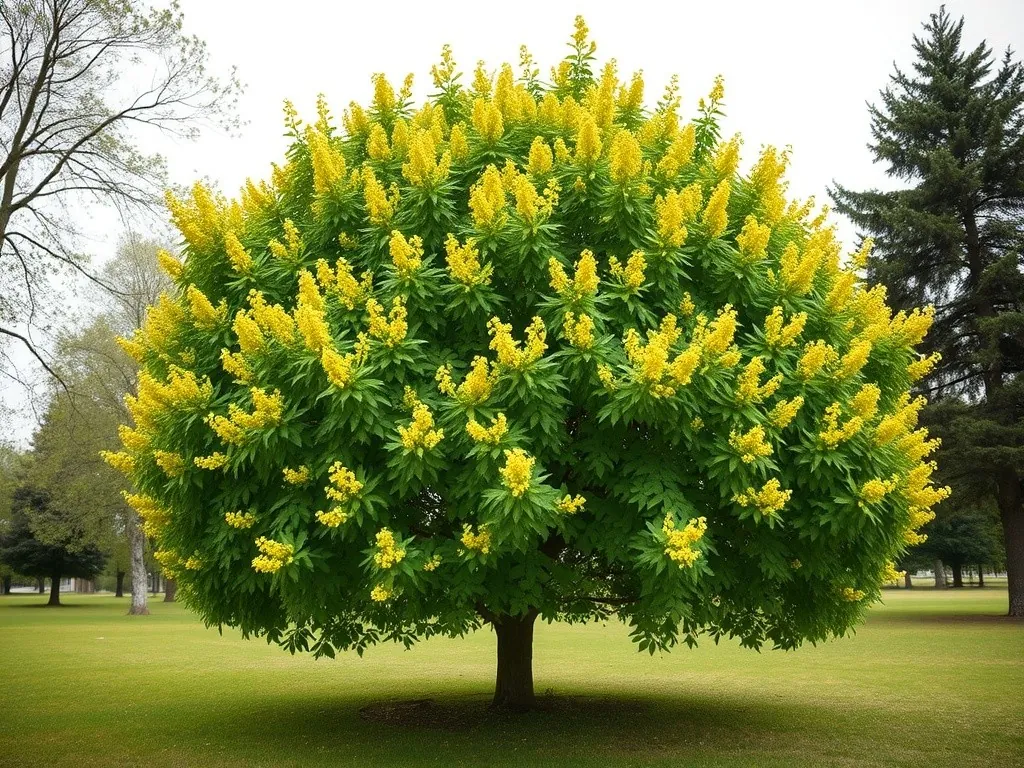
- Flowers early in spring (April–May), before the leaves unfold — an important early nectar source for bees.
- Grows fast, tolerating air pollution and compacted soil well.
- If damaged in spring it bleeds sap profusely — pruning is better done in summer or winter.
- One of the most frequently planted street and park trees in Poland.
Botanical data
- Family
- Sapindaceae (Sapindaceae)
- Height
- 15–25 m
- Width
- 10–15 m
- Habit
- Rounded
- Growth rate
- Fast
- Position
- Full sun, Partial shade
- Soil
- Loamy, Humus-rich, Sandy
- pH reaction
- pH 5.5–7.5
- Moisture
- Moderate
- Bloom
- April–May
- Hardiness
- USDA 3b–7b
- Propagation
- From seed, From cuttings
Characteristics
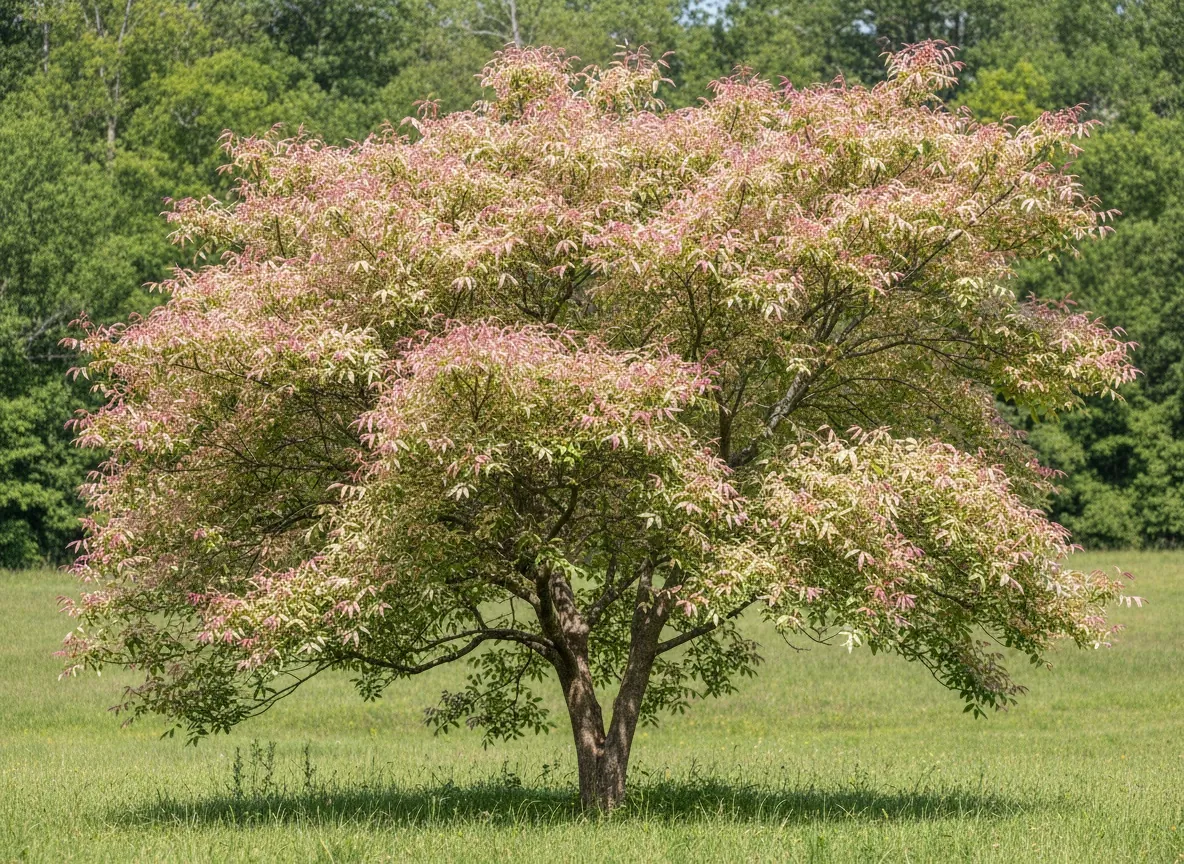
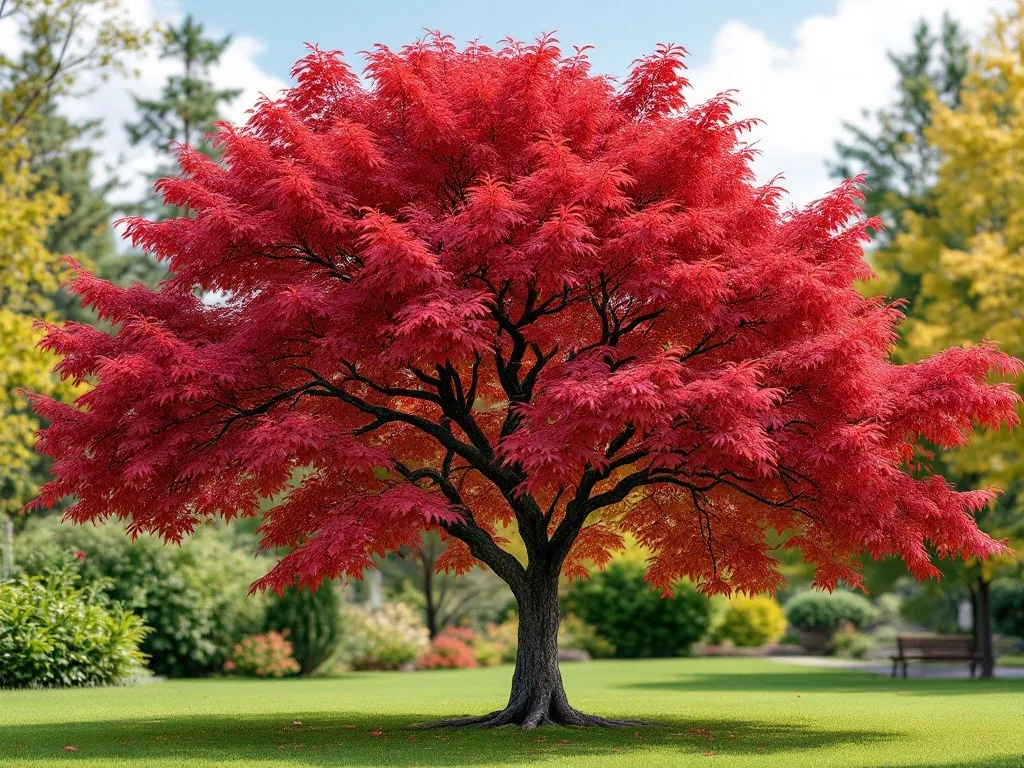
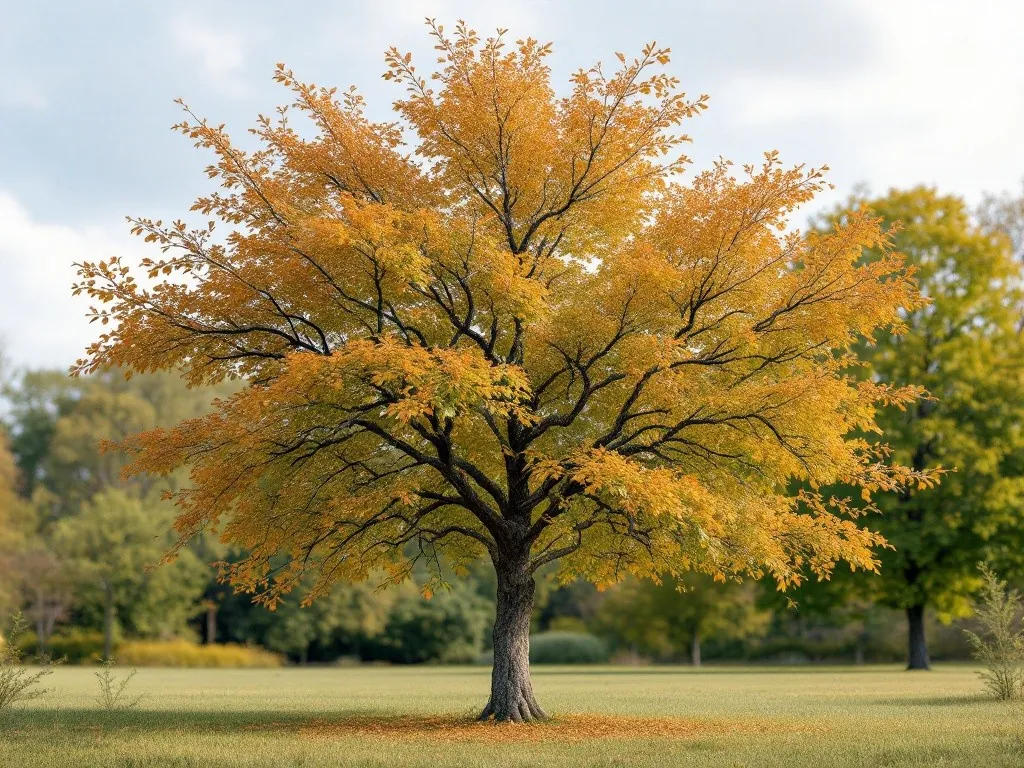
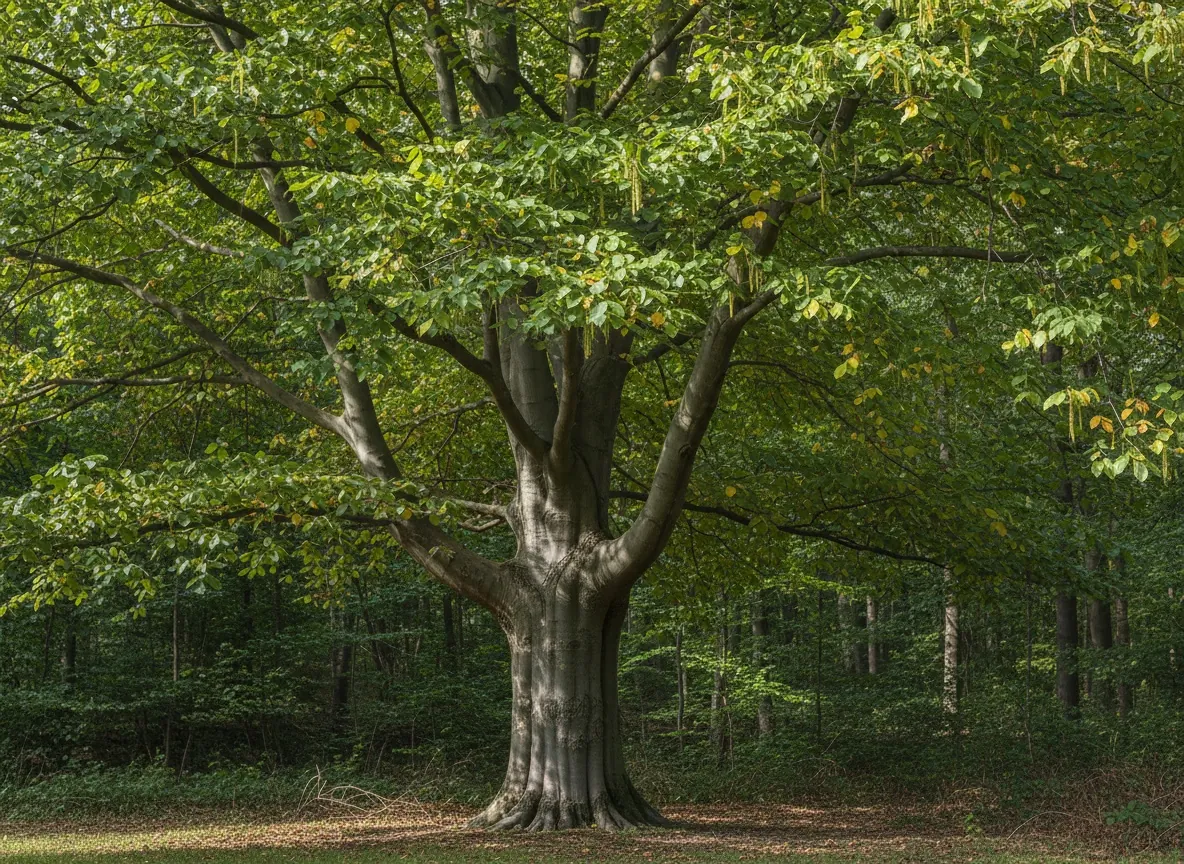
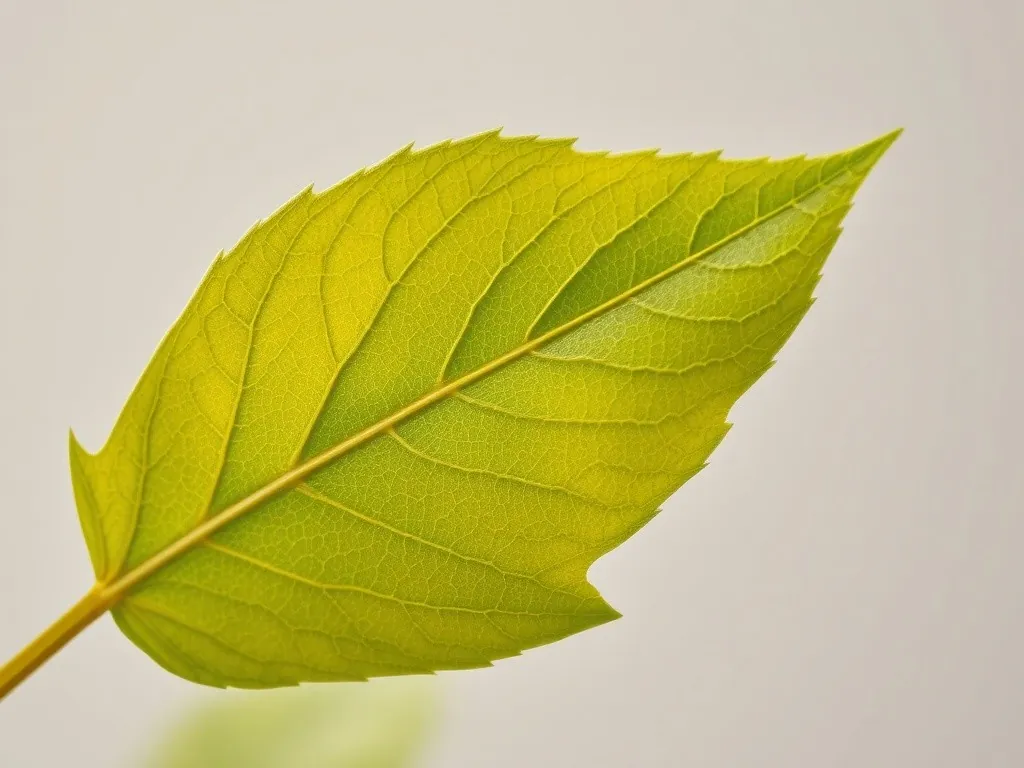
The palmate, 5-lobed leaves have sharply pointed lobes; a broken leaf stalk exudes a characteristic milky sap, which distinguishes the Norway maple from the similar sycamore maple. The small, yellowish-green flowers are gathered in corymbs and appear before the leaves unfold. The fruits are winged seeds (samaras) with wings spread almost horizontally.
Growing and care
Watering
Water young trees regularly during their first seasons. Mature specimens tolerate short droughts and urban growing conditions well.
Fertilizing
Moderate — mature trees in average soil usually do not need fertilising.
Planting
Tolerates a wide range of soils, including compacted urban ground; prefers moderate moisture.
Pruning
Removal of dead wood and crossing shoots, crown shaping in young trees.
Companion plants
Good companions
Barberry tolerates half-shade and drier soil beneath the maple's crown well, forming a low understorey.
A shade-tolerant ground-cover shrub that copes well with the conditions beneath the maple's spreading crown.
Bad companions
Lavender needs full sun and dry soil — the dense shade and shallow, competing roots of the maple harm it.
The maple's shallow, extensively developed root system competes effectively with grass for water and nutrients.
The evidence level indicates whether the relationship is backed by research, observation, or gardening tradition.
Toxicity
| For whom | Level | Notes |
|---|---|---|
| Humans | None | — |
| Dogs | None | — |
History and origin
A native species of deciduous forests across almost all of Europe, long valued as a fast-growing, resilient urban tree. It is widely planted along streets and in parks in Europe and North America, where, due to how readily it self-seeds, it is now regarded in some places as an invasive species competing with native trees.
Uses
A common street, park and garden tree; tolerates shaping well and is also planted as a tall clipped hedge. The wood is used in joinery, though less often than that of other maple species.
Trivia
- The Norway maple flowers among the earliest of deciduous trees, providing bees with a valuable early-spring nectar source.
- The milky sap that oozes from a damaged leaf stalk is the simplest way to distinguish the Norway maple from the sycamore maple (Acer pseudoplatanus), whose sap is watery.
- In North America, where it was introduced as an ornamental tree, the Norway maple is regarded as an invasive species in many states.
Frequently asked questions
What is the difference between Norway maple and sycamore maple?
The simplest test is breaking the leaf stalk — in Norway maple a milky, white sap flows out, while in sycamore maple the sap is clear and watery. Norway maple leaves also have more sharply pointed lobes.
Is Norway maple suitable for a hedge?
Yes, it tolerates regular clipping well and can be grown as a tall, dense hedge, although species with a slower growth rate are better suited for lower hedges.
Why does a maple bleed sap heavily if pruned in spring?
This is a natural phenomenon linked to intense sap flow in the tree at the start of the growing season. To avoid it, pruning is best done in summer or during deep winter dormancy.
Sources
- Plants of the World Online (POWO) — Acer platanoidesDatabase (GBIF, POWO…)
- RHS — Acer platanoidesInstitution / botanical garden
My note
A private note for this plant — saved in your browser.