In short
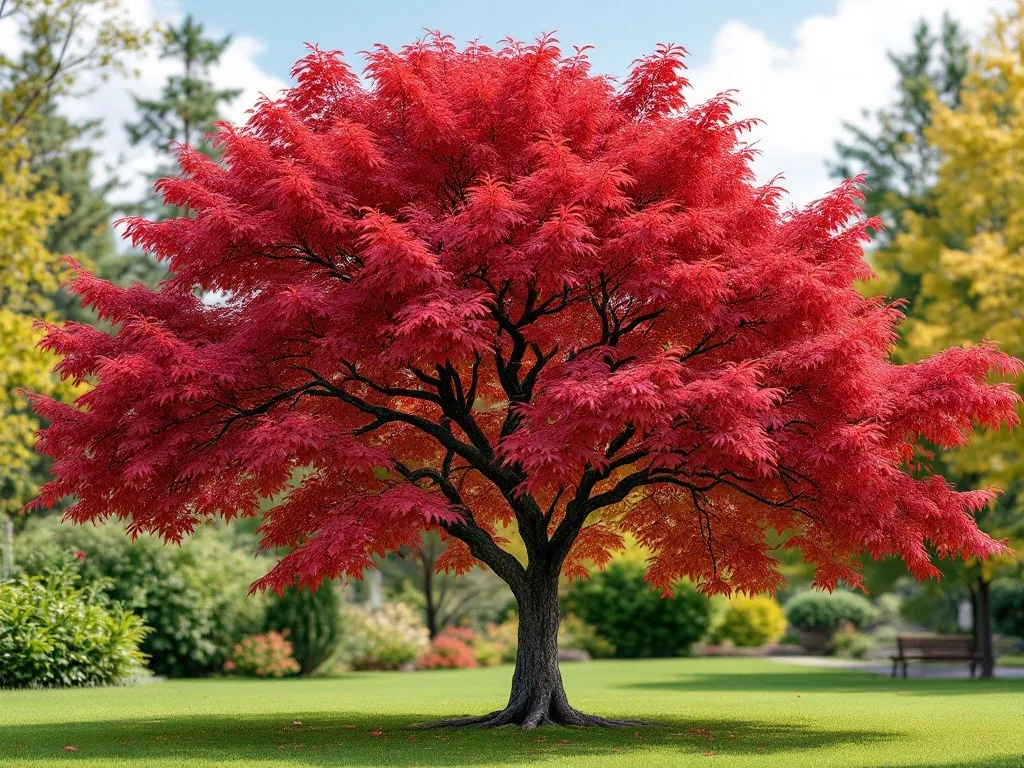
- Grows slowly, reaching 1.5 to 8 m depending on the cultivar.
- Requires partial shade and moist, acidic soil.
- Sensitive to wind and harsh sun — the leaves scorch.
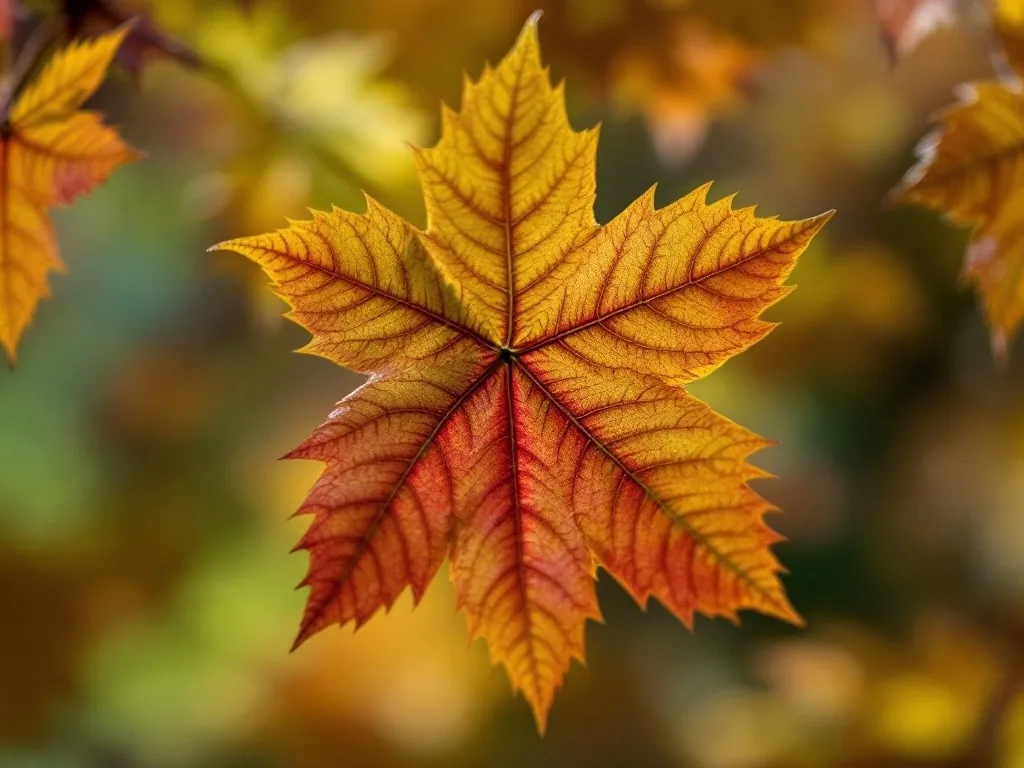
- Striking autumn leaf colour (red, orange).
- Suitable for growing in large containers and as bonsai.
Botanical data
- Family
- Sapindaceae (Sapindaceae)
- Height
- 1.5–8 m
- Width
- 1.5–6 m
- Habit
- Spreading
- Growth rate
- Slow
- Position
- Partial shade
- Soil
- Humus-rich, Loamy
- pH reaction
- pH 5.5–6.5
- Moisture
- Moderate, Moist
- Bloom
- April–May
- Hardiness
- USDA 5b–8b
- Propagation
- From seed, From cuttings
Characteristics
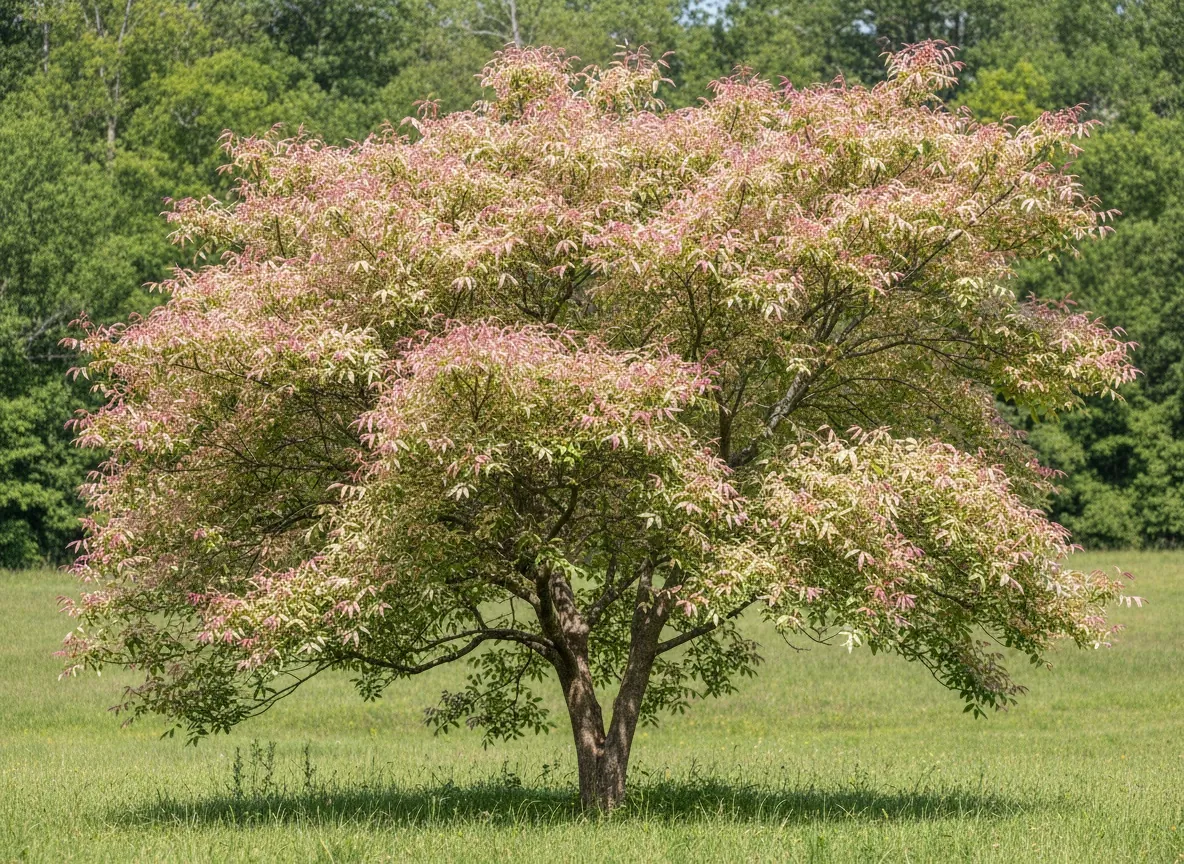
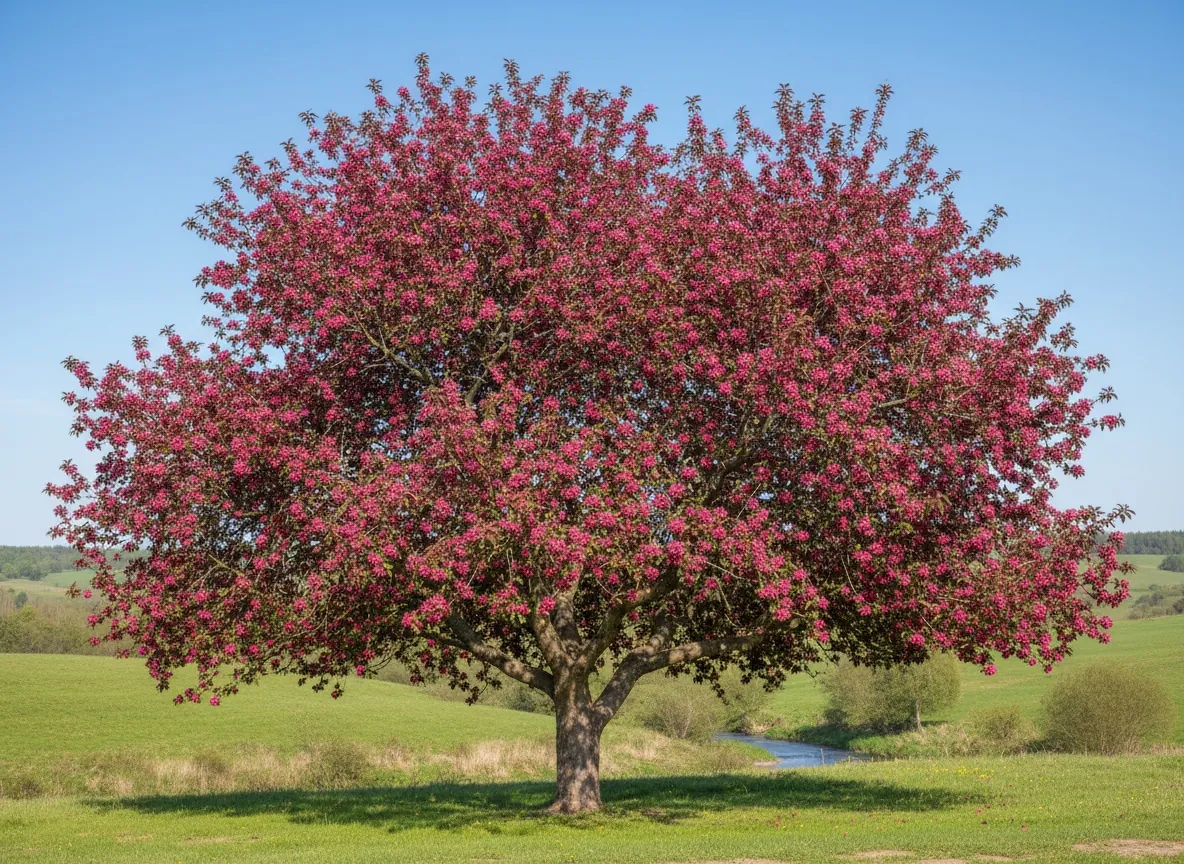
A tree or shrub with a picturesque, often umbrella-shaped habit and the characteristic palmately divided leaves. Many cultivars keep red or purple foliage all season, while others colour up only in autumn.
Growing and care
Watering
Sensitive to drying out and leaf scorch; requires moist soil and shelter from strong wind and harsh sun.
Fertilizing
Moderately — an excess of nitrogen weakens the intensity of the leaf colour.
Planting
Fertile, acidic, well-drained soil; a site sheltered from wind and harsh midday sun.
Pruning
Minimal pruning — remove only dead, diseased and crossing shoots, preserving the natural habit.
Companion plants
Good companions
The hosta likes the same partial shade and moist, acidic soil; it fills the space at the maple's feet well.
Both are acid-loving plants with similar requirements — a classic combination in the Japanese-style garden.
Bad companions
The Japanese maple has delicate roots and copes poorly with competition for water and nutrients.
The evidence level indicates whether the relationship is backed by research, observation, or gardening tradition.
Diseases and pests
Toxicity
| For whom | Level | Notes |
|---|---|---|
| Humans | None | — |
| Dogs | None | — |
| Cats | None | — |
History and origin
The Japanese maple has been cultivated and selected in Japan for centuries (momiji), forming an integral part of Japanese gardens and bonsai art. It reached Europe in the 19th century.
Uses
For small and medium-sized gardens as a specimen, for Japanese gardens, for terraces in large containers and as material for bonsai.
Trivia
- There are more than 1,000 cultivars of Japanese maple, differing in colour, leaf shape and habit.
- Admiring the autumn colour of maples (momijigari) is a tradition in Japan similar to viewing the spring cherry blossom.
Frequently asked questions
Why do the leaves of my Japanese maple turn brown and dry at the edges?
This is most often the result of sun scorch or drying out, made worse by wind. The Japanese maple needs partial shade, shelter from wind and a consistently slightly moist soil.
Can the Japanese maple be grown in a container?
Yes, slow-growing cultivars do well in large containers with an acidic substrate. They require regular watering and protection of the roots from frost in winter.
How fast does the Japanese maple grow?
Slowly — usually 20–30 cm per year. This slowness makes it well suited to small gardens and as a bonsai.
Sources
- Plants of the World Online (POWO)Database (GBIF, POWO…)
- RHS — Acer palmatumInstitution / botanical garden
My note
A private note for this plant — saved in your browser.