In short
- Position: sun to half-shade, fertile, well-drained, neutral soil.
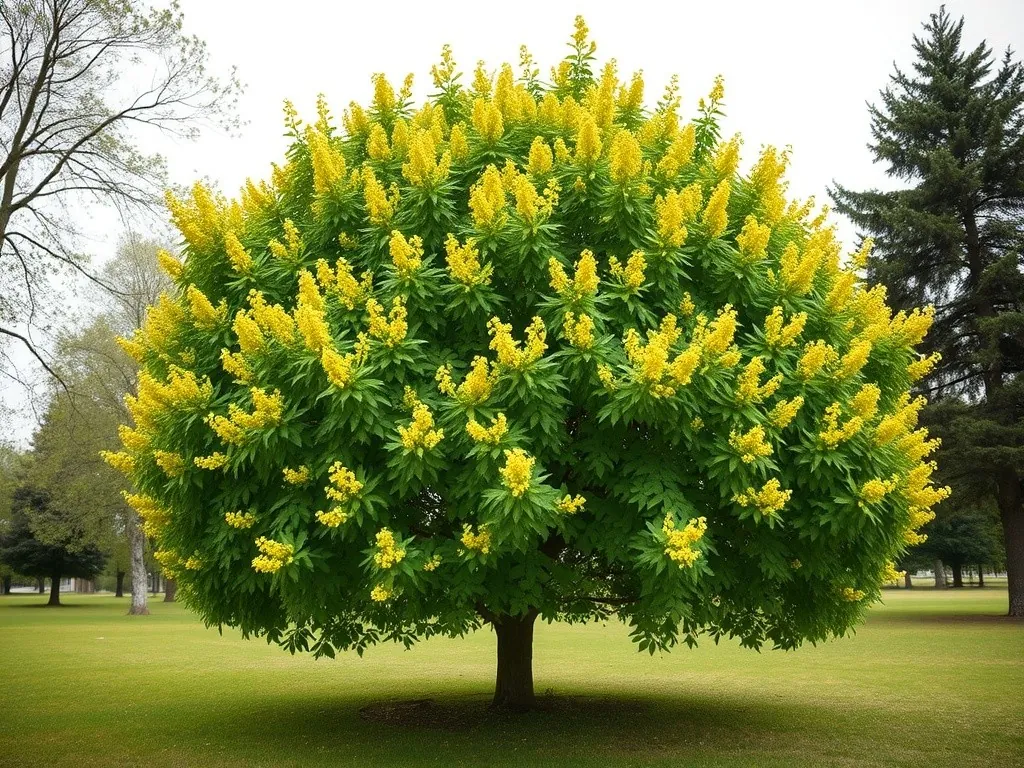
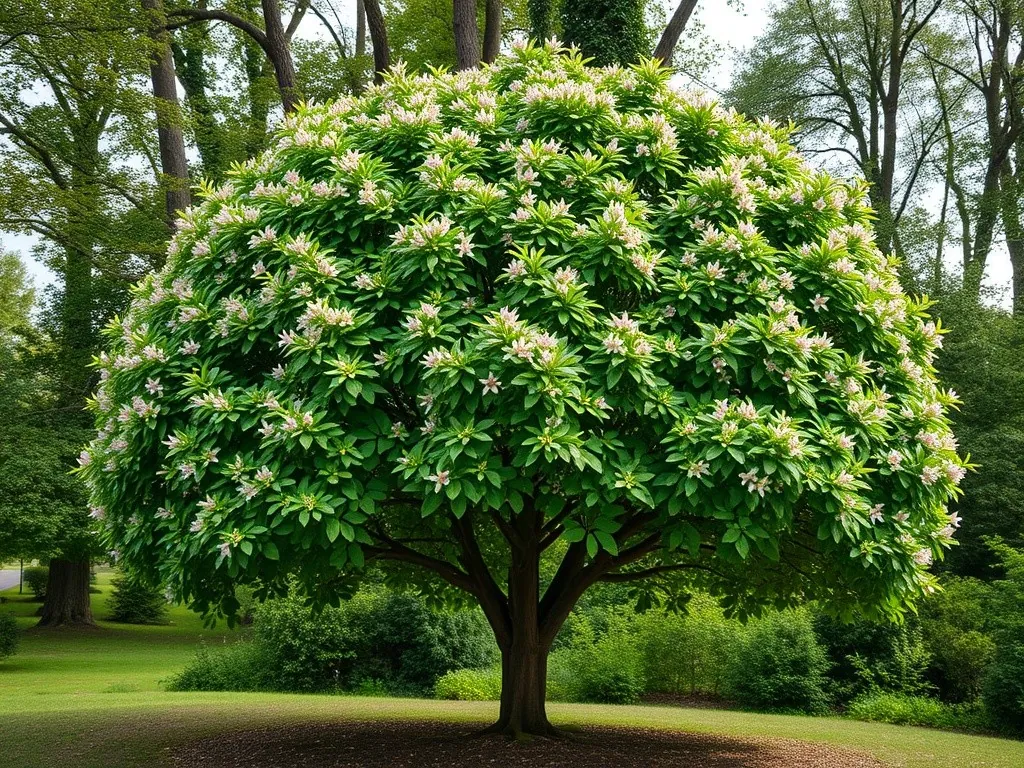
- Flowers spectacularly in May — white or pinkish flowers in upright 'candles'.
- The seeds (conkers) are toxic to people and animals when raw — inedible.
- The leaves are often damaged in summer by the horse-chestnut leaf miner.
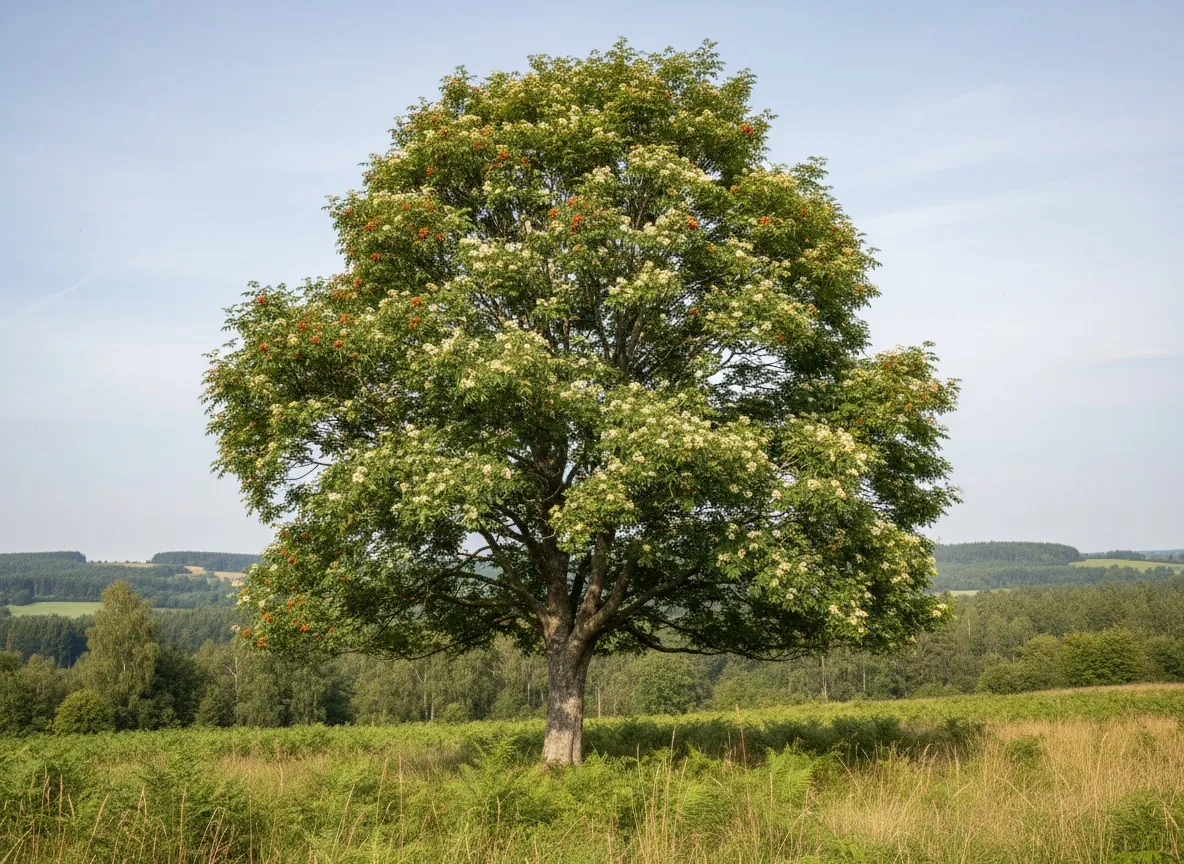
- Requires a lot of space — the crown is spreading, reaching more than ten metres in width.
Botanical data
- Family
- Sapindaceae (Sapindaceae)
- Height
- 20–30 m
- Width
- 12–20 m
- Habit
- Rounded
- Growth rate
- Moderate
- Position
- Full sun, Partial shade
- Soil
- Loamy, Humus-rich
- pH reaction
- pH 6–7.5
- Moisture
- Moderate
- Bloom
- May–May
- Hardiness
- USDA 4a–8a
- Propagation
- From seed
Characteristics
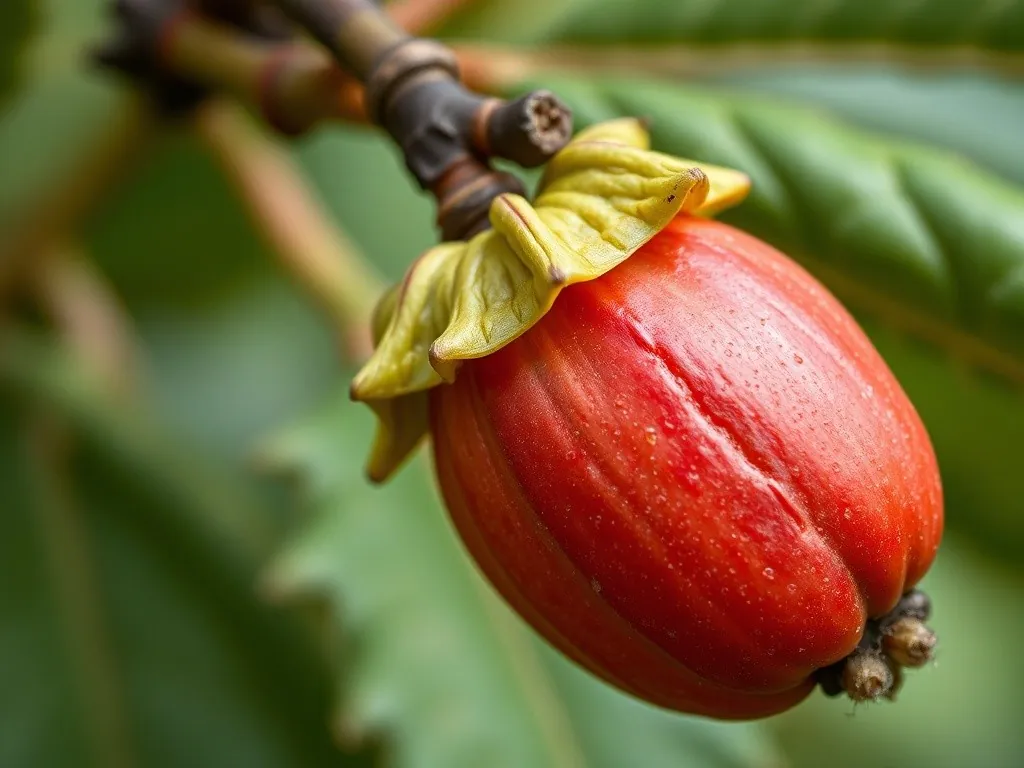
The palmate leaves usually consist of 5–7 obovate leaflets on long stalks. The white flowers, with a yellow or pink blotch at the base, are gathered into large, upright, candle-like flower spikes, visible from a distance during the May bloom. The fruits are spiny capsules concealing glossy, brown seeds — conkers.
Growing and care
Watering
Water young trees regularly during their first seasons. Mature specimens may lose their leaves prematurely in hot, dry summers.
Fertilizing
Moderate — in fertile soil, mature trees usually do not need additional fertilising.
Planting
Fertile, well-drained soil with a neutral pH; requires a lot of space because of its wide, spreading crown.
Pruning
Removal of dead wood and crossing shoots, crown shaping in young trees.
Companion plants
Good companions
Shade-tolerant ivy does well as ground cover under the dense shade of the horse chestnut's wide crown.
Plants tolerating deep shade and drier soil cope well with the conditions beneath the horse chestnut's crown.
Bad companions
Lavender needs full sun and dry soil, which are absent beneath the dense crown of the horse chestnut.
Falling leaves damaged by the horse-chestnut leaf miner, together with the dense shade, make it difficult to maintain a healthy lawn beneath the crown.
The evidence level indicates whether the relationship is backed by research, observation, or gardening tradition.
Toxicity
| For whom | Level | Notes |
|---|---|---|
| Humans | Moderate | The seeds (conkers), bark and leaves contain saponins (including aesculin) and are inedible raw — they can cause nausea and irritation of the digestive tract. |
| Dogs | Moderate | Eating conkers can cause vomiting, diarrhoea and weakness. |
| Horses | High | Despite the species name, raw conkers and shoots are toxic to horses and should not be given as feed. |
History and origin
Brought to Central Europe from the Balkans in the 16th century, it quickly became a popular park and avenue tree thanks to its decorative flowering and its resilience to urban conditions. The species name 'hippocastanum' (horse chestnut) derives from an old folk belief that powdered seeds were given to horses suffering from respiratory ailments.
Uses
Mainly as a magnificent park, avenue and shade tree in large gardens. The seeds are used in the pharmaceutical industry (varicose vein preparations) and were formerly used to make soap and technical starch.
Trivia
- Since the 1990s, horse chestnut trees in Polish cities have been massively attacked by the horse-chestnut leaf miner (Cameraria ohridella) — a small moth whose larvae eat away the leaf tissue, causing the leaves to brown and drop prematurely as early as August.
- Despite its toxicity, an extract from horse chestnut seeds (aesculin, aescin) is used in preparations for venous insufficiency and swelling.
- Collecting conkers in autumn is a popular pastime for children in Poland, even though these fruits are not fit to eat.
Frequently asked questions
Are conkers (horse chestnut seeds) edible?
No — raw conkers contain toxic saponins and are inedible, unlike edible sweet chestnuts (Castanea sativa), with which they are sometimes confused.
What is the horse-chestnut leaf miner and how do you deal with it?
It is a small moth whose larvae mine the leaves of the horse chestnut, causing them to brown and drop prematurely. Controlling the pest involves autumn raking and removal of fallen leaves (the pupae overwinter in them) and preventive treatments carried out by specialists in larger plantings.
Is horse chestnut dangerous for dogs?
Yes, eating conkers can cause vomiting, diarrhoea and weakness in dogs. It is worth keeping an eye on your dog during autumn walks, when many fallen seeds lie beneath the trees.
Sources
- Plants of the World Online (POWO) — Aesculus hippocastanumDatabase (GBIF, POWO…)
- Missouri Botanical Garden — Aesculus hippocastanumInstitution / botanical garden
My note
A private note for this plant — saved in your browser.