In short
- Flowers very early, from March to April, as one of the first bulbous plants of the season.
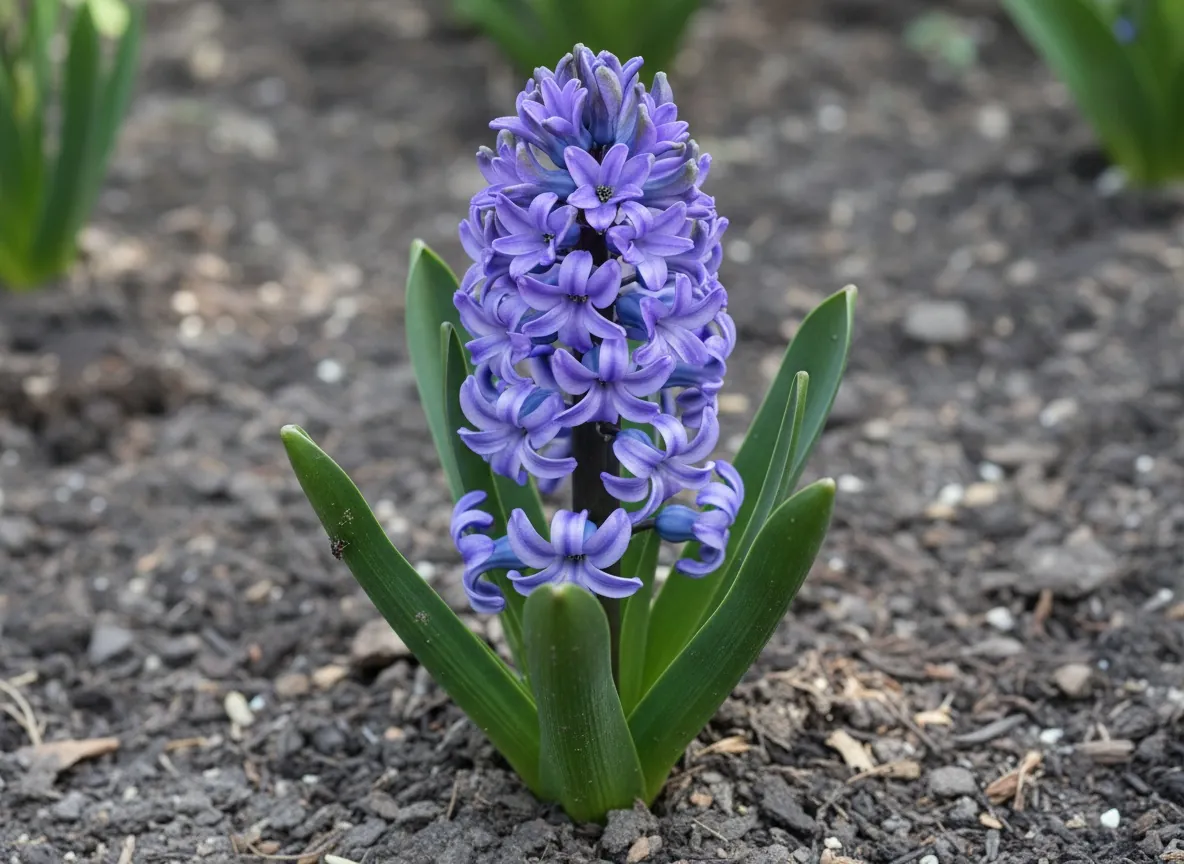
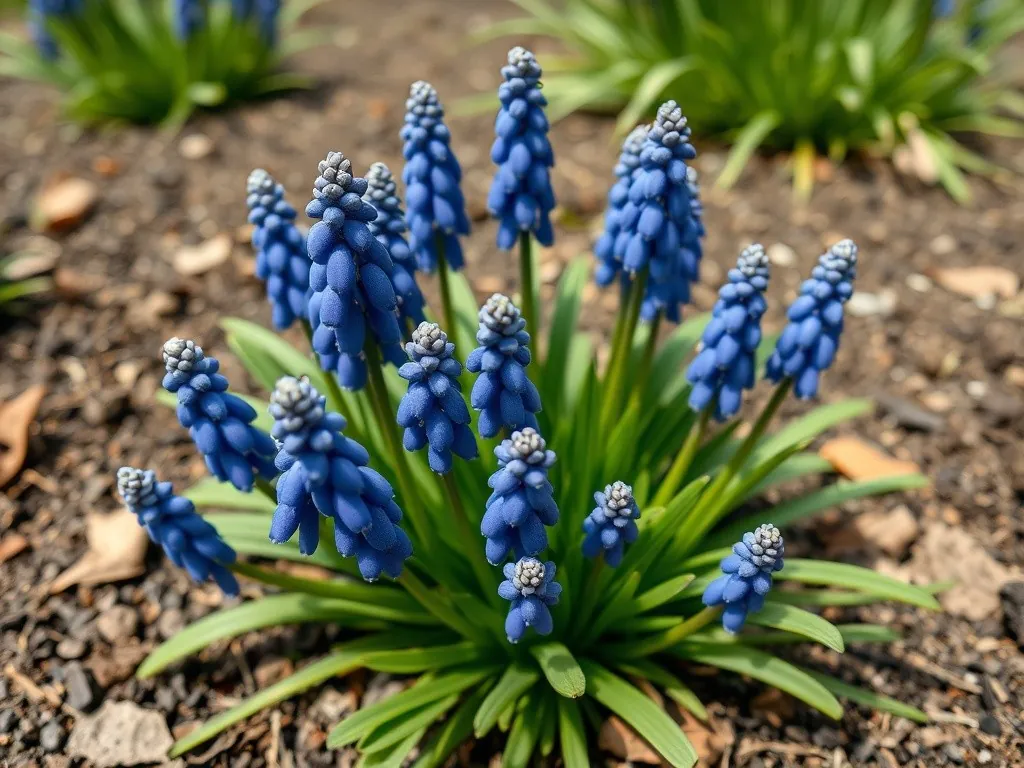
- Small, bell-shaped flowers gathered in dense clusters resembling a bunch of grapes.
- Propagates and naturalises easily — does well in lawns and under deciduous trees.
- After flowering it enters dormancy and needs no watering in summer.
- Frost-hardy to USDA zone 4, needs no winter protection.
Botanical data
- Family
- Asparagaceae (Asparagaceae)
- Height
- 0.15–0.25 m
- Width
- 0.08–0.15 m
- Habit
- Clump-forming
- Growth rate
- Moderate
- Position
- Full sun, Partial shade
- Soil
- Sandy, Loamy, Humus-rich
- pH reaction
- pH 6–7.5
- Moisture
- Moderate
- Bloom
- March–April
- Hardiness
- USDA 4a–8b
- Propagation
- From bulbs / tubers, From seed
Characteristics
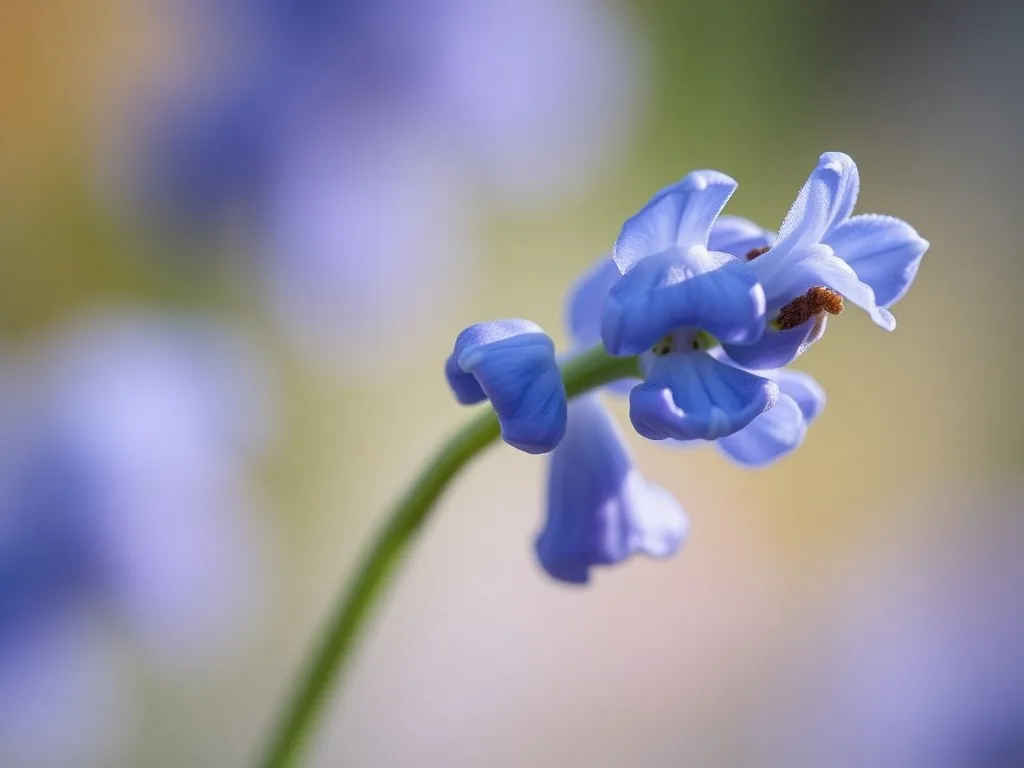
From the underground bulb grow narrow, channelled leaves and a leafless stem ending in a dense cluster of small, globular flowers of an intense blue, often with a lighter rim at the base.
Growing and care
Watering
After flowering and once the leaves have withered, the plant enters dormancy and needs no watering until autumn.
0Fertilizing
Small doses — the bulbs accumulate their own food reserves.
Planting
Well-drained soil; on heavy soils add sand to the planting hole.
Pruning
Remove withered leaves and spent flower heads by hand or with secateurs.
Companion plants
Good companions
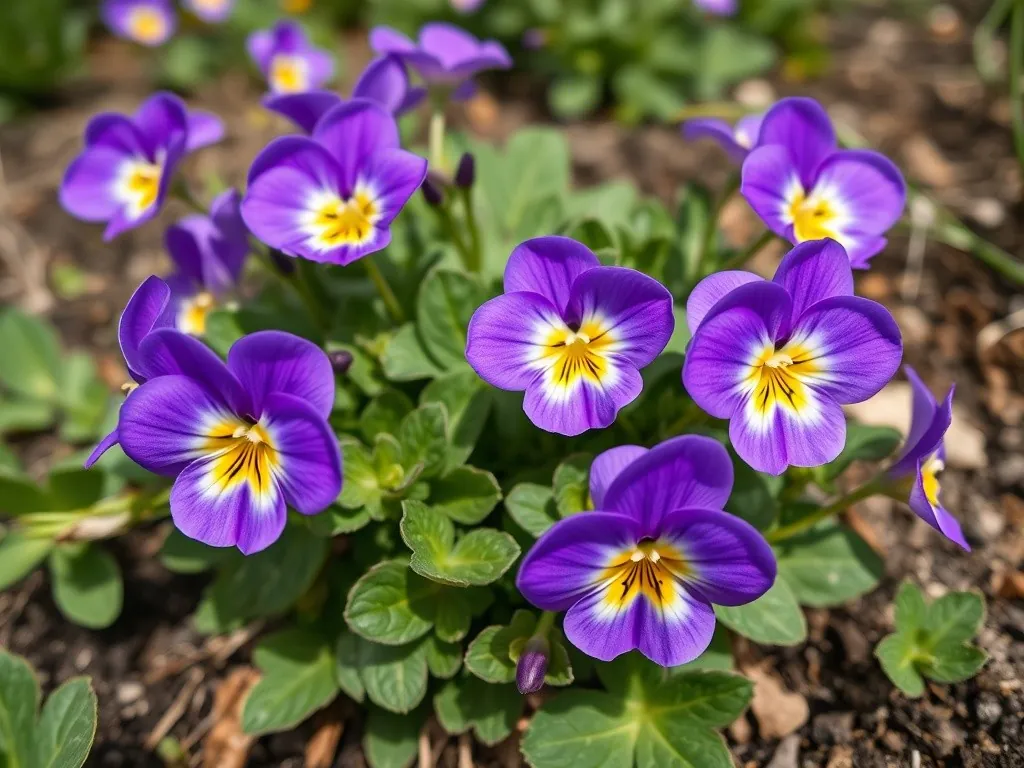
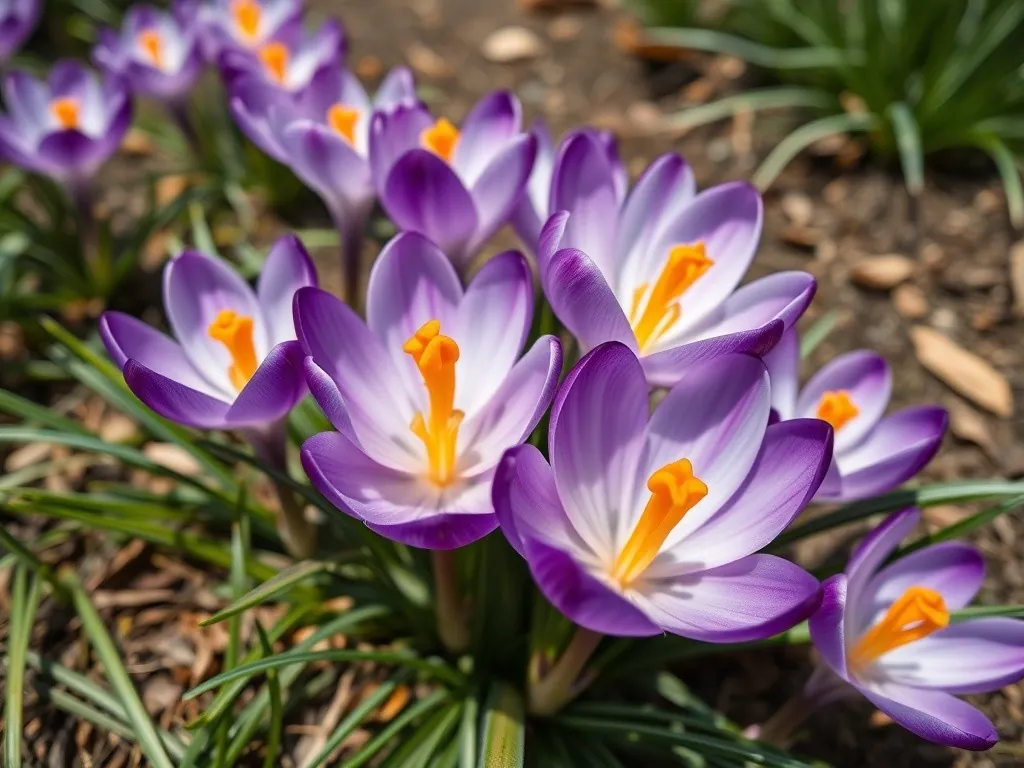
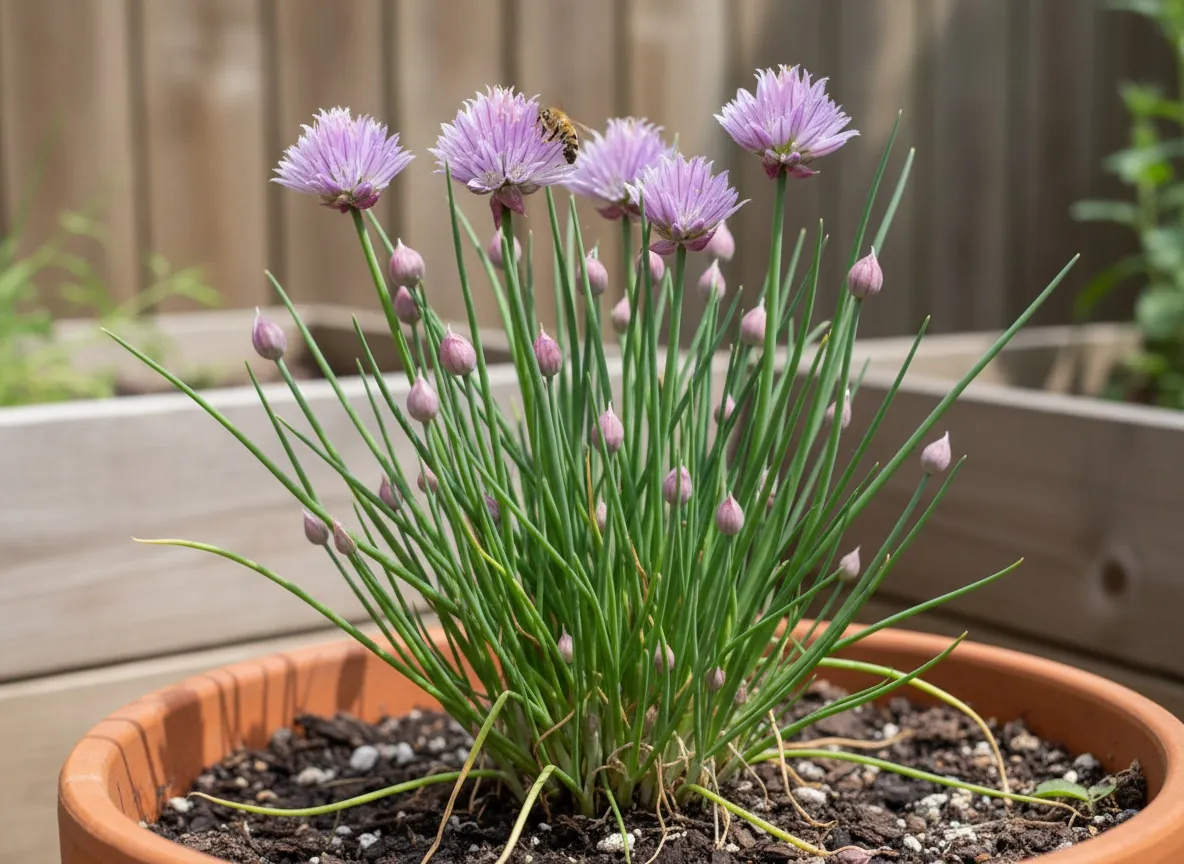
They flower in the same early-spring period and combine well in colour and height.
A classic bulb pairing — the low grape hyacinth forms a carpet at the base of the taller tulips.
Similar flowering time and requirements — both species are well suited to naturalising in a lawn.
Bad companions
The bog plant requires constantly moist soil, which promotes rotting of the grape hyacinth bulbs during their summer dormancy.
The evidence level indicates whether the relationship is backed by research, observation, or gardening tradition.
Toxicity
| For whom | Level | Notes |
|---|---|---|
| Humans | Mild | The bulbs may cause stomach irritation if eaten. |
| Dogs | Mild | — |
| Cats | Mild | — |
History and origin
Brought to Western Europe from the Caucasus and Asia Minor in the 19th century as a garden plant, it quickly gained popularity thanks to its ease of cultivation and naturalisation. Today it is one of the most commonly planted small spring bulbs in Europe.
Uses
Ideal for naturalising in lawns, under deciduous trees and as an edging for spring borders. Looks good in large groups and in containers as an early-spring accent on the terrace and balcony.
Trivia
- The genus name Muscari refers to the musky scent of some species of this genus.
- The bulbs can multiply on their own over the years, forming dense, natural carpets in time.
Frequently asked questions
When should you plant grape hyacinths?
The best time is September–October, at a depth of about 8 cm — the bulbs need time to root before winter.
Does the Armenian grape hyacinth spread?
Yes, it propagates easily both through offset bulbs and self-seeding, forming dense colonies over time — worth taking into account when planning plantings in a lawn.
Do you need to dig up grape hyacinth bulbs for winter?
No, the Armenian grape hyacinth is fully frost-hardy (USDA zone 4) and the bulbs overwinter safely in the ground without being dug up.
Sources
- Plants of the World Online (POWO)Database (GBIF, POWO…)
- RHS — Muscari armeniacumInstitution / botanical garden
My note
A private note for this plant — saved in your browser.