In short
- Flowers in early spring (March–April) and is strongly fragrant.
- The bulbs are planted in autumn, in well-drained soil in sun or partial shade.
- Caution: the bulb contains oxalates — it irritates the skin and the digestive tract.
- After flowering the leaves must be left to die back to nourish the bulb.
- Popular for forcing in pots to flower in the middle of winter.
Botanical data
- Family
- Asparagaceae (Asparagaceae)
- Height
- 0.15–0.3 m
- Width
- 0.1–0.15 m
- Habit
- Upright
- Growth rate
- Moderate
- Position
- Full sun, Partial shade
- Soil
- Humus-rich, Sandy, Loamy
- pH reaction
- pH 6–7.5
- Moisture
- Moderate
- Bloom
- March–April
- Hardiness
- USDA 4a–8b
- Propagation
- From bulbs / tubers
Characteristics
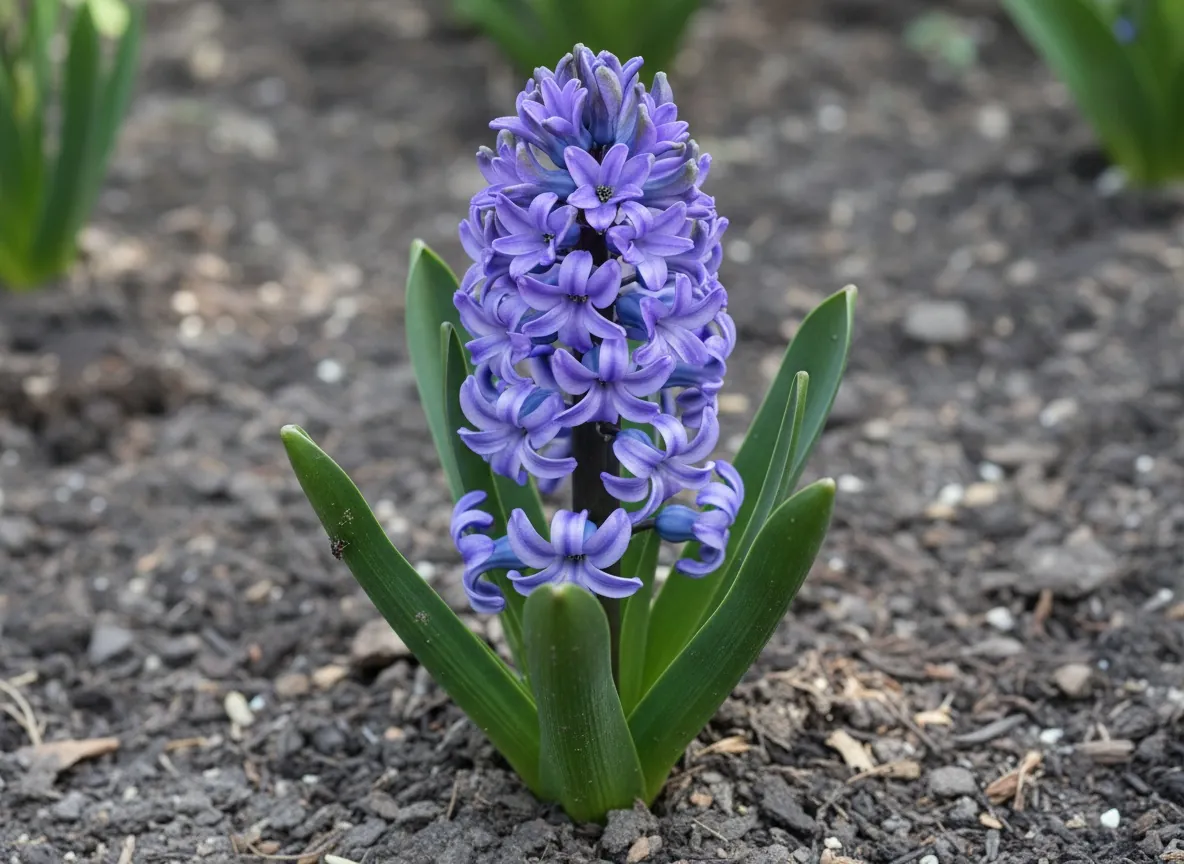
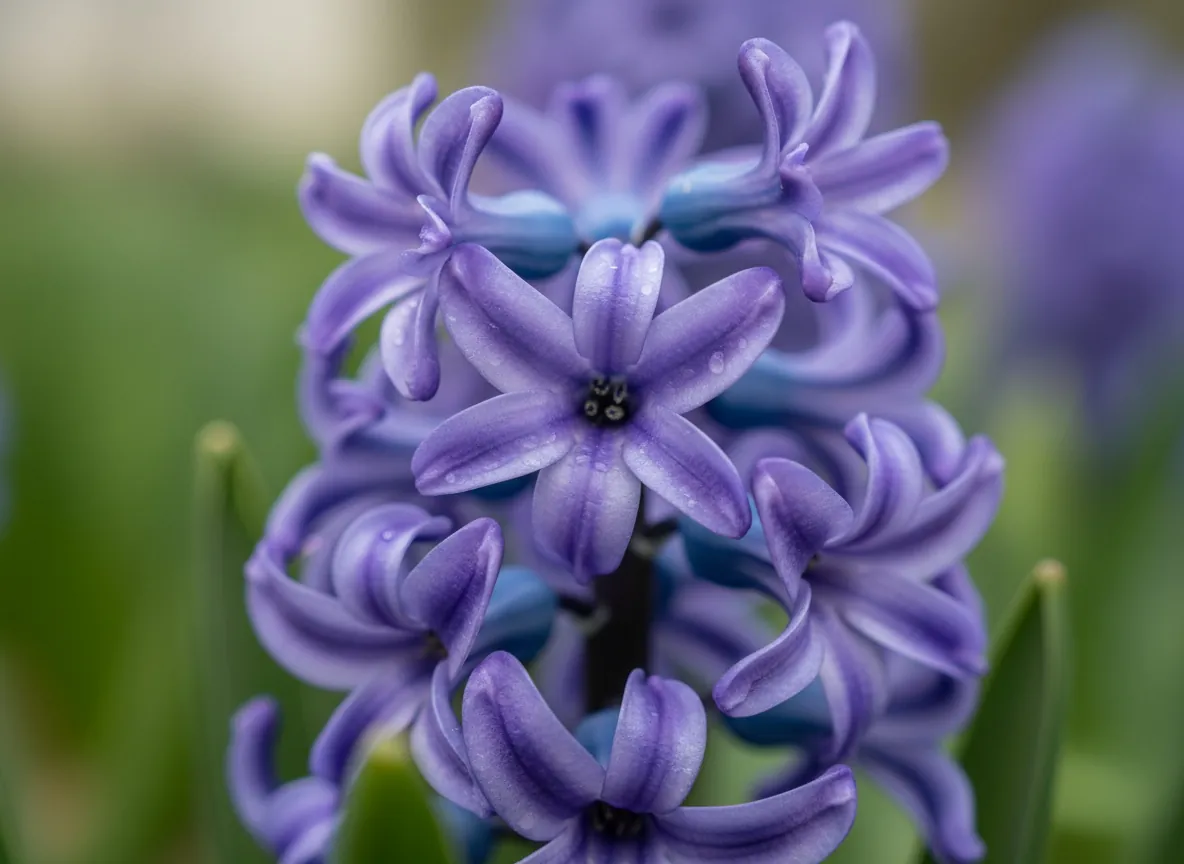
From the bulb grow a rosette of fleshy, narrowly linear leaves and a stiff, thick flower stalk. At its top sits a compact, cylindrical inflorescence made up of several dozen waxy, bell-shaped flowers with reflexed petals. The flowers give off a strong, characteristic scent, and the colours of the cultivars include blue, violet, pink, white, as well as yellows and salmons. With each successive year the inflorescences tend to be looser than in freshly bought, forced bulbs.
Growing and care
Watering
Moderate moisture during the growing and flowering period. After the leaves die back, the bulb enters dormancy and requires a dry substrate — excess water in summer causes it to rot.
0Fertilizing
Sparingly; fertilising after flowering supports the rebuilding of the bulb for the next season.
Planting
Sunny or lightly shaded position, well-drained soil; on heavy soils put a handful of sand under the bulb to reduce the risk of rot.
Pruning
Remove the spent inflorescence so that the plant does not set seed, but leave the leaves to die back naturally — through them the bulb builds up reserves for the following year.
Companion plants
Good companions
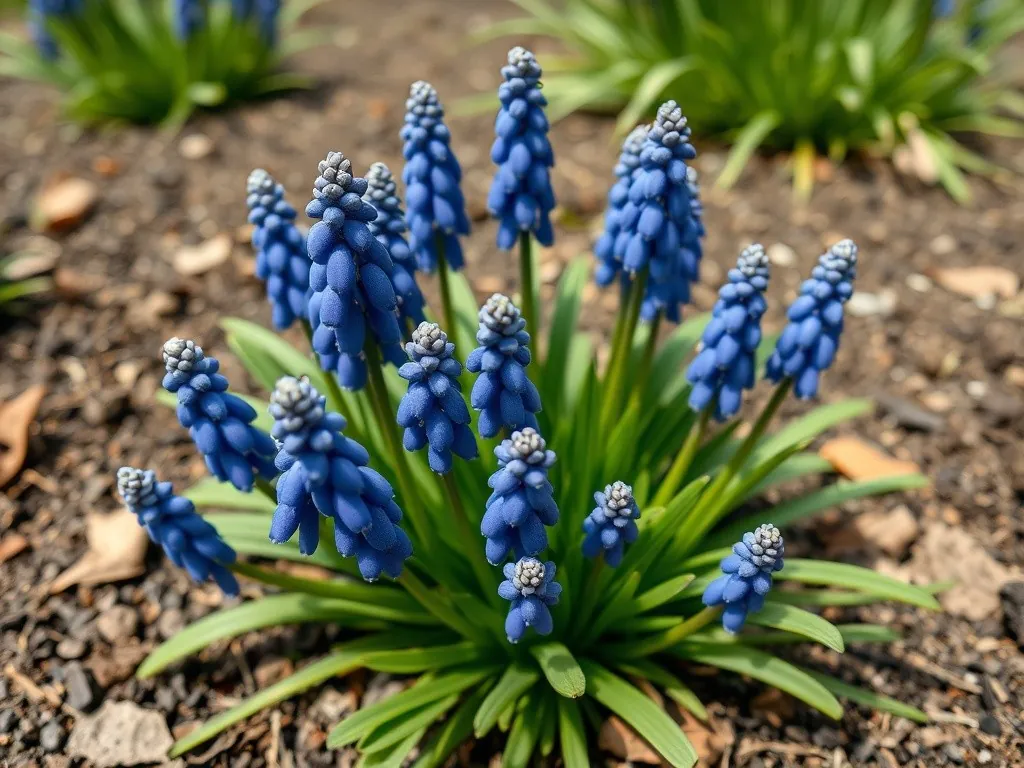
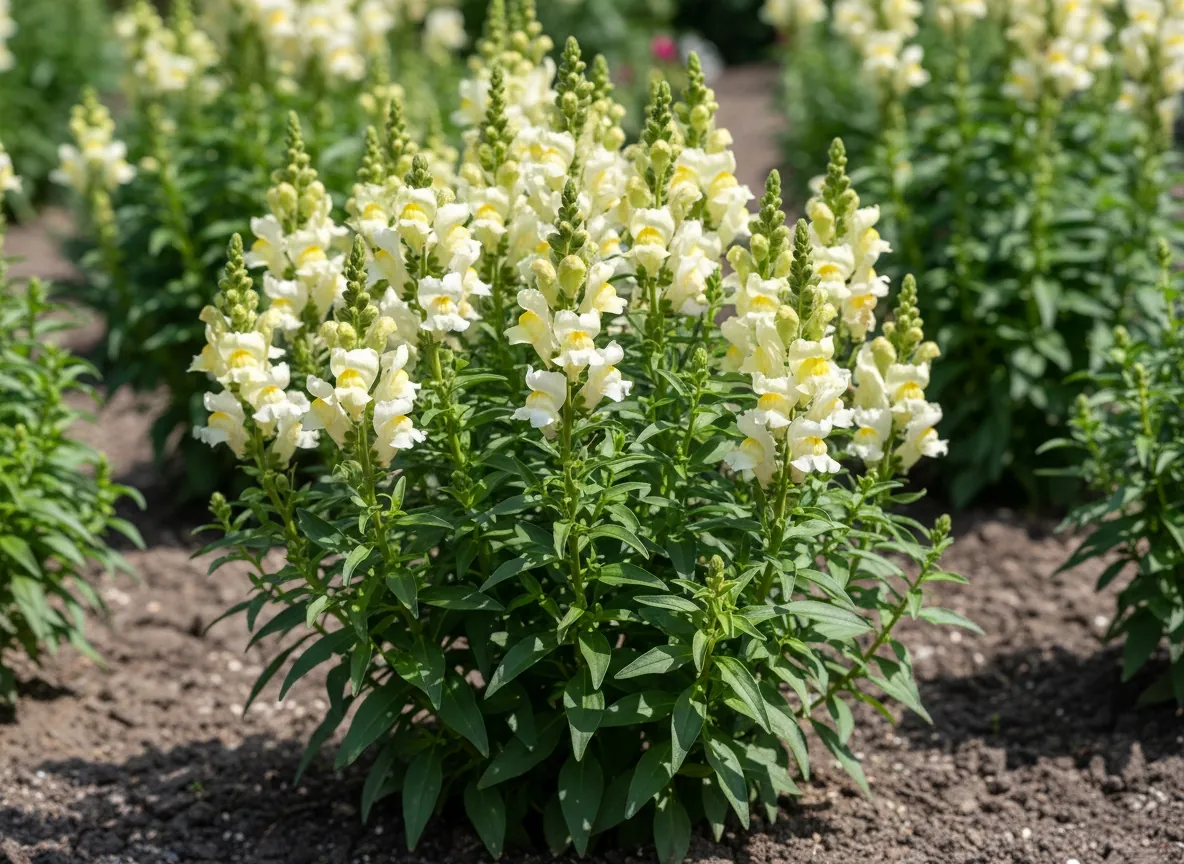
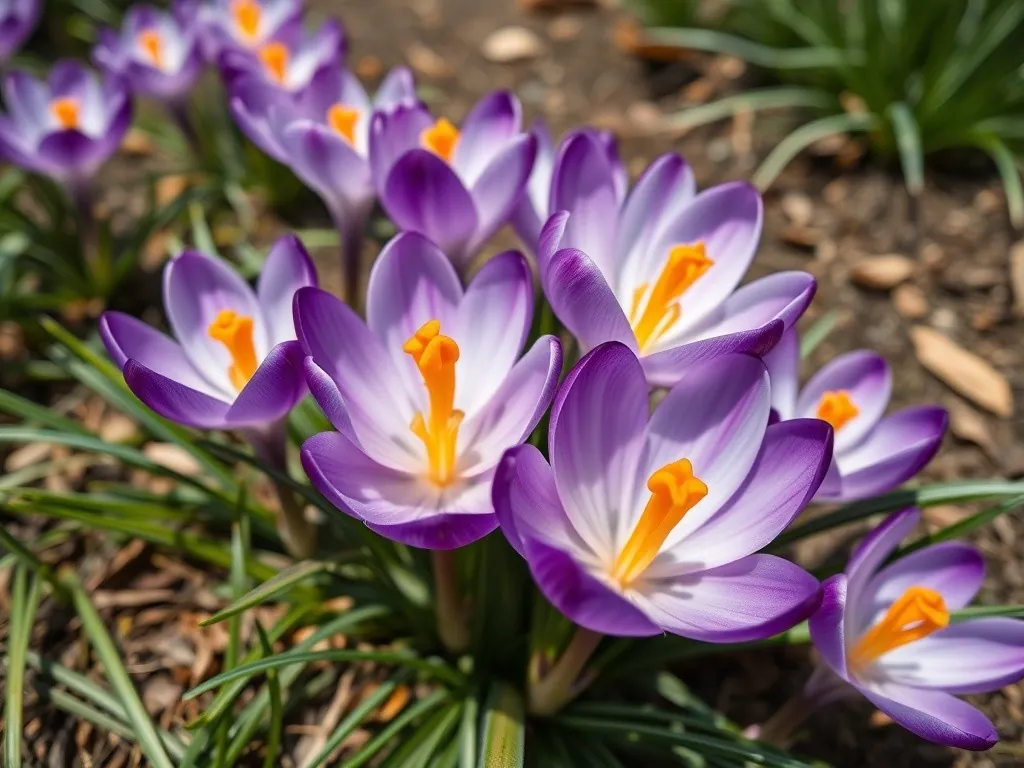
They flower at the same, early-spring time and have similar requirements; both are also avoided by rodents and deer, which protects the whole bulb planting.
A classic combination of spring bulbs with similar soil needs, producing a colourful, layered border.
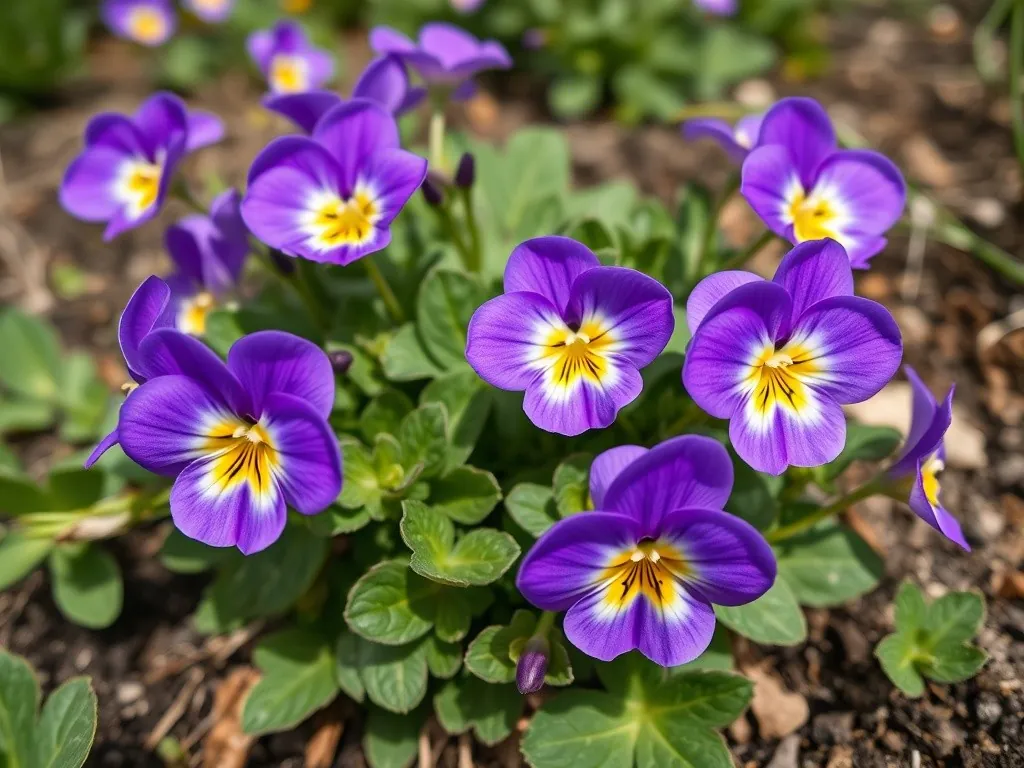
Pansies fill the space around the hyacinths and flower at the same time, creating a dense spring carpet.
Bad companions
Summer moisture during the hyacinths' dormancy favours the rotting of their bulbs, which is why they are not planted together with species that are constantly watered.
The evidence level indicates whether the relationship is backed by research, observation, or gardening tradition.
Toxicity
| For whom | Level | Notes |
|---|---|---|
| Humans | Moderate | The bulbs contain calcium oxalate — contact with the sap can cause skin irritation and itching, and eating it irritation of the digestive tract. It is worth wearing gloves when planting. |
| Dogs | Moderate | The highest concentration of irritating substances is in the bulbs; eating them can cause drooling, vomiting and diarrhoea. |
| Cats | Moderate | Eating the bulb can cause irritation of the digestive tract. |
History and origin
The species was brought to Western Europe from the Ottoman Empire in the 16th century, where it quickly became the object of intensive breeding. It gained its greatest fame in the Netherlands, alongside the tulip, as one of the pillars of the flower-bulb trade; to this day most of the available cultivars come from Dutch breeders. The name refers to the Greek myth of the youth Hyacinthus.
Uses
For spring borders, edgings and balcony boxes, and as a cut flower with an intense fragrance. Especially popular as a pot plant forced to flower in winter and early spring, sold in full bloom in pots.
Trivia
- Hyacinths are among the most commonly forced bulbous plants — chilled bulbs are made to flower in a pot in the middle of winter.
- In people who plant large numbers of bulbs, contact with their sap can cause skin irritation, the so-called hyacinth itch.
Frequently asked questions
Is hyacinth toxic to people and animals?
Yes, to a moderate degree. The bulbs contain calcium oxalate, which irritates the skin (hence the so-called hyacinth itch) and the digestive tract after being eaten. The most irritating substances are in the bulbs — it is worth planting them with gloves and keeping them away from dogs and cats.
How do you force a hyacinth in a pot for winter?
The bulbs are planted in a pot in autumn and kept for a few weeks in a cool, dark place (about 5–9 °C), keeping the substrate slightly moist. When shoots appear, the pot is moved to a brighter and warmer place, where the plant develops its flowers.
Why do the hyacinth inflorescences become looser from year to year?
This is natural. Bought bulbs are specially prepared for a large, dense inflorescence; in subsequent years in the garden the flowers become looser and smaller. Fertilising after flowering and letting the leaves die back help, but the effect of the first year usually cannot be reproduced.
Sources
- Plants of the World Online (POWO)Database (GBIF, POWO…)
- RHS — Hyacinthus orientalisInstitution / botanical garden
My note
A private note for this plant — saved in your browser.