In short
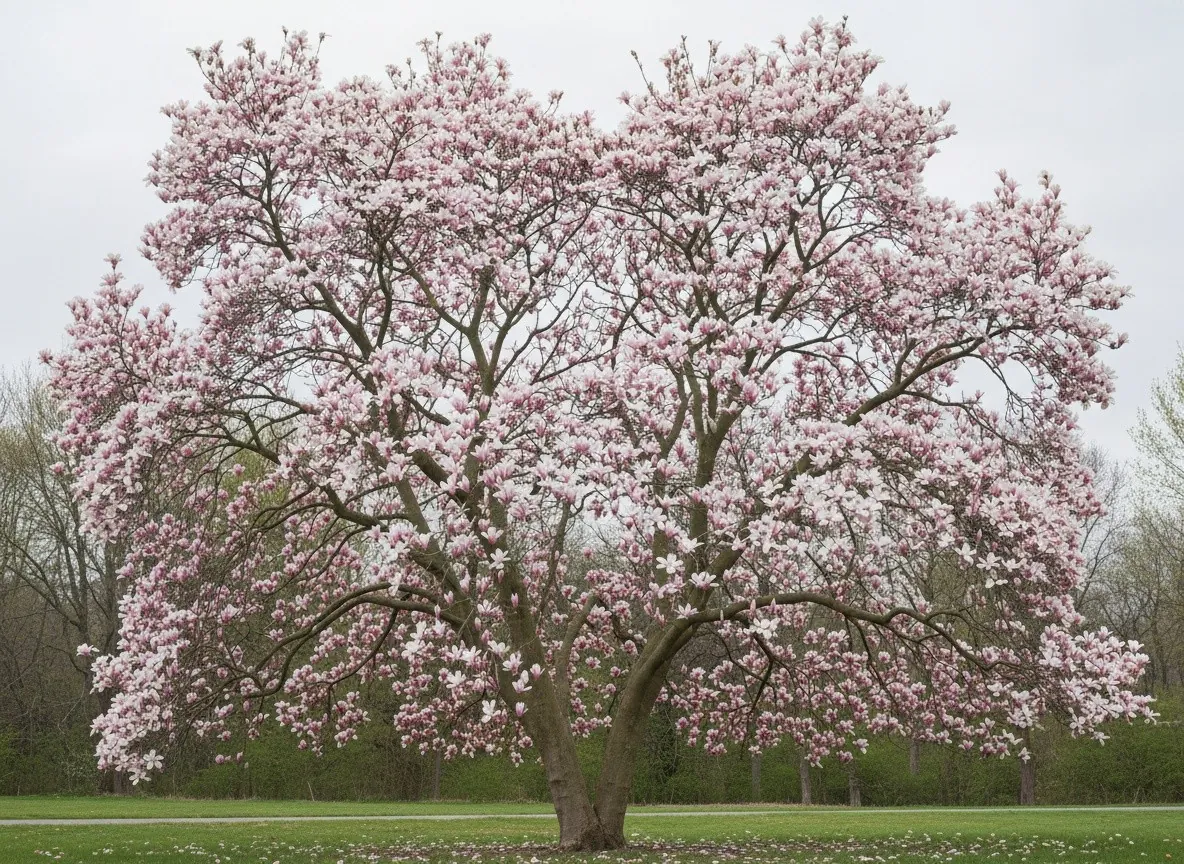
- Flowers in early spring, often before the leaves emerge.
- Needs a sheltered site — late frosts damage the flowers.
- Prefers fertile, slightly acidic, moist soil.
- Shallow roots — do not dig around the trunk.
- Tolerates pruning poorly — plan its permanent position from the start.
Botanical data
- Family
- Magnoliaceae (Magnoliaceae)
- Height
- 3–7 m
- Width
- 3–6 m
- Habit
- Spreading
- Growth rate
- Slow
- Position
- Full sun, Partial shade
- Soil
- Humus-rich, Loamy
- pH reaction
- pH 5.5–6.5
- Moisture
- Moderate, Moist
- Bloom
- April–May
- Hardiness
- USDA 5a–9a
- Propagation
- By layering
Characteristics
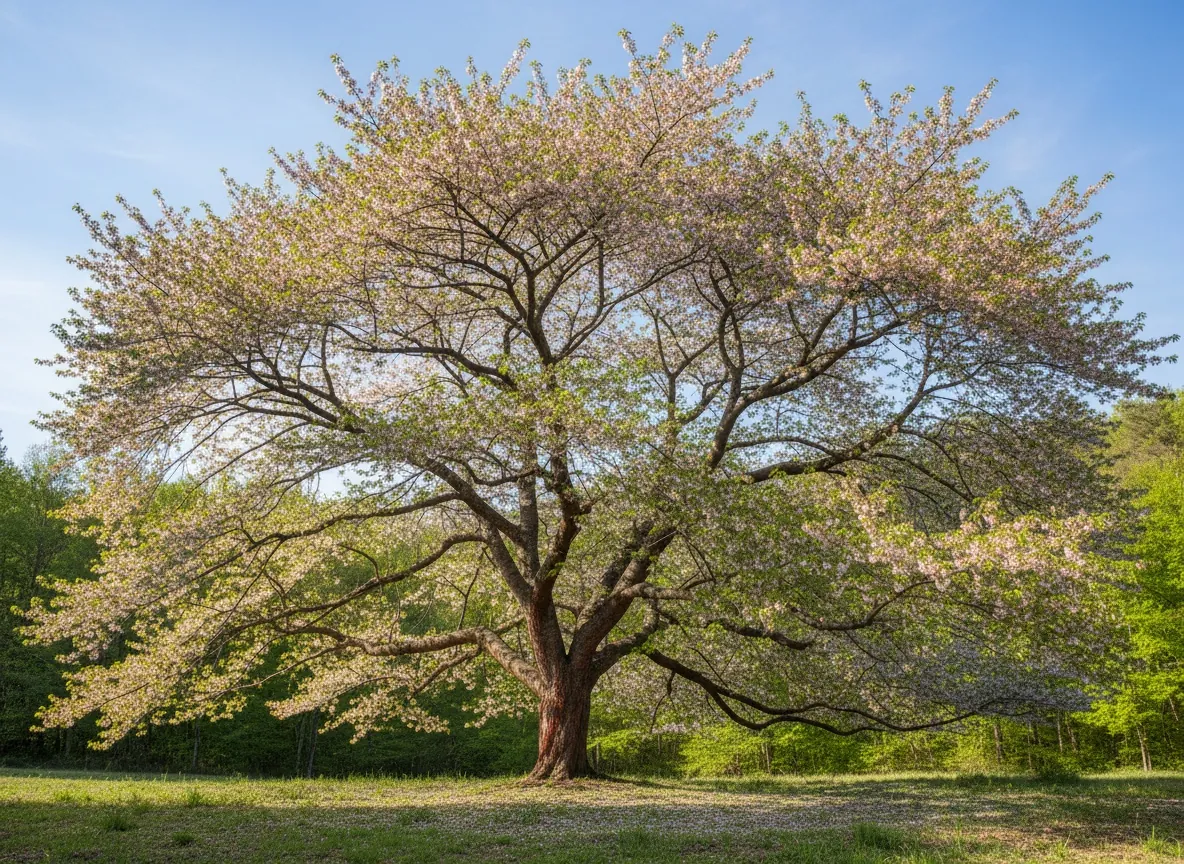
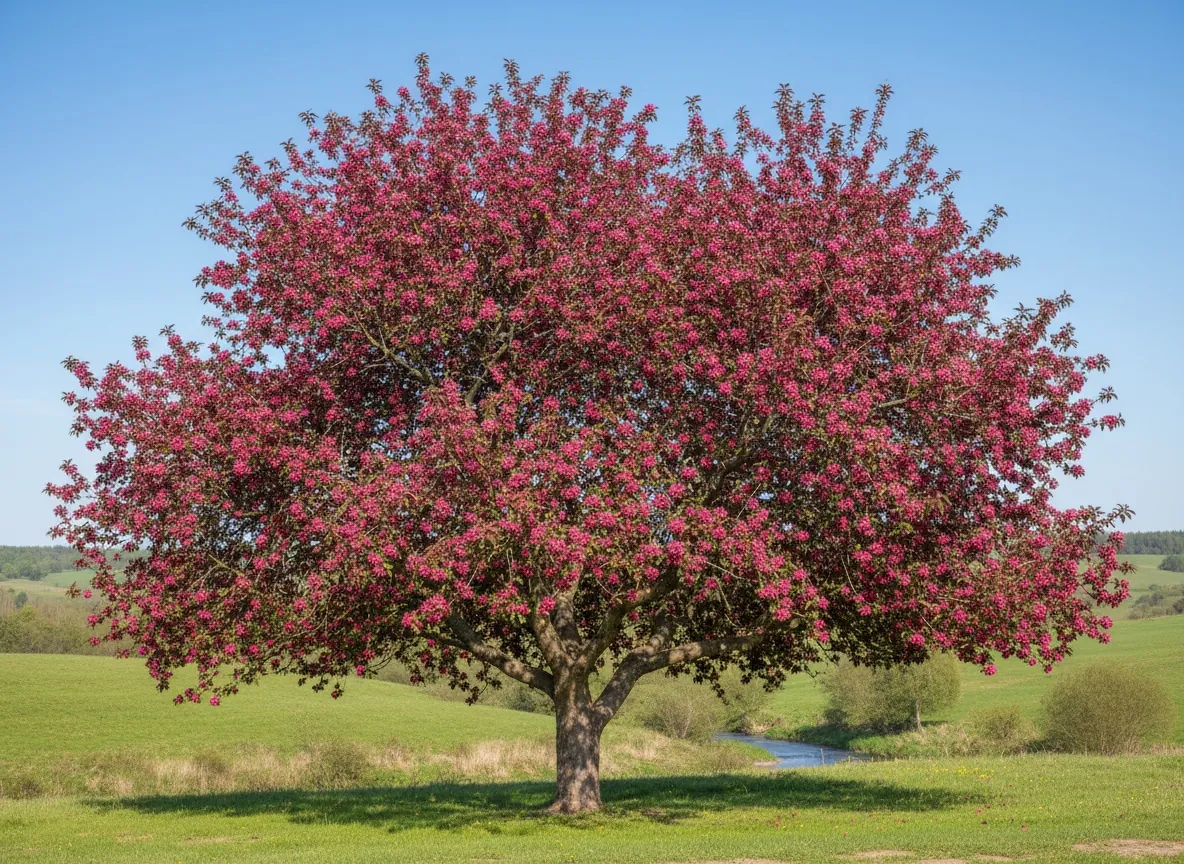
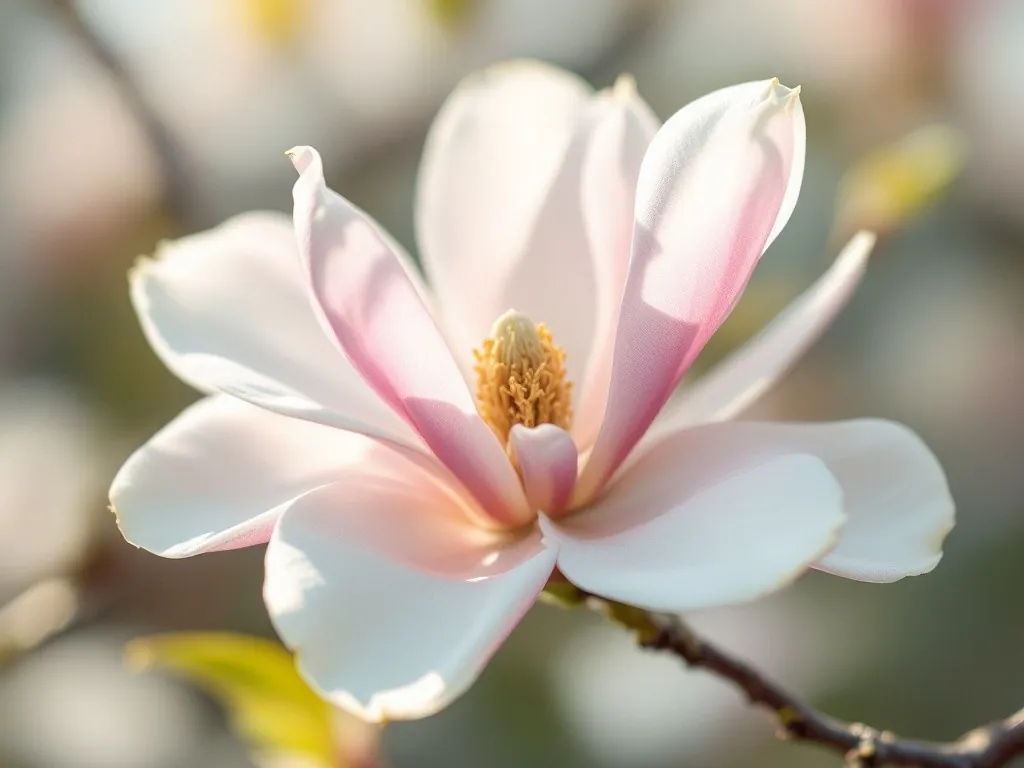
A tree or shrub with a spreading habit and large, obovate leaves. The showy, goblet- or tulip-shaped flowers, white to pink-purple, appear in early spring before the leaves.
Growing and care
Watering
Its shallow, fleshy root system needs consistently, lightly moist soil; sensitive to drying out and root damage.
Fertilizing
Moderate; bark mulch protects the shallow roots and retains moisture.
Planting
Fertile, humus-rich, slightly acidic soil; a site sheltered from east-facing sun and wind protects the flowers from late frosts.
Pruning
Magnolias tolerate pruning poorly — limit it to removing dead and damaged shoots.
Companion plants
Good companions
Both plants like acidic, humus-rich soil and a sheltered site — a common pairing in ornamental gardens.
They flower at the foot of the magnolia while it has not yet leafed out, extending the season of ornamental interest.
Bad companions
The magnolia's shallow, fleshy roots are easily damaged by digging, which weakens the tree.
The evidence level indicates whether the relationship is backed by research, observation, or gardening tradition.
Diseases and pests
Toxicity
| For whom | Level | Notes |
|---|---|---|
| Humans | None | — |
| Dogs | None | — |
| Cats | None | — |
History and origin
The saucer magnolia originated around 1820 in France, bred by Étienne Soulange-Bodin. The genus Magnolia is among the evolutionarily oldest flowering plants — its ancestors were flowering before bees existed, which is why its flowers are pollinated mainly by beetles.
Uses
For gardens as a striking specimen, for parks, and larger borders. It requires a carefully chosen, permanent site because of its sensitivity to transplanting and pruning.
Trivia
- Magnolias are among the oldest flowering plants — they already existed some 95 million years ago.
- Magnolia flowers are pollinated mainly by beetles, because they evolved before bees appeared.
Frequently asked questions
Why do magnolia flowers turn brown?
The most common cause is spring frost damaging the delicate petals. It is worth planting magnolia in a sheltered spot, avoiding east-facing exposures, where rapid thawing after a night frost is especially harmful to the flowers.
Can a magnolia be transplanted?
Very reluctantly — it has shallow, fleshy roots that are easily damaged. It is best to choose the permanent site from the start; transplanting older specimens often fails.
When does the saucer magnolia flower?
In early spring, usually in April, often before the leaves emerge, giving a spectacular effect of a tree covered entirely in flowers.
Sources
- Plants of the World Online (POWO)Database (GBIF, POWO…)
- RHS — MagnoliaInstitution / botanical garden
My note
A private note for this plant — saved in your browser.