In short
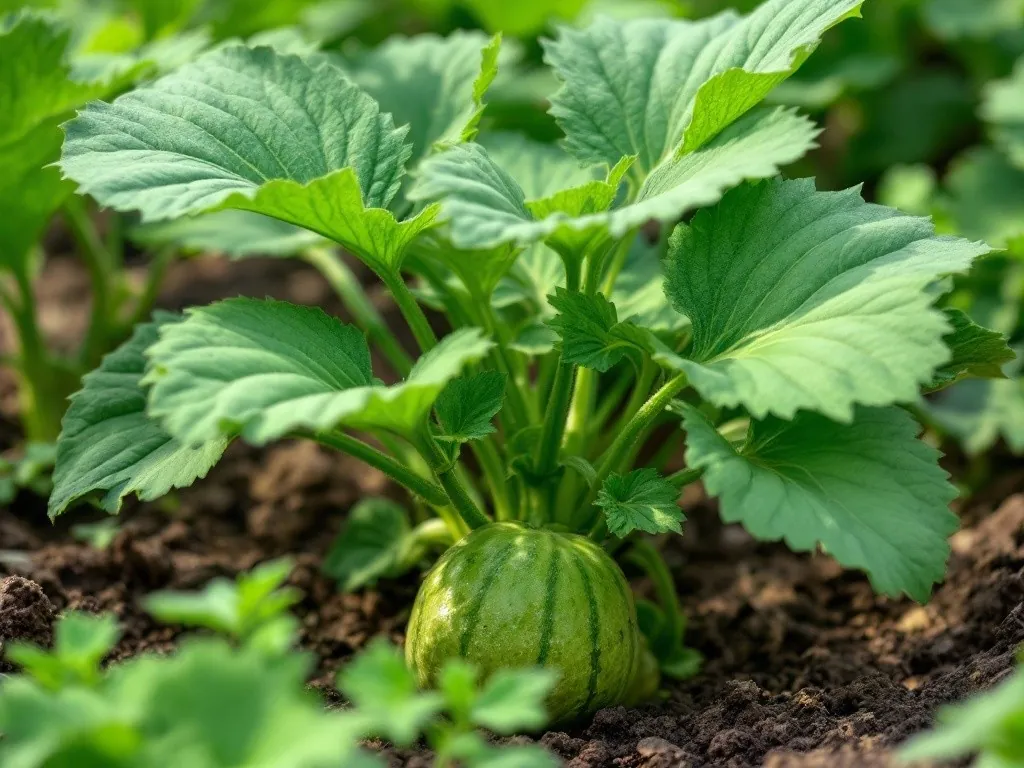
- A different species from the courgette (Cucurbita pepo) — it bears huge, spherical fruits.
- Requires full sun, very fertile soil and plenty of room — several square metres.
- Very greedy and water-hungry; classically planted on the compost heap.
- For large fruits leave 1–2 fruit sets on the plant and remove the rest.
- Harvest before the first frosts, keeping the stalk.
Botanical data
- Family
- Cucurbitaceae (Cucurbitaceae)
- Height
- 0.4–0.8 m
- Width
- 2–5 m
- Habit
- Creeping
- Growth rate
- Fast
- Position
- Full sun
- Soil
- Humus-rich, Loamy
- pH reaction
- pH 6–7
- Moisture
- Moderate, Moist
- Bloom
- June–August
- Hardiness
- —
- Propagation
- From seed
Characteristics
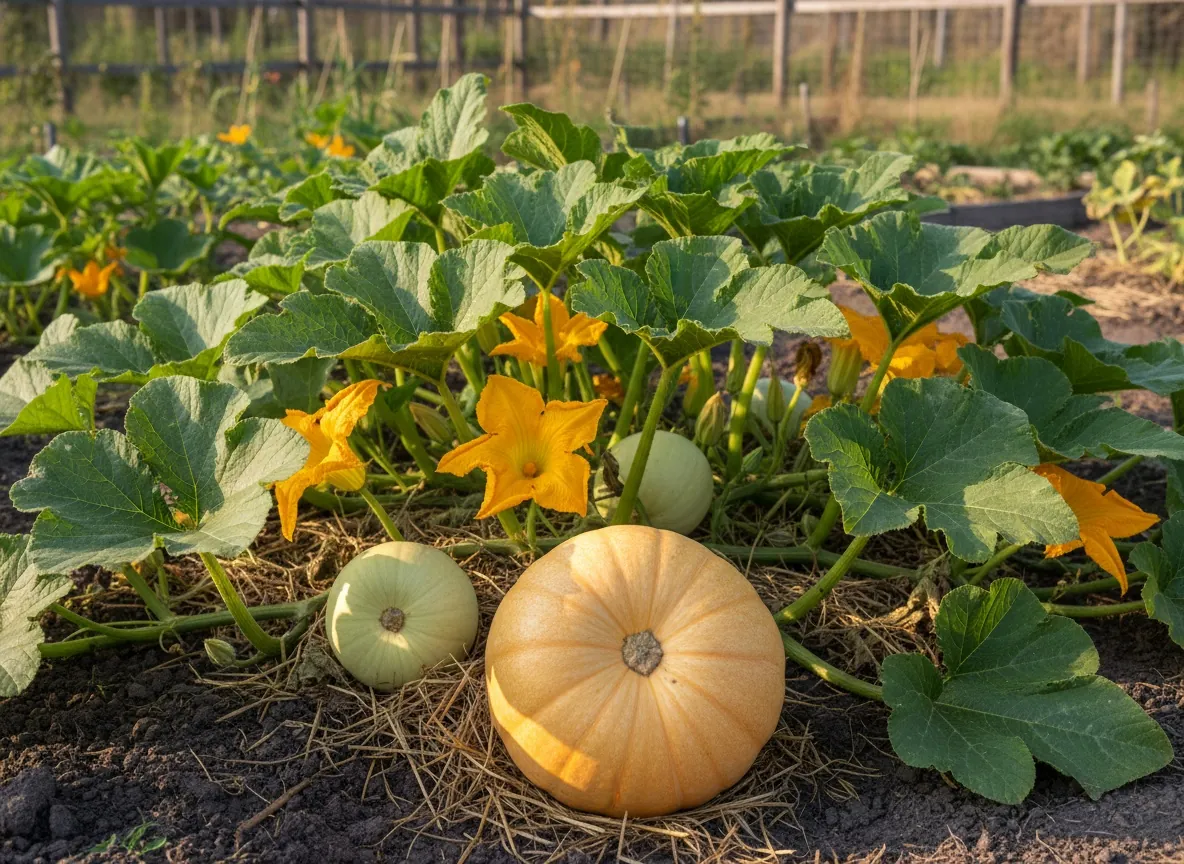
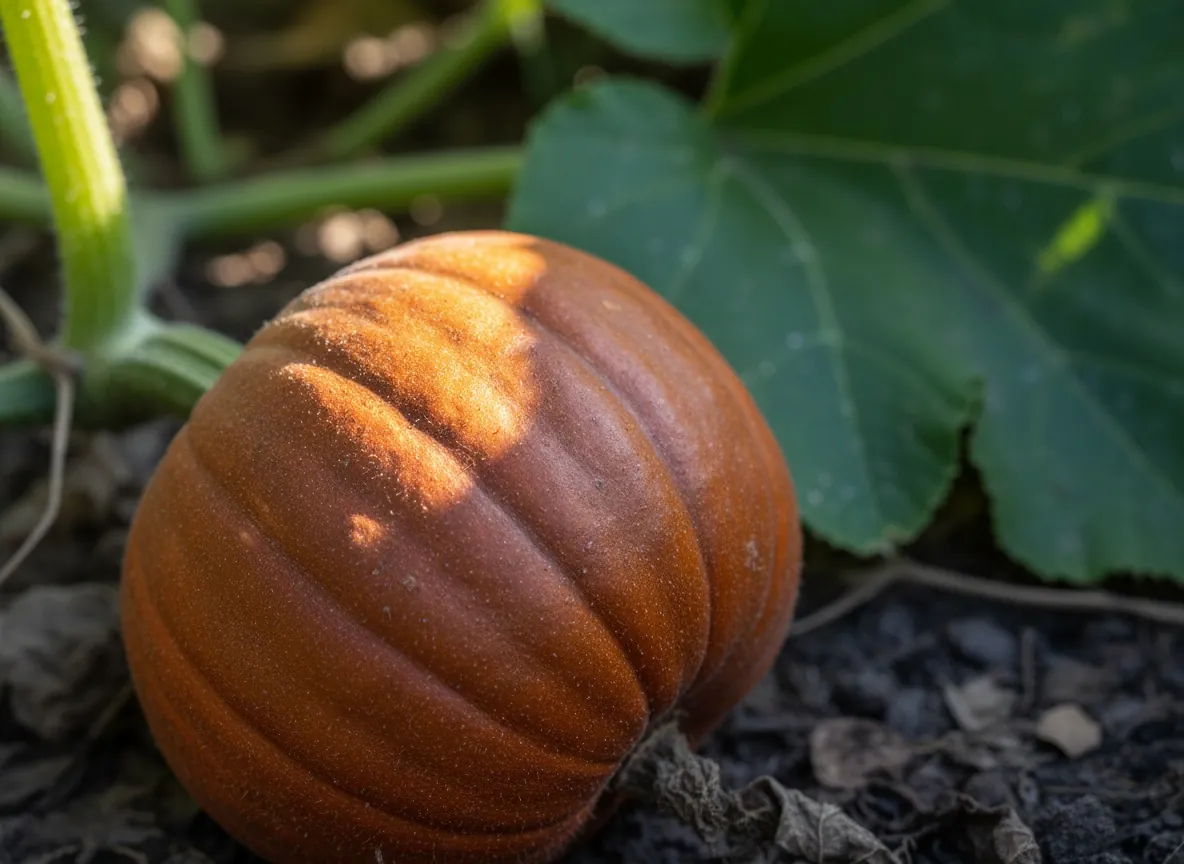
A plant with long, trailing shoots reaching several metres, with large, softly hairy, heart-shaped leaves without deep lobes. The flowers are large, yellow-orange and unisexual — male and female borne separately on one plant, pollinated mainly by bumblebees and honeybees. The fruit is a berry of spherical, often flattened shape, with a soft stalk that is round in cross-section — this is the most reliable feature distinguishing it from the field pumpkin and the courgette, which have a hard and distinctly angular stalk. The flesh is orange, sweet and mealy.
Growing and care
Watering
The enormous mass of leaves transpires a great deal of water — in hot weather it needs abundant watering. Pour water at the root, not on the leaves, as wet blades favour mildew. Temporary wilting of the leaves at midday can be normal and passes by the evening.
Fertilizing
Very greedy — classically it is planted directly on the compost heap or in a hole filled with manure. Once the fruits have set, reduce nitrogen in favour of potassium.
Planting
A warm, sunny and sheltered site with plenty of room — one plant takes up several square metres. Fill the hole with compost or well-rotted manure; the pumpkin does splendidly planted directly on the compost heap.
Pruning
When growing for large fruits, leave 1–2 sets on the plant, remove the rest, and pinch out the main shoot a few leaves beyond the last fruit — all the plant's strength then goes into the chosen pumpkins.
Companion plants
Good companions
An element of the classic three sisters planting — the tall maize provides shelter and support, and the trailing pumpkin shades the soil beneath it.
The third element of the three sisters planting: the bean fixes atmospheric nitrogen, which the very greedy pumpkin makes use of.
A trap plant — it draws aphids onto itself, relieving the pumpkin's leaves.
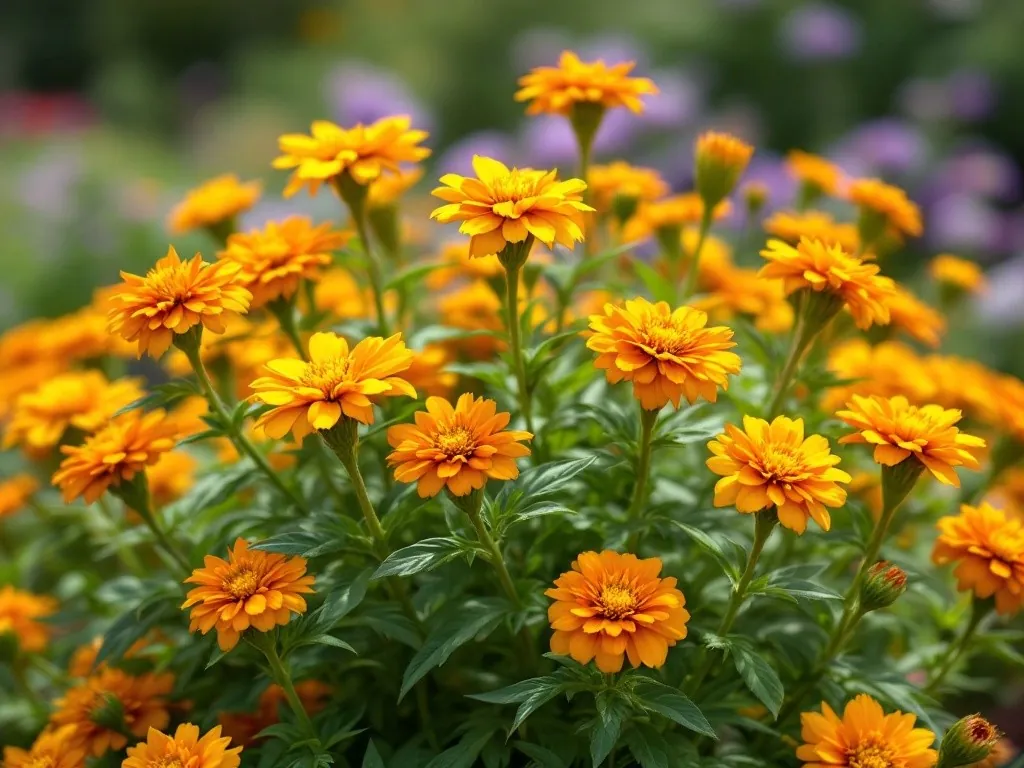
The root exudates of the marigold limit the population of soil nematodes in the pumpkin's root zone.
Bad companions
Both vegetables are very demanding as to nutrients and compete for water and nutrients, and digging up potatoes destroys the shallow roots and spreading shoots of the pumpkin.
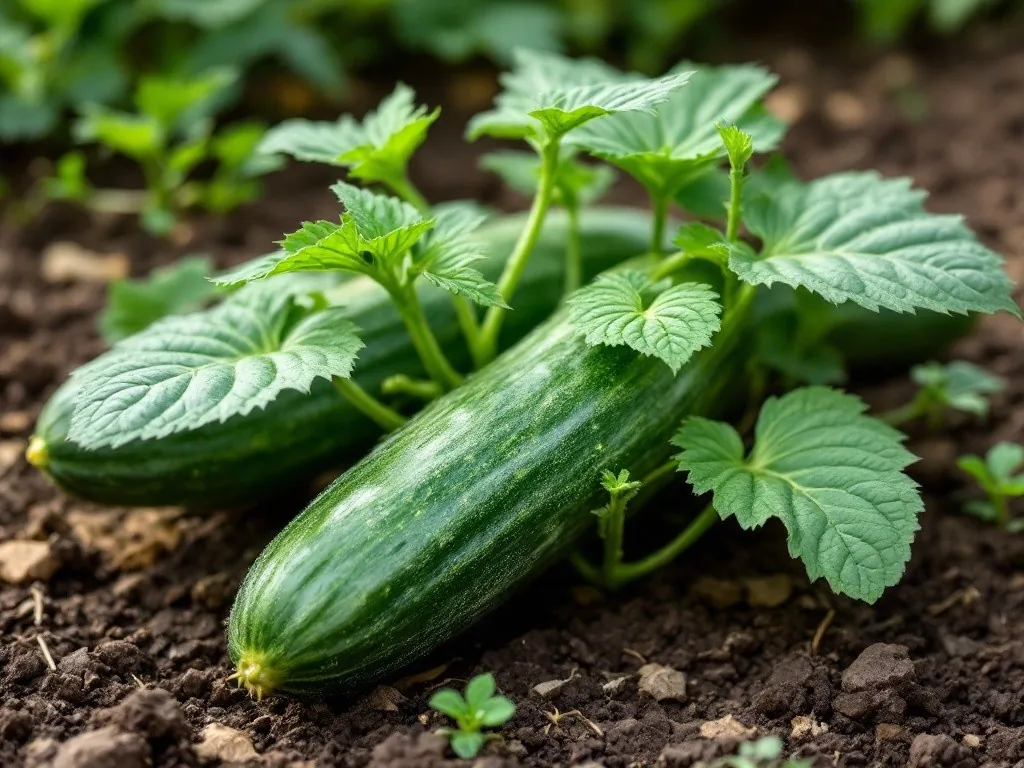
A close relative from the same genus — it shares pests and diseases, above all powdery mildew, which spreads at lightning speed among cucurbits in close proximity.
The pumpkin's shoots, spreading over several metres, simply cover and smother them, cutting off their light.
The evidence level indicates whether the relationship is backed by research, observation, or gardening tradition.
Toxicity
| For whom | Level | Notes |
|---|---|---|
| Humans | None | The flesh and seeds are edible. The exception are ornamental gourds and specimens from seed collected from crosses — they may contain bitter cucurbitacins; always discard distinctly bitter flesh. |
| Dogs | None | Cooked flesh is safe and is sometimes given to dogs. |
| Cats | None | — |
History and origin
The giant pumpkin was domesticated in South America, at the foot of the Andes, over four thousand years ago, and reached Europe after the voyages of Columbus. The division of the American pumpkins into separate species was only sorted out by modern botany — today it is known that Cucurbita maxima, Cucurbita pepo (courgette, field pumpkin, patty pan) and Cucurbita moschata (butternut squash) were domesticated independently of one another, in different regions of the two Americas.
Uses
A vegetable for large gardens and allotments, rewarding also as a display plant for children because of the spectacular rate at which the fruits grow. The flesh is suitable for soups, preserves and roasting, the seeds for toasting. Hard-skinned varieties, harvested with the stalk, keep in a cool and dry place for even several months.
Trivia
- This is the species that produces the largest fruits in the plant world — record pumpkins weigh over 1000 kg, and records fall at competitions almost every year. No other cultivated plant comes close to this result.
- A record specimen puts on as much as 20 kg a day at the peak of the season, which means it grows at a rate visible from one day to the next.
- The popular Hokkaido pumpkin is precisely a variety of the giant pumpkin — despite its small fruits it belongs to the same species as the record holders from the competitions.
Frequently asked questions
How does the giant pumpkin differ from the courgette?
They are two different species: the giant pumpkin is Cucurbita maxima, and the courgette is Cucurbita pepo. The giant pumpkin bears huge, spherical fruits with a soft stalk that is round in cross-section, and it is harvested ripe, in autumn, for storage. The courgette has elongated fruits, a hard, angular stalk, and is harvested unripe, continuously all summer. Since they are different species, planted next to each other they practically do not cross.
How do you grow a really large pumpkin?
Four things are key: a variety intended for large fruits, a very fertile site (best a hole with manure or a compost heap), abundant and regular watering, and limiting the number of fruits. After the fruits set, leave one, at most two of the finest sets on the plant and remove the rest — all the energy produced by the leaves will then go into the chosen fruit.
When to harvest the pumpkin and how to store it?
Harvest before the first frosts, when the skin has hardened enough that it cannot be scratched with a fingernail and the stalk begins to cork over. Cut the fruit with a few centimetres of stalk attached — a pumpkin without a stalk rots from the point where it broke off. After harvest it is worth curing it for a week in a warm, dry place, and then storing it in a dry room at about 10–15°C.
Sources
- Plants of the World Online (POWO)Database (GBIF, POWO…)
- Missouri Botanical Garden — Cucurbita maximaInstitution / botanical garden
My note
A private note for this plant — saved in your browser.