In short
- Very productive – a single plant bears many fruits.
- Needs plenty of space, sun, water and a fertile soil.
- Harvest young fruits regularly – it stimulates further cropping.
- Susceptible to powdery mildew – water at the base, not over the leaves.
- Heat-loving – plant only after the last frosts.
Botanical data
- Family
- Cucurbitaceae (Cucurbitaceae)
- Height
- 0.4–0.9 m
- Width
- 0.8–1.5 m
- Habit
- Clump-forming
- Growth rate
- Fast
- Position
- Full sun
- Soil
- Humus-rich
- pH reaction
- pH 6–7
- Moisture
- Moist
- Bloom
- June–August
- Hardiness
- USDA 9a–11b
- Propagation
- From seed
Characteristics
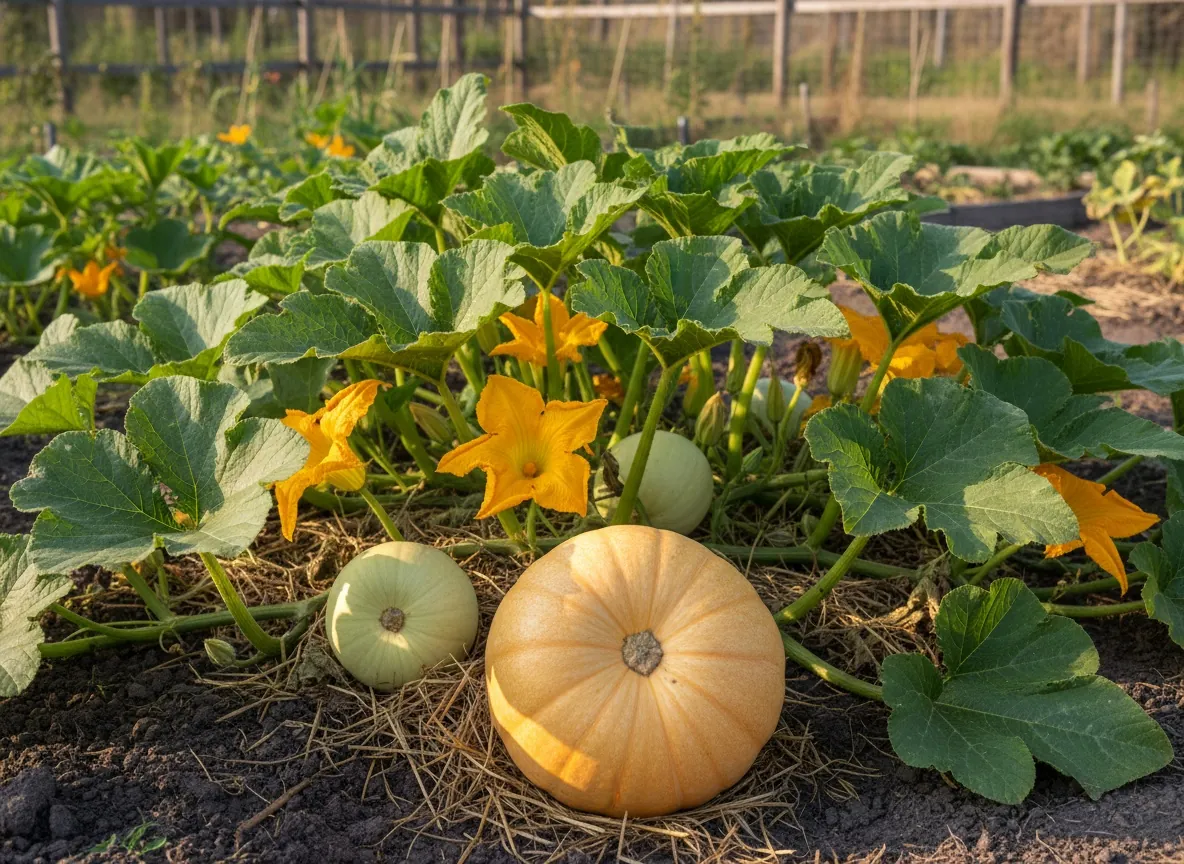
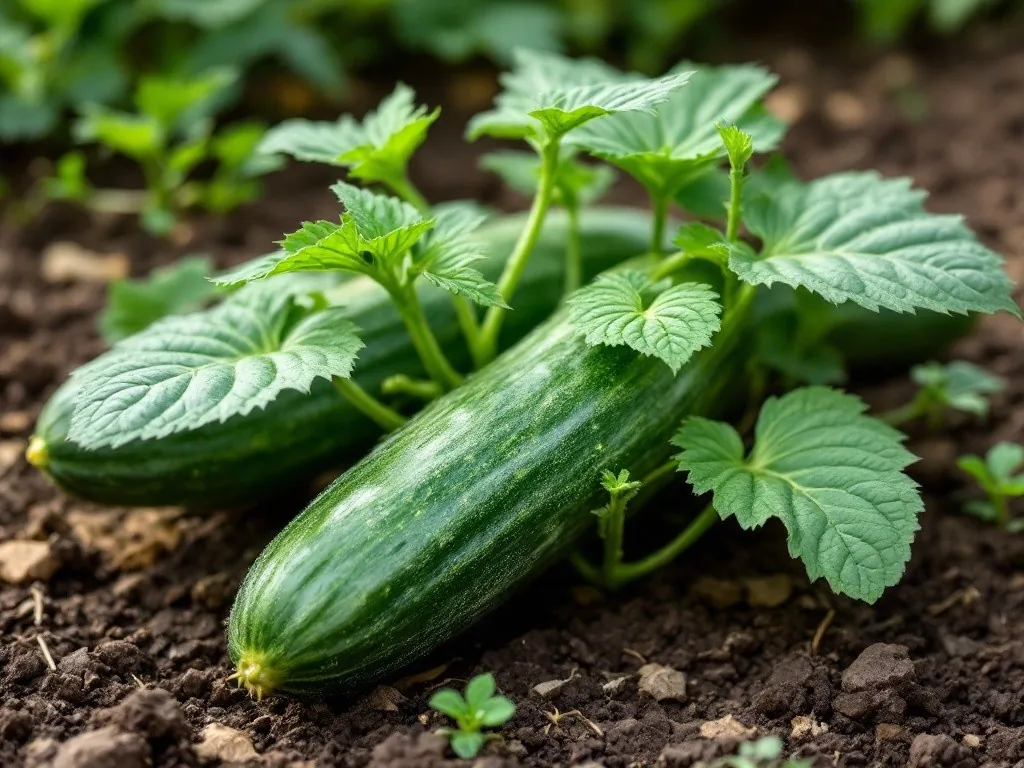
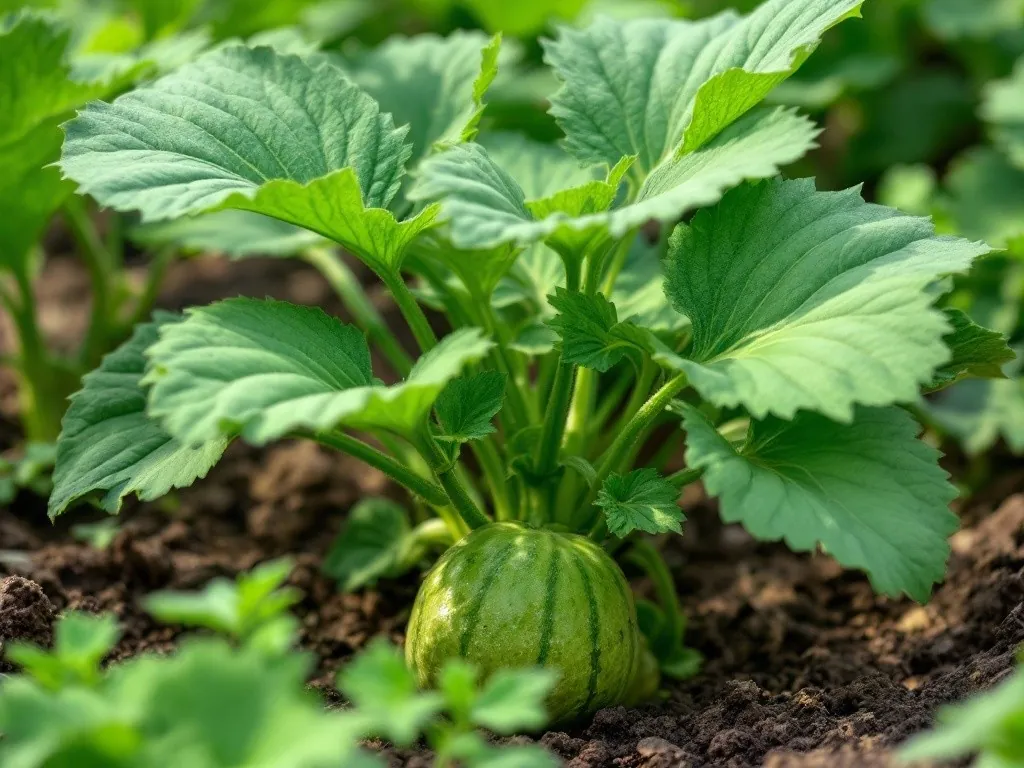
A plant with a bushy habit, large, rough leaves and single, large, yellow (edible) flowers. The fruit is an elongated, cylindrical berry with a thin, green or yellow skin.
Growing and care
Watering
The large leaves transpire heavily – the plant needs abundant, regular watering at the base. Wet leaves encourage powdery mildew.
Fertilizing
A heavy feeder – best planted in a spot enriched with compost or manure from the previous season.
Planting
Very fertile, humus-rich soil, a sunny and airy site; a single plant takes up a lot of room.
Pruning
Remove old, yellowing and diseased leaves to improve airflow at the base of the plant.
Companion plants
Good companions
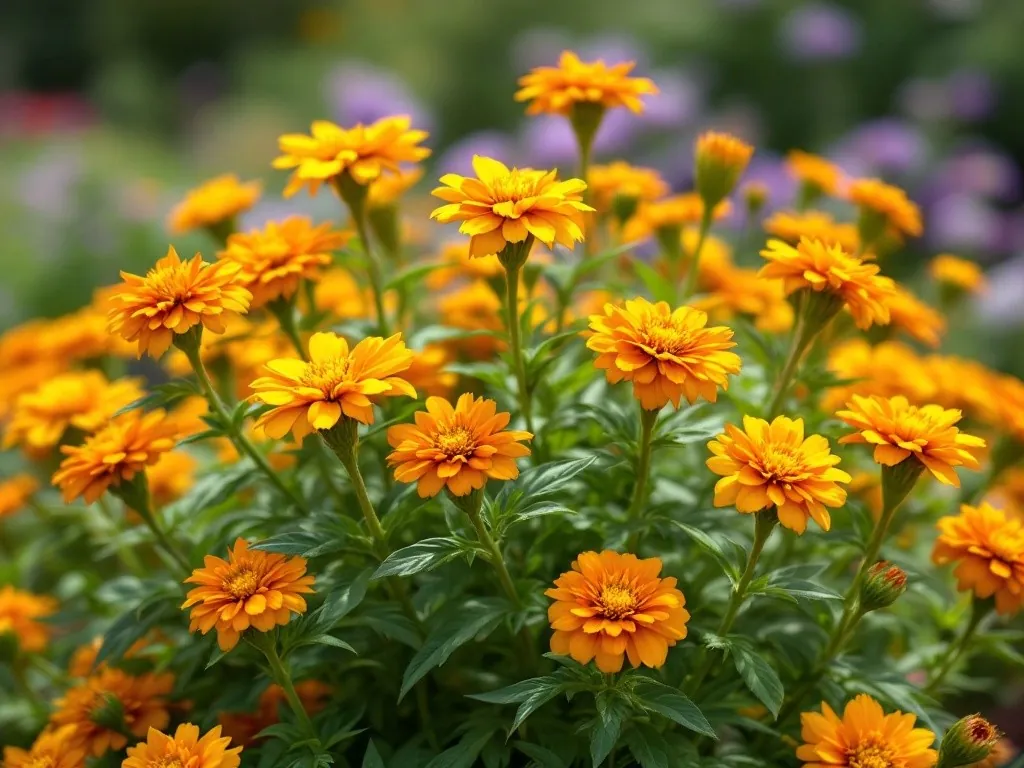
Sunflower and zucchini are part of traditional companion planting; tall sunflowers attract the pollinators the zucchini needs.
Beans fix nitrogen in the soil, which benefits the heavy-feeding zucchini – the classic "three sisters" planting.
Bad companions
Both plants belong to the gourd family and share diseases (mildew) and pests, which increases the risk of infection when grown close together.
The evidence level indicates whether the relationship is backed by research, observation, or gardening tradition.
Diseases and pests
A white, powdery coating on leaves, shoots and buds. The leaves turn yellow, become deformed and drop prematurely.
AphidsSmall (1–3 mm) soft-bodied insects, green, black or pink, feeding in clusters on young shoots and the underside of leaves. They excrete sticky honeydew.
Greenhouse whiteflyTiny (1–2 mm) white insects resembling minuscule moths that rise in a cloud when the plant is disturbed. They feed on the underside of leaves, sucking sap and excreting honeydew. This causes yellowing and weakening. Common on tomatoes, peppers, cucumbers and pelargoniums, especially in polytunnels and greenhouses.
Toxicity
| For whom | Level | Notes |
|---|---|---|
| Humans | None | Very rarely, stressed plants produce bitter cucurbitacins – bitter fruits should not be eaten. |
| Dogs | None | — |
| Cats | None | — |
History and origin
The species Cucurbita pepo was domesticated in Central America thousands of years ago. Zucchini in its present form is a 19th-century Italian selection (from "zucca" – gourd) that spread into cuisines around the world.
Uses
For the vegetable garden in a fertile, sunny spot. The fruits are eaten boiled, grilled and preserved; the flowers as a vegetable.
Trivia
- Zucchini flowers are edible and considered a delicacy, especially stuffed or fried in batter.
- Zucchini is harvested as an immature fruit – left on the plant, it grows to the size of a large marrow.
Frequently asked questions
Why do zucchini fruitlets turn yellow and rot?
The most common cause is a lack of pollination – without it the fruitlet turns yellow and drops. It helps to attract pollinating insects or to hand-pollinate the flowers with a brush in the morning.
How often should I harvest zucchini?
Regularly, when the fruits are 15–20 cm long – ideally every 2–3 days. Oversized fruits left on the plant inhibit the set of new ones and weaken the plant.
Can zucchini be bitter and poisonous?
Very rarely, severely stressed plants produce bitter cucurbitacins. Bitter zucchini should not be eaten – bitterness is a sign that these compounds are present.
Sources
- Plants of the World Online (POWO)Database (GBIF, POWO…)
- RHS — CourgettesInstitution / botanical garden
My note
A private note for this plant — saved in your browser.