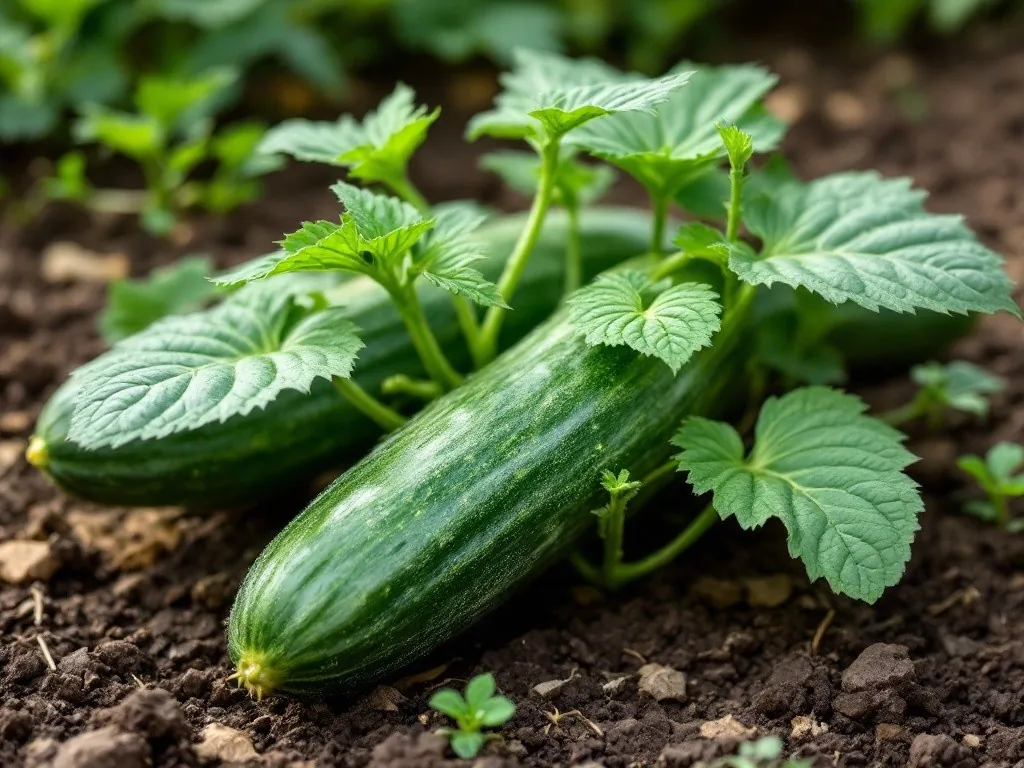
In short
- Warmth-loving — plant out only after the last frosts.
- Requires plenty of water and fertile soil.
- Irregular watering and cold water produce bitter fruits.
- Grow slicing varieties on supports; field varieties trail along the ground.
- Susceptible to powdery mildew — avoid wetting the leaves.
Botanical data
- Family
- Cucurbitaceae (Cucurbitaceae)
- Height
- 0.3–2 m
- Width
- 0.4–1 m
- Habit
- Creeping
- Growth rate
- Fast
- Position
- Full sun
- Soil
- Humus-rich
- pH reaction
- pH 6–7
- Moisture
- Moist
- Bloom
- June–August
- Hardiness
- USDA 10a–11b
- Propagation
- From seed
Characteristics
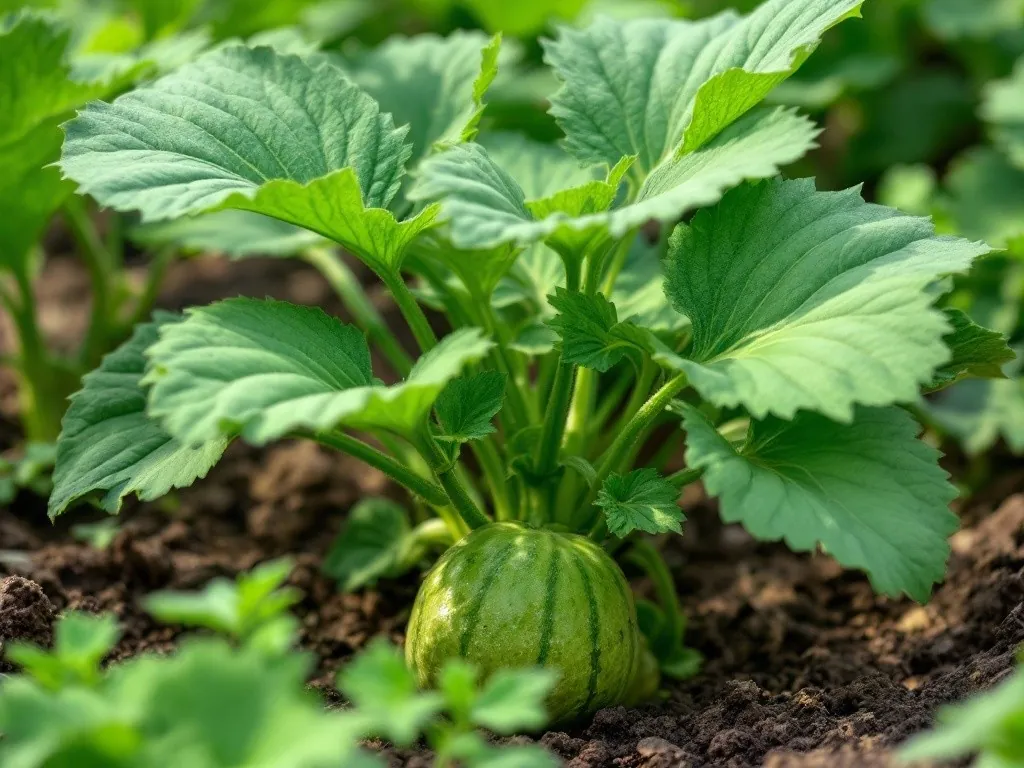
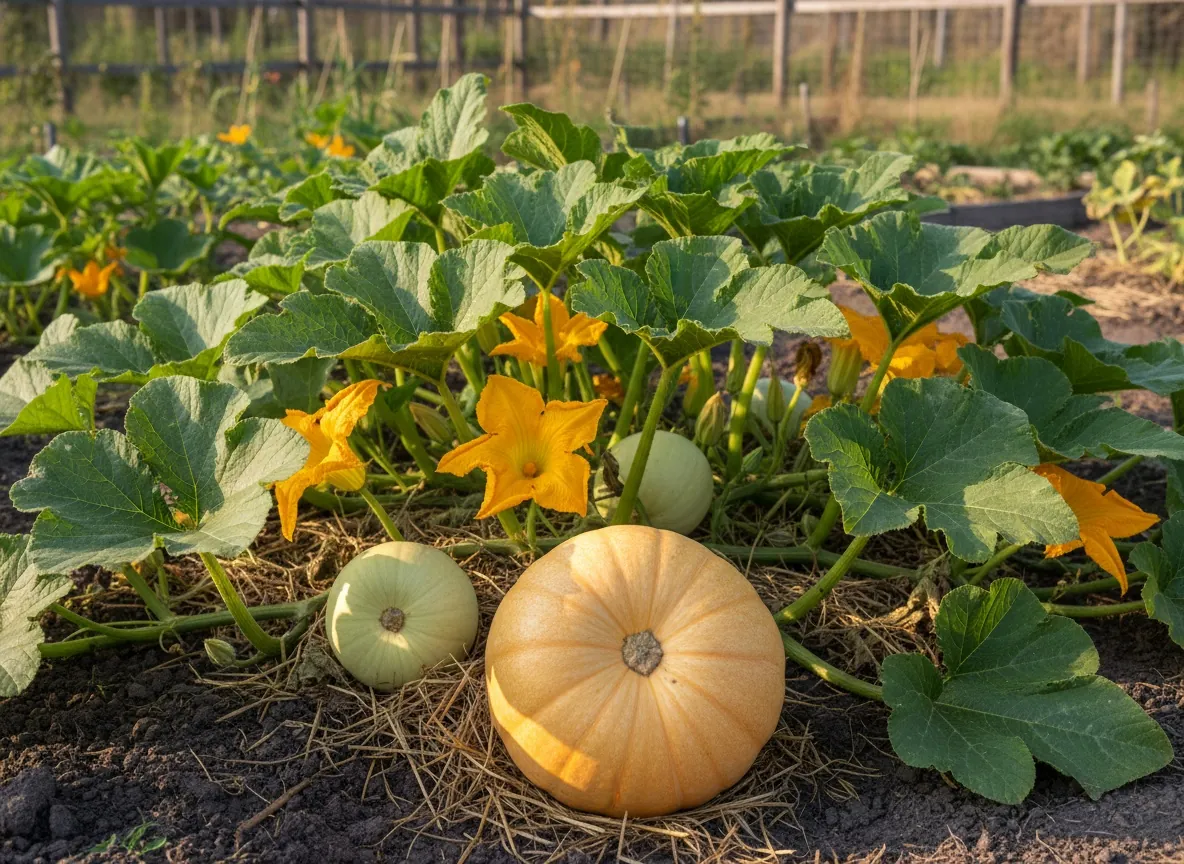
An annual plant with rough, trailing or climbing shoots bearing tendrils and large, lobed leaves. The flowers are yellow and unisexual. The fruit is an elongated, watery berry with a green skin.
Growing and care
Watering
Requires plenty of water and constant moisture — the fruits are 95% water. Water with lukewarm water at the base; cold water and irregular watering produce bitter fruits.
Fertilizing
The cucumber is a heavy feeder — it needs fertile soil and regular feeding.
Planting
Very fertile, humus-rich, warm soil; field cucumbers trail along the ground, while slicing varieties are best grown on supports.
Pruning
In climbing varieties, remove side shoots and tendrils according to the recommendations for the given variety.
Companion plants
Good companions
The tall stems of the sunflower can serve as a natural support for climbing cucumbers.
Dill attracts beneficial insects and is traditionally regarded as improving the flavour of cucumbers in cultivation.
Bad companions
Competes for water and nutrients and increases the risk of transmitting fungal diseases to the sensitive cucumbers.
The evidence level indicates whether the relationship is backed by research, observation, or gardening tradition.
Diseases and pests
A white, powdery coating on leaves, shoots and buds. The leaves turn yellow, become deformed and drop prematurely.
Downy mildewYellow or angular (vein-bounded) spots on the upper leaf surface, matched underneath by a grey-violet or brown coating of spores. It differs from powdery mildew, whose white coating sits on the upper surface. It develops in humidity and cool nights and is dangerous to cucumbers, onions and grapevines.
AphidsSmall (1–3 mm) soft-bodied insects, green, black or pink, feeding in clusters on young shoots and the underside of leaves. They excrete sticky honeydew.
Spider mitesTiny (0.3–0.5 mm) arachnids, hard to spot with the naked eye, feeding on the underside of leaves. Symptoms: fine, pale speckling (feeding punctures); over time the leaves turn grey, yellow and dry out. Under heavy infestation a fine webbing becomes visible. Warm, dry air favours their development — a common problem for houseplants in winter near radiators.
Toxicity
| For whom | Level | Notes |
|---|---|---|
| Humans | None | — |
| Dogs | None | — |
| Cats | None | — |
History and origin
The cucumber was domesticated in India over three thousand years ago. It spread through ancient Greece and Rome across Europe, becoming one of the staple garden vegetables.
Uses
For growing in the ground, in polytunnels and greenhouses, with balcony varieties also in large containers. The fruits are eaten raw, fermented and pickled.
Trivia
- The cucumber fruit is about 95% water.
- Botanically the cucumber is a berry, even though it is treated as a vegetable in the kitchen.
Frequently asked questions
Why are cucumbers bitter?
Bitterness (cucurbitacins) intensifies when the plant is stressed: irregular watering, drying out, large temperature swings and watering with cold water. The key is even moisture and warm water.
Why do cucumber flowers drop without setting fruit?
The first flowers are often male flowers, which fall off naturally. Fruits set from female flowers (with a tiny fruit at the base). A lack of pollinators or excessive heat also limit fruit set.
How much should I water cucumbers?
Plenty and regularly — even daily in hot weather, with lukewarm water at the base. The fruits consist overwhelmingly of water, so any shortage immediately affects yield and flavour.
Sources
- Plants of the World Online (POWO)Database (GBIF, POWO…)
- RHS — CucumberInstitution / botanical garden
My note
A private note for this plant — saved in your browser.