In short
- Position: sun to light shade, acidic, fertile and well-drained soil.
- Very frost-hardy, but sensitive to drought and waterlogging at the roots.
- Grows up to 50 m tall — dwarf cultivars are better for small gardens.
- Its shallow root system makes it prone to windthrow in strong wind.
- The classic Christmas tree in Poland and many countries of Europe.
Botanical data
- Family
- Pinaceae (Pinaceae)
- Height
- 20–50 m
- Width
- 4–8 m
- Habit
- Conical
- Growth rate
- Moderate
- Position
- Full sun, Partial shade
- Soil
- Humus-rich, Loamy
- pH reaction
- pH 4.5–6.5
- Moisture
- Moderate, Moist
- Bloom
- April–May
- Hardiness
- USDA 3a–7a
- Propagation
- From seed, From cuttings
Characteristics
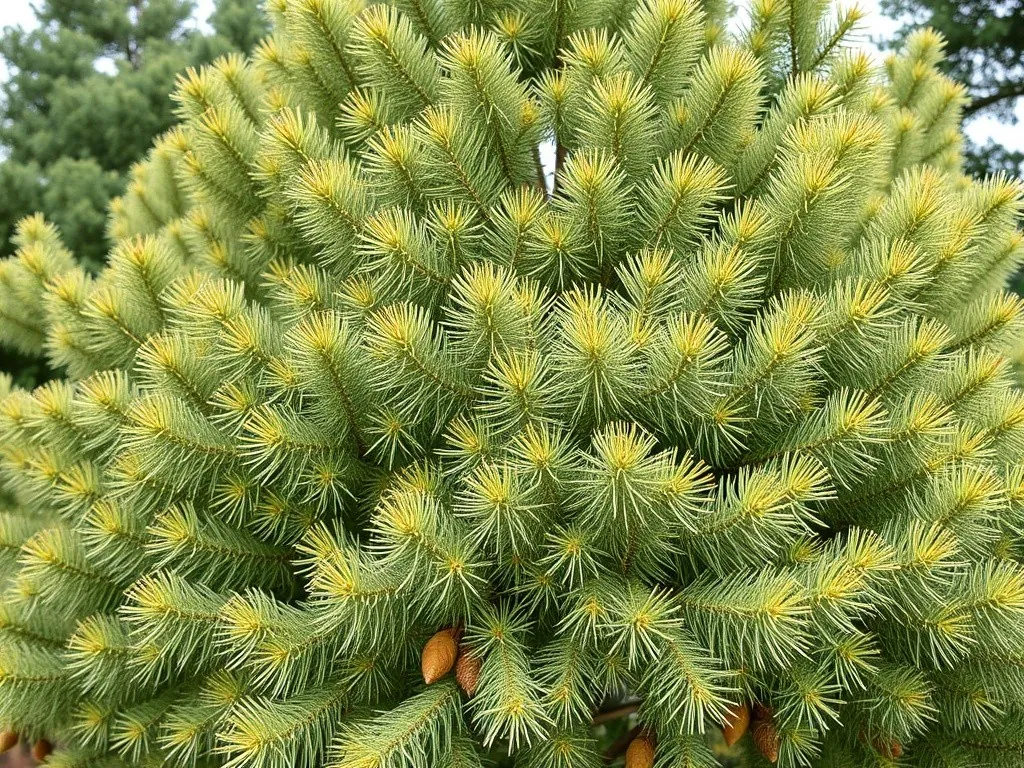
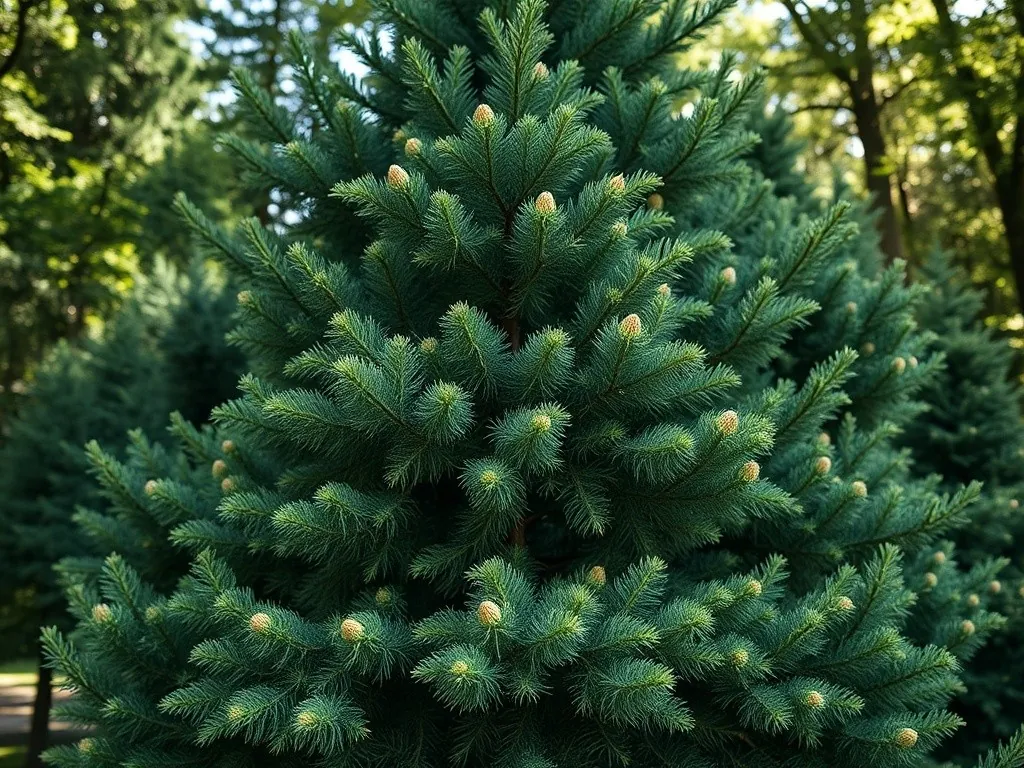
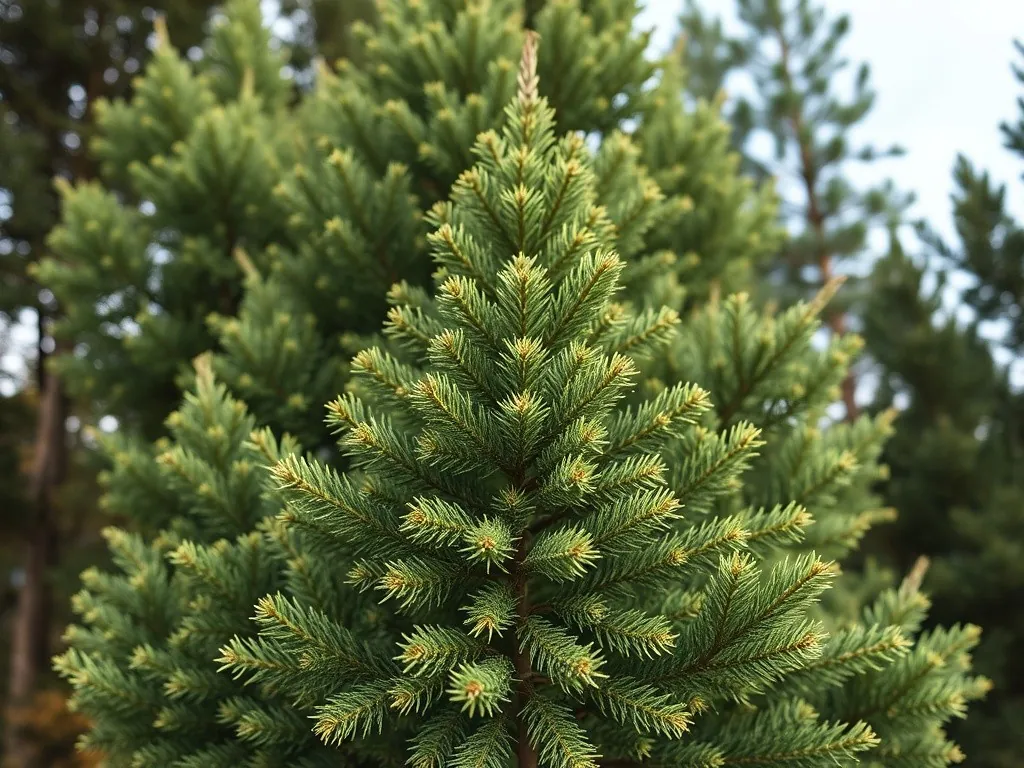
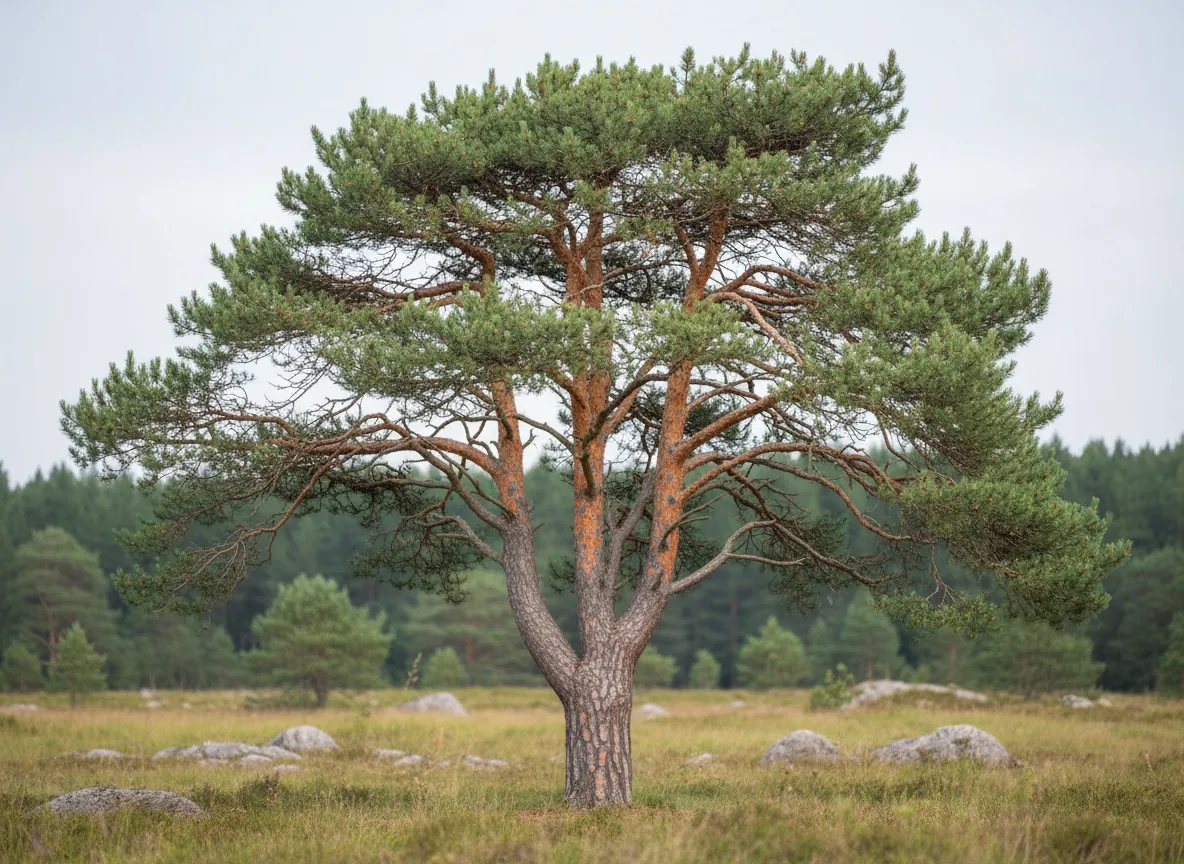
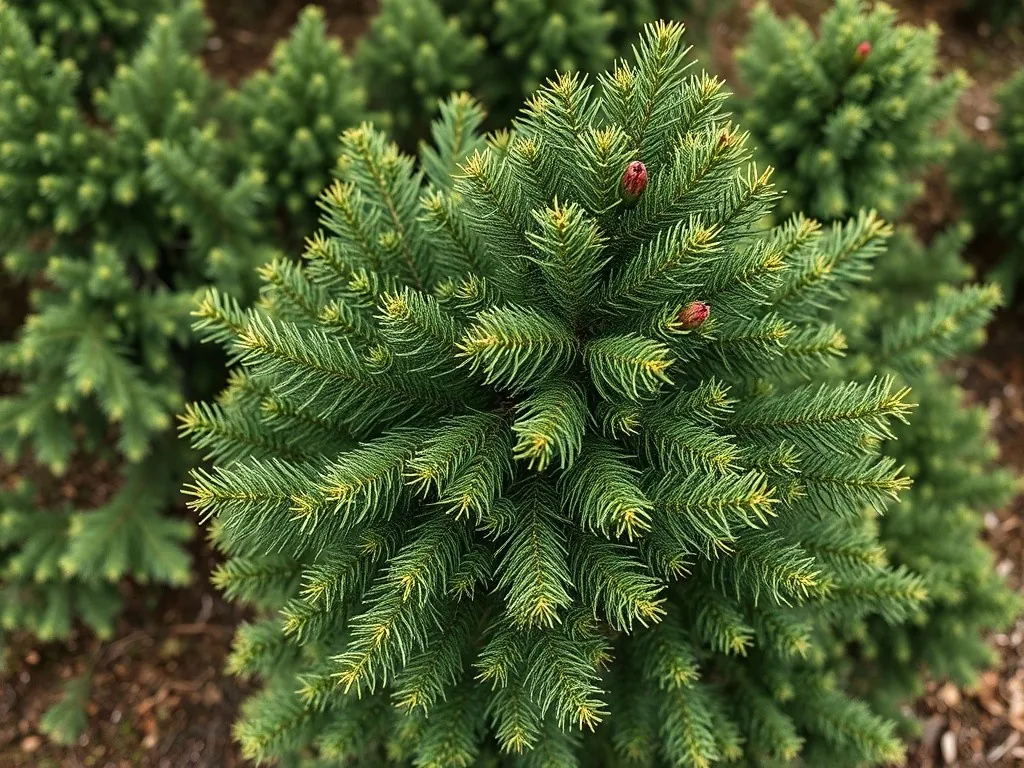
It forms a regular, conical crown with dense branching reaching almost to the ground in free-standing specimens. The needles are short, stiff, sharply pointed and arranged all around the shoot. The hanging, fairly large cones (10–15 cm) ripen in the autumn of the first year and fall whole, unlike those of firs.
Growing and care
Watering
Water young trees regularly in dry summers, especially in the first seasons after planting. Mature specimens in the ground usually do not require watering.
Fertilizing
Moderately — an excess of nitrogen weakens the lignification of the shoots before winter.
Planting
Fertile, well-drained and slightly acidic soil; avoid waterlogged and strongly calcareous sites.
Pruning
Limit yourself to removing dry and damaged branches; shape hedges lightly, once a year.
Companion plants
Good companions
Both coniferous species prefer a similar, acidic and well-drained soil and a similar position.
The rhododendron likes acidic soil and the light shade cast by the spruce crown — a classic combination in gardens.
Bad companions
Lavender requires alkaline, dry soil and full sun — the opposite of the conditions under a spruce.
The falling, acidic spruce needles gradually acidify the soil, which harms calcicole species.
The evidence level indicates whether the relationship is backed by research, observation, or gardening tradition.
Toxicity
| For whom | Level | Notes |
|---|---|---|
| Humans | None | — |
| Dogs | None | — |
History and origin
A natural component of the boreal and mountain forests of Europe, for centuries a fundamental species of forestry — it provides construction, paper and resonance wood for musical instruments. The custom of decorating a spruce or fir at Christmas spread through Central Europe in the 19th century and continues to this day.
Uses
A fundamental species of commercial and protective forests, a park and garden tree (dwarf cultivars for smaller gardens), formal hedges, and in December the most popular Christmas tree.
Trivia
- The Norway spruce is the most popular species sold in Poland as a live Christmas tree.
- Aphids feeding on the spruce bark secrete honeydew, from which bees produce the prized spruce honeydew honey.
- Some specimens of Norway spruce in Scandinavia, thanks to clonal regrowth from the root system, are considered among the oldest living trees in the world.
Frequently asked questions
Is the Norway spruce suitable for a small home garden?
The typical form grows to several dozen metres, so for small gardens it is better to choose dwarf or globe cultivars (e.g. 'Nidiformis', 'Little Gem') rather than the species form.
Why is my spruce turning brown and losing needles?
The most common causes are drought, overly alkaline soil, waterlogging at the roots or fungal diseases. The spruce tolerates dry, hot summers and compacted, calcareous substrates poorly.
How long can a Norway spruce live?
Under natural forest and mountain conditions, the Norway spruce lives 300–400 years, and individual documented specimens considerably longer.
Sources
- Plants of the World Online (POWO) — Picea abiesDatabase (GBIF, POWO…)
- GBIF — Global Biodiversity Information FacilityDatabase (GBIF, POWO…)
My note
A private note for this plant — saved in your browser.