In short
- Position: sun to light shade, fertile, well-drained and slightly acidic soil.
- The most popular Christmas tree species in Europe — it retains its needles for a long time after being cut.
- Soft, non-prickly needles with a citrus scent when crushed.
- The cones grow upright and disintegrate on the tree rather than falling whole.
- A large tree — dwarf cultivars are better suited to home gardens.
Botanical data
- Family
- Pinaceae (Pinaceae)
- Height
- 25–45 m
- Width
- 6–10 m
- Habit
- Conical
- Growth rate
- Moderate
- Position
- Full sun, Partial shade
- Soil
- Humus-rich, Loamy
- pH reaction
- pH 5–6.5
- Moisture
- Moderate, Moist
- Bloom
- May–June
- Hardiness
- USDA 4b–6b
- Propagation
- From seed, From cuttings
Characteristics
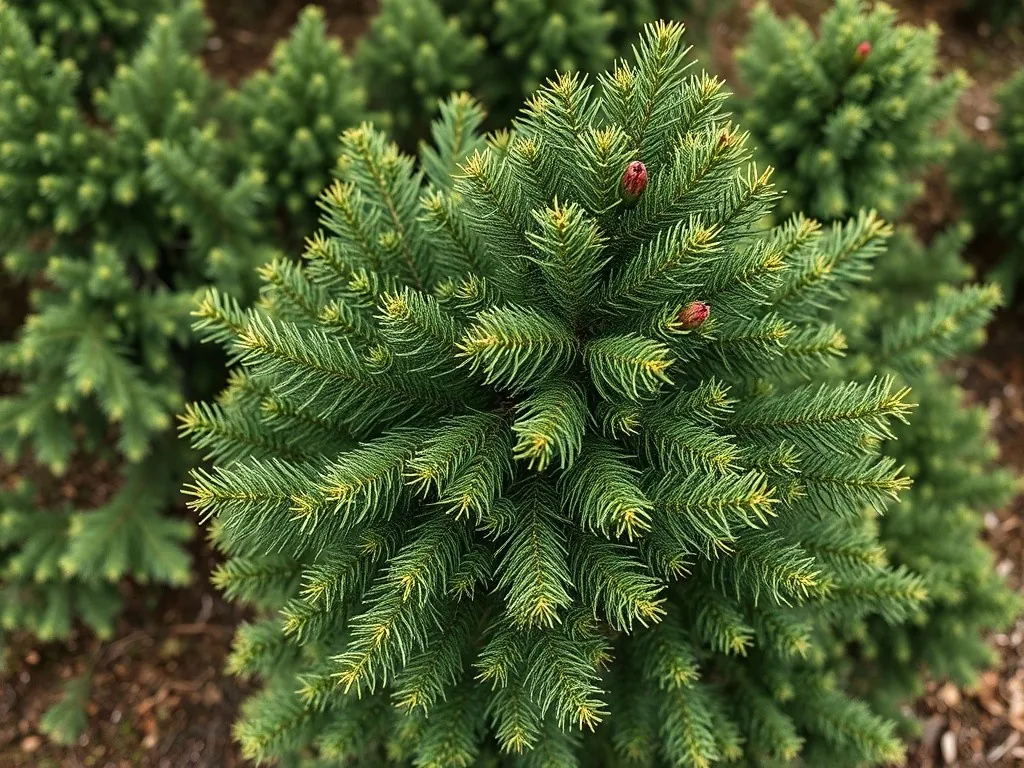
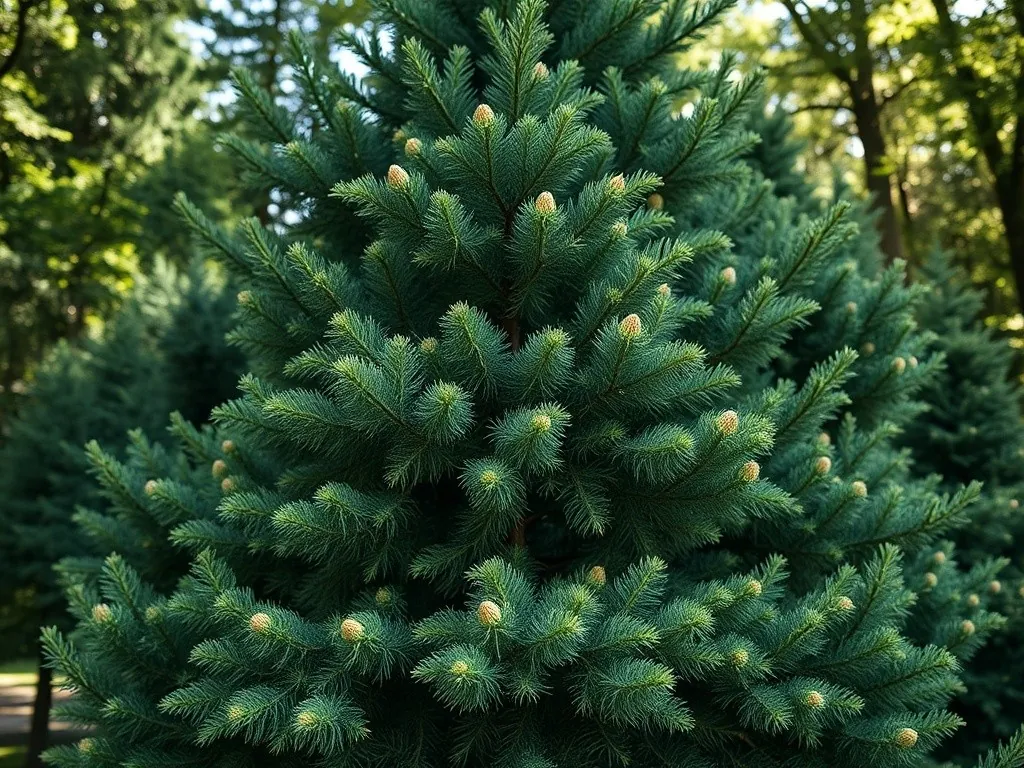
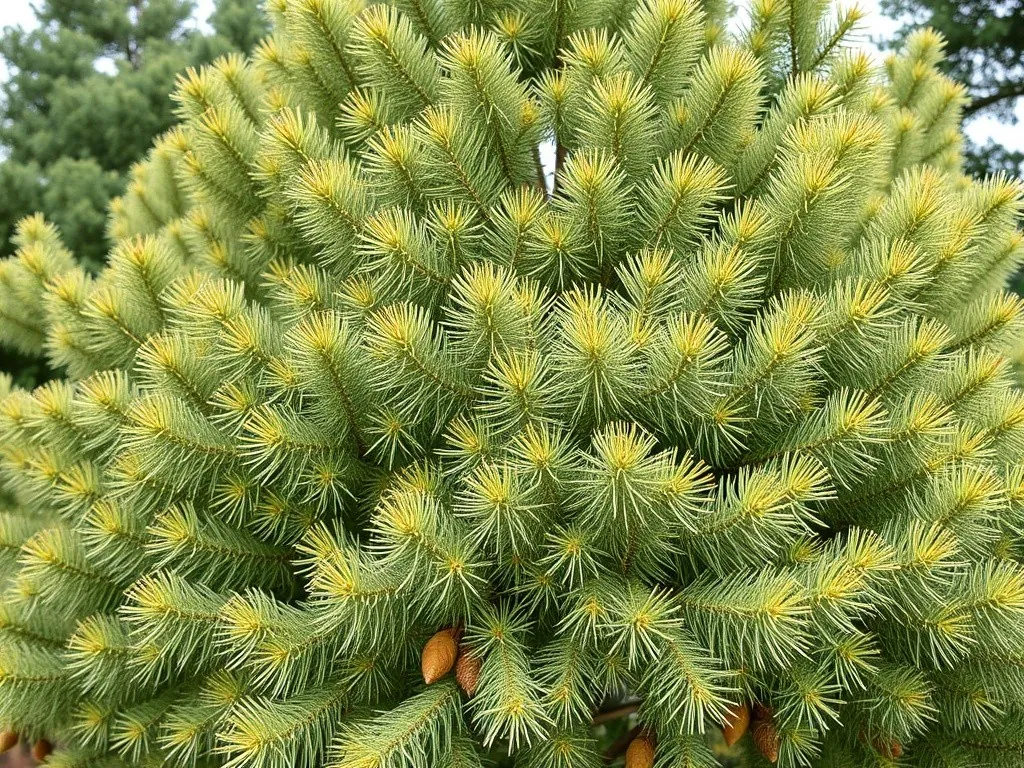
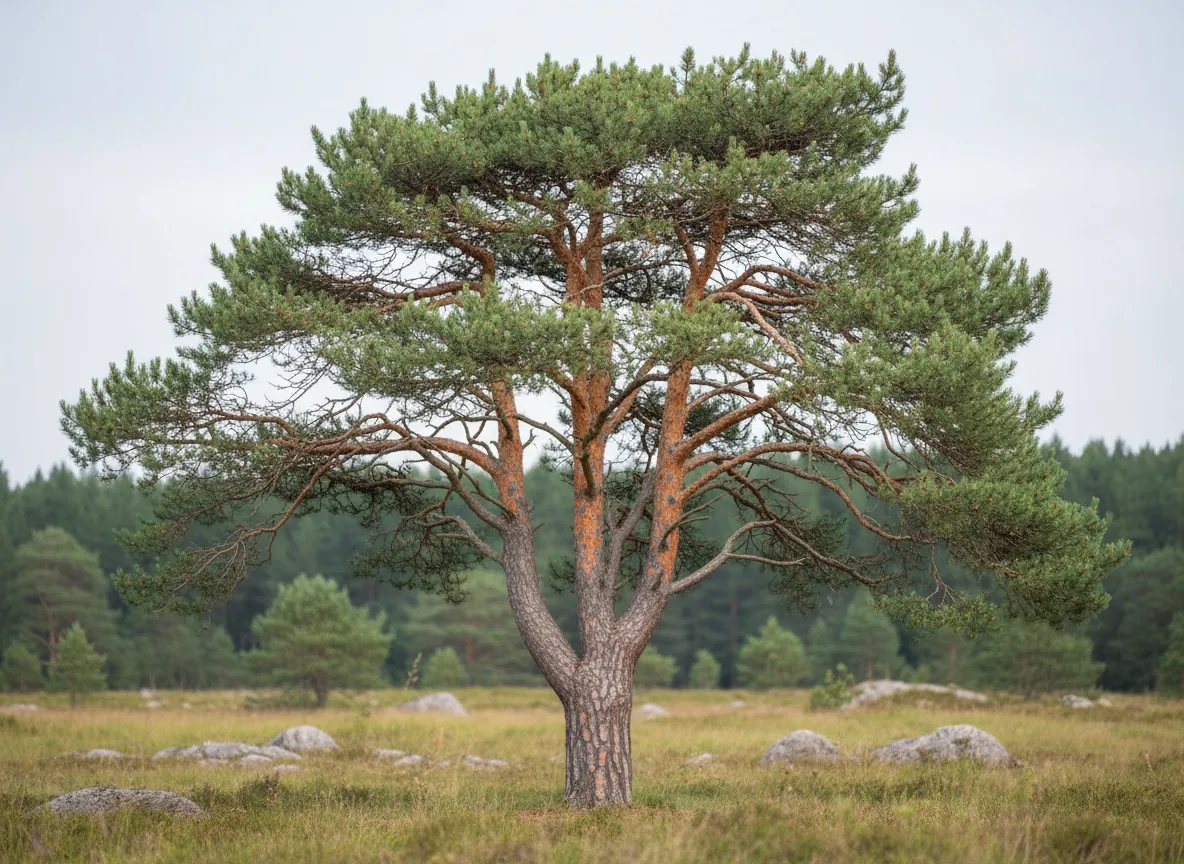
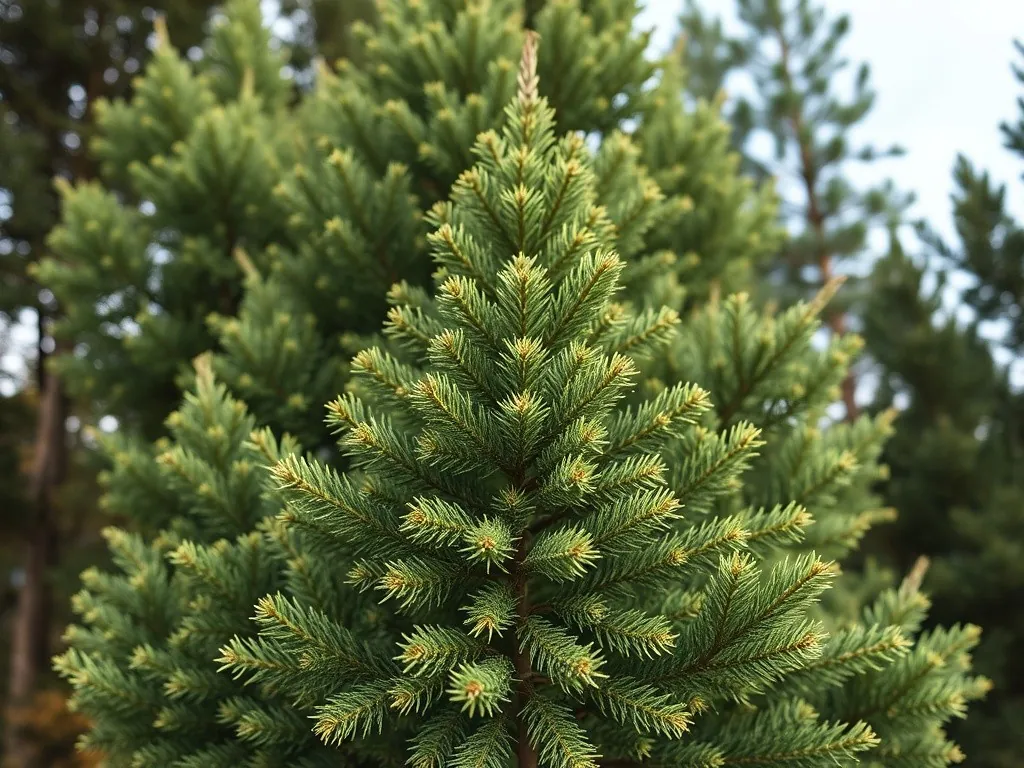
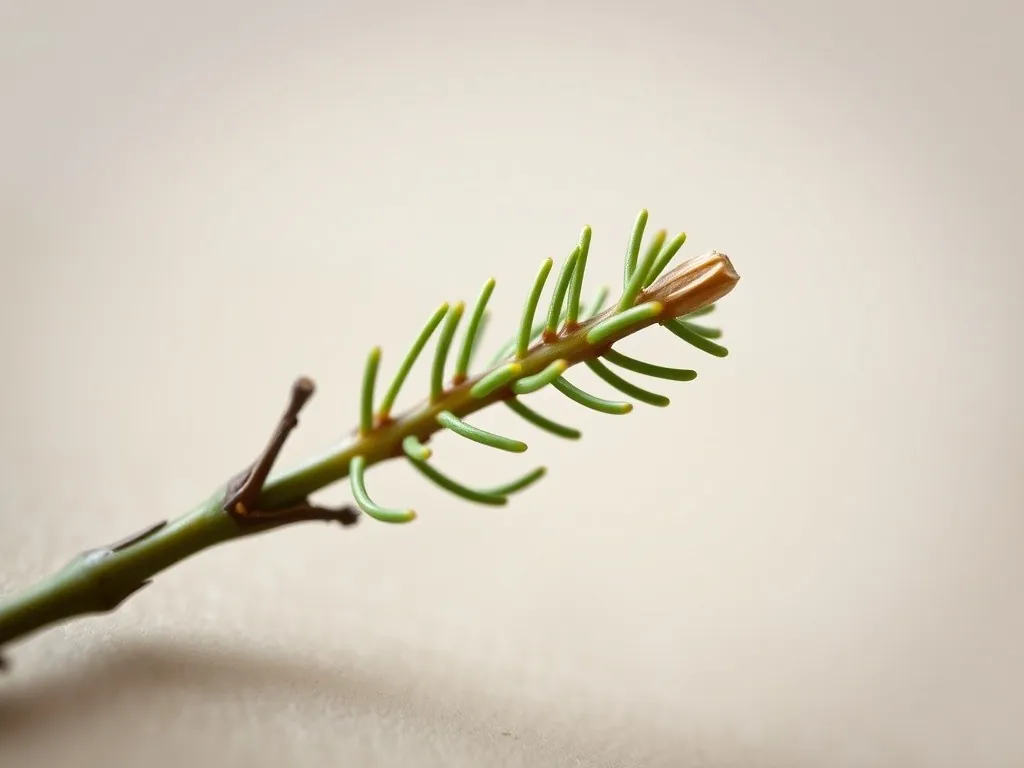
It forms a regular, dense, conical crown with dark green, glossy needles arranged in a comb-like pattern along the shoot, with two whitish stomatal bands on the underside. The upright cones, unlike those of spruce, break apart into their scales while still on the tree.
Growing and care
Watering
Young trees need regular watering in dry summers. Mature specimens in the ground are more resilient but tolerate prolonged drought and waterlogging poorly.
Fertilizing
Moderate — excess nitrogen weakens the lignification of shoots before winter.
Planting
Deep, fertile and well-drained soil, slightly acidic to neutral; avoid dry, windswept sites and frost pockets.
Pruning
Limit pruning to removing dry and damaged branches.
Companion plants
Good companions
Similar site and soil requirements — both are mountain conifers that favour fertile, slightly acidic soil.
Rhododendron likes acidic soil and a sheltered, partly shaded site beneath the fir's crown.
Bad companions
Lavender needs dry, alkaline soil in full sun — conditions opposite to those preferred by the fir.
The evidence level indicates whether the relationship is backed by research, observation, or gardening tradition.
Toxicity
| For whom | Level | Notes |
|---|---|---|
| Humans | None | — |
| Dogs | None | — |
History and origin
It was discovered in the mountains of the Caucasus in the early 19th century by the Finnish-Baltic botanist Alexander von Nordmann, after whom the species name is derived. Since the second half of the 20th century it has been grown on a massive scale on Christmas tree plantations in Denmark, Germany and other Western European countries.
Uses
A park, forest and garden tree (dwarf cultivars for smaller spaces), and above all the main species grown on Christmas tree plantations sold for the holiday season.
Trivia
- The Nordmann fir is the most frequently chosen living Christmas tree in Western Europe and is becoming increasingly popular in Poland too — thanks to its soft needles and the fact that it does not shed as quickly as spruce.
- A single tree in its natural range in the Caucasus can live for several hundred years and reach over 60 metres in height.
Frequently asked questions
Why is the Nordmann fir so popular as a Christmas tree?
It has soft, non-prickly needles with a pleasant scent that stay on the branches much longer after cutting than in other species, so the tree looks fresh for longer in the warmth of a home.
Is the Nordmann fir suitable for an average home garden?
The species form grows to several dozen metres tall, so for small plots it is better to choose dwarf cultivars. In large gardens and parks, the natural form works well as a striking specimen tree.
What soil does the Nordmann fir need?
It prefers fertile, well-drained, slightly acidic to neutral soil with consistent moisture. It does not tolerate prolonged drought or waterlogging at the roots.
Sources
- Plants of the World Online (POWO) — Abies nordmannianaDatabase (GBIF, POWO…)
- RHS — Abies nordmannianaInstitution / botanical garden
My note
A private note for this plant — saved in your browser.