In short
- The only conifer native to Poland that sheds its needles in autumn — the needles turn golden before they fall.
- It needs full sun — it tolerates even light shade poorly.
- Very frost-hardy, with a high growth rate when young.
- The wood is exceptionally durable and resistant to moisture, prized in construction.
- The cones are small, upright and remain on the tree after ripening.
Botanical data
- Family
- Pinaceae (Pinaceae)
- Height
- 25–45 m
- Width
- 6–10 m
- Habit
- Conical
- Growth rate
- Fast
- Position
- Full sun
- Soil
- Loamy, Humus-rich, Sandy
- pH reaction
- pH 5–7
- Moisture
- Moderate
- Bloom
- April–May
- Hardiness
- USDA 3a–6b
- Propagation
- From seed, From cuttings
Characteristics
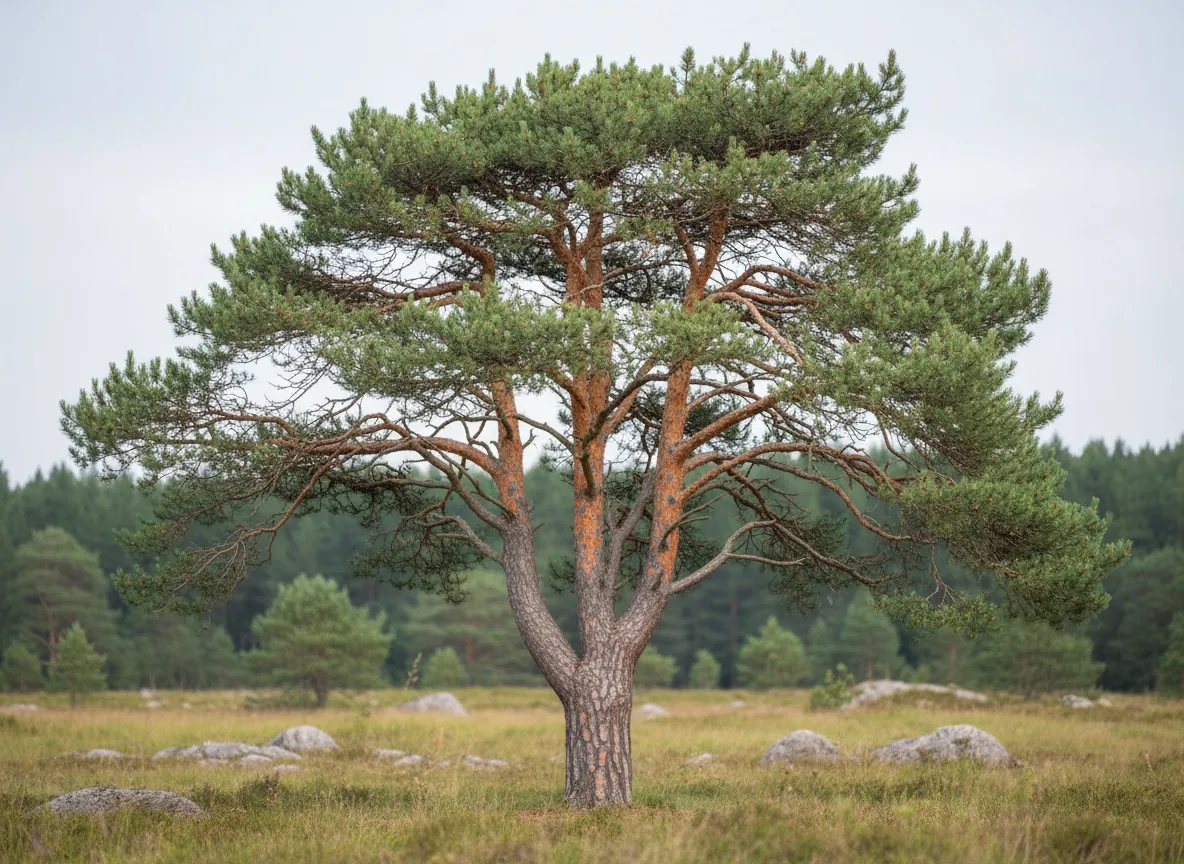
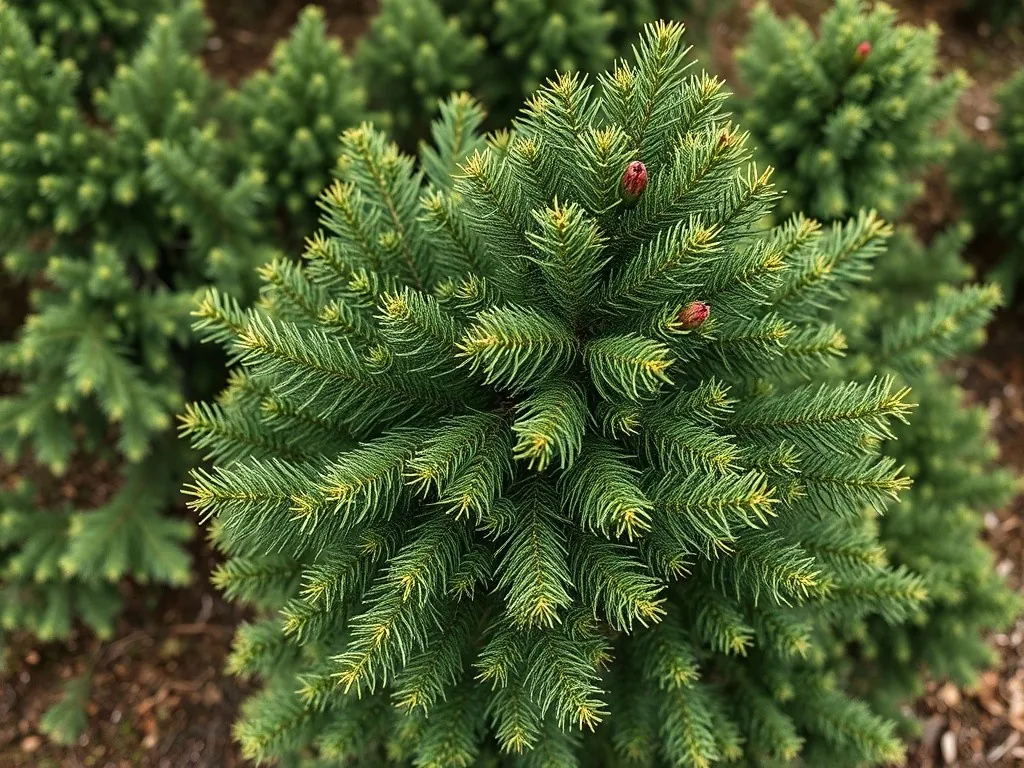
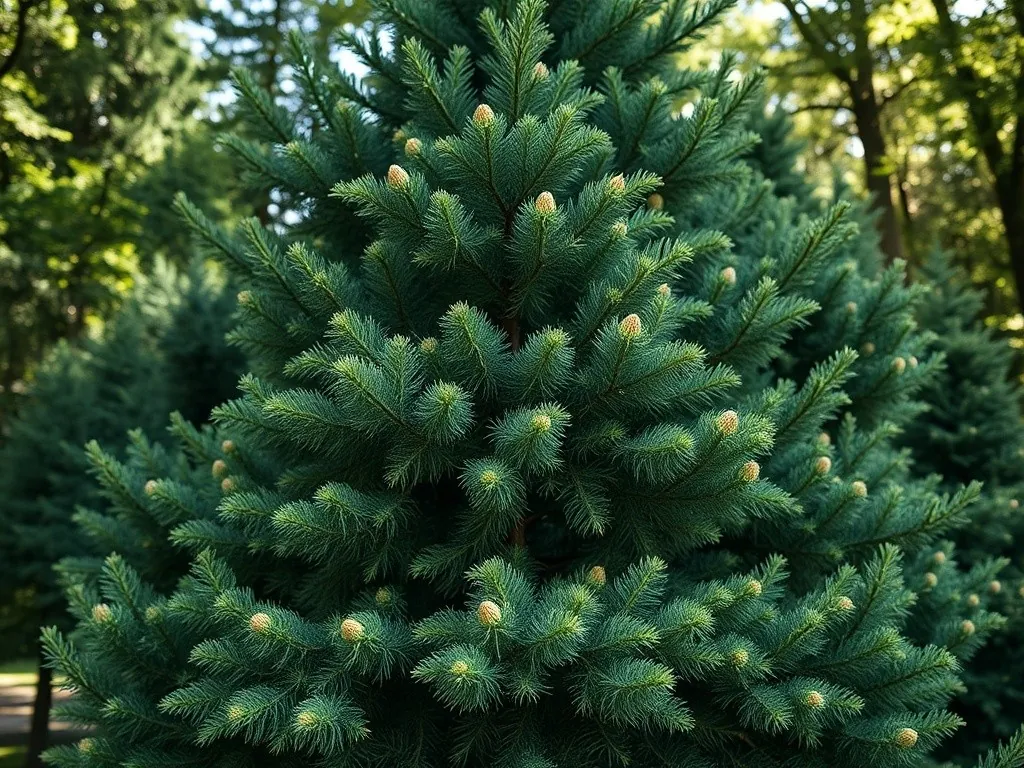
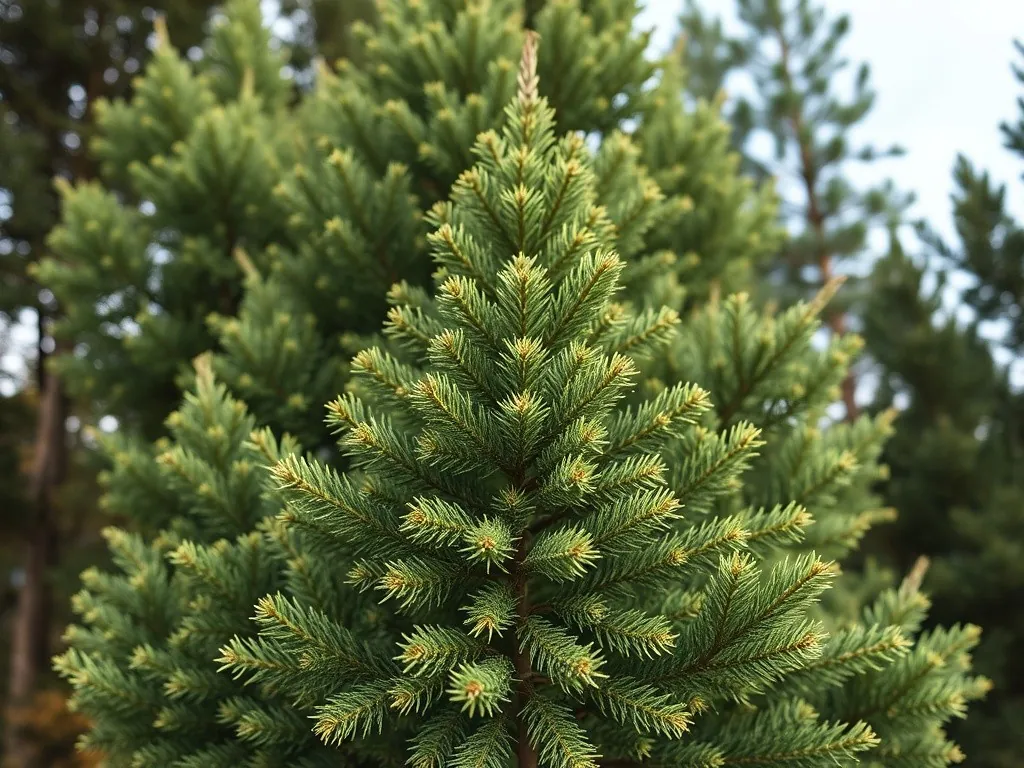
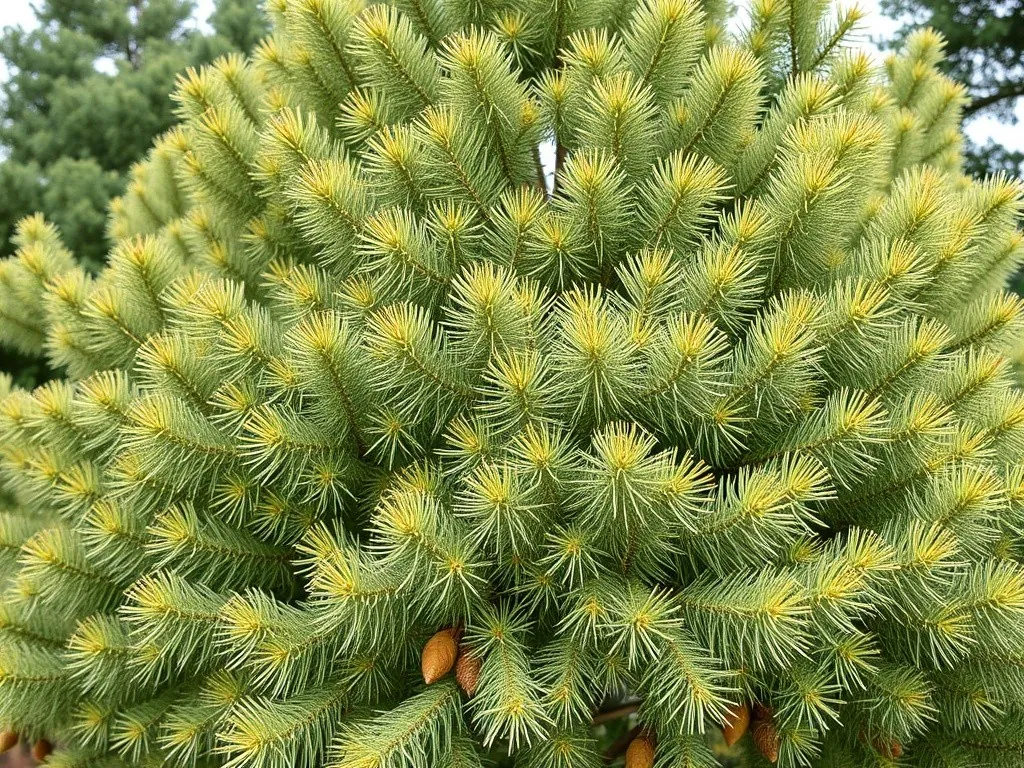
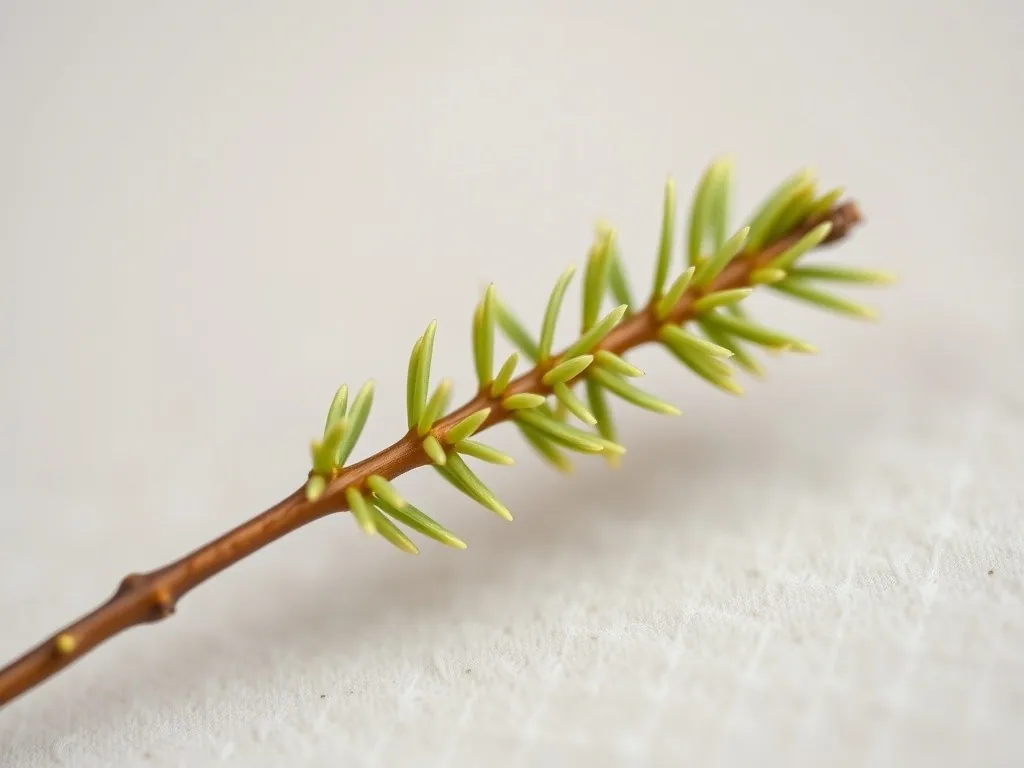
It forms a tall trunk and a slender, conical, open crown that lets through plenty of light. The soft, bright green needles are borne in tufts on short shoots and in autumn turn yellow-orange before falling — the only conifer species native to Poland with this trait. The small, egg-shaped cones ripen in autumn and remain on the tree for several years.
Growing and care
Watering
Water young trees during dry spells in the first seasons after planting. Mature specimens tolerate temporary drought well but do not tolerate waterlogging at the roots.
Fertilizing
Small doses — the larch grows well on relatively poor soils.
Planting
Deep, well-drained soil in full sun — the larch is a light-demanding species and tolerates shade, even partial, poorly.
Pruning
Remove dry and damaged branches, shape young specimens in the first years after planting.
Companion plants
Good companions
Both species are light-demanding mountain conifers that tolerate poor, well-drained soils and strong sunlight well.
A pioneer species with similar, modest soil requirements and a high demand for light — a frequent natural neighbour of the larch in mountain forests.
Bad companions
The larch sheds all its needles in autumn, so in winter and early spring the site beneath its crown suddenly becomes flooded with light and unsheltered, which harms species accustomed to constant shade.
The evidence level indicates whether the relationship is backed by research, observation, or gardening tradition.
Toxicity
| For whom | Level | Notes |
|---|---|---|
| Humans | None | — |
| Dogs | None | — |
History and origin
For centuries valued in mountain building for its resinous, exceptionally durable timber, resistant to moisture and pests — larch was used to build traditional mountain cottages, churches and house foundations in the Carpathians and the Alps. A forest-forming species of great economic and scenic importance in the mountains of Central Europe.
Uses
A forest- and landscape-forming species in the mountains, a park and avenue tree, a source of valuable, durable construction and joinery timber. For large gardens and parks as a striking specimen that changes colour with the seasons.
Trivia
- It is the only conifer species native to Poland that sheds all its needles for winter — hence the Latin species name 'decidua', meaning 'falling off'.
- Larch wood is so durable that traditional mountain buildings and churches made from it have survived in good condition for several hundred years.
- Some specimens of the European larch in the Alps live as long as 500–800 years.
Frequently asked questions
Does the larch that loses all its needles in autumn die?
No, it is completely natural — the European larch is the only conifer native to Poland that sheds all its needles for winter, like broadleaf trees. In spring it puts out new, bright green needles.
Is the larch suitable for a small home garden?
The species form grows to several tens of metres and needs full sun, so it does better in large gardens and parks. For smaller plots, slower-growing garden cultivars are available.
Why is larch wood so prized?
It has a high resin content, which makes it exceptionally resistant to moisture, fungi and insects — for centuries it has been used to build foundations, bridges and mountain buildings.
Sources
- Plants of the World Online (POWO) — Larix deciduaDatabase (GBIF, POWO…)
- GBIF — Global Biodiversity Information FacilityDatabase (GBIF, POWO…)
My note
A private note for this plant — saved in your browser.