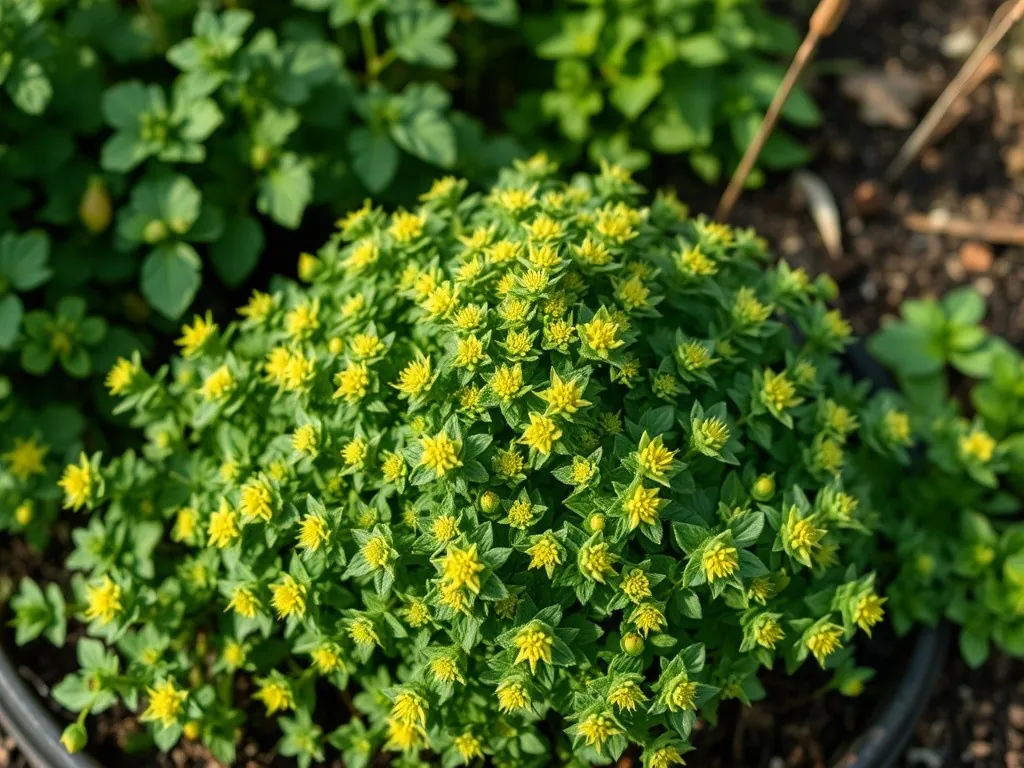

In short
- A biennial plant — the leaves and root are harvested mainly in the first year of cultivation.
- Requires evenly moist soil; drying out worsens the taste of the leaves.
- The seeds germinate exceptionally slowly (up to a month) — it is worth soaking them before sowing.
- In the second year, if left in the ground, it flowers and is a host plant for the caterpillars of the swallowtail butterfly.
- A classic good neighbour of carrot and tomato in the vegetable garden.
Botanical data
- Family
- Apiaceae (Apiaceae)
- Height
- 0.2–0.9 m
- Width
- 0.2–0.3 m
- Habit
- Clump-forming
- Growth rate
- Moderate
- Position
- Full sun, Partial shade
- Soil
- Humus-rich, Loamy
- pH reaction
- pH 6–7
- Moisture
- Moderate, Moist
- Bloom
- June–July
- Hardiness
- —
- Propagation
- From seed
Characteristics
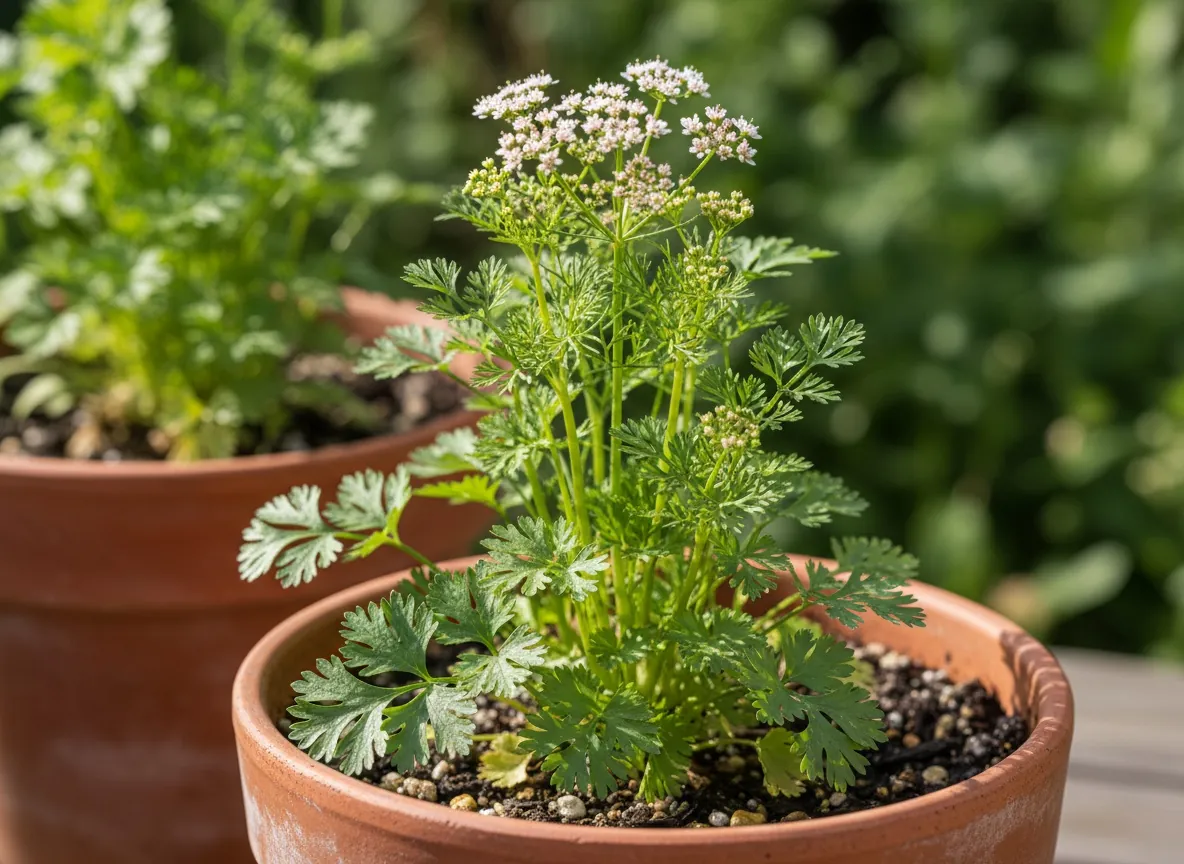
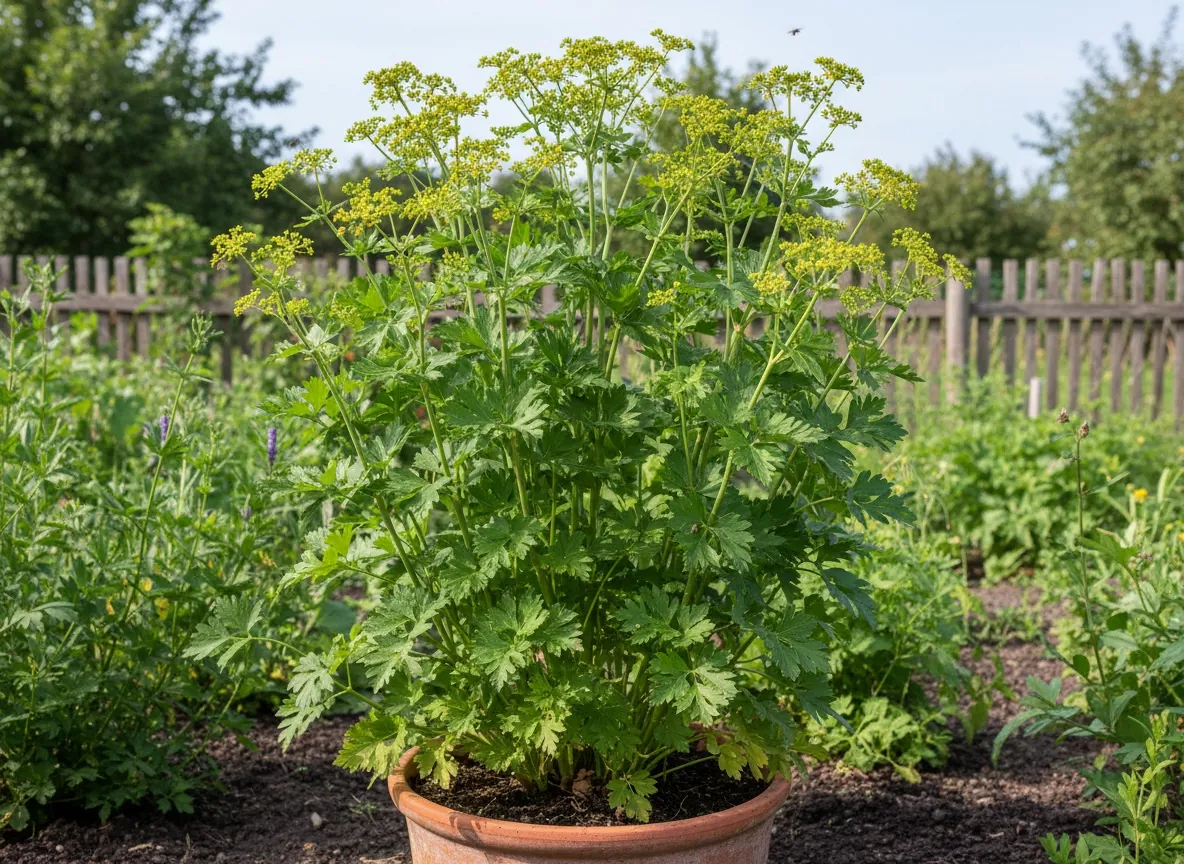
In the first year it forms a dense rosette of pinnately divided, curly or flat (depending on the cultivar) leaves on long stalks, with an intense, fresh aroma. In the second year it sends up a tall flowering stem ending in umbels of small, yellow-green flowers.
Growing and care
Watering
Requires a constantly moist but not waterlogged substrate — drying out quickly leads to the leaves turning bitter and withering.
Fertilizing
Moderate doses — excess nitrogen gives lush leaves at the expense of aroma.
Planting
The seeds germinate very slowly (3–4 weeks) — it is worth soaking them before sowing; fertile, loosened soil, without fresh manure.
Pruning
Harvest the outer leaves, leaving the centre of the rosette for further growth; in the second year remove the emerging flowering stems to prolong the leaf harvest.
Companion plants
Good companions
A traditional vegetable pairing — the scent of parsley helps to mask the carrot from the carrot fly and other pests that locate plants by smell.
Parsley growing in the shade of tomatoes tolerates partial shading well, and its inflorescences in the second year attract beneficial insects that support pollination and pest control.
Bad companions
Mint spreads aggressively through underground runners and quickly smothers the slower-growing, shallow-rooted parsley.
The evidence level indicates whether the relationship is backed by research, observation, or gardening tradition.
Toxicity
| For whom | Level | Notes |
|---|---|---|
| Humans | None | A common herb and vegetable, eaten every day. |
| Dogs | None | Safe in typical, culinary amounts. |
| Cats | None | — |
History and origin
Known and cultivated as early as ancient Greece, though initially valued more as an ornamental and symbolic plant than a culinary one. It came into general culinary use in the Middle Ages and has since been one of the staple herbs of European, including Polish, cooking.
Uses
Grown in vegetable gardens, in herb borders, and in balcony boxes and pots. The leaves are used fresh as a seasoning and garnish for dishes, and the root of root varieties is used in soups and vegetable one-pot dishes.
Trivia
- Like dill, parsley left to flower in the second year is a host plant for the caterpillars of the swallowtail butterfly.
- There are two main cultivated varieties: leaf parsley (valued for its leaves) and root parsley (valued for its thickened, edible root).
Frequently asked questions
Why do parsley seeds take so long to germinate?
The seeds contain natural germination inhibitors and essential oils that slow the absorption of water, which is why germination takes up to 3–4 weeks. Soaking the seeds for a few hours before sowing and maintaining constant soil moisture speeds up this process.
Will parsley survive the winter in the ground?
Yes, it is a biennial plant and in the Polish climate it usually overwinters well in the ground under a thin layer of mulch, in order to shoot into flower and produce seeds in the second year.
What is worth planting parsley with in the vegetable garden?
Good companions are carrot and tomato — parsley helps to mask the scent of carrot from pests, and growing in the light shade of tomatoes it develops well. Avoid, however, the close vicinity of mint, which spreads aggressively.
Sources
- Plants of the World Online (POWO) — Petroselinum crispumDatabase (GBIF, POWO…)
- Missouri Botanical Garden Plant Finder — Petroselinum crispumInstitution / botanical garden
My note
A private note for this plant — saved in your browser.