In short
- The French variety has the full aroma but does not set germinable seed — buy it only as a plant.
- Tarragon seed from a packet is almost always the Russian variety: it grows more vigorously but smells far weaker.
- A sunny site, light and well-drained soil — a steppe plant that does not tolerate wet ground.
- Hardy to USDA zone 5, but the rootstock of the French variety is worth covering with conifer branches for winter.
- Winter moisture harms it more than frost — avoid heavy, compacted soils.
- Renew the clump by division every 3–4 years, because with age it turns woody and loses its aroma.
Botanical data
- Family
- Asteraceae (Asteraceae)
- Height
- 0.6–1.2 m
- Width
- 0.4–0.6 m
- Habit
- Upright
- Growth rate
- Fast
- Position
- Full sun, Partial shade
- Soil
- Sandy, Humus-rich
- pH reaction
- pH 6–7.5
- Moisture
- Dry, Moderate
- Bloom
- July–September
- Hardiness
- USDA 5a–9a
- Propagation
- By division, From cuttings, By runners
Characteristics
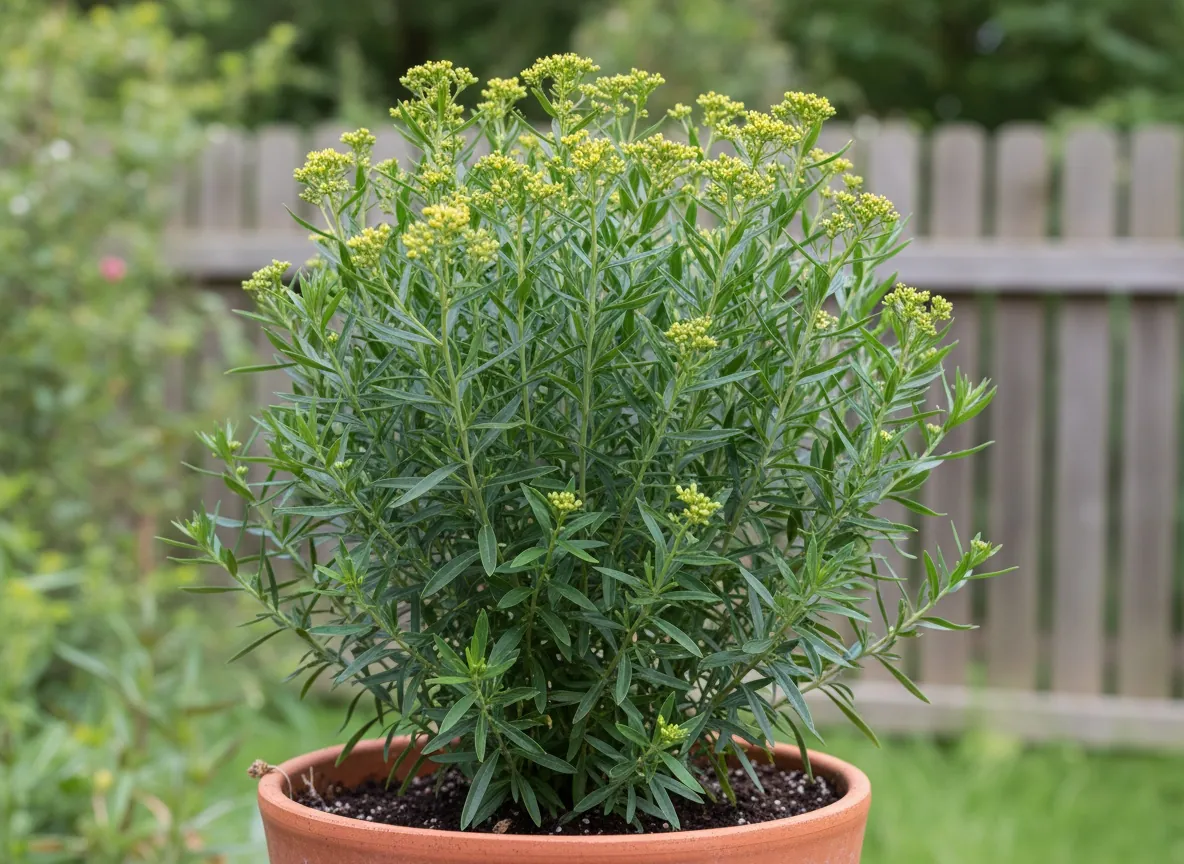
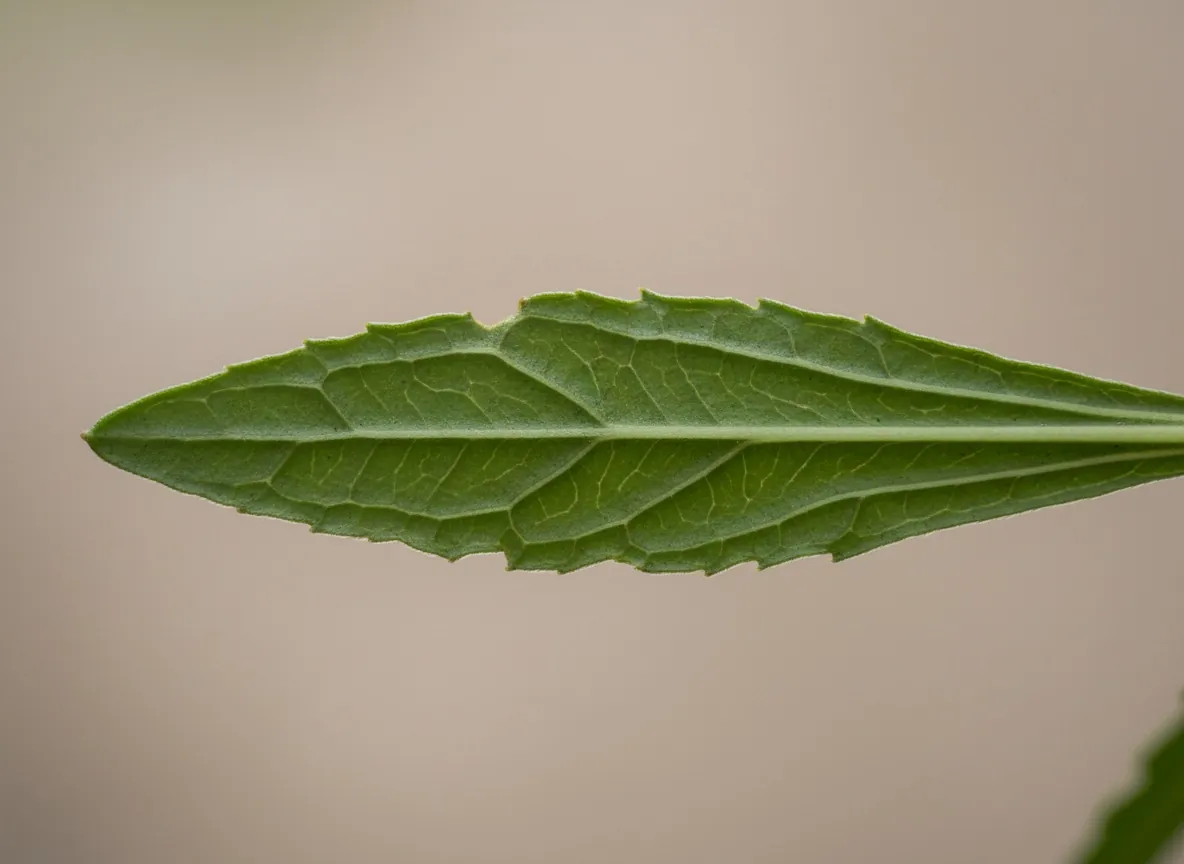
It forms a loose clump of slender, upright, sparsely branched shoots 60–120 cm tall. The narrow, lanceolate, smooth and glossy leaves are unusual for an Artemisia — they are neither hairy, nor silvery, nor divided. The small, yellow-green flower heads are quite inconspicuous, and in the Polish climate the French variety often does not manage to flower at all. The plant spreads by shallow runners, which makes it easy to propagate by division.
Growing and care
Watering
Its steppe origin shows in its requirements — it tolerates drought far better than wet soil. Winter water standing around the rootstock is the most common cause of losses of French tarragon.
Fertilizing
Sparingly. On soil that is too fertile, tarragon grows lushly but clearly loses its characteristic aniseed aroma.
Planting
Light, well-drained, moderately fertile soil. On clay ground be sure to add sand or gravel; planting on a slight mound works well, so that water does not stand around the rootstock.
Pruning
Cut the shoot tips at a length of 10–20 cm — the plant regrows and bushes out. After the first frosts cut everything off at ground level and cover the rootstock with conifer branches or leaves. Every 3–4 years divide the clump, because with age it turns woody in the middle and weakens.
Companion plants
Good companions
A classic pairing from the pickling jar transferred to the bed — tarragon between the rows is held to confuse cucumber pests with its scent, and it ends up in the same jar with it anyway.
Tarragon is sometimes called a nurse plant: it is believed that its strong aroma hides its neighbours from pests, and low-growing lettuce does not compete with it for light.
Similar needs — a warm, sunny site and well-drained soil without constant moisture.
Bad companions
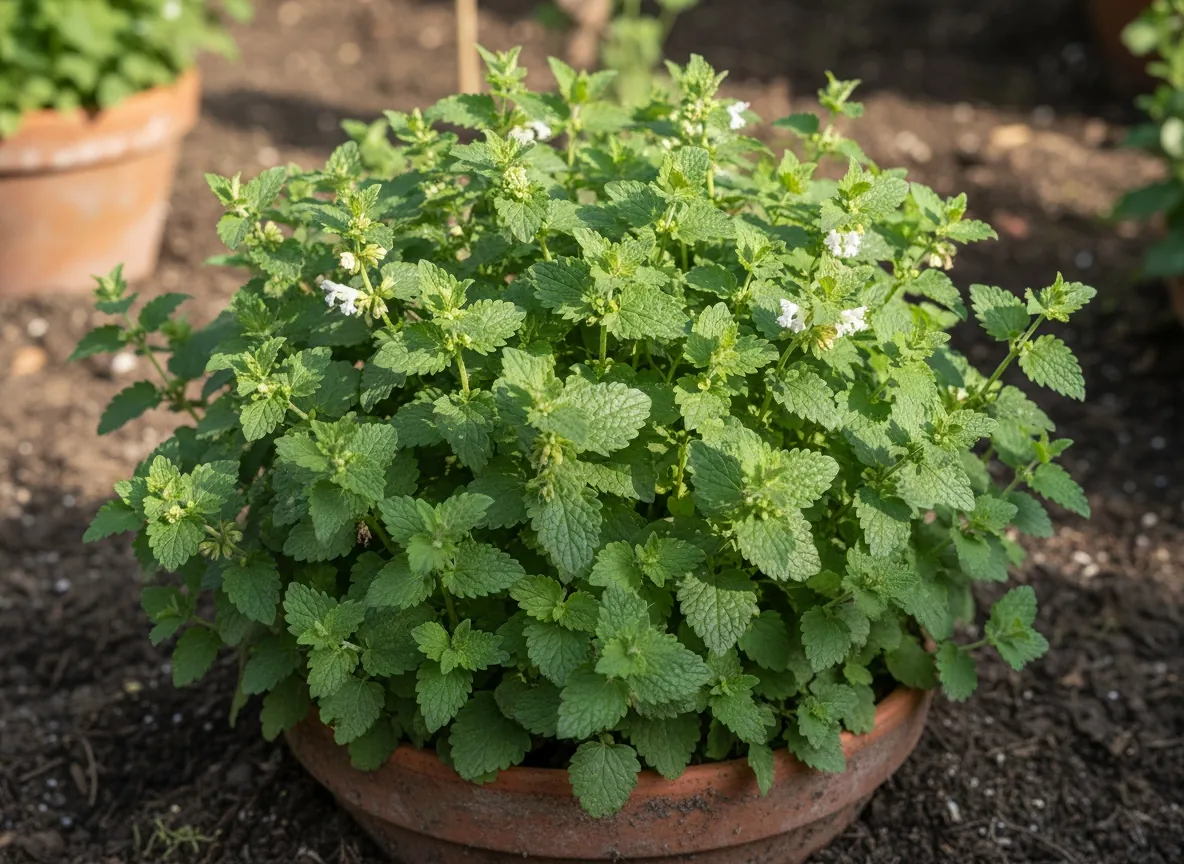
Mint spreads by runners and moves into the tarragon rootstock, and in doing so keeps around it the moisture that tarragon cannot tolerate.
The constant moisture and intensive watering they require lead to rotting of the tarragon rootstock — especially in winter.
The evidence level indicates whether the relationship is backed by research, observation, or gardening tradition.
Toxicity
| For whom | Level | Notes |
|---|---|---|
| Humans | None | A culinary seasoning, safe in normal consumption. The essential oil contains estragole and, in concentrated form, is not suitable for unsupervised internal use. |
| Dogs | Mild | — |
| Cats | Mild | — |
History and origin
The species name dracunculus, meaning little dragon, alludes to the snake-like twisting roots of the plant; in the Middle Ages it was believed that this made it a cure for the bites of venomous animals. Tarragon probably reached Western Europe through the Arabs and quickly settled in France, where it became one of the pillars of the local cuisine — without it there is no béarnaise sauce and no fines herbes mixture. In Central and Eastern Europe it became linked above all with pickling cucumbers.
Uses
For the herb garden, a sunny border and larger containers; in a balcony box it can be too tall. In French cuisine it is an ingredient of béarnaise sauce, tartare sauce and the fines herbes mixture, and the classic addition to chicken, eggs, fish and seafood. In Polish and Eastern European cooking it goes above all into pickled cucumbers, as well as flavoured vinegars and mustards. The aroma is delicate and evaporates during cooking, so tarragon is added at the end — preferably fresh, because dried it loses a considerable part of its scent.
Trivia
- Tarragon is the only Artemisia in common culinary use — its close relatives, such as wormwood and mugwort, are bitter and are used quite differently.
- The aniseed scent of tarragon is due to estragole, the same compound that gives basil and anise their character.
Frequently asked questions
Why does my tarragon grown from seed have almost no scent?
Because it is almost certainly Russian tarragon. The French variety, the one with the full aniseed aroma, does not set germinable seed and is propagated exclusively by division or cuttings — if there are seeds in the packet, what is inside is the Russian form. It grows more vigorously and is hardier, but its scent is decidedly weaker. French tarragon has to be bought as a plant.
Will tarragon overwinter in the ground?
Yes, the species is hardy to USDA zone 5, but the more delicate French variety decidedly prefers a cover. After the frosts the shoots are cut off at ground level and the rootstock is mounded over with conifer branches or leaves. More dangerous than frost is an excess of winter water — on heavy, compacted soil the plant simply rots, which is why it is worth planting it on a slight mound with added sand.
Why does tarragon weaken after a few years?
This is the normal course of growth — over time the clump turns woody in the middle, the shoots become thinner and the leaves less aromatic. The solution is dividing the rootstock every 3–4 years in early spring: the plant is dug up, split into several parts with roots, and planted in a new, freshly prepared spot. It is also worth reducing feeding at the same time, because soil that is too fertile likewise weakens the aroma.
Sources
- Plants of the World Online (POWO) — Artemisia dracunculusDatabase (GBIF, POWO…)
- RHS — Artemisia dracunculusInstitution / botanical garden
My note
A private note for this plant — saved in your browser.