In short
- An annual plant, sown directly into the ground — it has a taproot and does not tolerate transplanting.
- For leaves, sow successionally every 2–3 weeks; a single sowing lasts only a few weeks of harvest.
- Drought and heat cause it to bolt in a flash — this is the most common problem in growing it.
- In summer a site with light shade at midday and mulching the soil work well.
- The flowers attract hoverflies and parasitic wasps — the natural enemies of aphids.
- For seed, sow early, in April, and let the plant flower undisturbed.
Botanical data
- Family
- Apiaceae (Apiaceae)
- Height
- 0.3–0.7 m
- Width
- 0.2–0.3 m
- Habit
- Upright
- Growth rate
- Fast
- Position
- Full sun, Partial shade
- Soil
- Humus-rich, Sandy, Loamy
- pH reaction
- pH 6–7.5
- Moisture
- Moderate
- Bloom
- June–July
- Hardiness
- —
- Propagation
- From seed
Characteristics
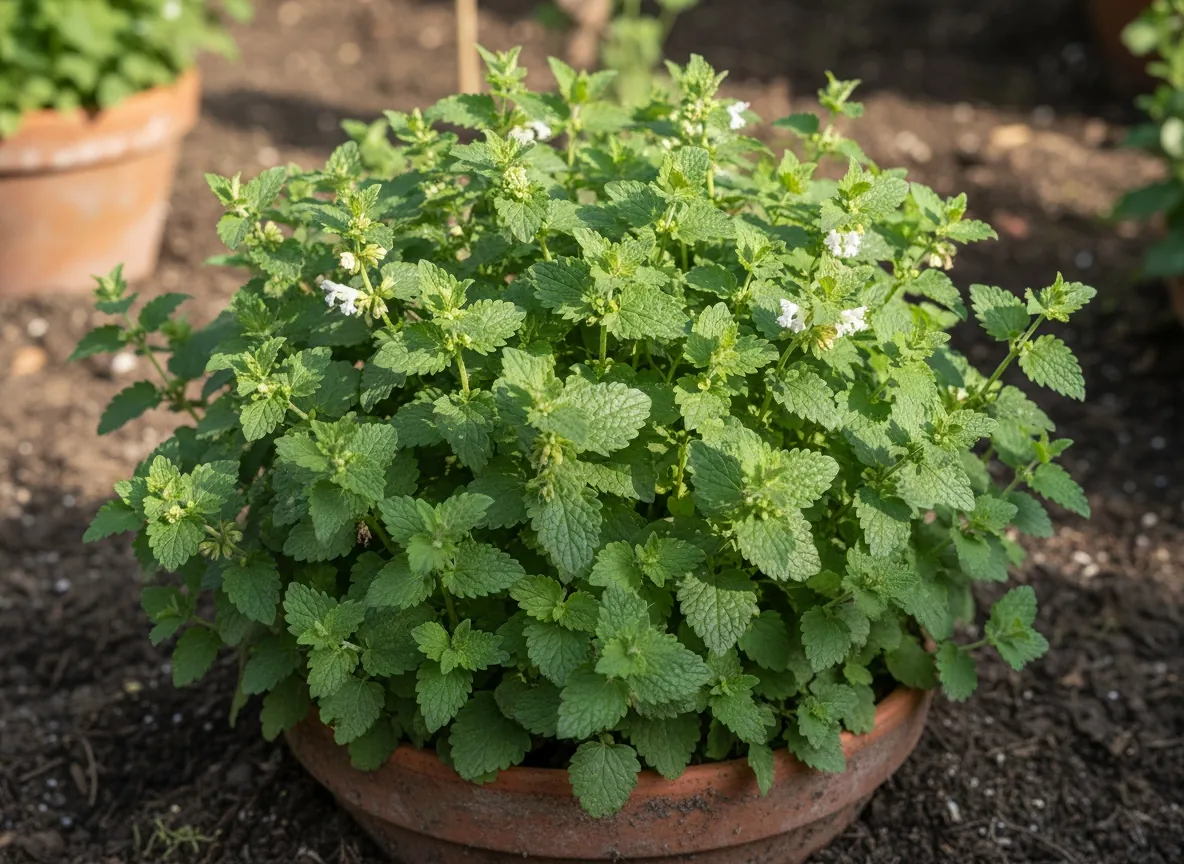
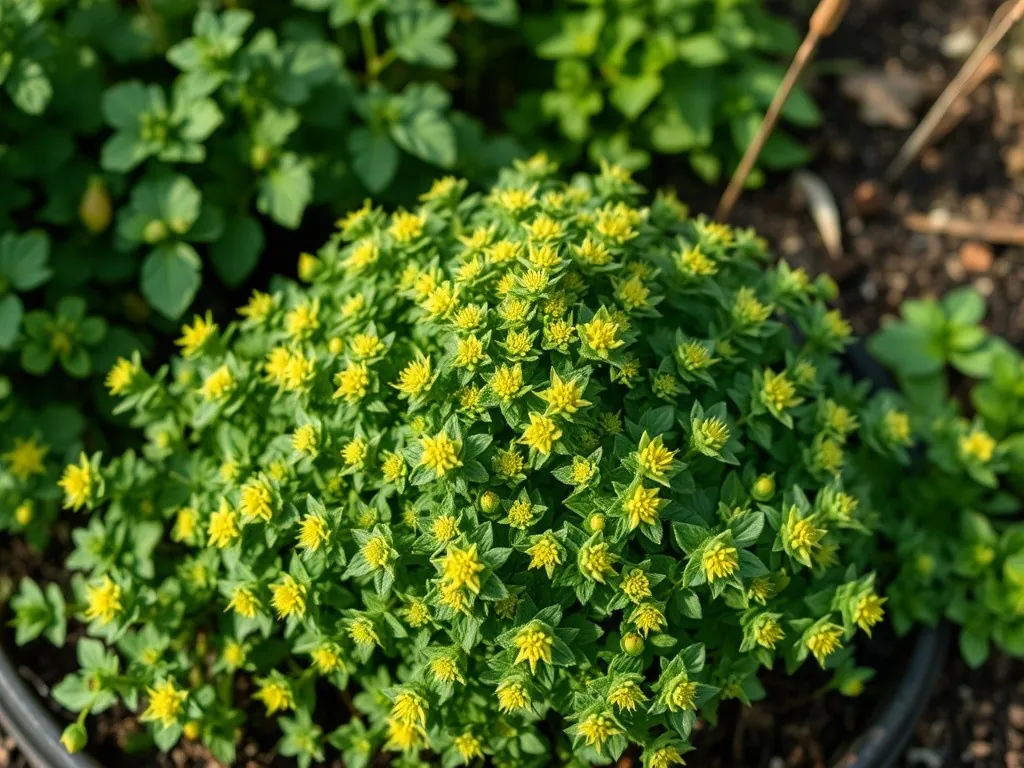
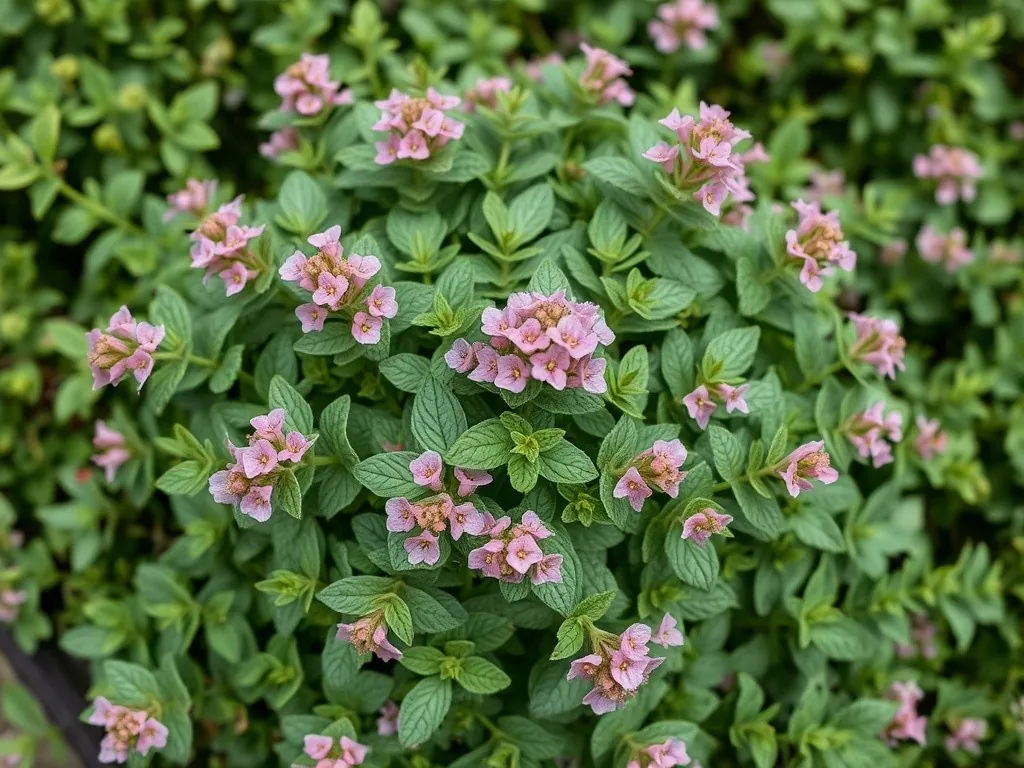
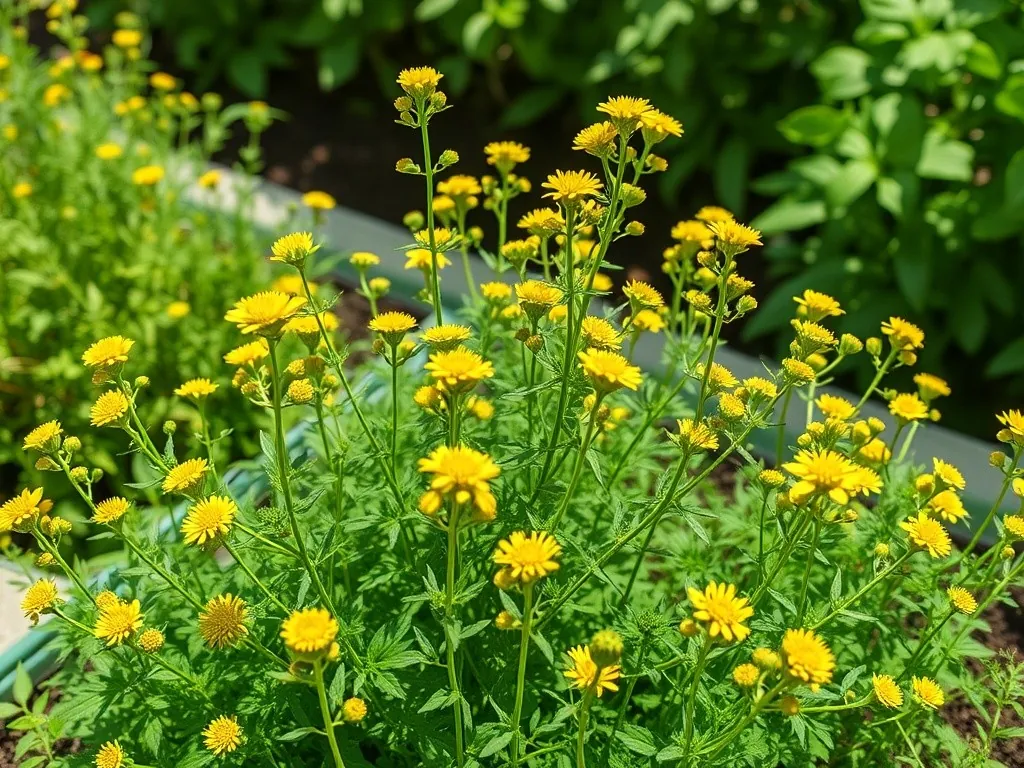
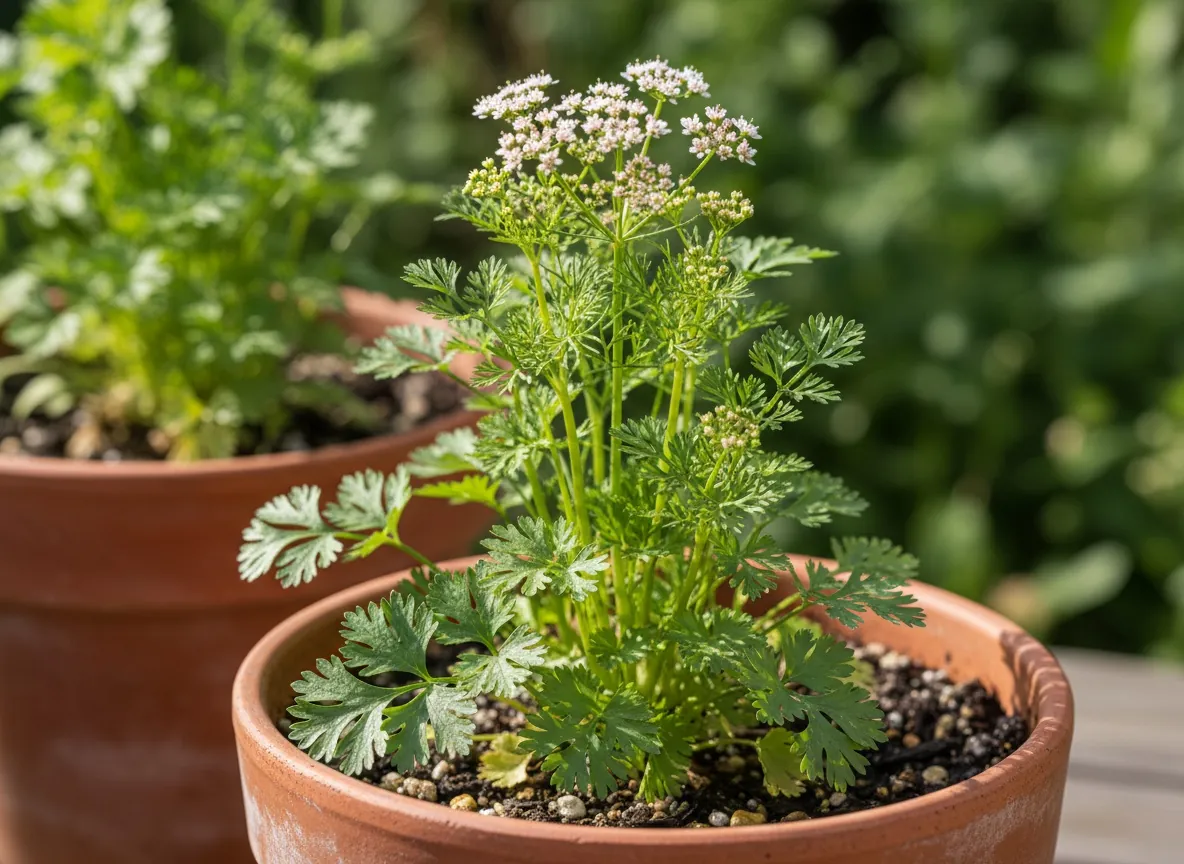
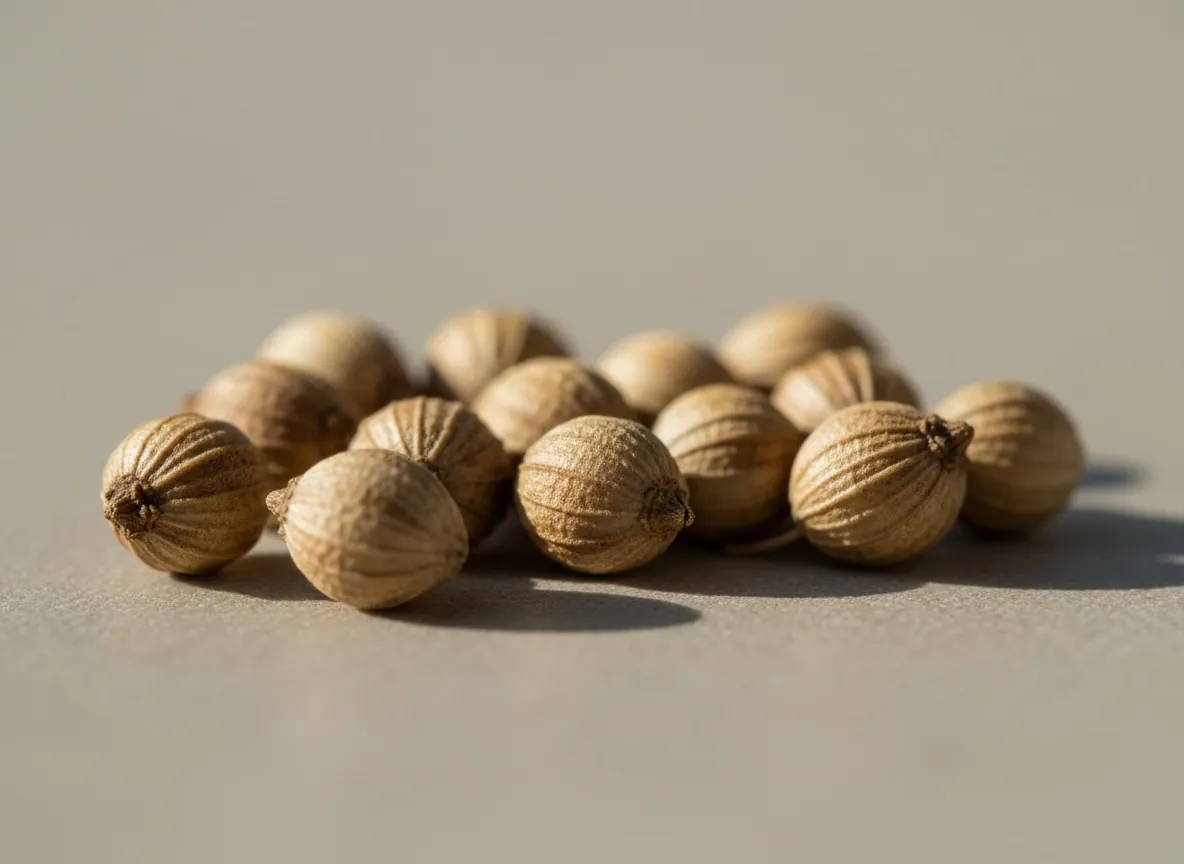
From a taproot grows an upright, branched plant 30–70 cm tall. Characteristic is the marked variability of the leaves: the lower ones, gathered as a seasoning, are broad, crenate and long-stalked (deceptively similar to parsley), whereas the upper ones, appearing on the flowering shoot, are thread-like and divided and practically useless in the kitchen. The small, white-pink flowers form loose compound umbels, followed by spherical, light brown schizocarps. The fresh green parts smell sharp and distinctive, the ripe fruits quite differently — sweet and spicy.
Growing and care
Watering
Even moisture is crucial. Drying out in the heat is the most common reason why coriander bolts prematurely and stops being usable for leaves — mulching and watering at regular intervals help the most.
Fertilizing
Sparingly. The plant grows so fast that it usually needs no feeding at all; an excess of nitrogen produces floppy shoots with a weaker aroma.
Planting
Moderately fertile, well-drained soil able to hold even moisture. Coriander has a taproot and tolerates transplanting very badly — it is always sown straight into its final position, not for transplanting. In summer a site with light shade during the midday hours is beneficial.
Pruning
Cut the outer, long-stalked leaves at ground level, or the whole plant 3–5 cm above the substrate. For seed, cut the whole umbels once they begin to brown and dry them off under cover, so that the schizocarps do not shed onto the bed.
Companion plants
Good companions
The flowering umbels of coriander draw in hoverflies and parasitic wasps whose larvae eat aphids — letting some of the plants flower genuinely increases the number of beneficial insects on the bed.
A traditional recommendation of the vegetable garden — a strongly scented herb between the rows is held to confuse potato pests.
Both plants are fast and short-lived, have similar water needs and fill the same bed well in succession sowings.
Bad companions
Two closely related apiaceous herbs with similar requirements — they share pests and diseases, and when sown densely they compete strongly with each other; their proximity is traditionally discouraged.
Fennel is held to be one of the worst neighbours in the vegetable garden — it inhibits the growth of many plants in its immediate surroundings, coriander among them.
The same family means shared pests and diseases, among them the carrot fly; flowering coriander additionally shades the low carrot seedlings.
The evidence level indicates whether the relationship is backed by research, observation, or gardening tradition.
Toxicity
| For whom | Level | Notes |
|---|---|---|
| Humans | None | A widely eaten herb and spice, safe in normal use. |
| Dogs | None | — |
| Cats | None | — |
History and origin
It is one of the oldest cultivated herbs in the world — its fruits were found in the tomb of Tutankhamun, and mentions of it appear in Egyptian papyri, the Bible and Mycenaean texts from over three thousand years ago. The Romans spread it throughout Europe, and colonisation carried it to America, where the fresh leaves under the name cilantro became a pillar of Mexican cuisine. Today coriander is equally important in Indian, Thai, Middle Eastern and Latin American cooking.
Uses
For the vegetable garden, herb beds, containers and balcony boxes — when growing for leaves, always across several sowing dates. Fresh leaves are added raw and at the very end, to Mexican, Thai, Indian and Middle Eastern dishes, salads, salsa, soups and marinades; cooking destroys their aroma. The dried fruits, whole or ground, are an ingredient of curry, garam masala, gingerbread spice mixes, meat marinades, pickles and also some wheat beers. Crushed just before use they smell far stronger than ready-ground seasoning.
Trivia
- Some people perceive fresh coriander as soapy — this is due to a variant of the olfactory receptor gene OR6A2, which detects the aldehydes present in the leaves.
- The leaves and seeds of the same plant have completely different aromas, which is why in the kitchen they are treated as two different spices and are not substituted for each other.
Frequently asked questions
Why does my coriander bolt so quickly?
This is the most common problem in growing it, and it is usually caused by heat combined with dried-out soil, together with long days. The plant reads the stress as a signal that it must set seed quickly and moves into its flowering phase — the leaves then become thread-like and lose their aroma. What helps is even watering, mulching, a site with light shade at midday, cultivars marked as slow to bolt, and sowing small batches every 2–3 weeks. Once flowering has begun it cannot be reversed.
Can coriander be sown for transplanting?
Better not. Coriander forms a taproot and tolerates transplanting very badly — damage to the root is exactly the kind of stress that triggers premature bolting. It is sown directly into the ground, or straight into its final pot, at a depth of about 2 cm, from April.
When and how should coriander seeds be harvested?
When the umbels change colour from green to light brown, usually in August. The whole stems are then cut and dried off under cover in an airy place, heads down over paper or in a paper bag — the ripe schizocarps shed easily. For growing for seed, coriander is sown early, in April, and allowed to flower undisturbed, unlike when growing it for leaves.
Sources
- Plants of the World Online (POWO) — Coriandrum sativumDatabase (GBIF, POWO…)
- RHS — Coriandrum sativumInstitution / botanical garden
My note
A private note for this plant — saved in your browser.