In short
- Position: full sun or light partial shade, well-drained soil, tolerates calcareous soil.
- Evergreen and very drought-resistant once established.
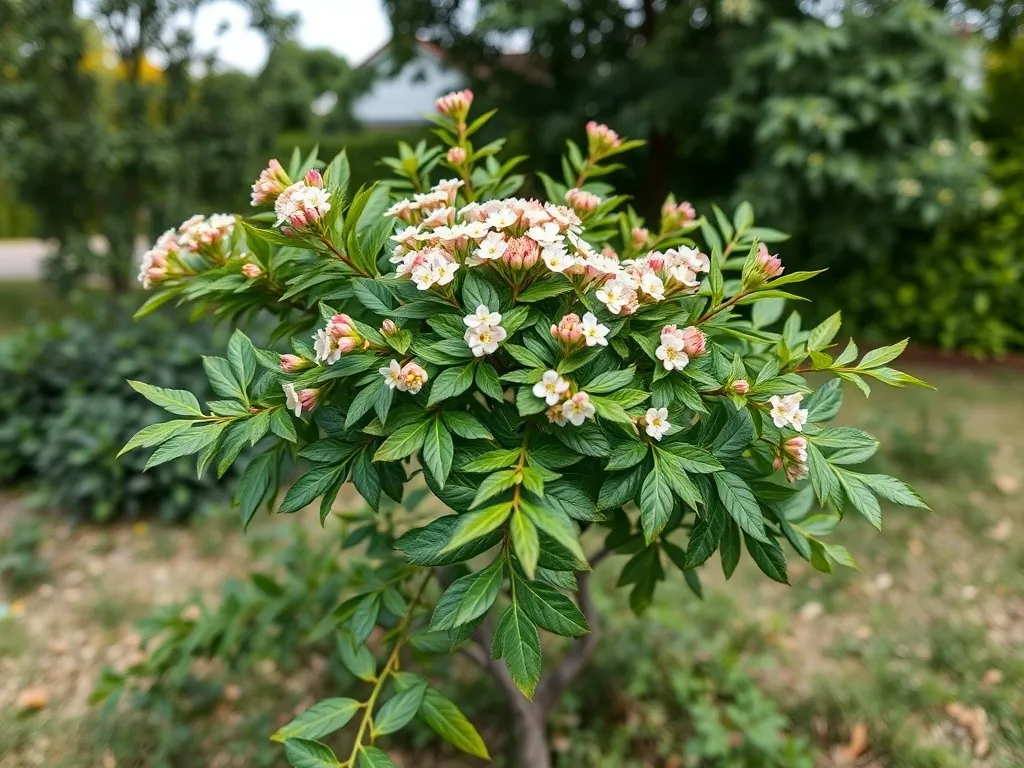
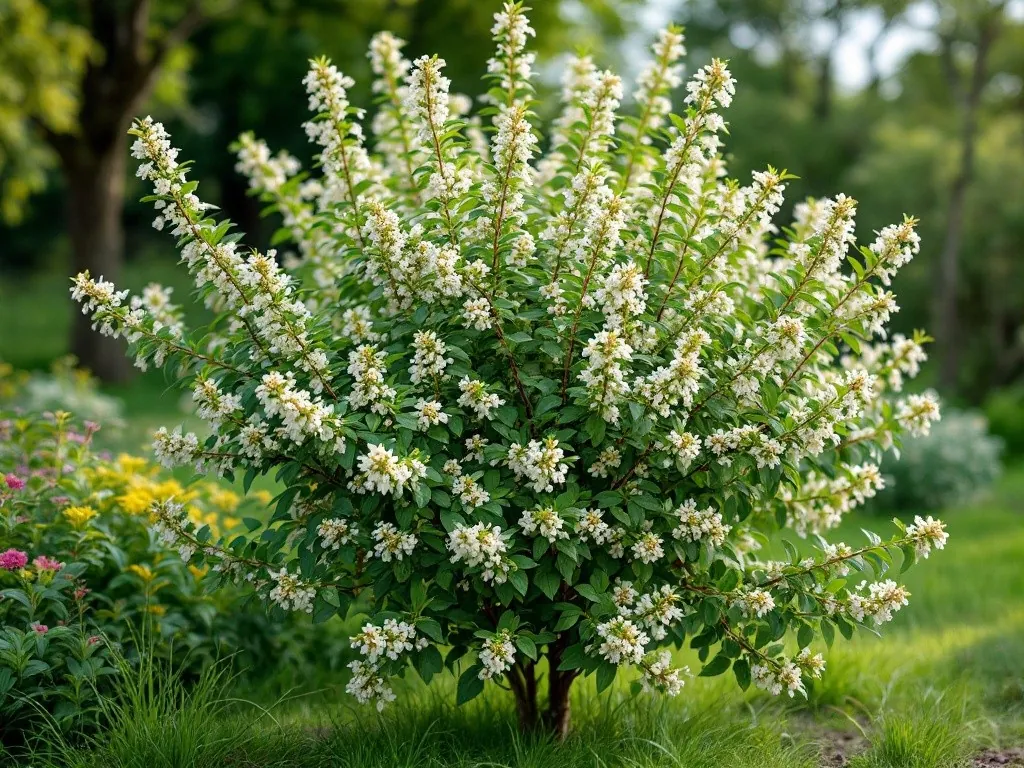
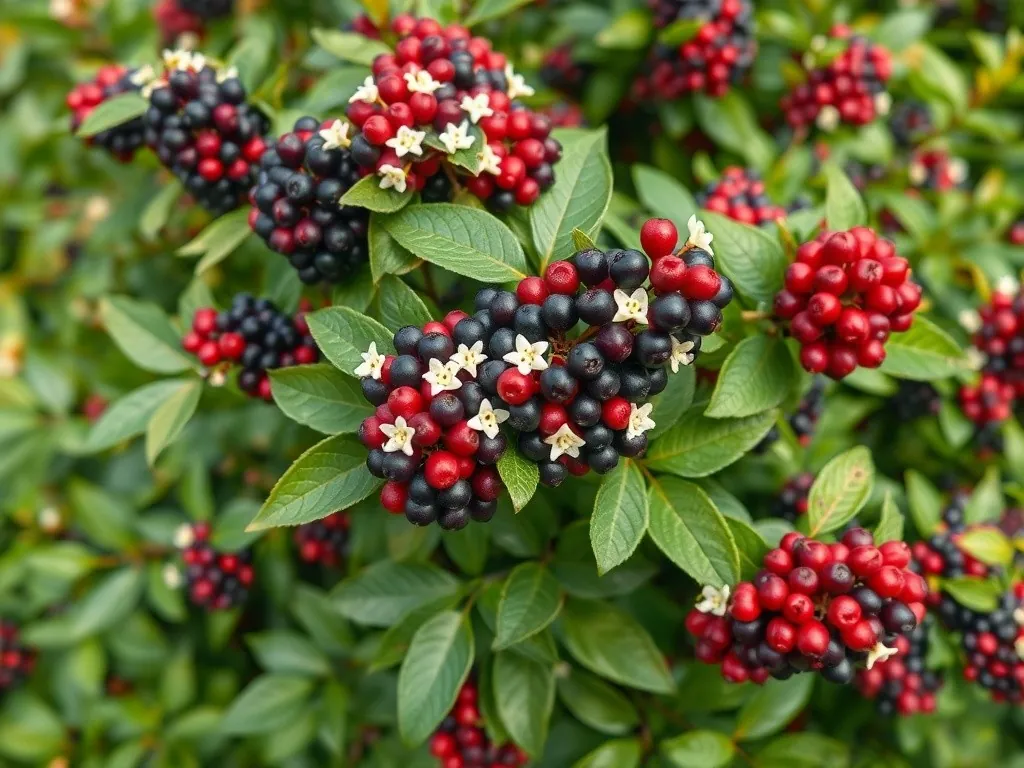
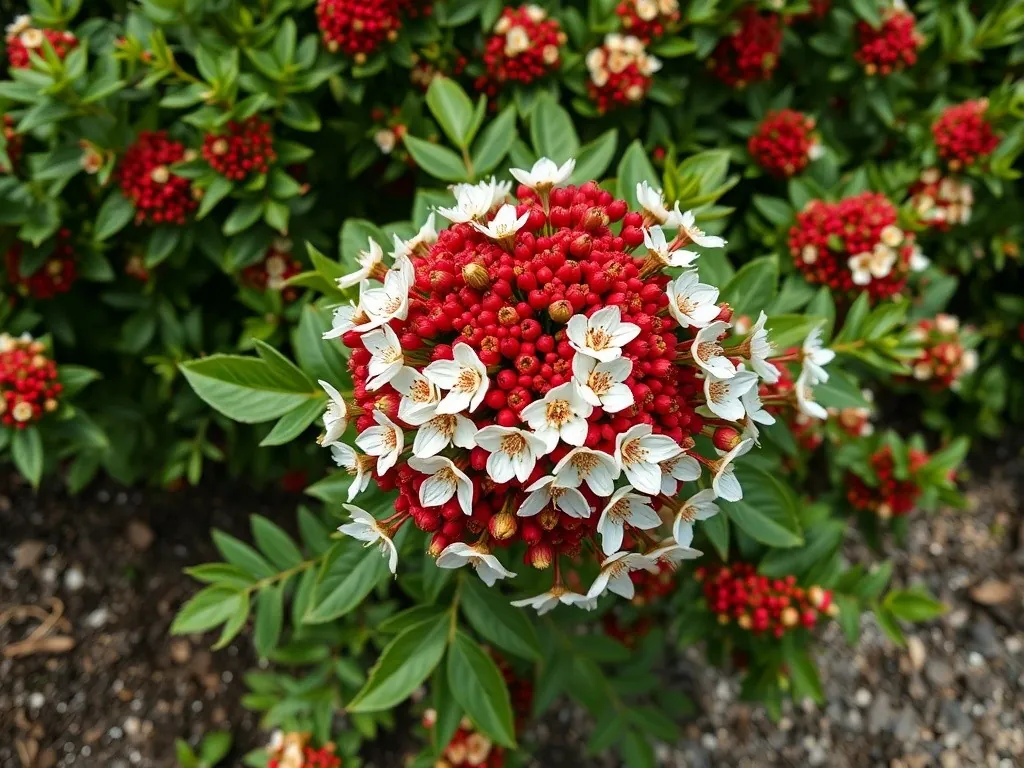
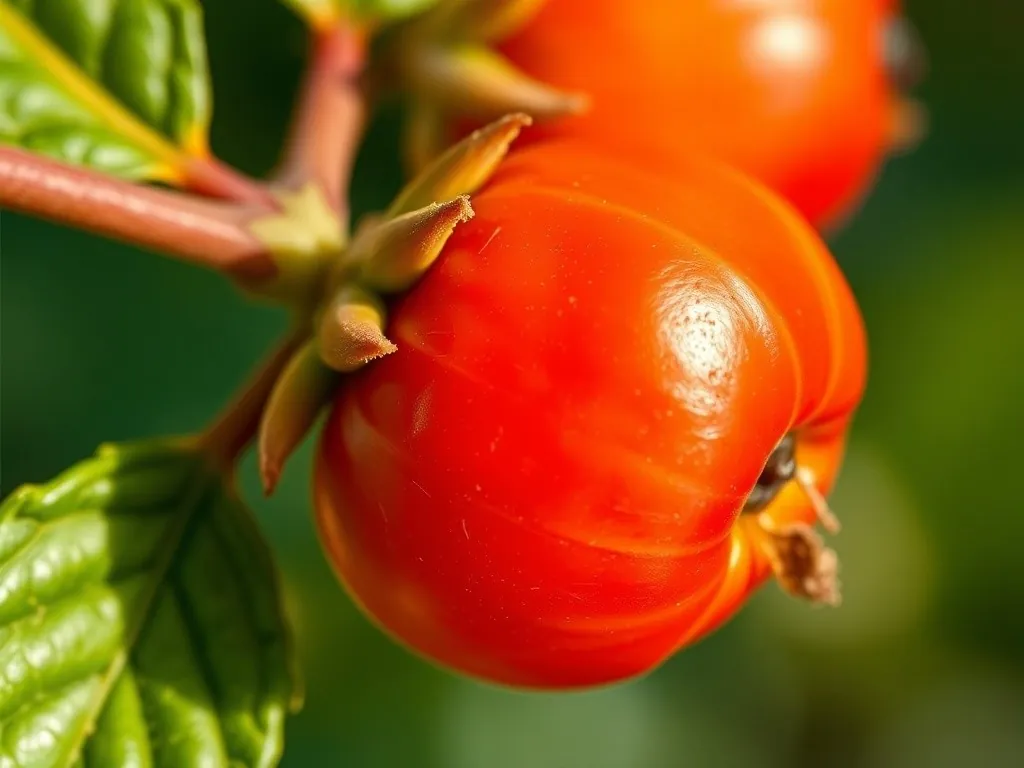
- White flowers in May–June, orange-red berries from September into winter.
- Its sharp thorns make it an effective, impenetrable protective hedge.
- The fruits are readily eaten by birds in winter — an important food source in the lean months.
Botanical data
- Family
- Rosaceae (Rosaceae)
- Height
- 2–4 m
- Width
- 2–3 m
- Habit
- Upright
- Growth rate
- Moderate
- Position
- Full sun, Partial shade
- Soil
- Loamy, Chalky, Humus-rich
- pH reaction
- pH 6–7.8
- Moisture
- Dry, Moderate
- Bloom
- May–June
- Hardiness
- USDA 6a–9a
- Propagation
- From cuttings, From seed
Characteristics
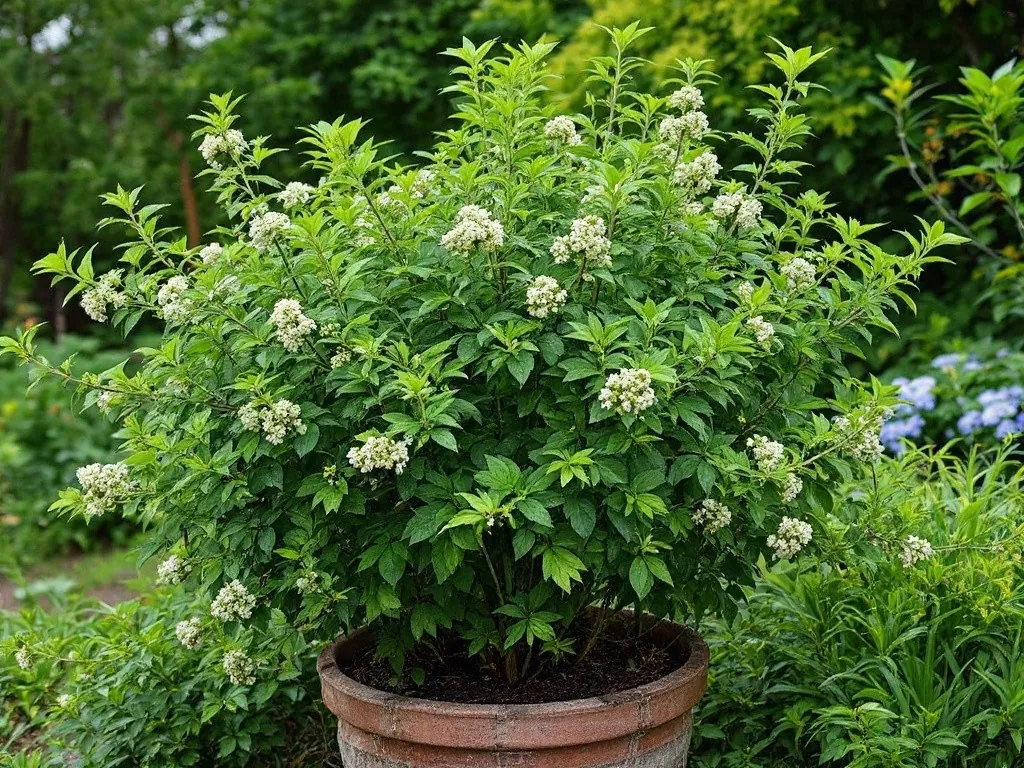
An upright, densely branched shrub with stiff, thorny shoots. The glossy, dark green leaves persist all year round. Small, white flowers gathered in corymbs appear in spring, and in autumn numerous spherical fruits set in an intense orange-red.
Growing and care
Watering
Very drought-resistant once established — water mainly in the first year and during prolonged heat.
Fertilizing
Moderate doses — excess nitrogen weakens the ripening of the shoots before winter and reduces fruiting.
Planting
A well-drained site; on heavy soils add gravel. As a hedge, plant in a row every 60–80 cm.
Pruning
Shorten young growth, leaving some of the shoots with fruit buds — flowers and fruits appear on older wood.
Companion plants
Good companions
Very similar habitat requirements and an identical hedging function — the two species are sometimes confused and complement each other well in fruit colour in autumn and winter.
Both thorny species form a dense, impenetrable screen, protecting birds nesting in the hedge from predators.
Similar thorny structure and good tolerance of formative pruning — a proven addition to a mixed hedge.
Bad companions
Opposite requirements: the firethorn needs full sun and tolerates alkaline soil, whereas the rhododendron requires shade and an acidic, moist substrate.
The evidence level indicates whether the relationship is backed by research, observation, or gardening tradition.
Toxicity
| For whom | Level | Notes |
|---|---|---|
| Humans | Mild | The seeds of the fruits contain small amounts of cyanogenic compounds. Eating individual fruits is usually harmless, but consuming a larger quantity can cause nausea and abdominal pain. |
| Dogs | Mild | — |
| Cats | Mild | — |
History and origin
Cultivated in Europe since the 19th century as a garden and hedging plant, it grows wild in the countries of the Mediterranean basin. The genus name Pyracantha comes from Greek and means 'fiery thorn' (pyr — fire, akantha — thorn), referring both to the colour of the fruits and to the sharp thorns.
Uses
Excellent for a thorny, impenetrable hedge, as a single winter accent in the garden, or for training flat against a wall (espalier). Valued in bird-friendly gardens.
Trivia
- The scarlet firethorn is sometimes confused with the shiny cotoneaster (Cotoneaster lucidus) — both form similar hedges, but the firethorn has sharp thorns, while the cotoneaster is thornless.
- The firethorn's fruits are eaten by fieldfares and waxwings only in late winter, once they have softened after frost — earlier the birds avoid them.
Frequently asked questions
Is the scarlet firethorn the same as cotoneaster?
No, they are two different genera from the same rose family, with a very similar habit and use. The key difference is the thorns — the firethorn is strongly thorny, while the shiny cotoneaster has no thorns.
Are firethorn fruits edible for humans?
The fruits are not considered toxic, but in larger amounts they may cause stomach complaints because of the cyanogenic compounds in the seeds. Eating them is not recommended, apart from use in processed form (e.g. jelly) in small quantities.
How do you train firethorn into a hedge?
Formative pruning is done after flowering, in June, leaving some of the older shoots with the fruit buds. Pruning too heavily in autumn will deprive the shrub of its ornamental berries for winter.
Sources
- Plants of the World Online (POWO) — Pyracantha coccineaDatabase (GBIF, POWO…)
- RHS — Pyracantha coccineaInstitution / botanical garden
My note
A private note for this plant — saved in your browser.