In short
- Site: sun or partial shade, tolerates almost any soil, including calcareous and poor soils.
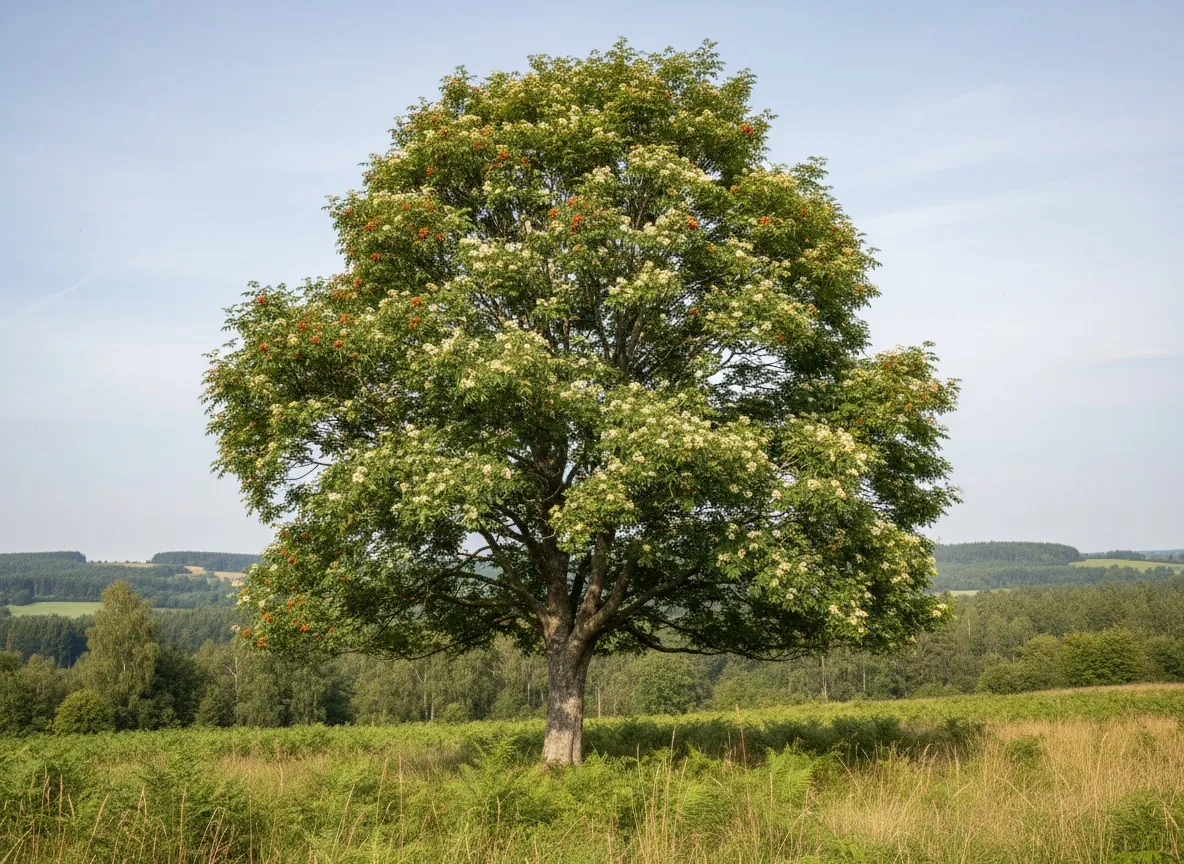
- Very frost-hardy and long-lived — can live to be a hundred years old.
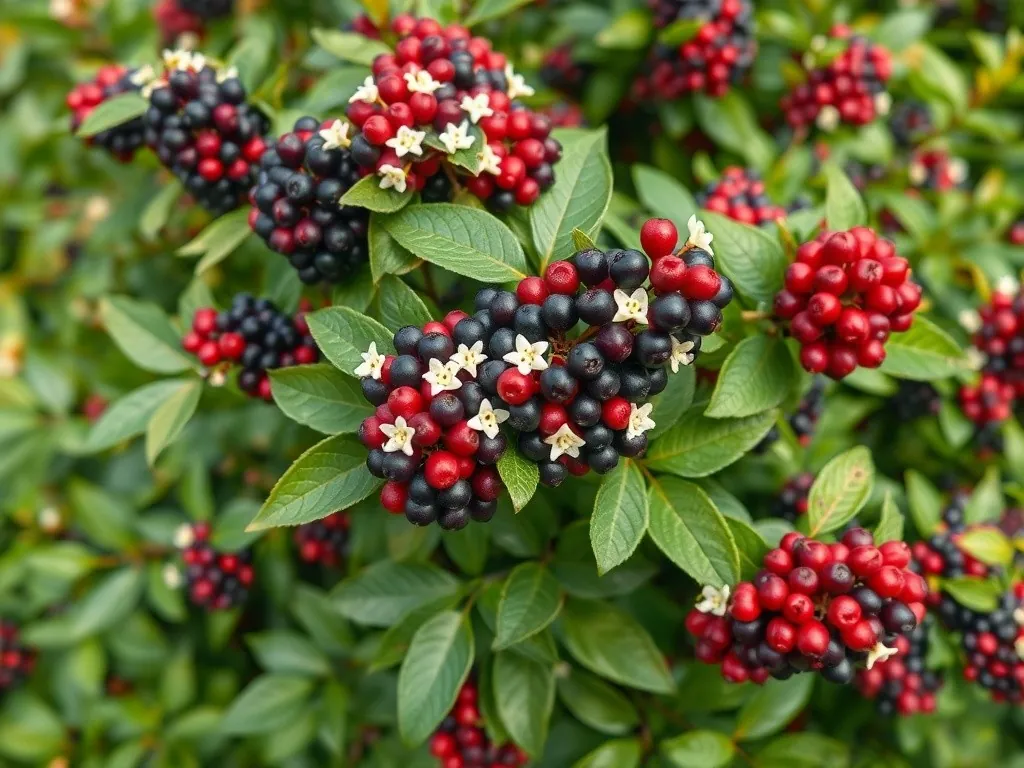
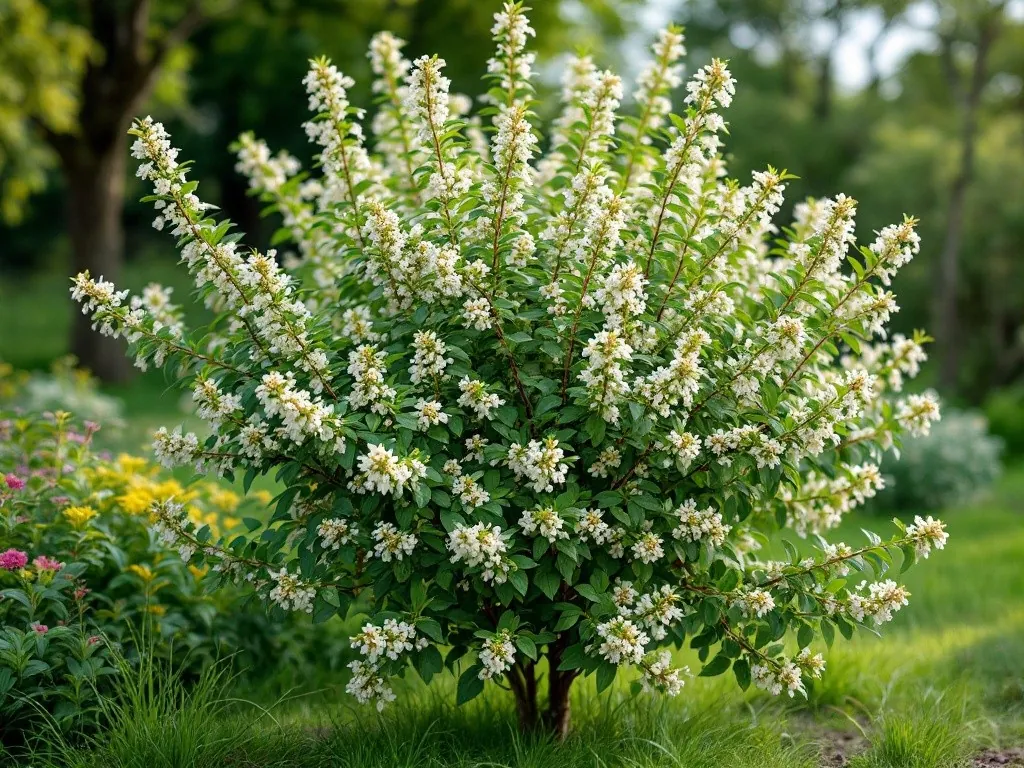
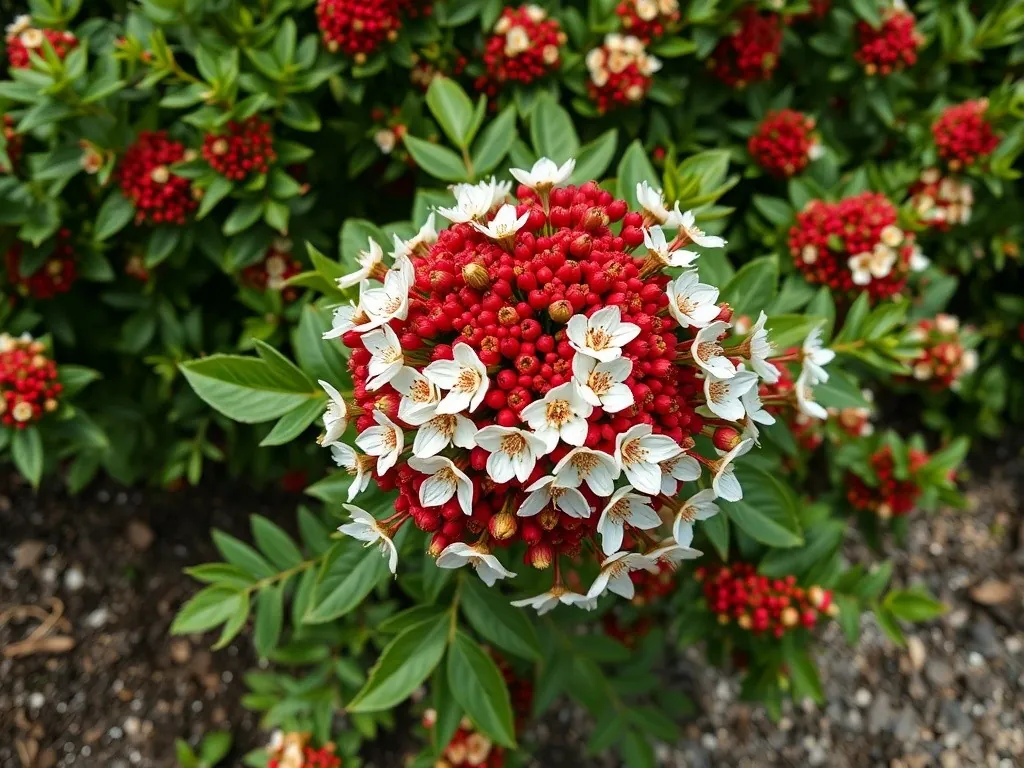
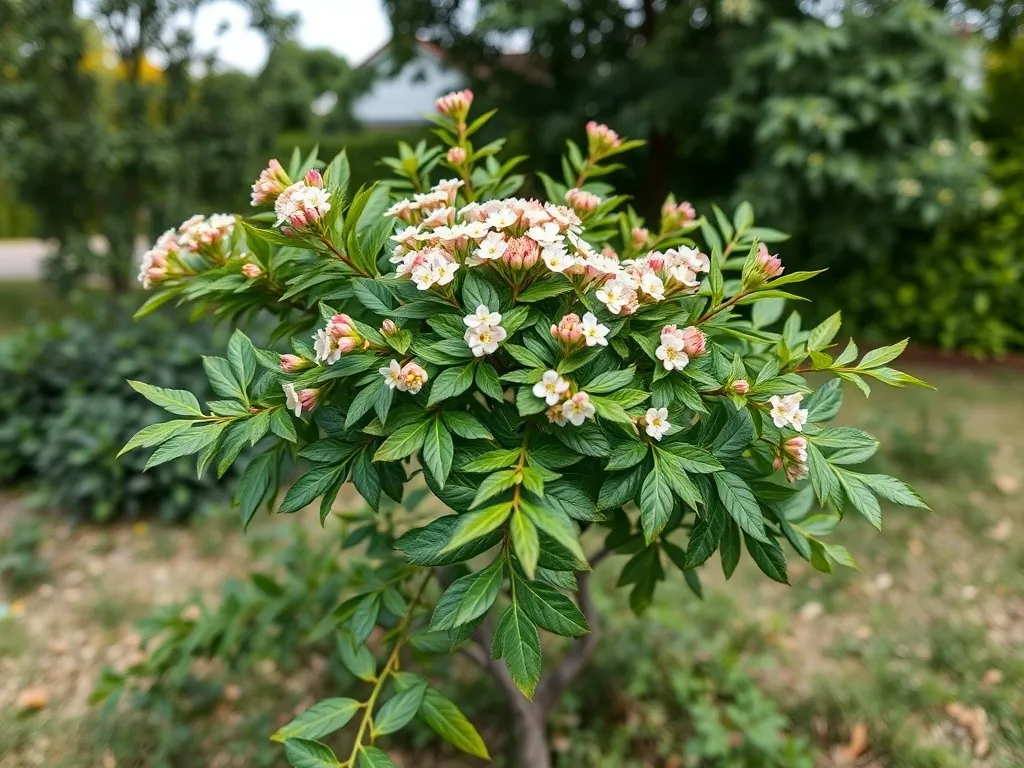
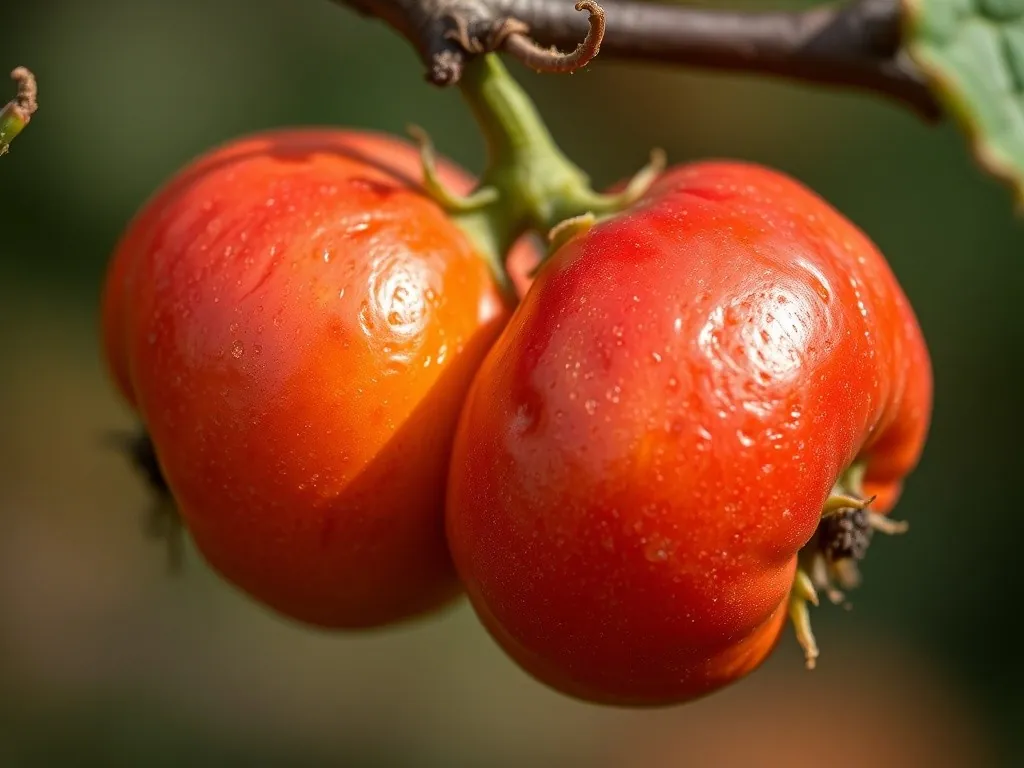
- White or pinkish flowers in May, red fruits (haws) from September.
- An important bee plant and nesting shelter for birds thanks to its thorny shoots.
- Its flowers and fruits have long been used in herbal medicine to support heart function.
Botanical data
- Family
- Rosaceae (Rosaceae)
- Height
- 3–6 m
- Width
- 3–5 m
- Habit
- Spreading
- Growth rate
- Moderate
- Position
- Full sun, Partial shade
- Soil
- Loamy, Chalky, Humus-rich
- pH reaction
- pH 6–7.8
- Moisture
- Moderate
- Bloom
- May–May
- Hardiness
- USDA 4b–8a
- Propagation
- From seed, From cuttings
Characteristics
A spreading shrub or small tree with a dense crown and stiff, thorny shoots. The lobed, dark green leaves appear early in spring. White, or more rarely pinkish, flowers in corymbs cover the shrub en masse in May, and in autumn small red fruits, called haws, ripen.
Growing and care
Watering
Mature plants require virtually no watering — water regularly only in the first year after planting.
Fertilizing
Modest — hawthorn copes well with poor soils, so excess fertiliser is not needed.
Planting
For a hedge, plant densely, every 40–50 cm in a row; tolerates almost any garden soil except very wet ones.
Pruning
Shape with hedge shears or secateurs, removing crossing and dead shoots.
Companion plants
Good companions
A traditional component of a rural hedge with similar requirements — together they create a rich habitat for birds and insects.
Complements hawthorn's colour with its berries in autumn, extending the period during which birds forage in the mixed hedge.
A classic partner in field hedgerows with similar requirements and a protective function for small game.
Bad companions
Walnut releases juglone into the soil, an allelopathic compound harmful to many members of the rose family, including hawthorn.
The evidence level indicates whether the relationship is backed by research, observation, or gardening tradition.
Toxicity
| For whom | Level | Notes |
|---|---|---|
| Humans | Mild | The seeds of the fruit contain small amounts of cyanogenic compounds — eating large quantities of seeds can cause mild stomach upset, but the flesh of the fruit itself is edible and traditionally used. |
| Dogs | Mild | — |
| Horses | Mild | — |
History and origin
Hawthorn has accompanied people for millennia — it was planted as a boundary hedge (hence the English name "hawthorn", from haw, meaning hedge/enclosure) and used in folk medicine. Modern research has confirmed some of the traditional uses of flower and fruit extracts in the prevention of cardiovascular disease.
Uses
Excellent as a dense, thorny boundary or protective hedge, in field shelterbelts and bird-friendly gardens. Its flowers and fruits are used in herbal medicine.
Trivia
- The name "two-styled hawthorn" refers to the two (more rarely three) styles in the flower, a trait distinguishing this species from the one-styled (common) hawthorn.
- In folk belief, hawthorn was regarded as a tree that protected against evil forces, and was planted around homesteads and along field boundaries.
- A single mature hawthorn shrub can, over the course of a year, feed a dozen or so bird species that overwinter in Poland with its fruits.
Frequently asked questions
Is hawthorn suitable for a protective hedge?
Yes, it is one of the best native species for a thorny, impenetrable hedge — it tolerates shaping well and forms a dense barrier that is difficult to breach.
Are hawthorn berries edible?
The flesh of the fruit is edible and traditionally used for preserves and dried for tea. However, large quantities of the seeds should not be eaten, as they contain small amounts of cyanogenic compounds.
How long does hawthorn live?
Hawthorn is among the very long-lived shrubs — individual specimens can live to be a hundred years old, making it a good choice for a lasting hedge or a feature in the garden.
Sources
- Plants of the World Online (POWO) — Crataegus laevigataDatabase (GBIF, POWO…)
- RHS — Crataegus laevigataInstitution / botanical garden
My note
A private note for this plant — saved in your browser.