In short
- In Poland it does not overwinter — it is grown afresh each year from seedlings or from a May sowing.
- The site must be as warm, sunny and sheltered as possible; the soil well-drained and warmed through.
- It needs moderate, regular moisture — it is less drought-loving than lavender or thyme.
- The aroma is strongest at the start of flowering, in July and August — that is the best time to harvest.
- Cut whole shoots 5 cm above the ground; in a warm autumn the plant will manage to regrow for a second harvest.
- It dries excellently and keeps its aroma all year round.
Botanical data
- Family
- Lamiaceae (Lamiaceae)
- Height
- 0.2–0.5 m
- Width
- 0.2–0.3 m
- Habit
- Clump-forming
- Growth rate
- Moderate
- Position
- Full sun
- Soil
- Sandy, Humus-rich, Chalky
- pH reaction
- pH 6.5–8
- Moisture
- Moderate
- Bloom
- July–September
- Hardiness
- —
- Propagation
- From seed, From cuttings
Characteristics
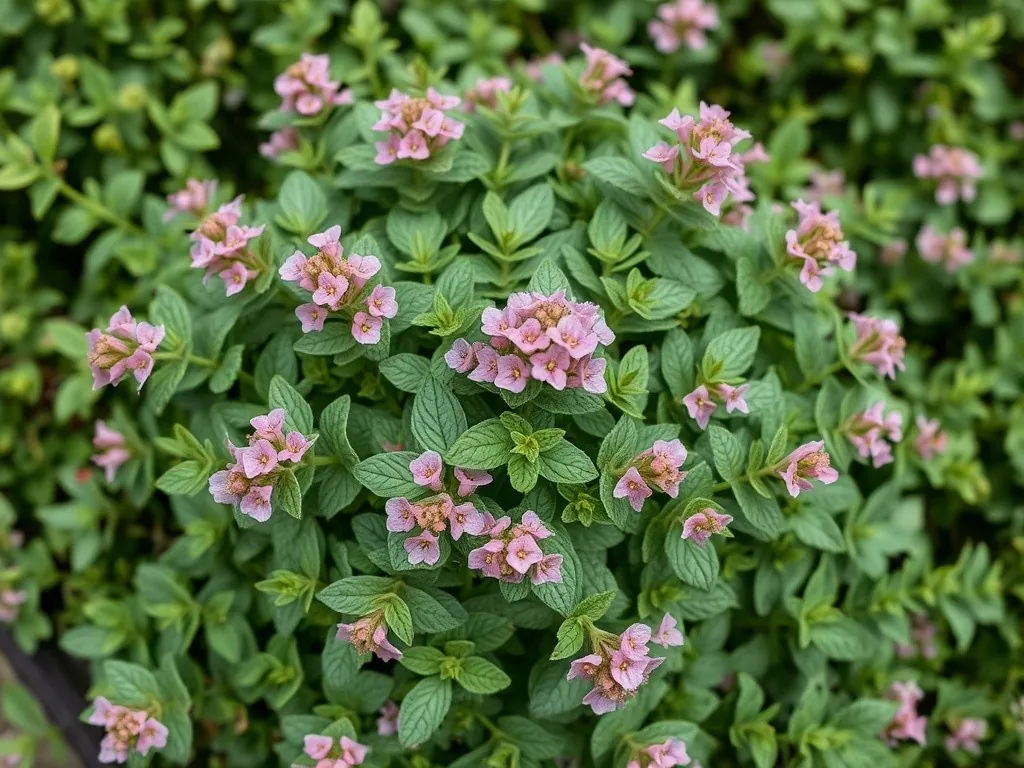
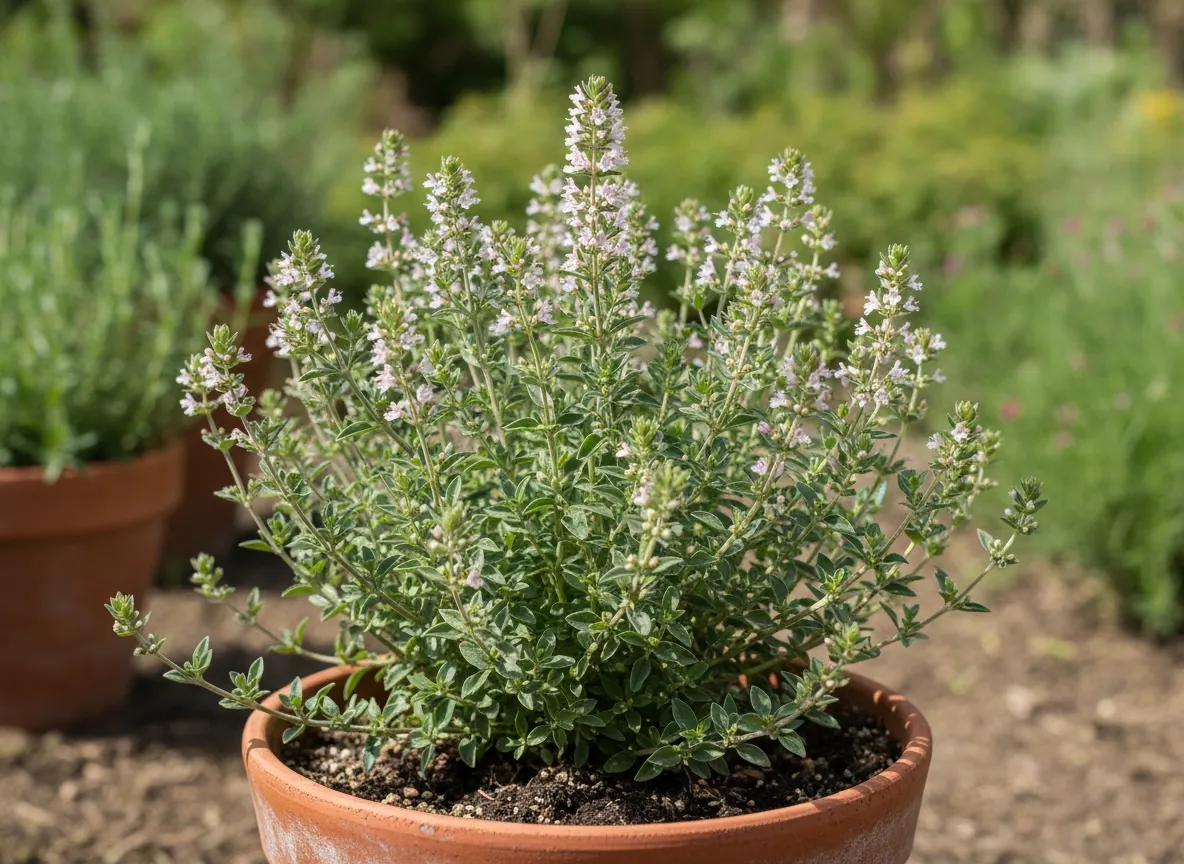
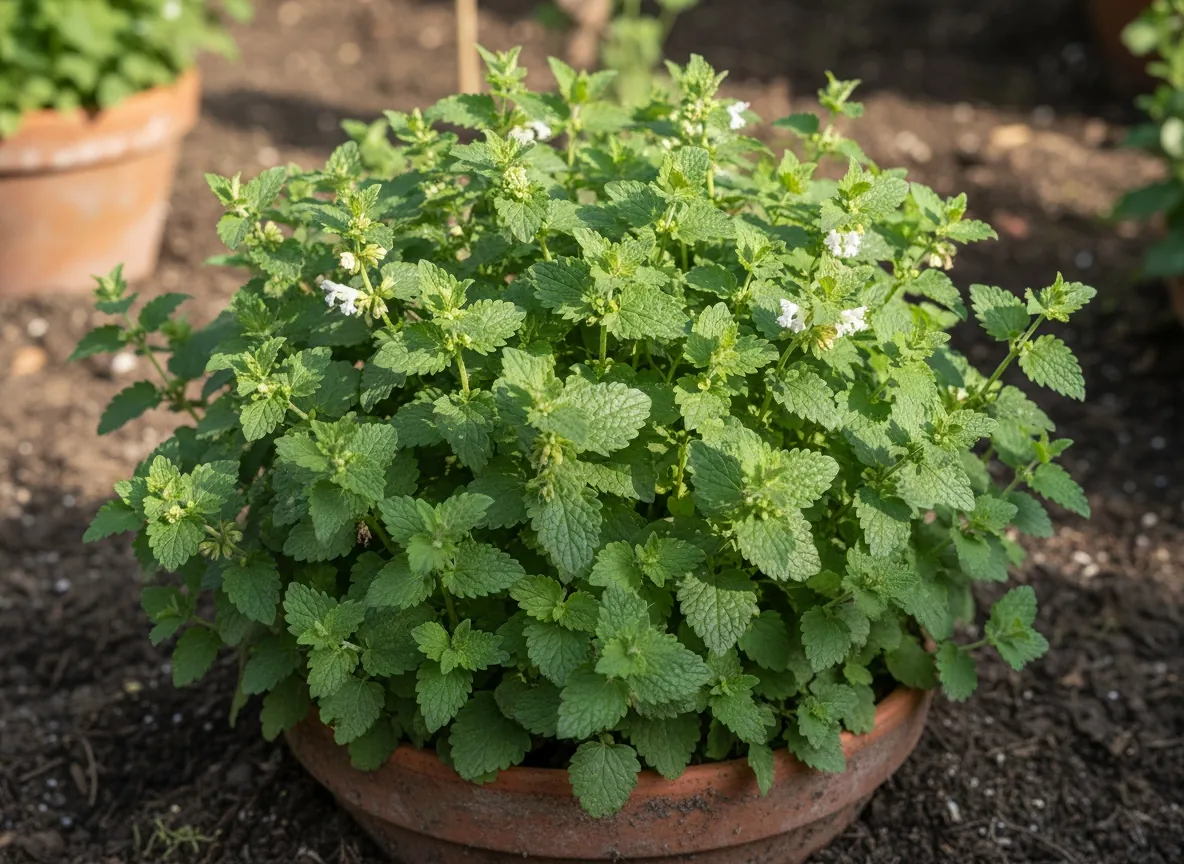
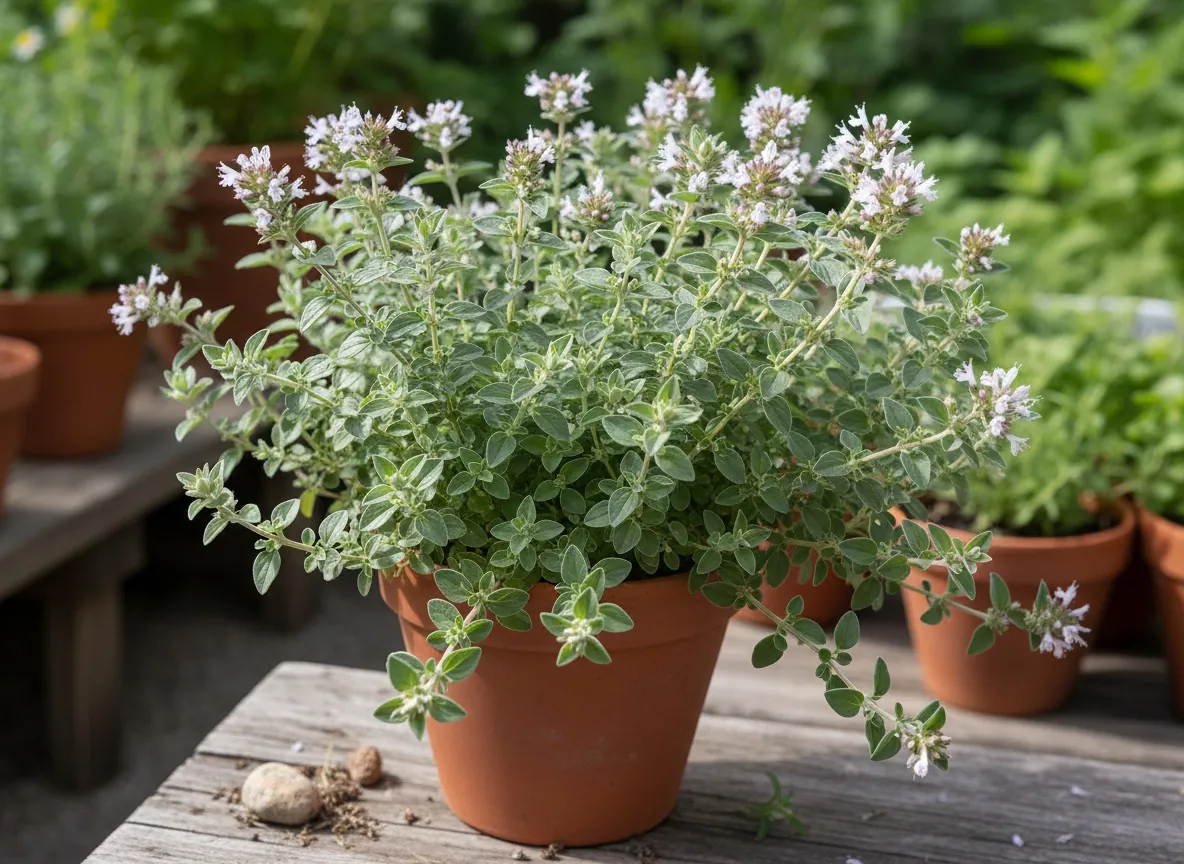
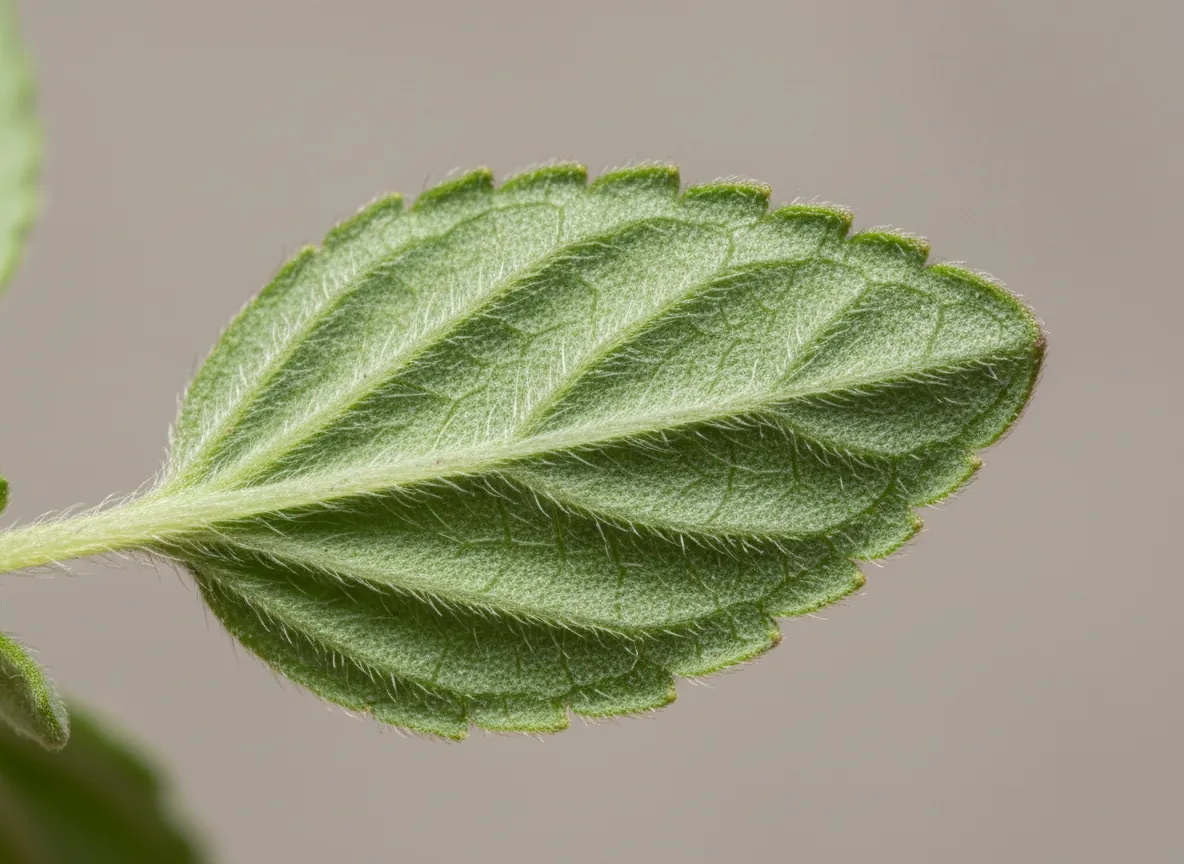
It forms a low, branched little clump 20–50 cm tall, with small, oval, finely hairy leaves in a grey-green shade. Characteristic are the compact, scaly flower heads resembling small cones or knots — hence the English name knotted marjoram. Small white or pale pink flowers emerge from them gradually. The whole plant smells mild, sweet and spicy, distinctly more delicate than the related oregano.
Growing and care
Watering
Despite appearances it is not as drought-loving as lavender — young plants require regular, moderate watering. What it will not tolerate is wet soil and cold, rainy sites, where it rots at the base.
Fertilizing
Very sparingly. Nitrogen feeding produces sprawling, watery shoots with a markedly weaker aroma and greater susceptibility to disease.
Planting
A site as warm and wind-sheltered as possible, the soil well-drained and warmed through. The seeds germinate slowly and need light — they are sown very shallowly, barely pressed in.
Pruning
Cut whole shoots about 5 cm above the ground, on a sunny day once the dew has dried. The plant regrows and, in favourable weather, gives one more harvest before the frosts.
Companion plants
Good companions
An aromatic herb between the rows masks the scent of carrot foliage and makes it harder for the carrot fly to find the bed; both species like well-drained, warm soil.
Similar requirements (sun, well-drained soil, moderate moisture), and low-growing marjoram does not shade the onions; a classic vegetable garden pairing.
Planted at the edge of a potato bed it is held to confuse pests with its scent, and the low clump does not compete for light.
Bad companions
Cucumber requires constantly moist soil and intensive feeding — in such conditions marjoram sprawls, loses its aroma and rots at the base.
Mint spreads by runners and quickly smothers the slow-growing, small marjoram clump, additionally keeping excessive moisture around it.
The evidence level indicates whether the relationship is backed by research, observation, or gardening tradition.
Toxicity
| For whom | Level | Notes |
|---|---|---|
| Humans | None | A common culinary seasoning, safe in normal consumption. |
| Dogs | None | — |
| Cats | None | — |
History and origin
In ancient Greece marjoram was dedicated to Aphrodite and woven into wedding wreaths as a symbol of marital happiness; its species name is probably linked to the Arabic term for this herb. It reached Central Europe in the Middle Ages through monastery gardens, and in Polish cooking it took root so deeply that today it is hard to imagine sour rye soup, pea soup or pâté without it.
Uses
For the vegetable garden, warm herb beds, containers and balcony boxes with a southern exposure. In Polish cooking it is the seasoning for sour rye soup, pea soup, bean soup, roast meats, sausages, pâtés, stuffings and dishes of legumes — it takes cooking well, so it is added during the process. Dried, it keeps its aroma exceptionally well and even gains in intensity, so it is worth harvesting marjoram and drying it as a store before the first frosts.
Trivia
- Marjoram and oregano are the closest relatives from the same genus Origanum, but in the kitchen they do not substitute for each other — marjoram is sweet and mild, oregano sharp and pungent.
- In its Mediterranean homeland marjoram lives for several years; it will not survive a Polish winter even under cover, which is why here it is an annual.
Frequently asked questions
Will marjoram overwinter in a Polish garden?
No. In the Mediterranean climate marjoram is a perennial, but it will not survive a Polish winter even under cover — which is why here it is treated as an annual and sown every season. You can at most dig up the clump in autumn, move it into a pot and keep it in a bright, cool room, although the plants usually return in spring in poor condition.
How does marjoram differ from oregano?
They are two species of the same genus Origanum, but with a completely different character. Marjoram (O. majorana) smells sweet and mild, has grey-green, hairy leaves and does not overwinter here. Oregano (O. vulgare) is sharp and pungent, has darker leaves and is a fully frost-hardy perennial. In recipes they do not substitute for each other.
When should marjoram be harvested for drying?
The plant has the most essential oils just after the first flower heads have set, usually in July or August. The shoots are cut on a sunny day, once the dew has dried, about 5 cm above the ground, and dried in the shade in an airy place, in small bunches. In a warm autumn the plant will still manage to regrow and give a second harvest in September.
Sources
- Plants of the World Online (POWO) — Origanum majoranaDatabase (GBIF, POWO…)
- RHS — Origanum majoranaInstitution / botanical garden
My note
A private note for this plant — saved in your browser.