In short
- Position: shoots and flowers in the sun, but the base and roots must stay shaded and cool.
- It climbs by means of twining leaf stalks — it needs netting, trellis or thin stakes.
- The method and timing of pruning depend on the pruning group of the given cultivar.
- Susceptible to clematis wilt — planting the crown of the shoots deep helps prevent it.
- The whole plant contains an irritant sap — caution is advised when pruning and handling it.
Botanical data
- Family
- Ranunculaceae (Ranunculaceae)
- Height
- 2–4 m
- Width
- 1–1.5 m
- Habit
- Creeping
- Growth rate
- Fast
- Position
- Full sun, Partial shade
- Soil
- Loamy, Humus-rich
- pH reaction
- pH 6–7.5
- Moisture
- Moderate, Moist
- Bloom
- June–September
- Hardiness
- USDA 4b–8b
- Propagation
- From cuttings, By layering
Characteristics
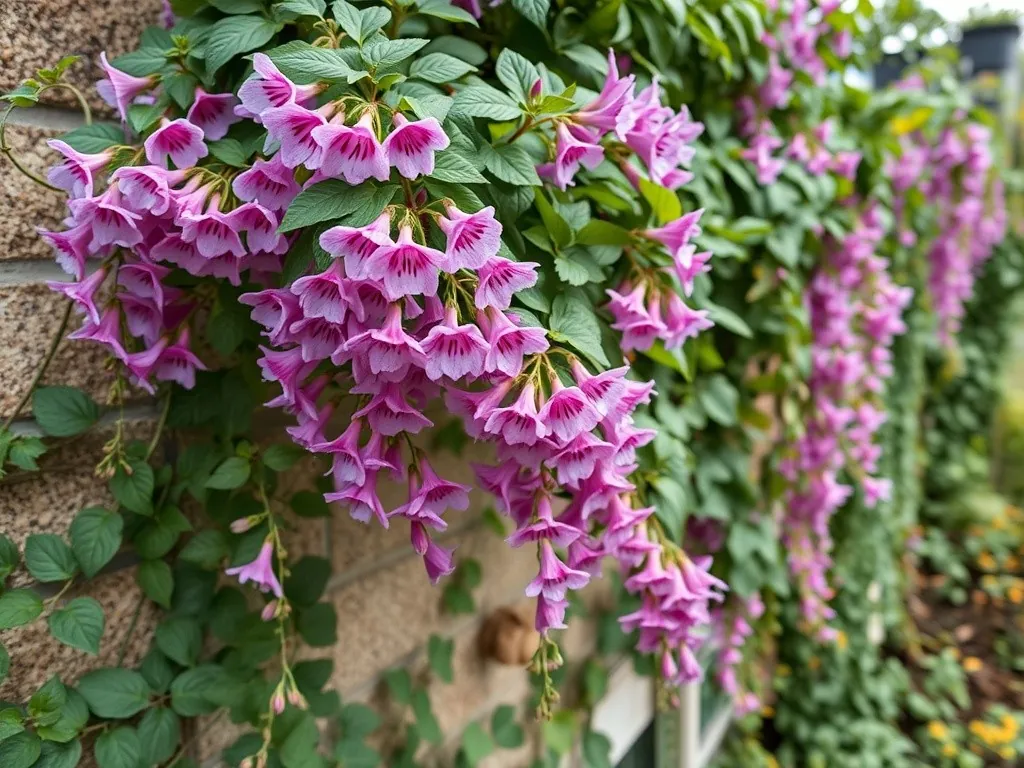
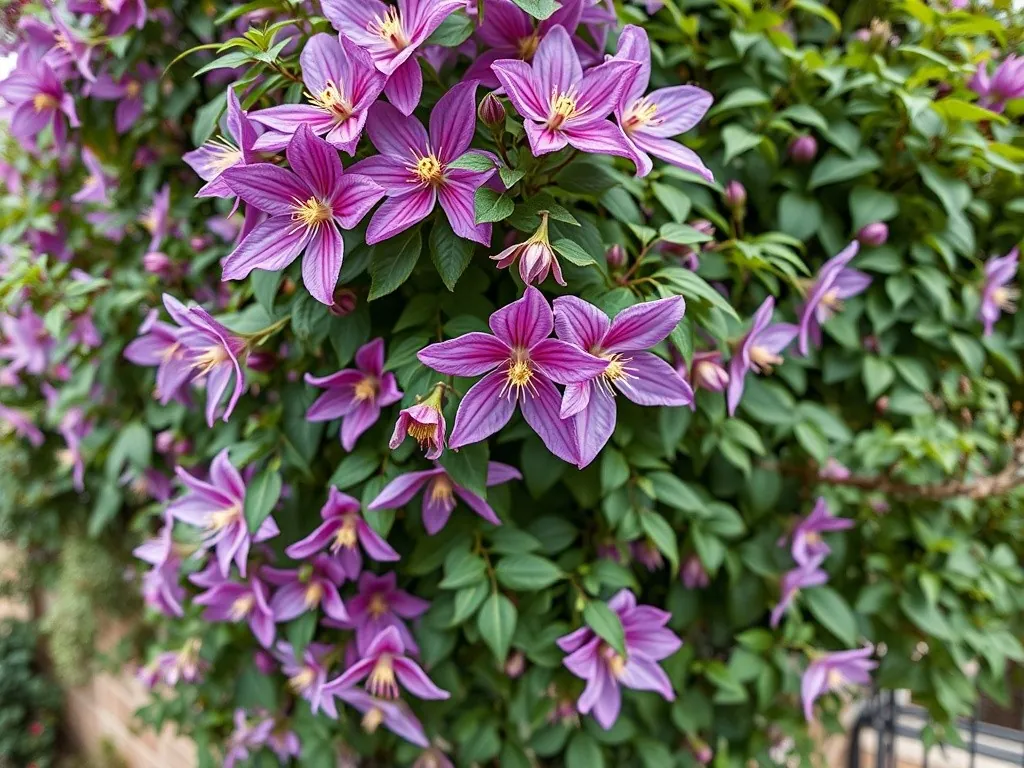
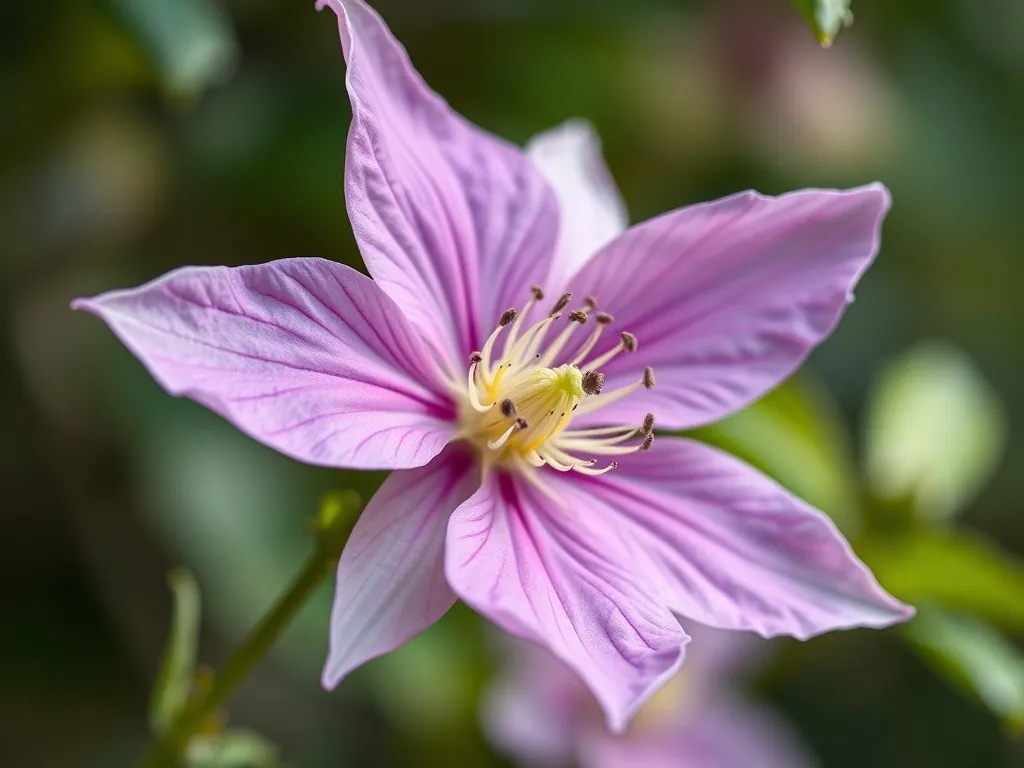
A climber with thin, pliable shoots that climb by means of twisting leaf stalks, capable of covering several metres in a season. The flowers are large, flat, composed of petal-like tepals, and borne singly on long stalks. Depending on the cultivar, it flowers once abundantly in summer or twice — in spring on old wood and in summer on new wood.
Growing and care
Watering
The classic rule for growing clematis applies: 'feet in the shade, head in the sun' — the soil at the base of the shoots must stay cool and moist, while the shoots and flowers need full sun.
Fertilizing
Regular but moderate doses — heavy nitrogen fertilising promotes lush shoots at the expense of flower numbers.
Planting
Plant deeper than the plant grew in its pot, so that the crown of the shoots ends up 5–10 cm below ground — this protects against clematis wilt. Shade the base of the shoots with low plants, stones or mulch, following the rule 'feet in the shade, head in the sun'.
Pruning
Cultivars that flower on this year's shoots are cut back hard, to 20–30 cm above the ground, in early spring. Cultivars that flower twice need only the removal of damaged and weak shoots and a light trim after the first bloom.
Companion plants
Good companions
A classic garden pairing — both plants climb on the same structure, and the clematis's flowering complements the rose's flowering season.
Planted at the base of the clematis, it shades and cools the soil around the shoot base, putting the rule 'feet in the shade, head in the sun' into practice.
Bad companions
The shallow and extensively spread root system of spruce competes for water and nutrients, and the acidic litter from falling needles does not favour the neutral soil pH preferred by clematis.
They compete strongly for water and space precisely in the clematis's root zone, which must be kept cool and moist.
The evidence level indicates whether the relationship is backed by research, observation, or gardening tradition.
Toxicity
| For whom | Level | Notes |
|---|---|---|
| Humans | Moderate | The plant's sap contains protoanemonin, a compound that irritates skin and mucous membranes — contact can cause irritation and blistering, and ingestion nausea and irritation of the digestive tract. |
| Dogs | Moderate | Eating leaves or shoots can cause vomiting, drooling and irritation of the mouth. |
| Cats | Moderate | — |
History and origin
The modern large-flowered cultivars were bred in Europe in the 19th century, crossing species introduced from China and Japan with native European clematis. The cultivar 'Jackmanii', one of the first and still popular, was created in England in the 1860s and gave rise to the whole range of garden cultivars grown today.
Uses
For covering pergolas, gazebos, trellises and garden posts, and for training together with roses or other climbers on a shared structure. It works excellently as a dominant floral accent on a terrace or at a house entrance.
Trivia
- The genus name Clematis comes from the Greek 'klema', meaning a shoot or vine tendril, referring to its climbing habit.
- The rule 'feet in the shade, head in the sun' is one of the most frequently repeated pieces of gardening advice for growing clematis successfully.
Frequently asked questions
Why are my clematis leaves suddenly wilting and turning black?
These are symptoms of clematis wilt, a fungal disease that attacks the stem just above ground level. Infected shoots must be cut off below the point of infection — if the plant was planted deep, it usually resprouts from buds hidden underground.
How can I check which pruning group my cultivar belongs to?
Information about the pruning group (usually labelled group 1, 2 or 3) should be on the plant label at purchase. If the label has been lost, it is worth observing when the plant flowers — earlier in spring on old shoots, or only in summer on new ones — this indicates the correct pruning method.
Why isn't my clematis flowering despite lush growth?
The most common causes are a root zone that is too dry or overheated, incorrect pruning that does not match the cultivar's group, or too much shade on the upper part of the shoots, which need sun to form flower buds.
Sources
- RHS — Clematis (Large-flowered Group)Institution / botanical garden
- Plants of the World Online (POWO)Database (GBIF, POWO…)
My note
A private note for this plant — saved in your browser.