In short
- A native species - it grows wild in Polish riparian forests and by water.
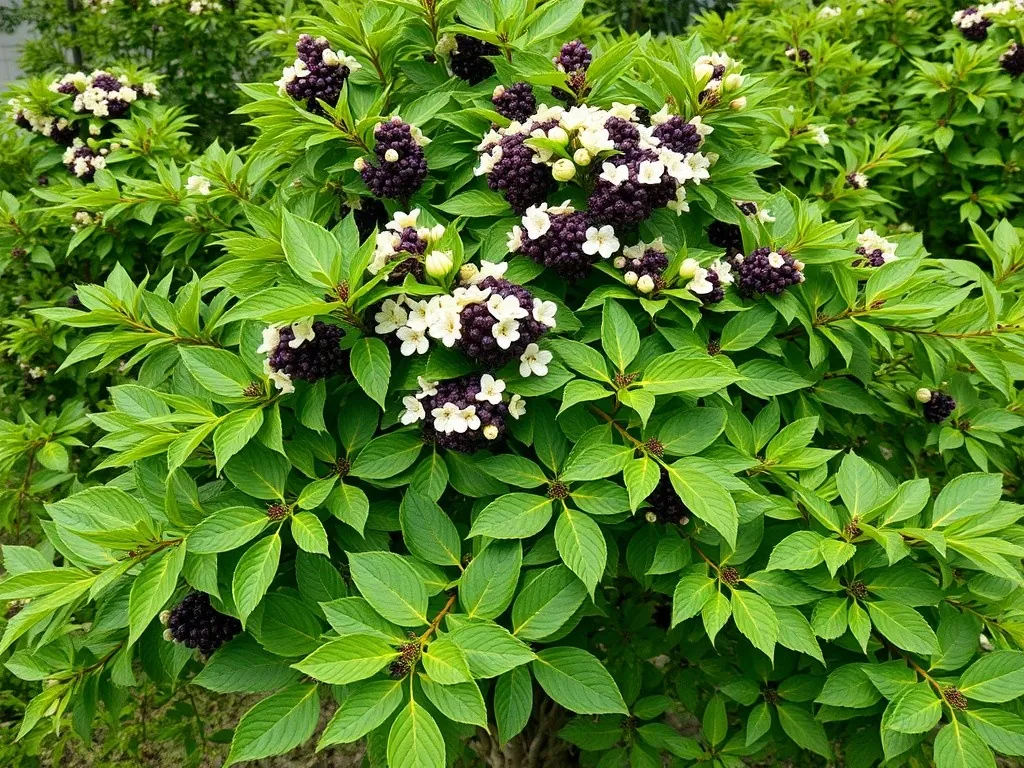
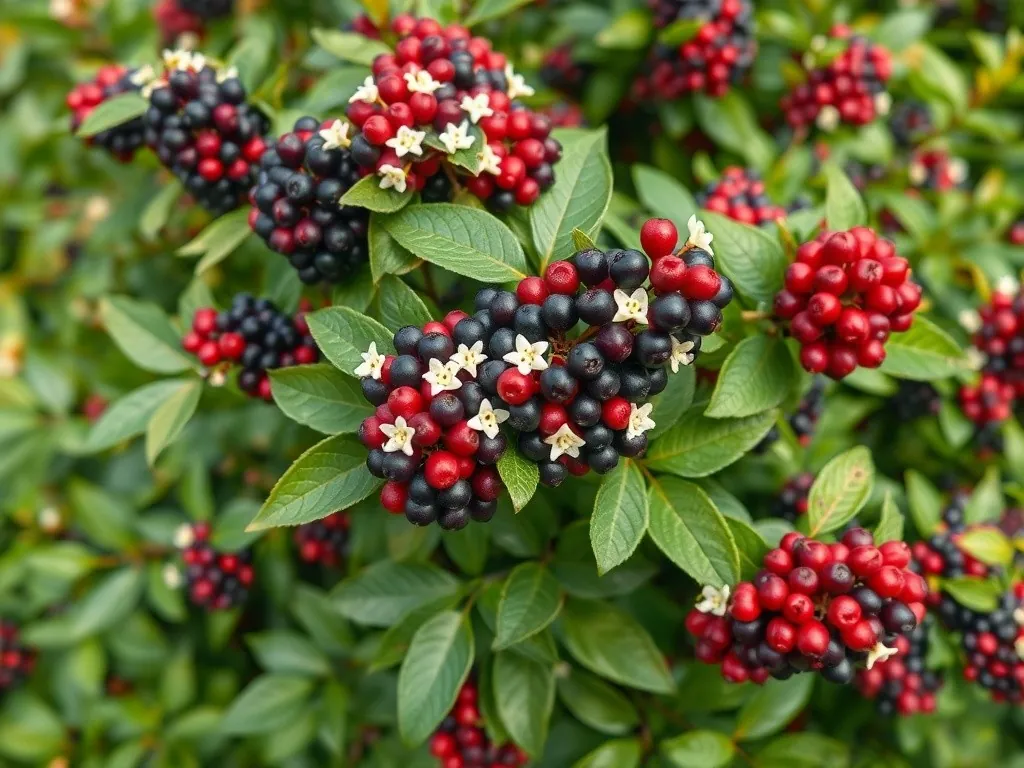
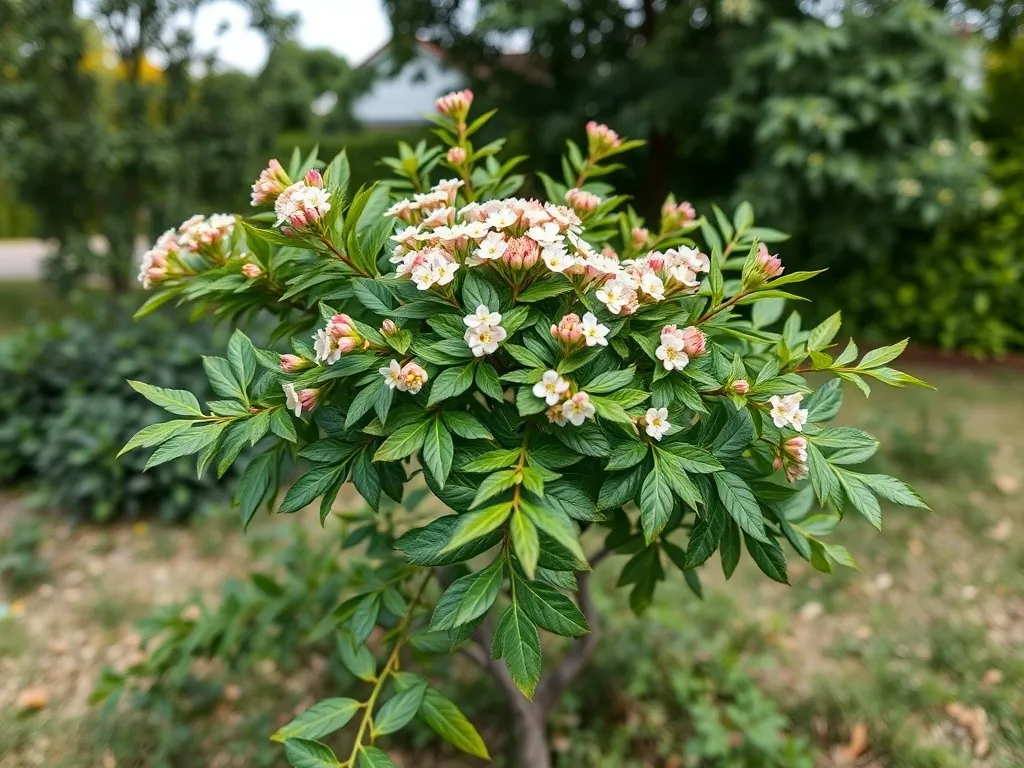
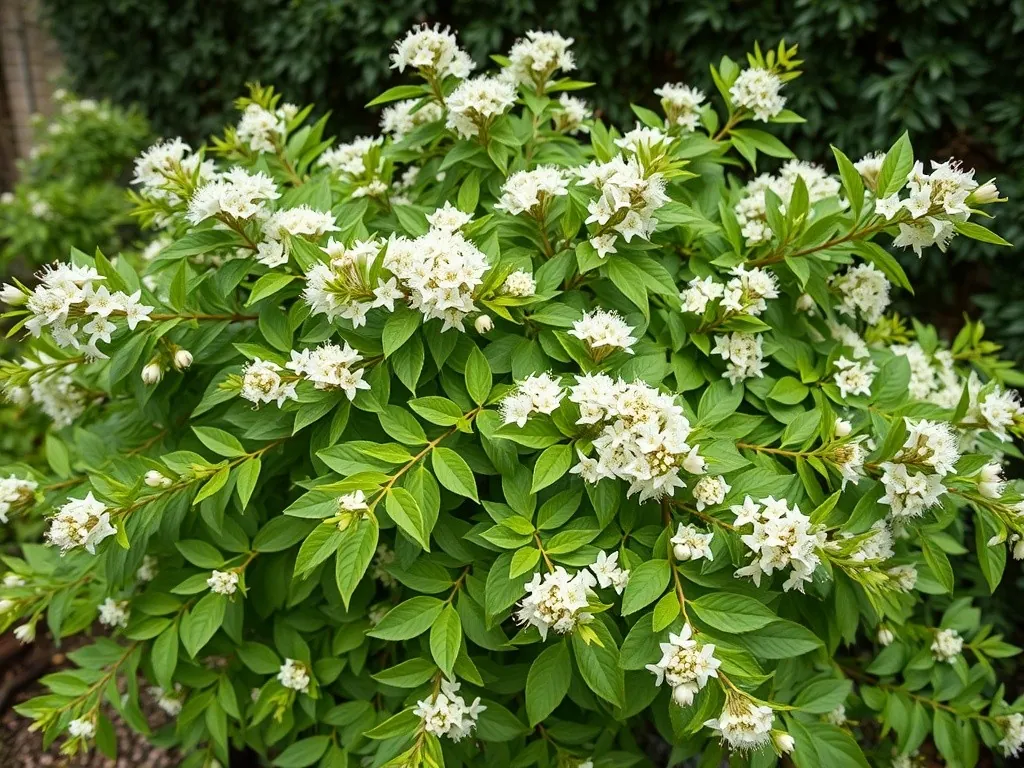
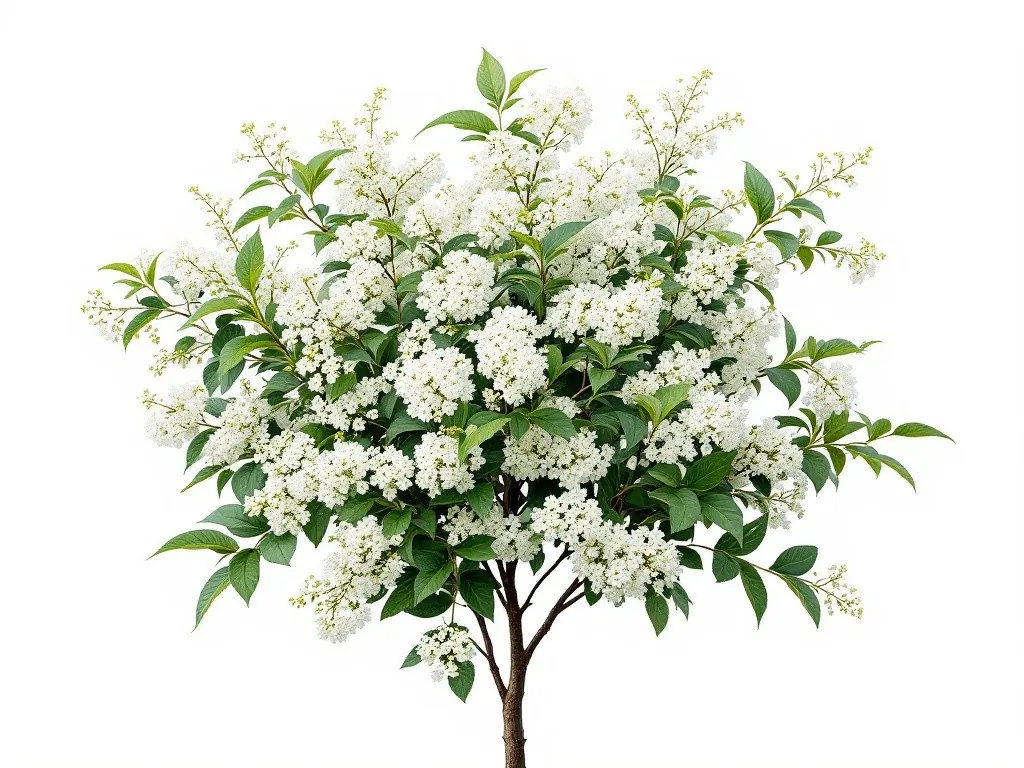
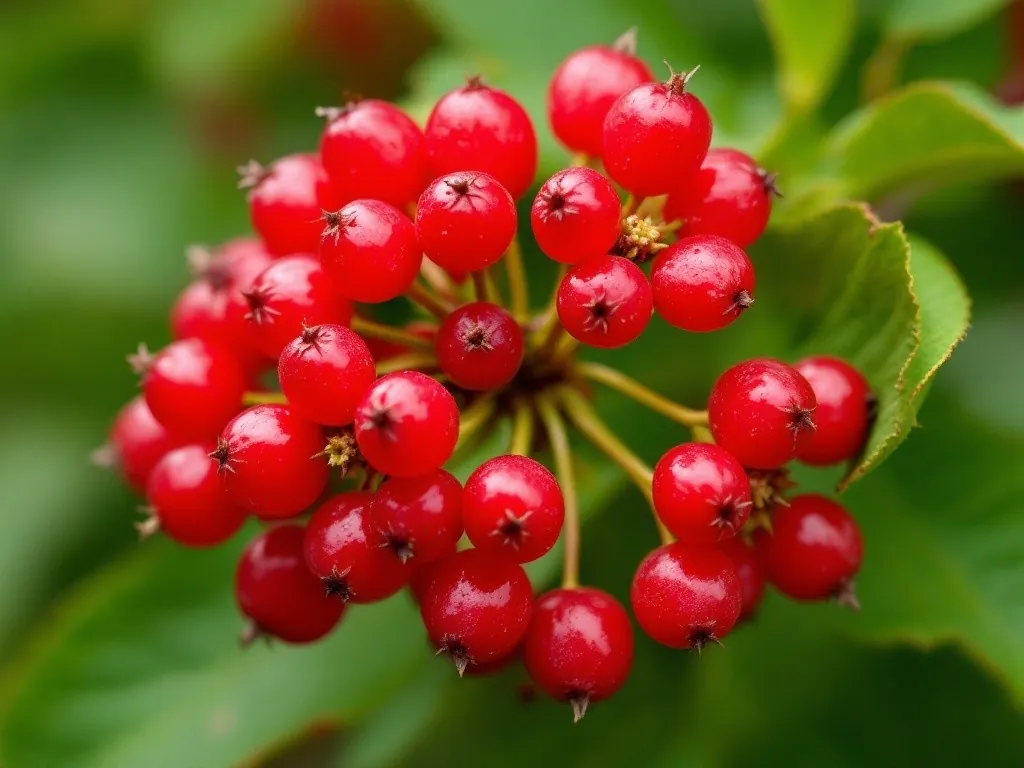
- White 'lacecap' flower clusters in May-June, red fruits from autumn into winter.
- The fruits are an important food for overwintering birds such as fieldfares and waxwings.
- Tolerates moist and periodically waterlogged soil better than most ornamental shrubs.
- Intense red and purple autumn leaf colour.
- The raw fruits are mildly toxic to humans - suitable for preserves once cooked.
Botanical data
- Family
- Adoxaceae (Adoxaceae)
- Height
- 2–4 m
- Width
- 1.5–3 m
- Habit
- Spreading
- Growth rate
- Moderate
- Position
- Full sun, Partial shade
- Soil
- Loamy, Humus-rich, Peaty
- pH reaction
- pH 5.5–7.5
- Moisture
- Moist, Wet
- Bloom
- May–June
- Hardiness
- USDA 3a–8b
- Propagation
- From cuttings, By layering, From seed
Characteristics
A shrub with lobed, three-part leaves resembling those of a maple, which turn red and purple in autumn. The flat flower clusters consist of large, sterile flowers around the edge (to attract pollinators) and small, fertile flowers in the centre - the arrangement typical of so-called lacecap inflorescences. Glossy, red fruits in drooping clusters ripen in autumn and remain on the shrub long after the leaves have fallen.
Growing and care
Watering
It naturally grows on wet sites - it tolerates periodic flooding well, but copes poorly with brief drought on light soils.
Fertilizing
Undemanding on fertile, moist soils; on poor soils it is worth applying a multi-nutrient fertiliser in spring.
Planting
Prefers fertile, moist soil; it also grows well on the banks of ponds and in periodically waterlogged spots.
Pruning
Thin out the oldest shoots at the base to rejuvenate the shrub and preserve its natural, spreading shape.
Companion plants
Good companions
Similar habitat requirements - moist or periodically waterlogged soil; a natural companion in riparian sites and along the banks of water.
Bad companions
The guelder rose needs moist soil and copes poorly with drying out, which conflicts with the requirements of plants from dry habitats.
The evidence level indicates whether the relationship is backed by research, observation, or gardening tradition.
Diseases and pests
Yellow or angular (vein-bounded) spots on the upper leaf surface, matched underneath by a grey-violet or brown coating of spores. It differs from powdery mildew, whose white coating sits on the upper surface. It develops in humidity and cool nights and is dangerous to cucumbers, onions and grapevines.
AphidsSmall (1–3 mm) soft-bodied insects, green, black or pink, feeding in clusters on young shoots and the underside of leaves. They excrete sticky honeydew.
Toxicity
| For whom | Level | Notes |
|---|---|---|
| Humans | Moderate | The raw fruits are bitter and mildly toxic - they cause nausea and vomiting; after cooking (for example into preserves) the toxicity drops significantly. |
| Dogs | Mild | — |
| Cats | Mild | — |
History and origin
The guelder rose has featured in European folklore and folk medicine for centuries - the bark was traditionally used as an antispasmodic. In Slavic culture, especially among the East Slavs and in Ukraine, the guelder rose (kalyna) is a national symbol present in songs, folk motifs and embroidery.
Uses
For naturalistic gardens, plantings beside water features and in damp spots, informal hedges, and as a plant that attracts birds and pollinating insects. The fruits are ornamental in winter and are also used in floral arrangements.
Trivia
- The ornamental cultivar 'Roseum' (also known as the snowball tree) has entire flower clusters made up of large, sterile flowers forming white globes - it is sterile and produces no fruit.
- Despite being mildly toxic when raw, the fruits of the guelder rose lose their bitterness once cooked with sugar and are used for jams, juices and liqueurs in traditional Eastern European cuisine.
Frequently asked questions
Can you eat the fruits of the guelder rose?
The raw fruits are bitter and mildly toxic - they may cause nausea and vomiting if eaten in larger quantities. Once cooked, for example into jam, juice or liqueur, they lose their bitterness and toxicity and are traditionally used in cooking.
Why do the fruits of the guelder rose stay on the shrub all winter?
The fruits are bitter and not very appealing to birds in autumn, so they remain on the shrub almost untouched. Birds such as fieldfares and waxwings usually eat them later in winter, when frost softens the pulp and other food sources are limited.
Does the guelder rose need moist soil?
Yes, in its natural habitat it grows on moist and periodically waterlogged sites, such as riparian forests and along the banks of water. In the garden it grows best on fertile, consistently moist soil and copes poorly with prolonged drought.
Sources
- Plants of the World Online (POWO)Database (GBIF, POWO…)
- RHS — Viburnum opulusInstitution / botanical garden
My note
A private note for this plant — saved in your browser.