In short
- WARNING: highly poisonous to humans, dogs, cats and horses — the needles, bark, wood and seeds are toxic; only the red flesh of the seed coat is safe.
- One of the few conifers that tolerates pruning into old wood — ideal for formal hedges and topiary.
- Exceptionally shade-tolerant — grows even in deep shade, where other conifers cannot survive.
- Very long-lived (centuries, with individual specimens even over a thousand years) and slow-growing.
- Needs well-drained soil — does not tolerate permanently wet substrate.
- Old, wild-growing specimens are protected by species law in Poland; nursery plants sold for gardens are not covered by this protection.
Botanical data
- Family
- Taxaceae (Taxaceae)
- Height
- 1–5 m
- Width
- 1.5–4 m
- Habit
- Spreading
- Growth rate
- Slow
- Position
- Full sun, Partial shade, Shade
- Soil
- Loamy, Chalky, Humus-rich
- pH reaction
- pH 6–7.5
- Moisture
- Moderate
- Bloom
- March–April
- Hardiness
- USDA 4b–8a
- Propagation
- From cuttings, From seed
Characteristics
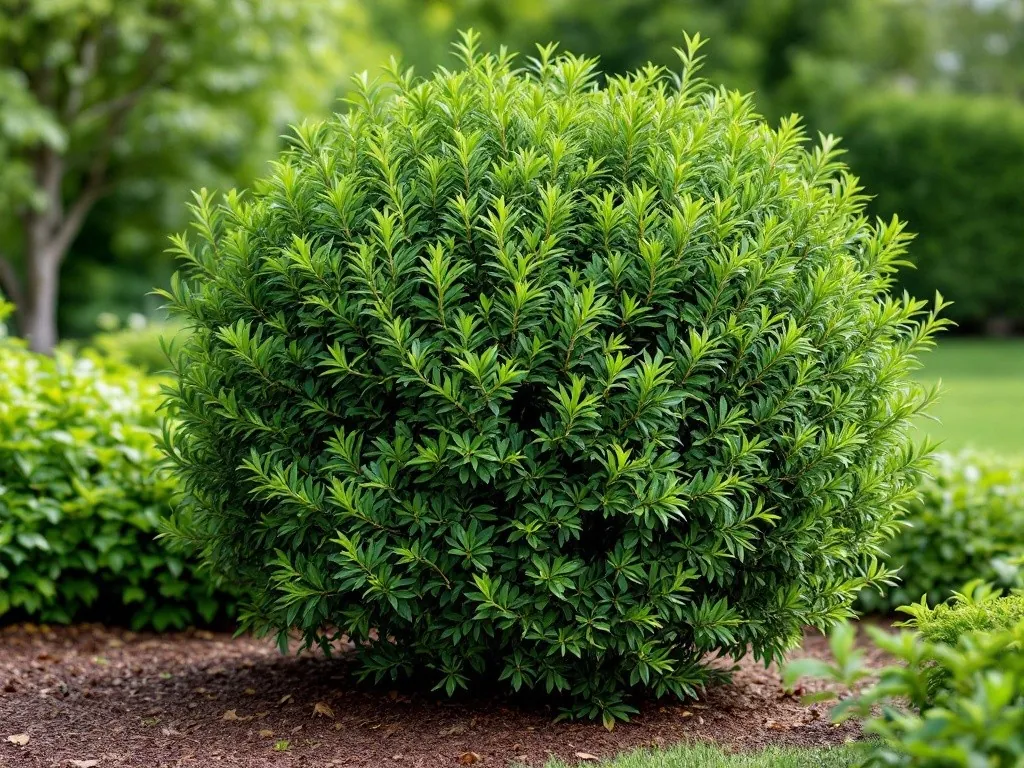
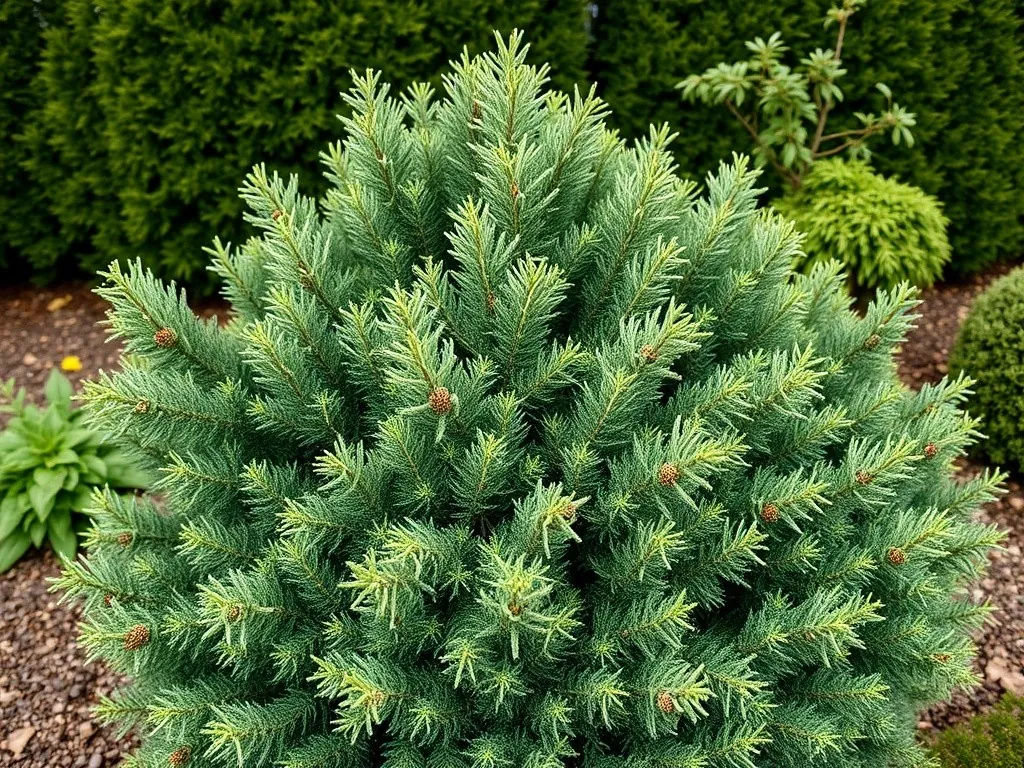
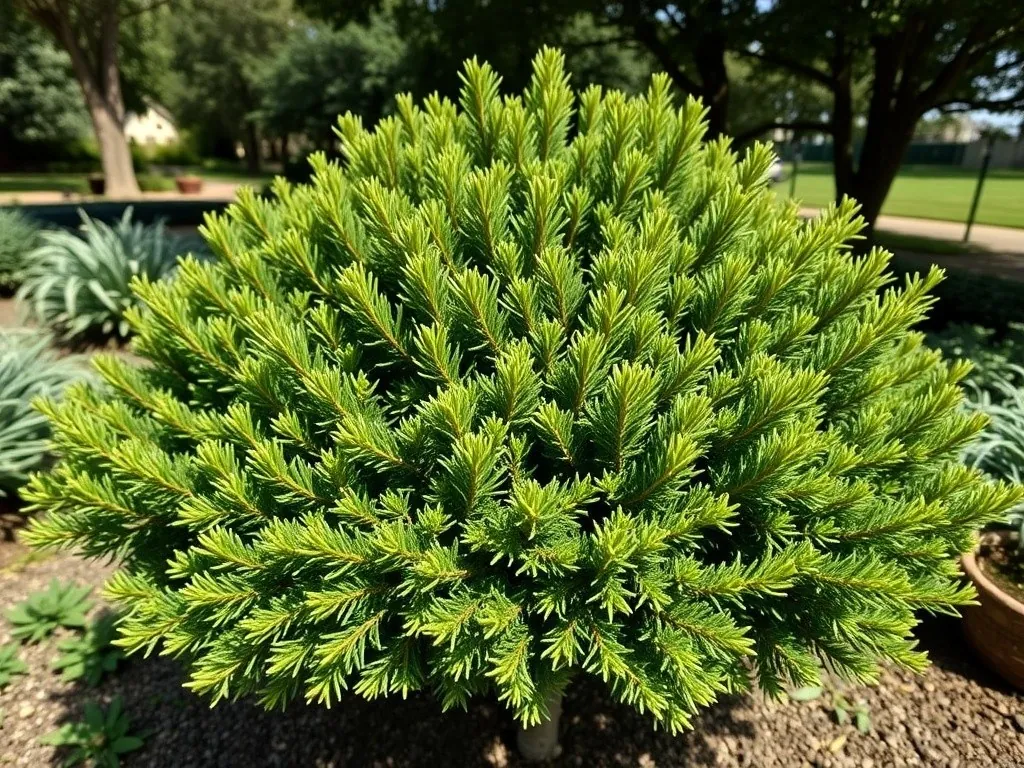
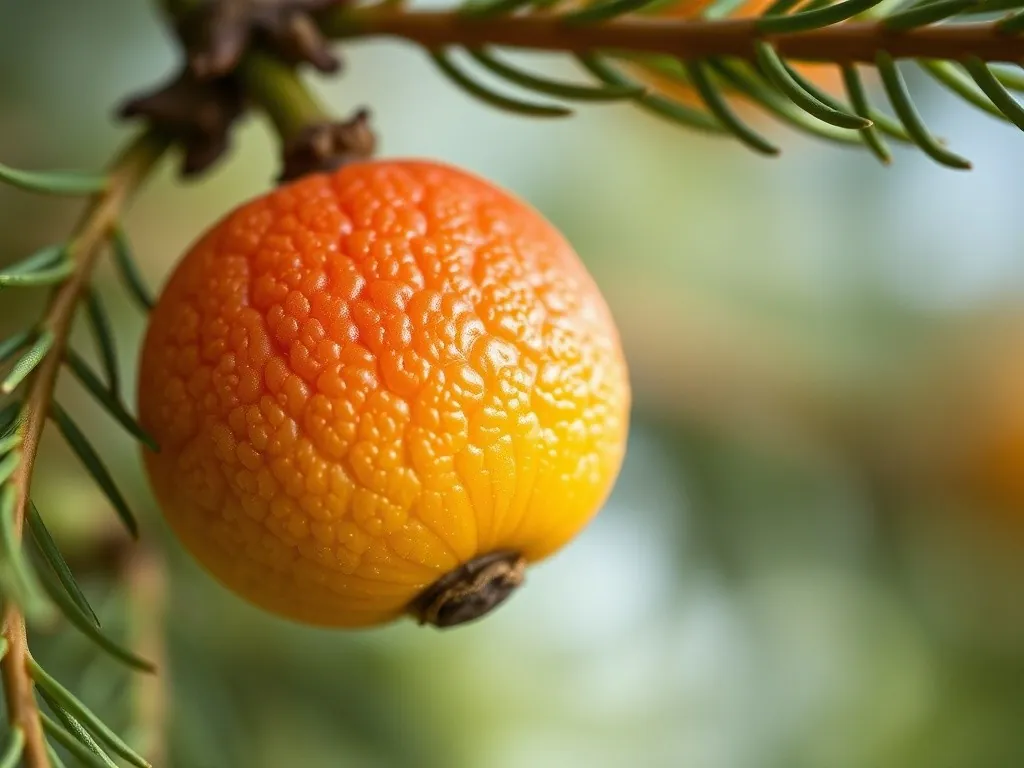
It forms a dense, spreading shrub (or small tree) with dark green, soft, flattened needles arranged comb-like on the shoots. The plant is dioecious — male and female flowers grow on separate specimens. Instead of a typical cone, yew produces a single seed surrounded by a bright pink, fleshy seed coat that ripens in autumn.
Growing and care
Watering
Well-established plants tolerate drought but do not tolerate permanently wet, waterlogged substrate — excess water in the soil leads to root rot.
Fertilizing
Fertilise sparingly — yew grows well even on poor soils.
Planting
Ensure good drainage — on heavy soils mix in gravel; avoid hollows where water collects.
Pruning
As one of the few conifers, yew resprouts from old wood, so it can be cut very hard and shaped into topiary without risking bare, dead branches.
Companion plants
Good companions
Similar shade tolerance and slow growth rate — a classic pairing in formal gardens and hedges.
Both conifer species tolerate pruning well and together form hedges or avenues with varied texture.
Thrive well in the deep shade cast by yew's dense crown.
Bad companions
Yew's dense, permanent shade and strong root competition limit the growth and flowering of sun- and drought-loving plants planted close by.
Because of the high toxicity of all plant parts (except the seed coat), yew should not be planted directly next to playgrounds, pastures or animal enclosures.
The evidence level indicates whether the relationship is backed by research, observation, or gardening tradition.
Toxicity
| For whom | Level | Notes |
|---|---|---|
| Humans | Lethal | The needles, bark, wood and seeds contain taxine alkaloids that act strongly on the heart — ingesting even a small amount can be fatal. The only non-toxic part is the red, sweet flesh of the seed coat (the seed itself inside remains toxic and should not be chewed). |
| Dogs | Lethal | Even a small amount of ingested needles or twigs can cause cardiac arrhythmia and death; there is no specific antidote. |
| Cats | Lethal | — |
| Horses | Lethal | Horses are exceptionally sensitive to taxines — documented cases of sudden death after eating small amounts of cut yew branches, for example those discarded after pruning. |
| Rabbits | High | — |
History and origin
Yew has accompanied humans for millennia — its hard, elastic wood was the material of first choice for making bows, including the famous English longbows. Intensive harvesting of the wood over the centuries led to severe thinning of populations across Europe, making yew one of the first tree species to be placed under legal protection — local bans on felling it already existed in the Middle Ages. Today it is prized mainly as an ornamental plant for hedges, topiary and shaded plantings.
Uses
For formal hedges, hedge walls, topiary, and plantings in deep shade where most conifers do not grow. Because of its toxicity, planting directly next to playgrounds, pastures or animal enclosures is NOT recommended.
Trivia
- Compounds extracted from yew leaves are used to produce anti-cancer drugs (taxane derivatives) — so the same plant is both poisonous and medicinal, depending on dose and application.
- Some specimens of common yew in Europe are considered among the oldest living trees on the continent, over a thousand years old.
- Birds (e.g. thrushes, waxwings) eat the sweet flesh of the seed coat and excrete the undigested, undamaged seed — this is how they spread yew without being poisoned themselves.
Frequently asked questions
Is common yew poisonous, and which parts are dangerous?
Yes, yew is one of the most poisonous garden plants — the needles, bark, wood and seeds contain taxine alkaloids that act on the heart, dangerous to humans, dogs, cats and especially horses. The only safe part is the red, sweet flesh of the seed coat, provided the seed inside is not chewed.
Are wild-growing yews protected in Poland?
Old, wild-growing specimens of common yew in Poland may be subject to species protection or recognised as natural monuments. Nursery plants bought and planted in home gardens are not subject to this protection and may be freely cultivated.
Why is yew so popular for formal hedges?
Yew is one of the few conifers that resprouts from old, seemingly dead wood. This allows it to be cut very hard and repeatedly through the season without risking permanent bare patches, making it ideal material for topiary and geometric hedges.
Sources
- Plants of the World Online (POWO) — Taxus baccataDatabase (GBIF, POWO…)
- RHS — Taxus baccata (toksyczność i uprawa)Institution / botanical garden
My note
A private note for this plant — saved in your browser.