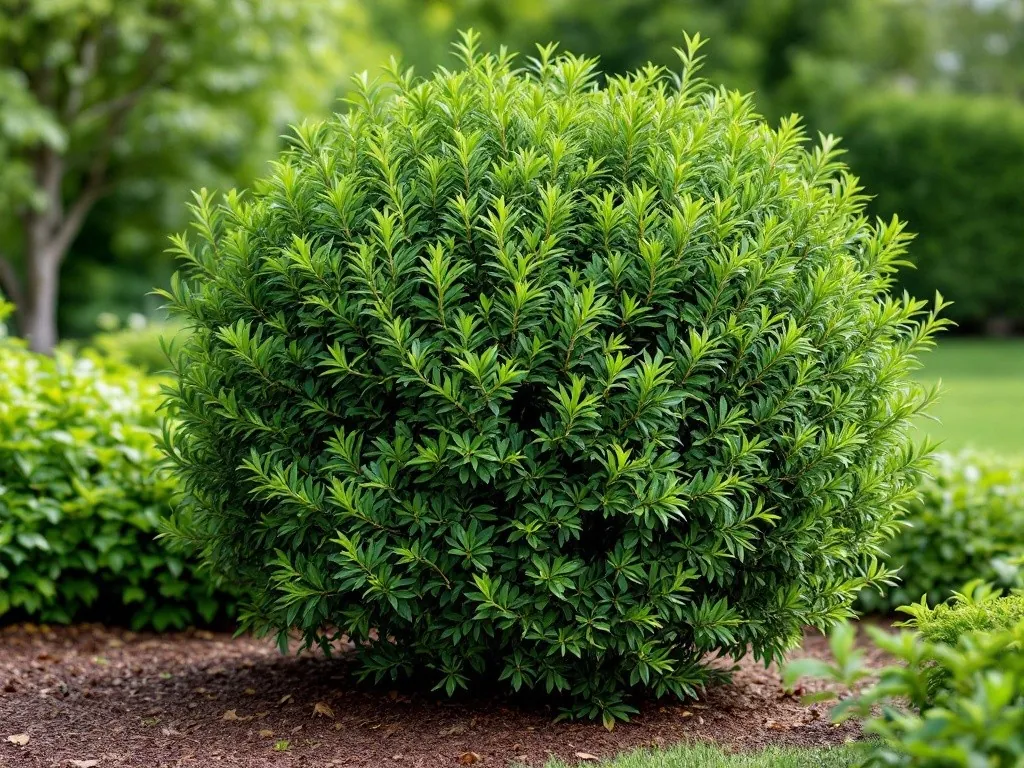
In short
- Tolerates frequent clipping — the basis for topiary and low hedges.
- Grows slowly; very long-lived.
- Tolerates sun and shade — exceptionally versatile.
- All parts are poisonous, especially to horses.
- Susceptible to boxwood blight (Cylindrocladium) and the box tree moth.
Botanical data
- Family
- Buxaceae (Buxaceae)
- Height
- 0.3–5 m
- Width
- 0.3–2 m
- Habit
- Upright
- Growth rate
- Slow
- Position
- Full sun, Partial shade, Shade
- Soil
- Loamy, Humus-rich, Chalky
- pH reaction
- pH 6.5–7.5
- Moisture
- Moderate
- Bloom
- —
- Hardiness
- USDA 5a–8b
- Propagation
- From cuttings
Characteristics
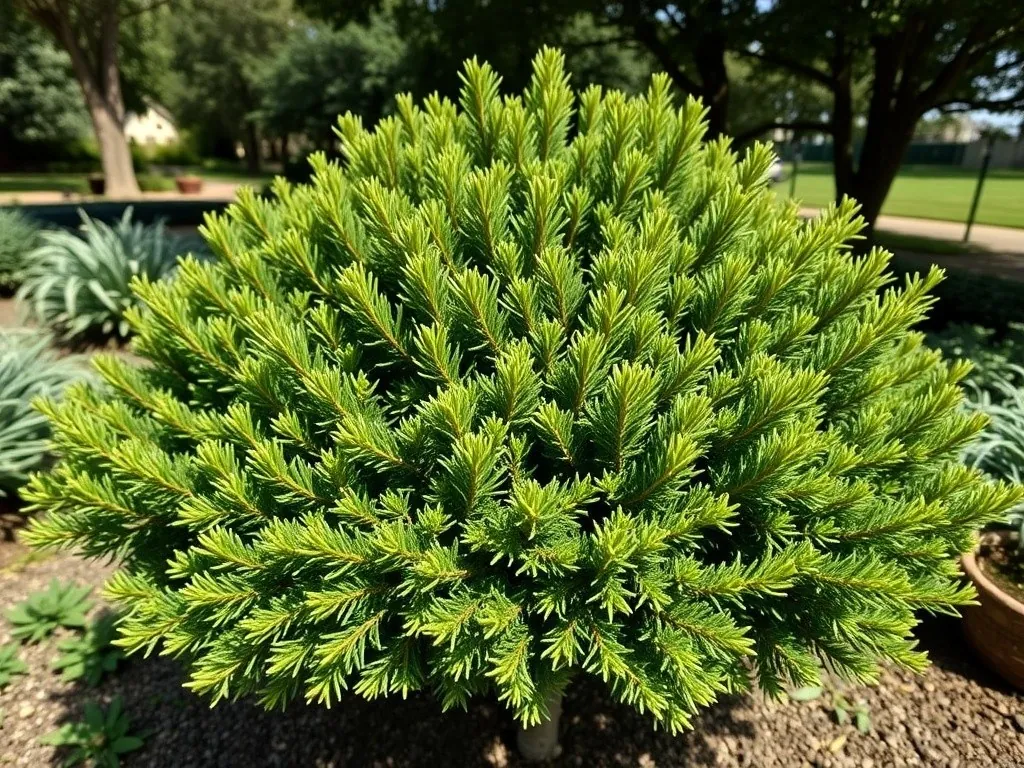
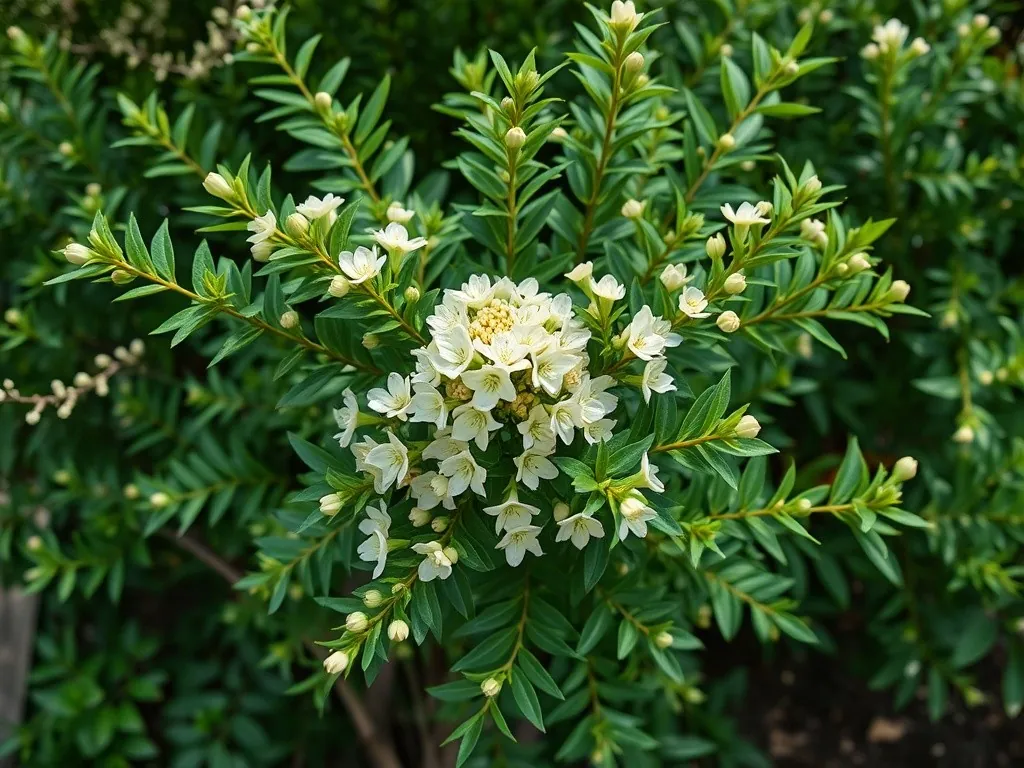
An evergreen, dense shrub with small, oval, leathery, dark green leaves. It grows slowly and tolerates shaping well, allowing it to maintain a crisp, geometric form.
Growing and care
Watering
Moderately drought-tolerant once established; regular watering during hot weather prevents leaf browning. Water at the base of the plant.
Fertilizing
Nitrogen deficiency causes yellowing; clipped hedges need regular feeding.
Planting
Fertile, well-drained, somewhat alkaline soil; tolerates both sun and shade, making it very versatile.
Pruning
Tolerates frequent, freeform shaping cuts — the basis for topiary and low hedges; prune on an overcast day to avoid scorching.
Companion plants
Good companions
Low boxwood edging is the classic framing for rose beds in formal gardens.
Boxwood edging and lavender are a classic pairing in formal and Provençal-style gardens.
Bad companions
Boxwood's dense, shallow roots strongly compete for water with plants planted right next to the edging.
The evidence level indicates whether the relationship is backed by research, observation, or gardening tradition.
Diseases and pests
Toxicity
| For whom | Level | Notes |
|---|---|---|
| Humans | Moderate | All parts contain alkaloids that are toxic if ingested. |
| Dogs | Moderate | — |
| Cats | Moderate | — |
| Horses | High | — |
History and origin
Boxwood has been used in formal gardens since Roman times. In Renaissance and Baroque French and Italian gardens, it became the foundation of parterres, mazes, and the art of topiary.
Uses
For low hedges, border edging, topiary figures, and container growing. A classic for formal and geometric gardens.
Trivia
- The hard, dense wood of boxwood was prized for precision items, musical instruments, and woodcut printing blocks.
- In recent years, boxwood cultivation in Europe has come under serious threat from the invasive box tree moth.
Frequently asked questions
Why is my boxwood turning brown and dying back?
Possible causes include the fungal disease boxwood blight (Cylindrocladium), box tree moth caterpillars, drought stress, or leaf scorch after pruning in full sun. It's worth checking for caterpillars and ensuring good air circulation.
When should you prune boxwood?
Best in late spring and summer, on an overcast day, so freshly cut leaves don't scorch. Boxwood tolerates frequent clipping, which helps maintain crisp shapes.
Is boxwood poisonous?
Yes — all parts contain toxic alkaloids that are especially dangerous to horses. Caution is advised in gardens accessible to animals.
Sources
- Plants of the World Online (POWO)Database (GBIF, POWO…)
- RHS — Buxus sempervirensInstitution / botanical garden
My note
A private note for this plant — saved in your browser.