In short
- The most popular hedging conifer in Central Europe.
- Needs regular watering — sensitive to drought.
- Tolerates formative pruning, but not cuts into old, leafless wood.
- All parts contain toxic thujone.
- Frost-hardy, but can dry out during frosty, snow-poor winters.
Botanical data
- Family
- Cupressaceae (Cupressaceae)
- Height
- 3–15 m
- Width
- 1–4 m
- Habit
- Columnar
- Growth rate
- Moderate
- Position
- Full sun, Partial shade
- Soil
- Loamy, Humus-rich
- pH reaction
- pH 6–8
- Moisture
- Moderate, Moist
- Bloom
- —
- Hardiness
- USDA 3a–8a
- Propagation
- From cuttings
Characteristics
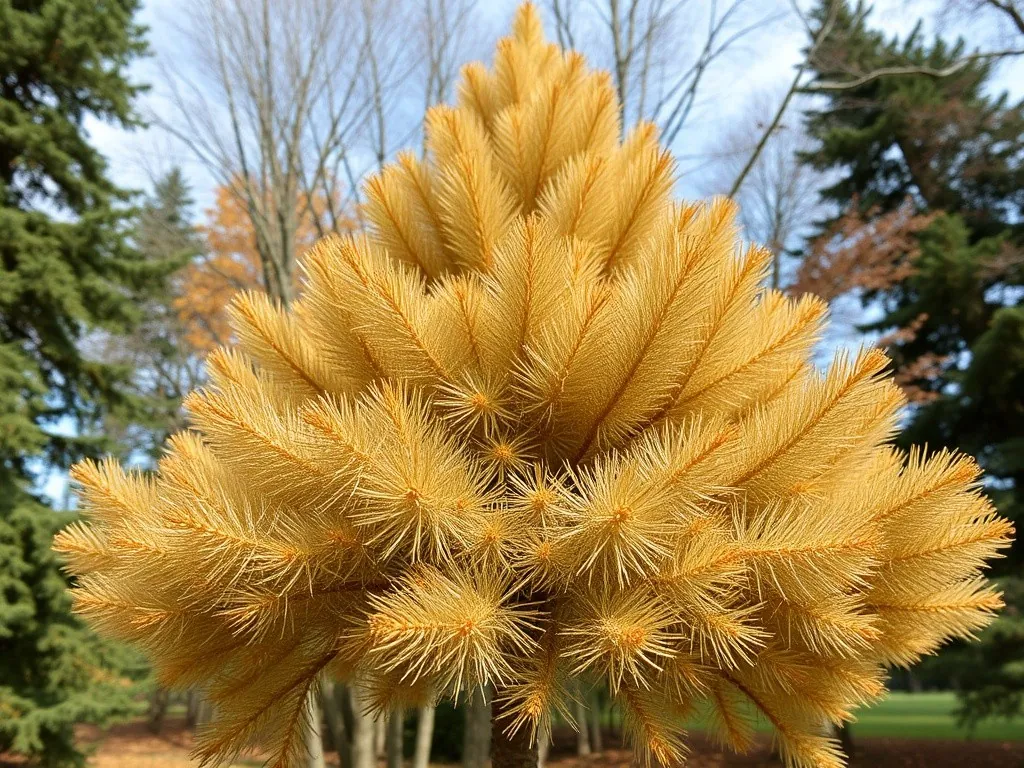
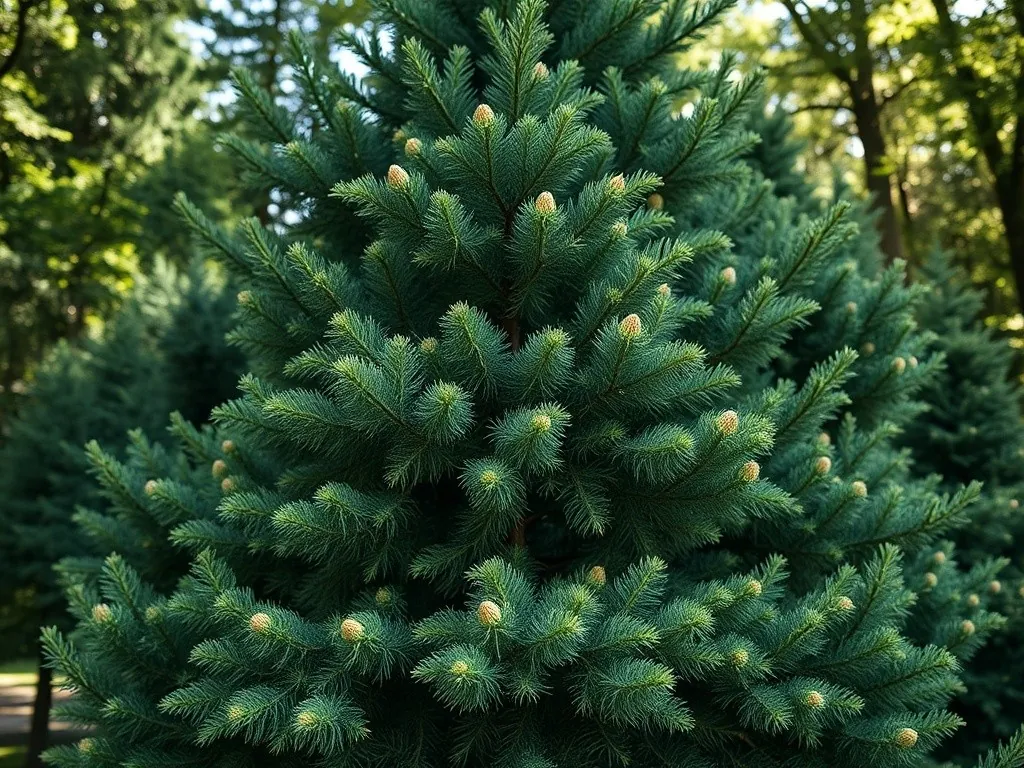
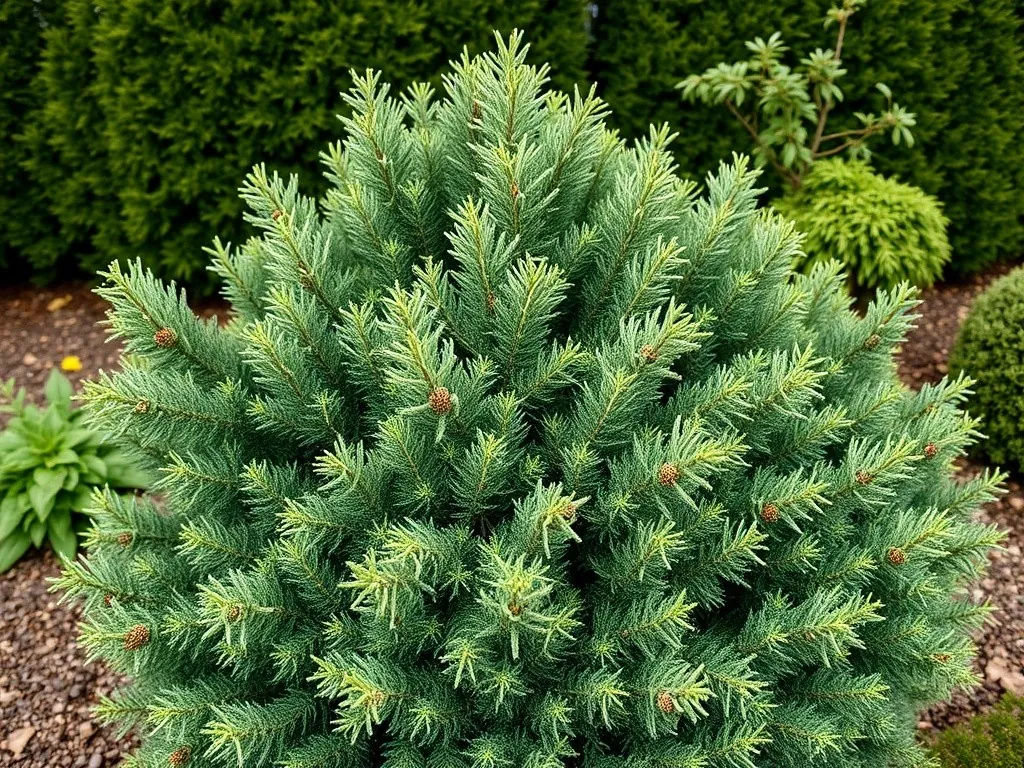
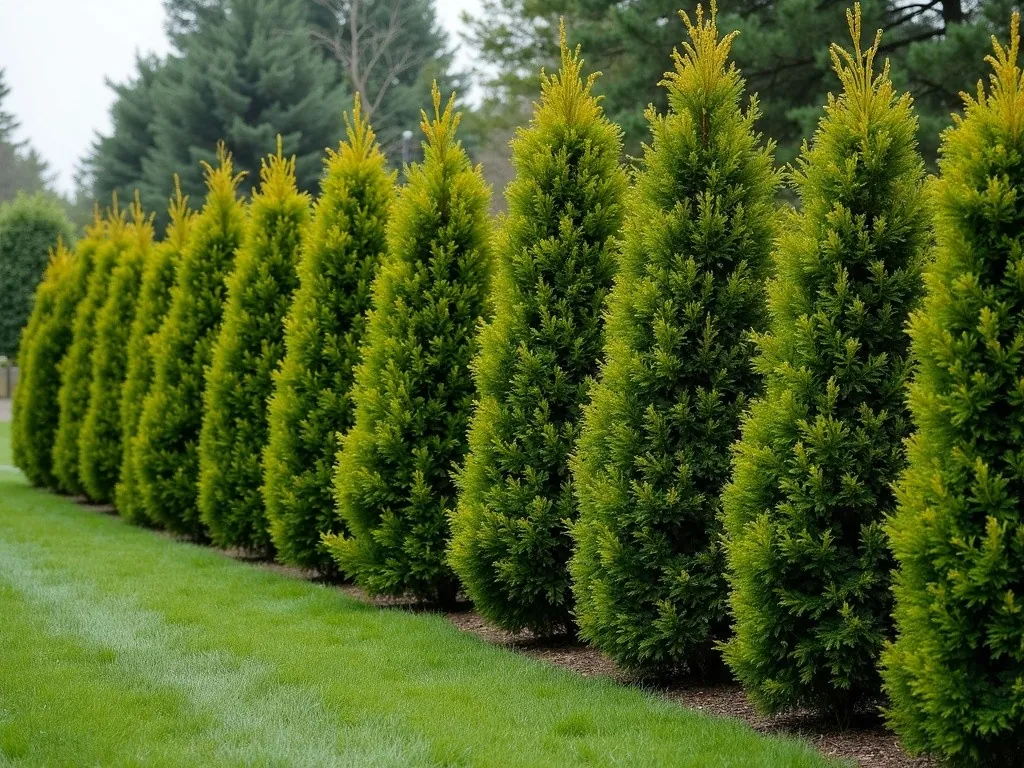
An evergreen tree with a conical or columnar habit and flattened, scale-like leaves with a strong, resinous scent when crushed. Numerous cultivars differ in color (from dark green to golden) and size.
Growing and care
Watering
Sensitive to drying out — browning scales are often a result of drought. Needs regular watering, especially in the first years and during heat waves.
Fertilizing
Conifer fertilizers contain magnesium, which prevents yellowing; apply the last feeding by July.
Planting
Fertile, moderately moist soil; for a hedge, plant with a spacing of 50-70 cm.
Pruning
Shape regularly by trimming this year's growth; avoid cutting into old, leafless wood.
Companion plants
Good companions
The green wall of thuja provides a neutral backdrop for flowering perennials and grasses planted in front of it.
Bad companions
A dense thuja hedge heavily shades and dries out the soil at its base, making it difficult for plants growing right next to it to thrive.
The evidence level indicates whether the relationship is backed by research, observation, or gardening tradition.
Diseases and pests
Toxicity
| For whom | Level | Notes |
|---|---|---|
| Humans | Moderate | Contains thujone — the essential oil and shoots are toxic if ingested, and the sap can irritate the skin. |
| Dogs | Moderate | — |
| Cats | Moderate | — |
| Horses | Moderate | — |
History and origin
Western arborvitae was the first North American tree brought into cultivation in Europe, in the 16th century. The name "arborvitae" (tree of life) comes from the supposed cure of scurvy in French explorers using a decoction of its leaves.
Uses
Primarily for clipped hedges and green walls, as well as a specimen plant and for group plantings. Dwarf cultivars for small gardens and containers.
Trivia
- The Latin name "arborvitae" means "tree of life."
- Despite its huge popularity as a hedging plant, thuja has low value for native wildlife compared with native deciduous shrubs.
Frequently asked questions
Why does thuja turn brown?
The most common causes are drying out (especially during frosty, snow-poor winters and hot summers), planting too deep, or cutting into old wood. Regular watering is key.
How closely should thuja be planted for a hedge?
Usually every 50-70 cm for the 'Brabant' cultivar and every 40-60 cm for the slower-growing 'Smaragd', depending on how quickly you want the hedge to fill in.
Is thuja poisonous?
Yes — all parts contain thujone, which is toxic if ingested by people and animals. The sap can also irritate the skin, so it's worth wearing gloves when pruning.
Sources
- Plants of the World Online (POWO)Database (GBIF, POWO…)
- RHS — Thuja occidentalisInstitution / botanical garden
My note
A private note for this plant — saved in your browser.