In short
- Site: from full sun to shade — one of the most shade-tolerant hedging shrubs.
- Grows fast and tolerates frequent, intensive trimming very well.
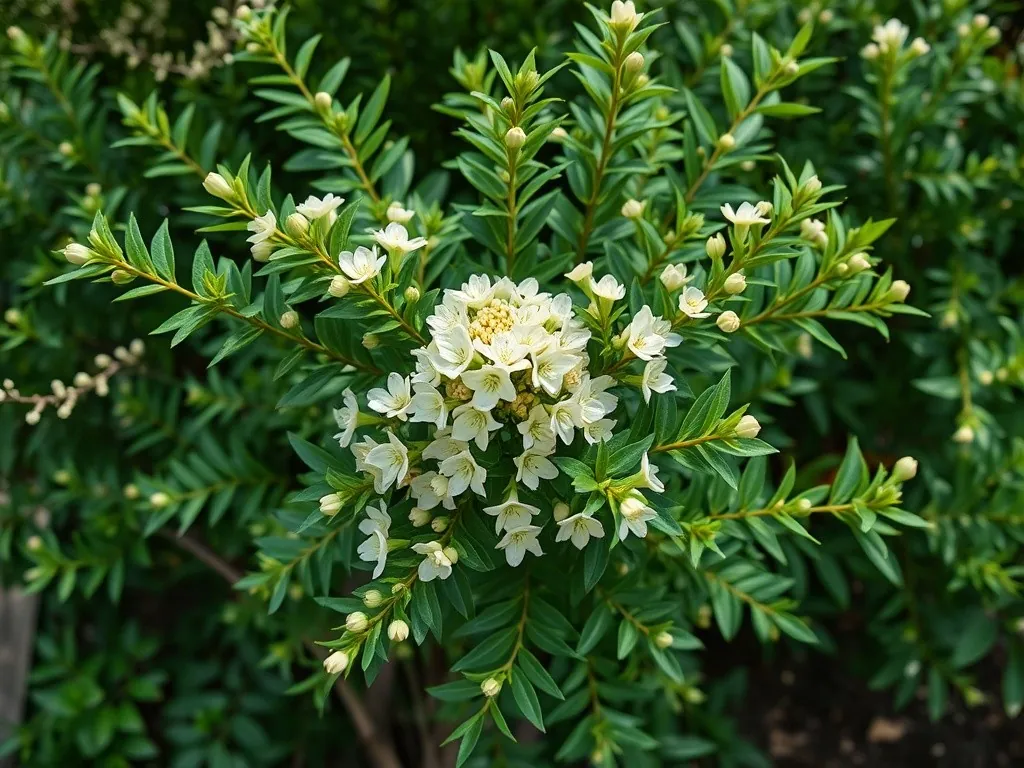
- White flowers in June–July, black berries in autumn — toxic, do not eat.
- Tolerates alkaline, calcareous and dry soil — undemanding as to substrate.
- The classic choice for a formal, dense garden hedge.
Botanical data
- Family
- Oleaceae (Oleaceae)
- Height
- 2–4 m
- Width
- 1.5–2.5 m
- Habit
- Upright
- Growth rate
- Fast
- Position
- Full sun, Partial shade, Shade
- Soil
- Loamy, Chalky, Humus-rich
- pH reaction
- pH 6–8
- Moisture
- Moderate
- Bloom
- June–July
- Hardiness
- USDA 4a–7b
- Propagation
- From cuttings, From seed
Characteristics
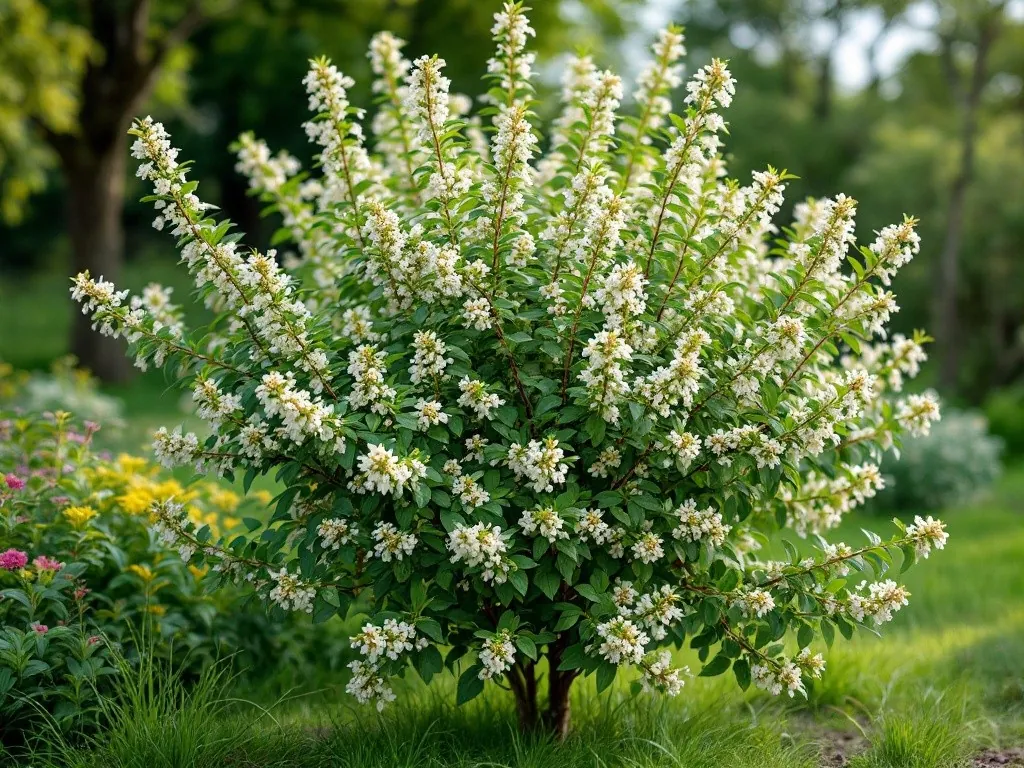
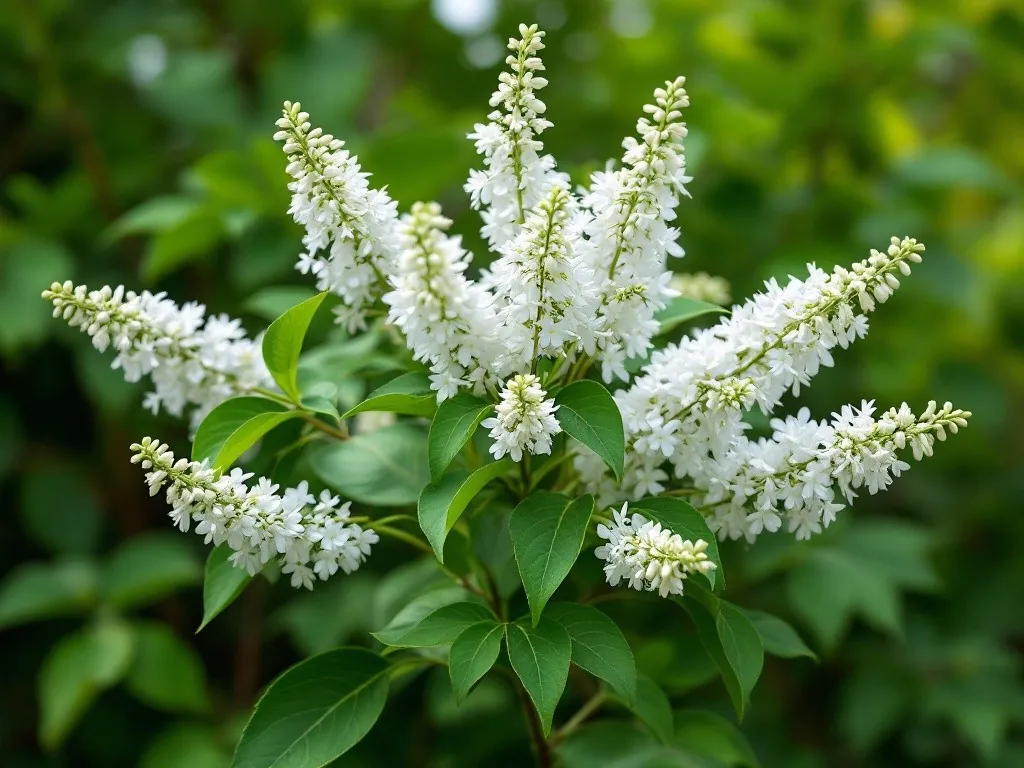
An upright, densely branched shrub with narrowly lance-shaped, dark green leaves. The small, white flowers are gathered into panicle-like inflorescences with a characteristic, intense scent that is not always pleasant at close range. In autumn glossy, black berries set that persist on the shoots into winter.
Growing and care
Watering
Very undemanding — once established it manages without extra watering except in long dry spells.
Fertilizing
Moderate; the plant grows well even without regular fertilising.
Planting
For a hedge, plant densely in a double row every 30–40 cm; it tolerates almost any soil, including alkaline and dry.
Pruning
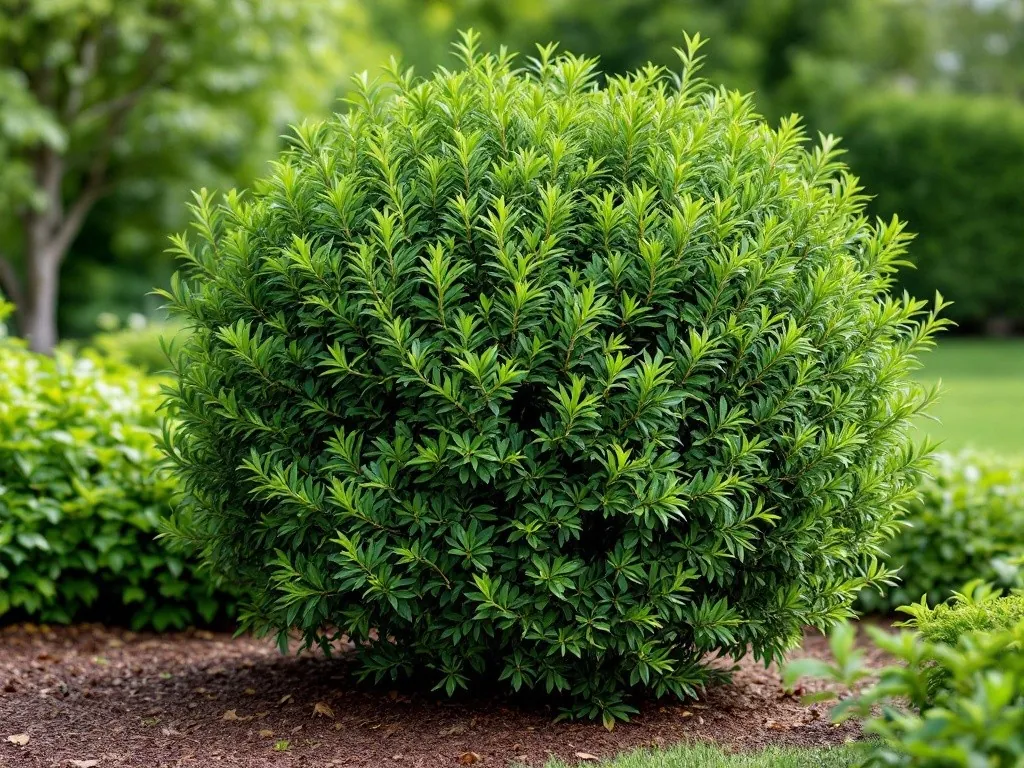
With hedge shears, shaping a regular form; it tolerates intensive cutting very well.
Companion plants
Good companions
Both species tolerate shaping by cutting very well and form a dense hedge — often combined in formally laid-out gardens.
Similar site requirements and planting time — it combines well in a mixed hedge with varied seasons of interest.
The evergreen foliage of the spindle (Euonymus) complements the privet in autumn and winter, when it loses its leaves in cooler regions.
Bad companions
Privet has a dense, shallow and vigorously spreading root system that competes strongly with neighbouring plants for water and nutrients.
The evidence level indicates whether the relationship is backed by research, observation, or gardening tradition.
Toxicity
| For whom | Level | Notes |
|---|---|---|
| Humans | Moderate | All parts of the plant, especially the black berries, contain glycosides that cause nausea, vomiting and abdominal pain after ingestion — especially dangerous for small children. |
| Dogs | Moderate | — |
| Cats | Moderate | — |
History and origin
Privet has accompanied humans in Europe for centuries as a hedging plant — its Latin name Ligustrum probably derives from a word meaning to bind, referring to the elastic, pliable shoots once used to weave baskets and belts.
Uses
The basic species for trimmed garden and urban hedges; it tolerates air pollution and soil salinity along roads well. It also works as a filler plant in field copses.
Trivia
- Privet is one of the few hedging shrubs that tolerate deep shade well, e.g. under tree canopies.
- The black berries of privet are toxic to humans and pets — despite their attractive appearance they should not be eaten.
Frequently asked questions
Why is privet so popular for hedges?
It tolerates frequent and intensive trimming very well, regrows quickly, tolerates various soil and light conditions (even shade), and is at the same time cheap and readily available in nurseries.
Are privet berries toxic?
Yes, all parts of the plant, and especially the black berries, are toxic to humans and pets. They can cause nausea, vomiting and abdominal pain — particularly dangerous for small children, who may mistake them for edible fruit.
How often should a privet trained as a hedge be trimmed?
Because of its fast growth, 2–3 cuts per season are recommended — usually in May, July and September — to maintain the compact, regular shape of the hedge.
Sources
- Plants of the World Online (POWO) — Ligustrum vulgareDatabase (GBIF, POWO…)
- RHS — Ligustrum vulgareInstitution / botanical garden
My note
A private note for this plant — saved in your browser.