In short
- Site: sun or partial shade, fertile, moderately moist soil.
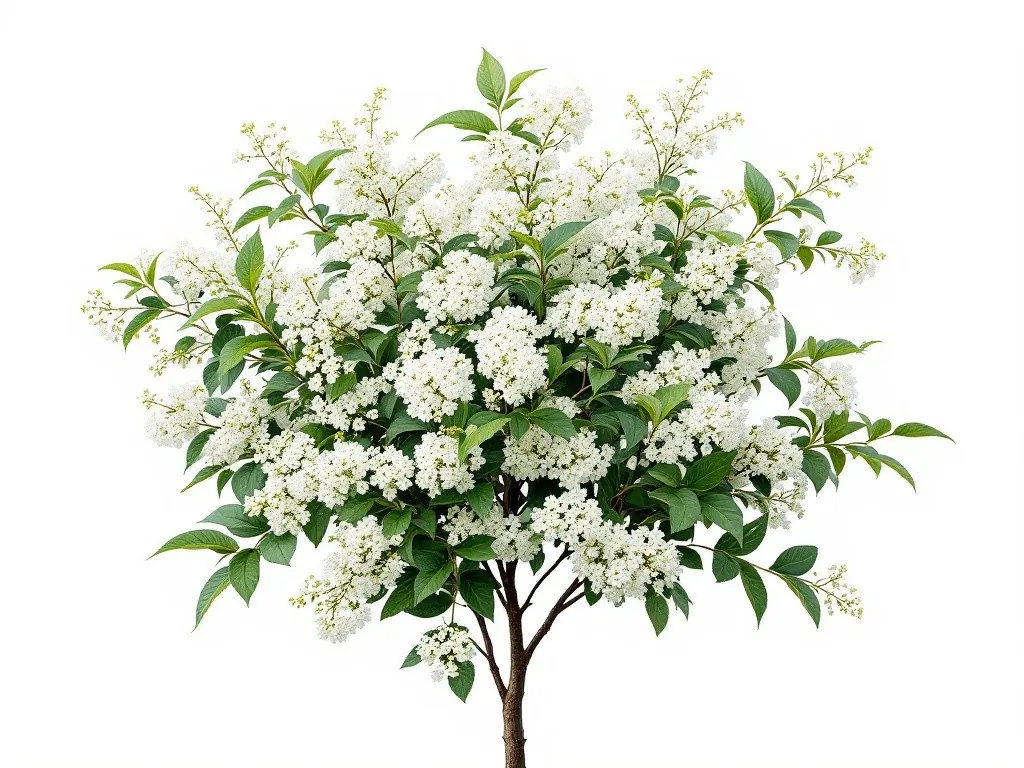
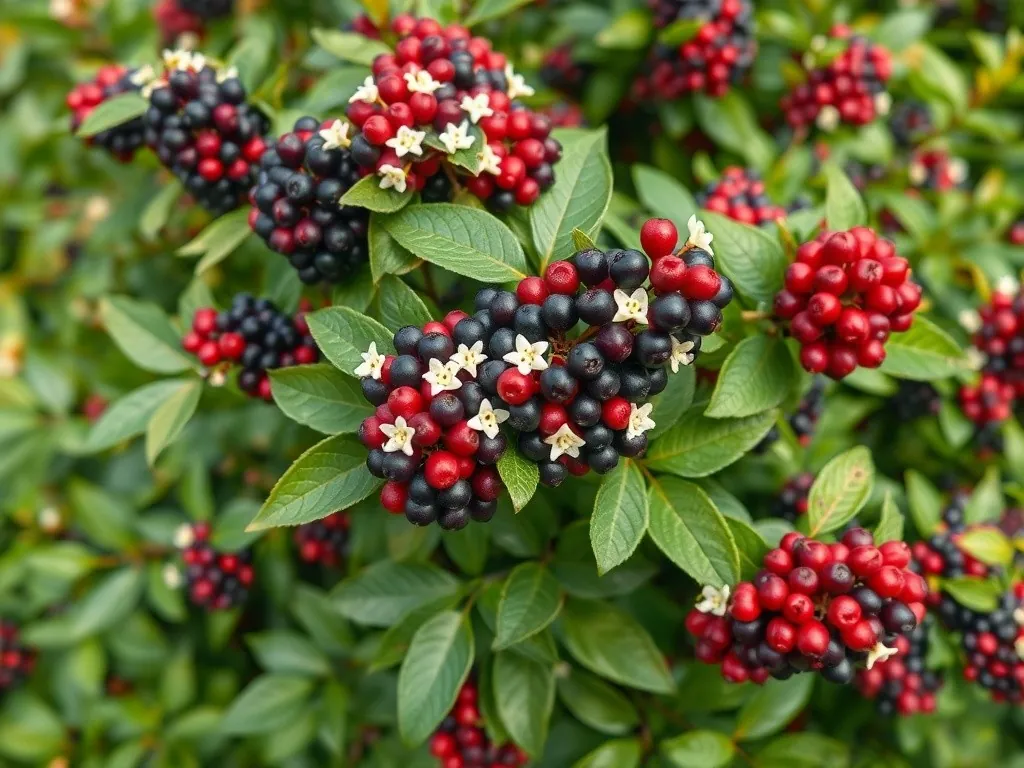
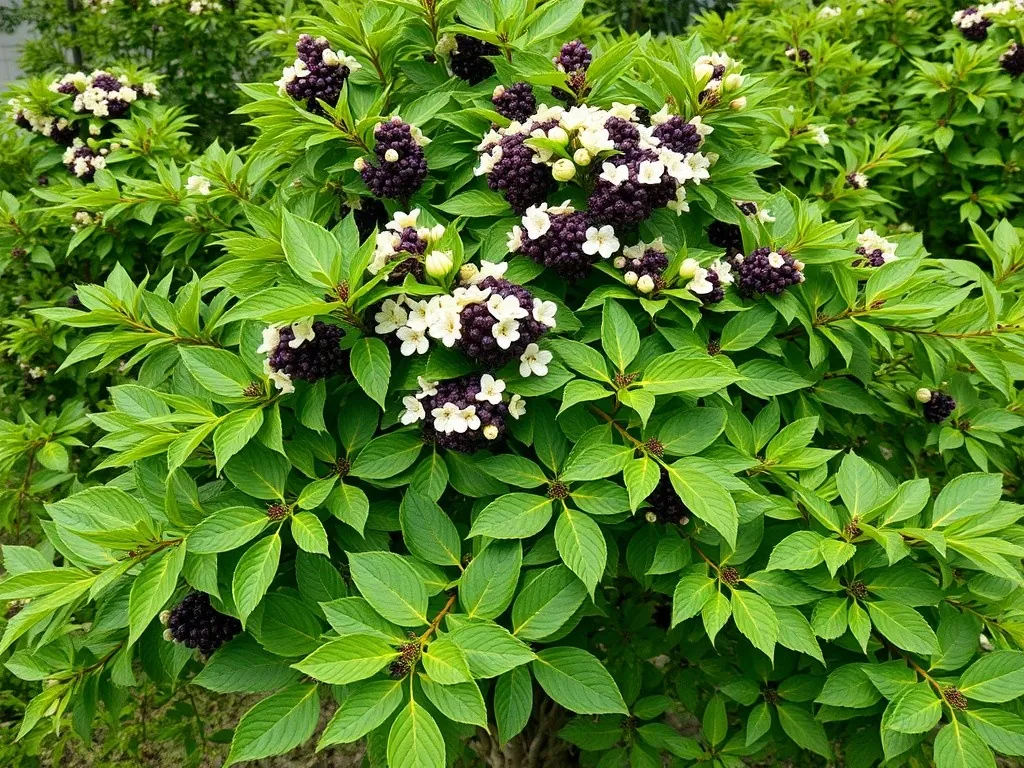
- White, fragrant flower clusters in May–June, black fruit from August.
- Flowers and cooked, ripe fruit are edible and valued in herbal medicine — raw, unripe fruit as well as the bark, leaves and seeds are toxic.
- Very frost-hardy and undemanding, copes well on ruderal (waste-ground) sites.
- An important species for pollinating insects and fruit-eating birds.
Botanical data
- Family
- Adoxaceae (Adoxaceae)
- Height
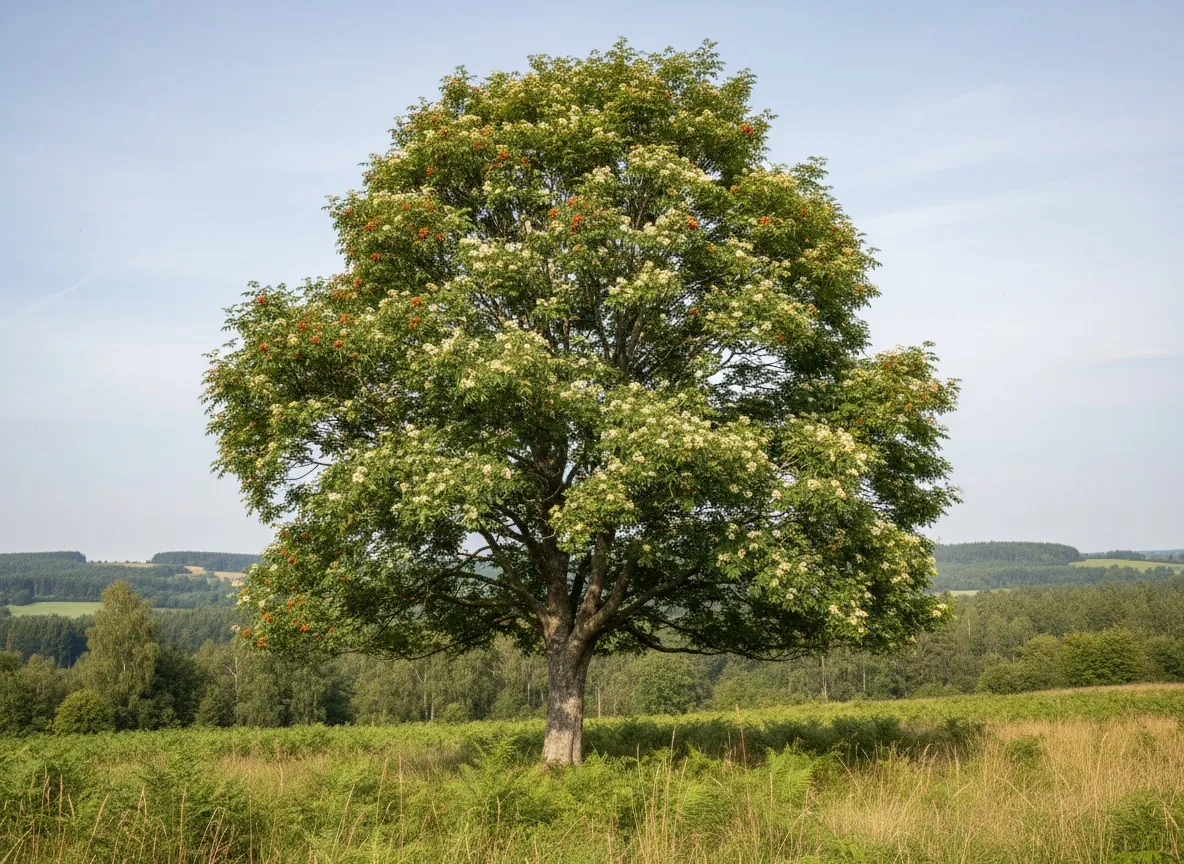
- 3–6 m
- Width
- 3–4 m
- Habit
- Spreading
- Growth rate
- Fast
- Position
- Full sun, Partial shade
- Soil
- Loamy, Humus-rich
- pH reaction
- pH 5.5–7.5
- Moisture
- Moderate, Moist
- Bloom
- May–June
- Hardiness
- USDA 4a–8a
- Propagation
- From cuttings, From seed, By layering
Characteristics
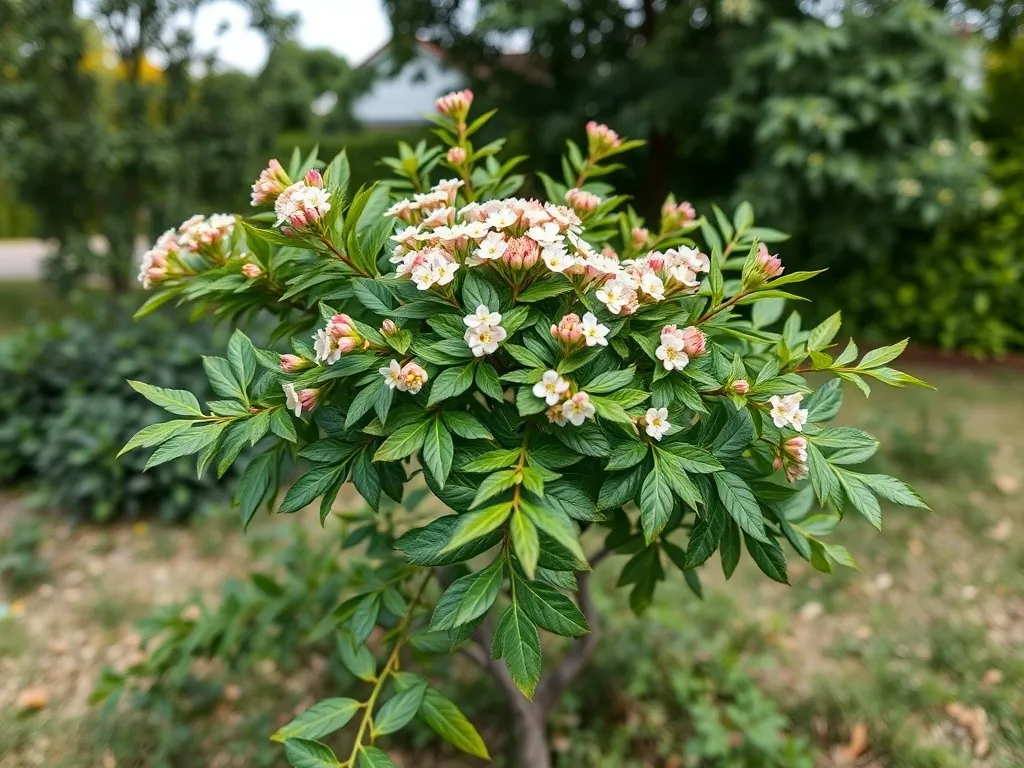
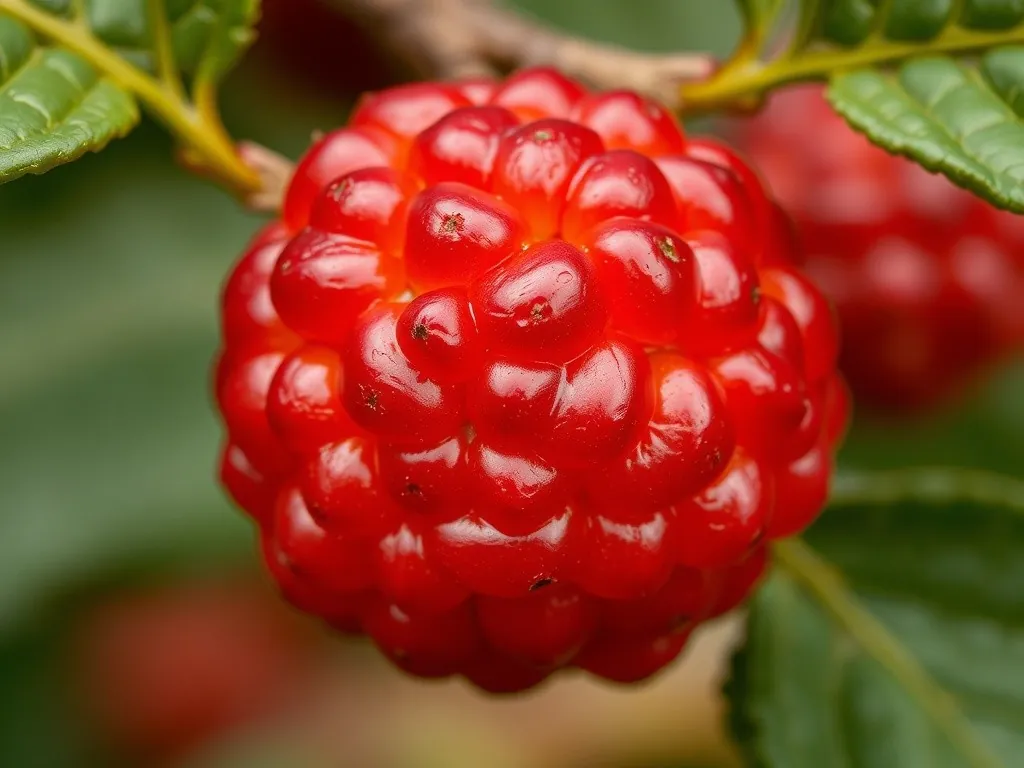
A spreading, fast-growing shrub or small tree with pinnate leaves and a characteristic, strong smell when rubbed. Small, creamy-white flowers are gathered into large, flat corymbs with a strong, sweet scent. In autumn, drooping clusters of glossy, black-purple berries form.
Growing and care
Watering
An undemanding plant — once established it manages on its own, water additionally only during prolonged drought.
Fertilizing
Elderberry grows well on fertile, nitrogen-rich soils — moderate to generous doses.
Planting
Dig in compost or well-rotted manure; tolerates a wide range of soils, including fertile, moist ones.
Pruning
Shorten overly long shoots, remove dead and crossing branches; every 3–4 years cut out the oldest shoots at ground level to rejuvenate the shrub.
Companion plants
Good companions
Similar moisture requirements and a traditional pairing in cottage gardens — elderberry partially shelters raspberries from the wind.
Both species like fertile, moist soil and are traditionally planted together at the edges of kitchen gardens.
Elderberry tolerates the proximity of nettles well, and in organic gardening it is thought that together they create a habitat favourable to the natural enemies of pests.
Bad companions
Elderberry requires fertile, moist soil, while juniper prefers dry, poor sites — the conflicting moisture requirements harm one of the two species.
The evidence level indicates whether the relationship is backed by research, observation, or gardening tradition.
Toxicity
| For whom | Level | Notes |
|---|---|---|
| Humans | Moderate | Raw, unripe fruit as well as bark, leaves, roots and seeds contain cyanogenic glycosides (including sambunigrin), which can cause nausea, vomiting and diarrhoea. Ripe, fully black fruit is safe and traditionally consumed after cooking (e.g. into syrup or jam), as are dried or scalded flowers for elderflower syrup — raw fruit and the remaining parts of the plant should not be eaten. |
| Dogs | Moderate | — |
| Cats | Moderate | — |
History and origin
Elderberry has accompanied people for centuries as a medicinal and utility plant — in the folk beliefs of many European cultures it was regarded as a protected, guardian tree that could not be cut down without permission. Flowers and fruit have been processed into syrups, juices and cordials for generations.
Uses
Good for the edges of kitchen gardens, informal hedges and field shelterbelts — it grows fast and provides shelter from wind. The flowers are used for syrups and infusions, and the ripe, cooked fruit for juices, preserves and wines.
Trivia
- Elderflower syrup is one of the most popular homemade preserves in Poland, prepared around the turn of May and June.
- In many folk traditions it was believed that a guardian spirit lived beneath the elder shrub — which is why it was reluctantly cut down, especially near old farmsteads.
Frequently asked questions
Can raw elderberries be eaten?
No. Raw, unripe fruit as well as bark, leaves, roots and seeds contain cyanogenic glycosides that can cause nausea and vomiting. Only fully ripe, black fruit after cooking (e.g. into syrup), and scalded flowers, are safe to consume.
When should you pick elderflowers for syrup?
The best time is around the turn of May and June, when the umbels are fully open and the flowers smell intensely. They are picked on a dry, sunny day, when the essential oil content is highest.
Is elderberry suitable for a small garden?
Given its considerable final size (up to 6 m in height), it works better in a larger garden or as part of a field shelterbelt; in small spaces it needs regular, harder pruning to limit its growth.
Sources
- Plants of the World Online (POWO) — Sambucus nigraDatabase (GBIF, POWO…)
- RHS — Sambucus nigraInstitution / botanical garden
My note
A private note for this plant — saved in your browser.