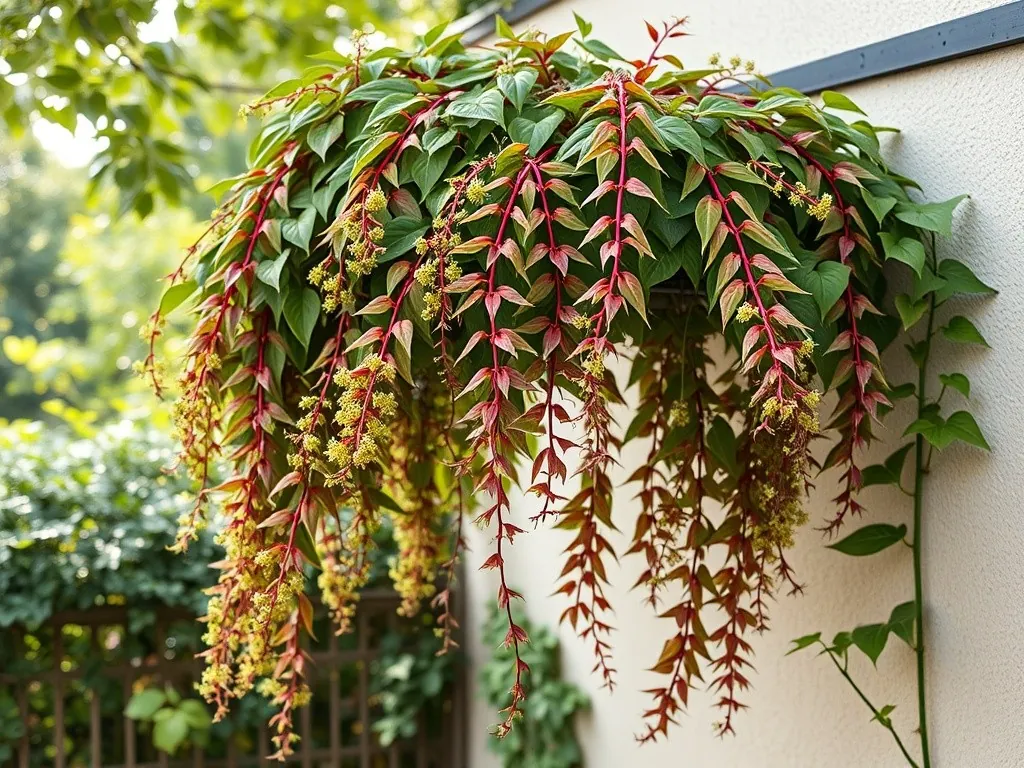
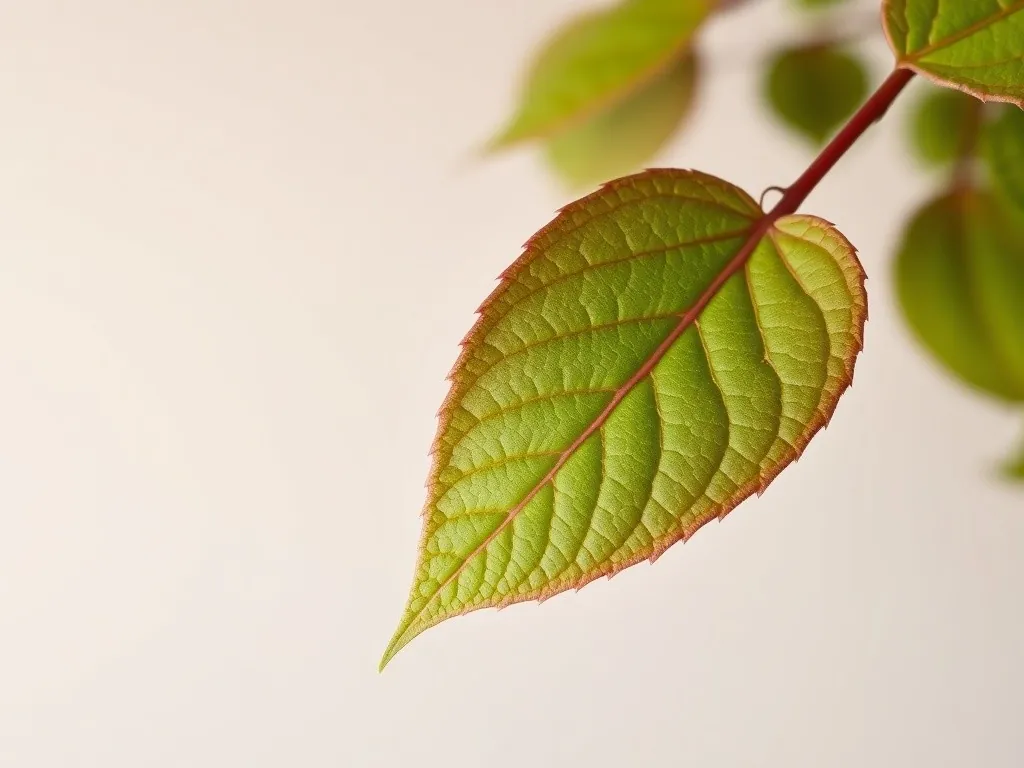
In short
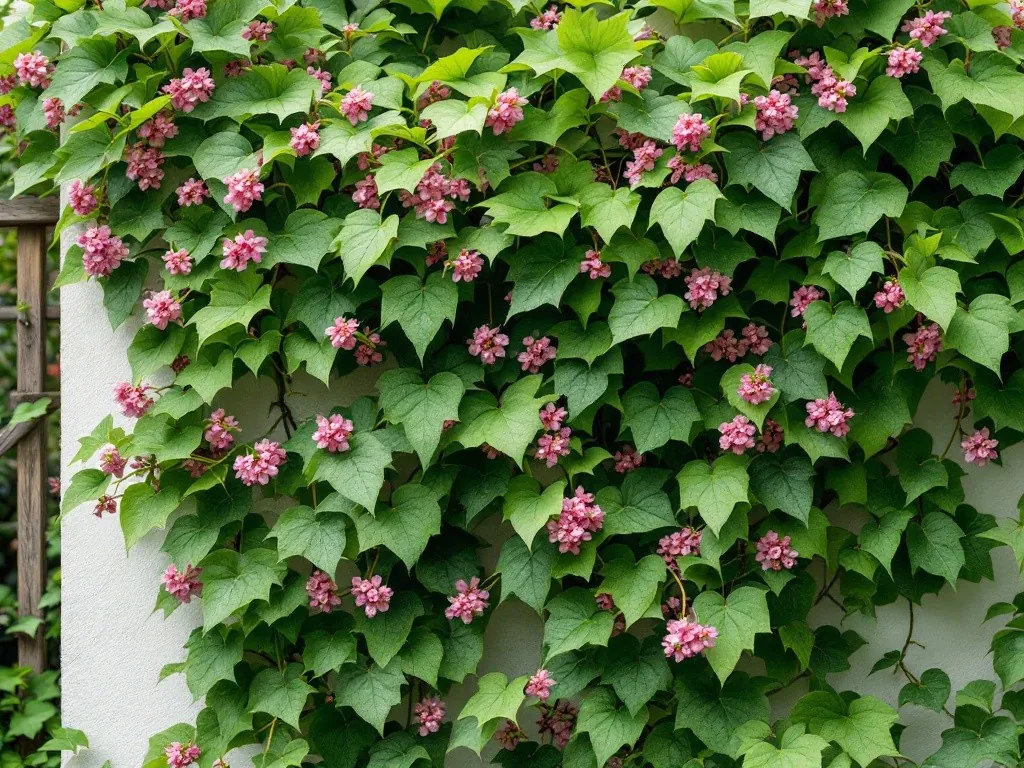
- Three-lobed leaves, not palmately compound as in Virginia creeper — this is the main feature distinguishing the two species.
- Attaches to the substrate on its own, more strongly than Virginia creeper, thanks to large adhesive pads ending in suckers.
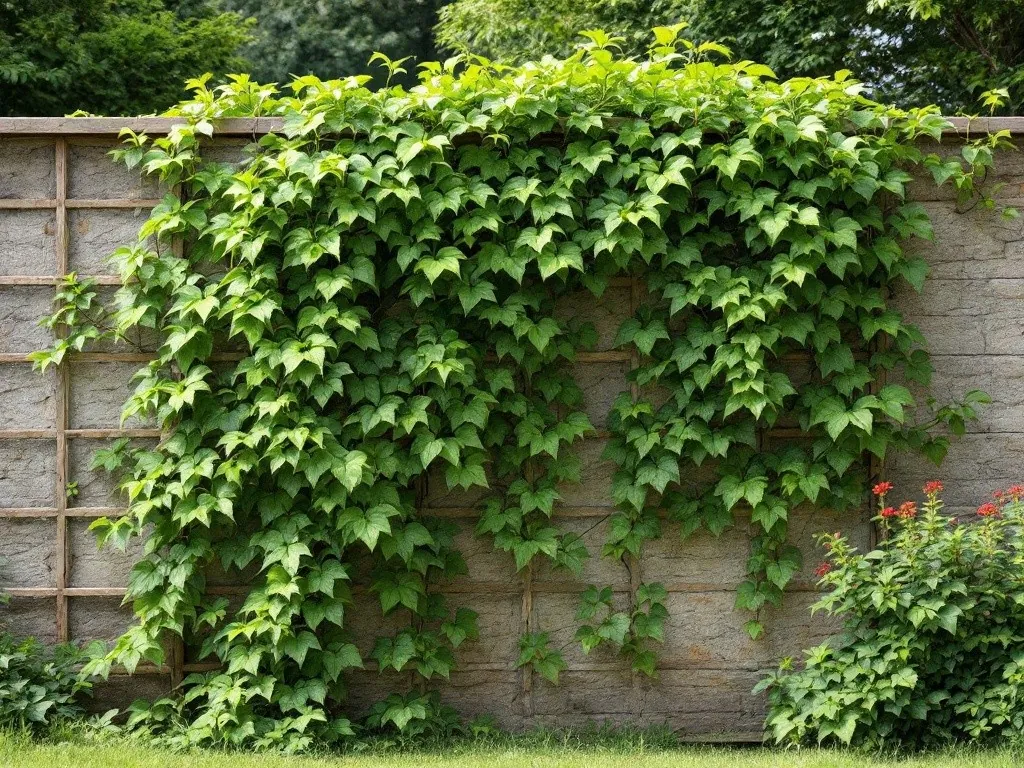
- It needs no trellis or supporting structure — it climbs up smooth walls, and even up glass.
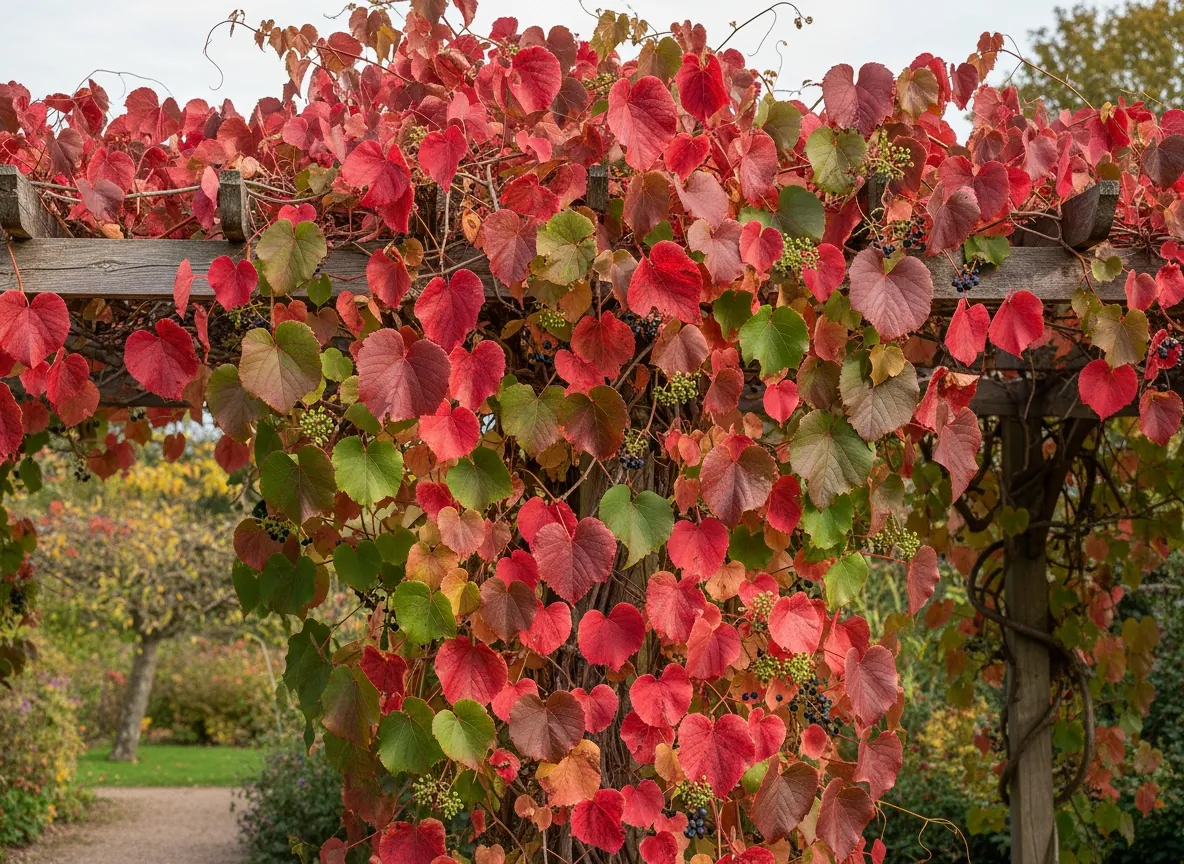
- In autumn the leaves turn an intense red and scarlet.
- Known worldwide as "Boston ivy" — from the historic university walls it covers in the USA.
Botanical data
- Family
- Vitaceae (Vitaceae)
- Height
- 10–20 m
- Width
- 3–8 m
- Habit
- Cascading
- Growth rate
- Fast
- Position
- Full sun, Partial shade, Shade
- Soil
- Loamy, Humus-rich, Sandy
- pH reaction
- pH 6–7.5
- Moisture
- Moderate, Moist
- Bloom
- June–July
- Hardiness
- USDA 4a–8b
- Propagation
- From cuttings, By layering
Characteristics
A woody, self-clinging climber with glossy, three-lobed leaves — unlike Virginia creeper (Parthenocissus quinquefolia), which has palmately compound leaves made up of five separate leaflets. It attaches to the substrate by means of branched tendrils ending in disc-shaped adhesive pads (suckers), which cling even to smooth, vertical surfaces such as glass or plaster far more strongly than in Virginia creeper. The small, greenish flowers are inconspicuous; in autumn dark blue berries appear.
Growing and care
Watering
Very drought-resistant once established; regular watering is needed mainly in the first year after planting.
Fertilizing
An undemanding plant — excess fertiliser leads to even more vigorous, hard-to-control growth.
Planting
Tolerates almost any soil; it attaches to the substrate on its own by means of adhesive pads ending in suckers, requiring no additional netting or cords.
Pruning
Restrain vigorous growth, remove shoots growing in unwanted directions (windows, gutters, roof tiles).
Companion plants
Good companions
A closely related species with a different leaf shape (three-lobed rather than palmately compound of five leaflets) — planted on adjacent sections of the same façade, they give an interesting contrast of texture with similar cultivation requirements.
The adhesive pads ending in suckers hold firmly to smooth, hard surfaces, requiring no additional supporting structure.
Bad companions
The strong suckers can penetrate existing cracks and accelerate the destruction of weakened, unstable surfaces.
The evidence level indicates whether the relationship is backed by research, observation, or gardening tradition.
Toxicity
| For whom | Level | Notes |
|---|---|---|
| Humans | Moderate | The fruits (dark blue berries) contain calcium oxalates and are toxic if eaten. |
| Dogs | Moderate | — |
| Cats | Moderate | — |
History and origin
Brought to Europe and North America from East Asia in the 19th century as an ornamental plant for covering walls. It gained the nickname "Boston ivy" thanks to its widespread use on the façades of historic buildings in Boston and on the campuses of American universities, where it covers the walls to this day, even though the Latin name does not indicate any relationship to true ivy (genus Hedera).
Uses
For dense, self-clinging covering of walls, concrete and brick building façades and fences — wherever maximum coverage is wanted without building an additional supporting structure. Its striking, intensely red autumn colour makes it a popular seasonal accent in urban greenery.
Trivia
- It was precisely the dense covering of walls by climbers of this type that gave rise to the term "Ivy League" for the group of prestigious American universities, although the name refers generally to ivy covering old buildings, not exclusively to this species.
- Unlike Virginia creeper, whose adhesive pads hold slightly more weakly, Boston ivy can climb even up perfectly smooth glass.
Frequently asked questions
How does Boston ivy differ from Virginia creeper?
The easiest way to tell them apart is by the leaves: Boston ivy (Parthenocissus tricuspidata) has three-lobed leaves resembling a single, deeply cut leaf, whereas Virginia creeper (Parthenocissus quinquefolia) has palmately compound leaves made up of five clearly separate leaflets. Boston ivy also clings more strongly to smooth surfaces, including glass.
Does Boston ivy damage a building's façade?
The strong adhesive pads ending in suckers can damage weak, cracked plaster by penetrating existing crevices, but on solid, intact brick or concrete walls they usually cause no harm. It is worth regularly checking the condition of the façade, especially around windows and gutters.
Does Boston ivy need a trellis to climb?
No — unlike twining climbers such as wisteria or hop, Boston ivy attaches to the substrate on its own by means of adhesive pads ending in suckers and climbs even up smooth, vertical walls without any additional supporting structure.
Sources
- Plants of the World Online (POWO)Database (GBIF, POWO…)
- RHS — Parthenocissus tricuspidataInstitution / botanical garden
My note
A private note for this plant — saved in your browser.