In short
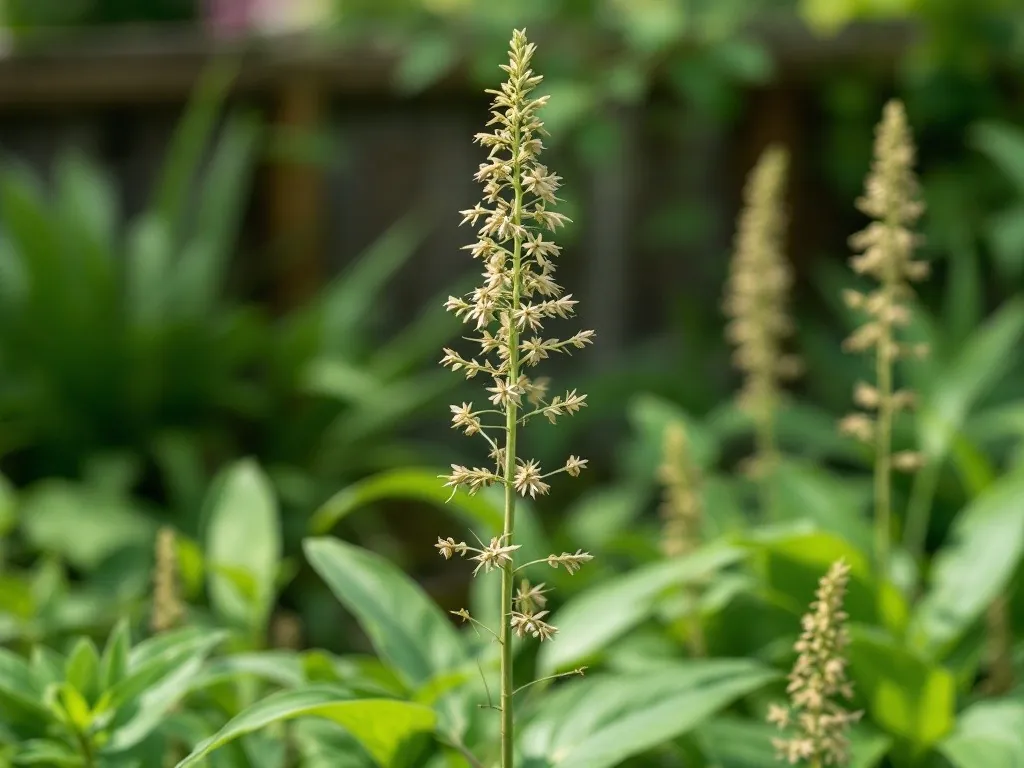
- The foliage, not the flowers, is the ornamental feature — the flower spike is small and inconspicuous.
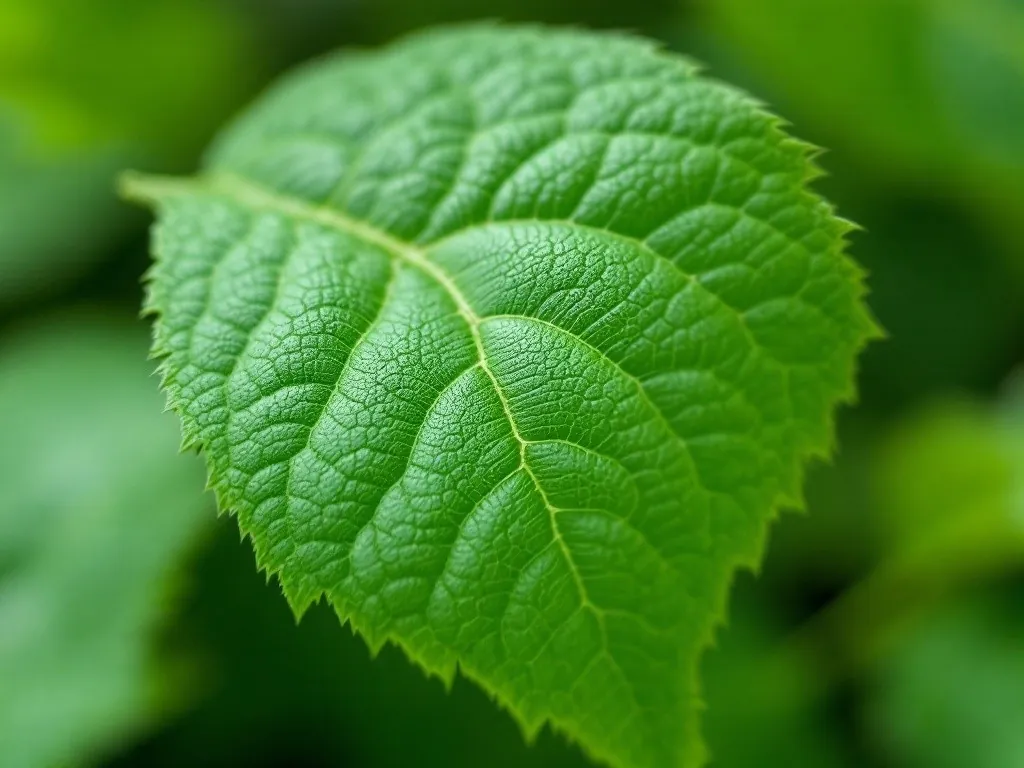
- The leaves give off a distinctive, spicy-lemony scent when crushed.
- Spreads by rhizomes, forming extensive colonies over time.
- Needs constantly moist soil or shallow water — does not tolerate drought.
- Historically valued in many cultures for its aromatic rhizome.
- Very frost-hardy, does not need winter protection.
Botanical data
- Family
- Acoraceae (Acoraceae)
- Height
- 0.6–1.2 m
- Width
- 0.4–0.6 m
- Habit
- Clump-forming
- Growth rate
- Moderate
- Position
- Full sun, Partial shade
- Soil
- Peaty, Loamy, Humus-rich
- pH reaction
- pH 5.5–7.5
- Moisture
- Wet, Moist
- Bloom
- May–July
- Hardiness
- USDA 4a–9b
- Propagation
- By division, By runners
Characteristics
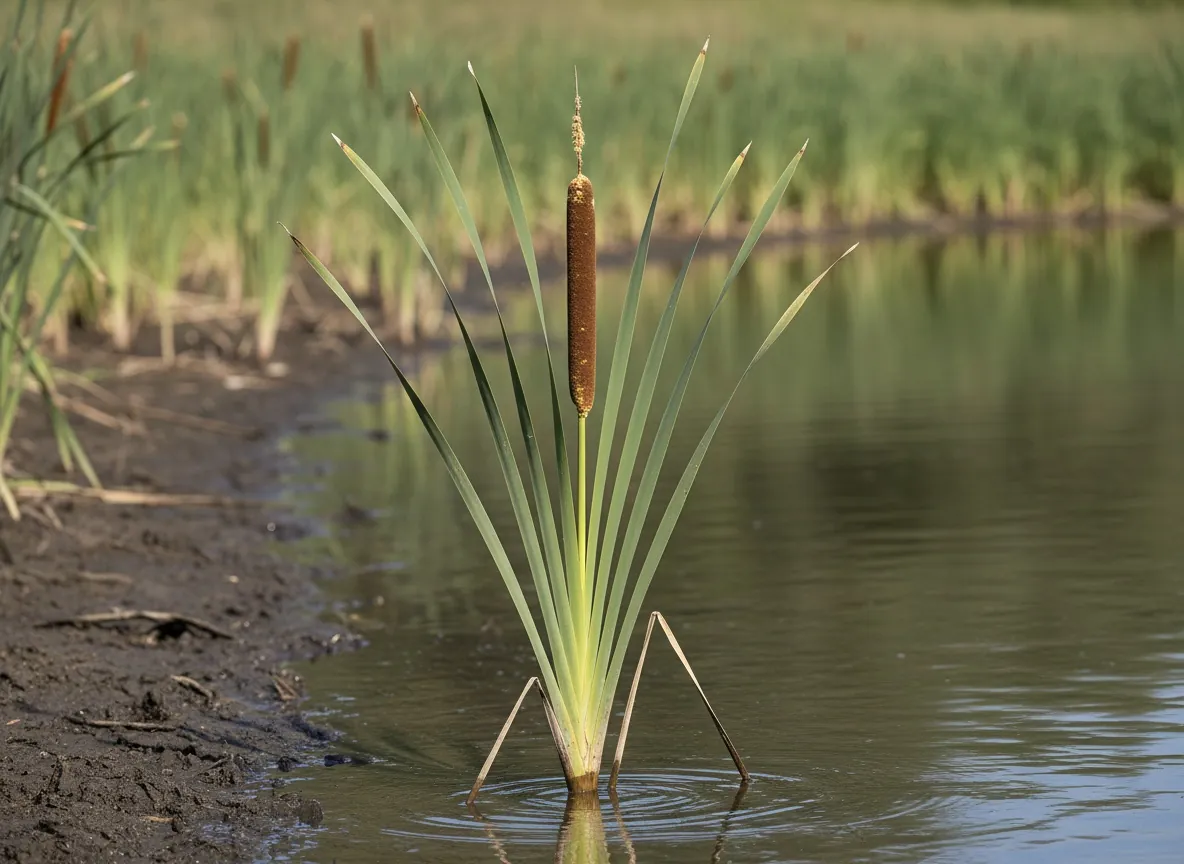
A plant with narrow, sword-shaped, upright leaves arranged in a fan, resembling iris leaves but with a distinctly ribbed structure and a strong aromatic scent when crushed. The inflorescence is a small, cylindrical, spadix-like spike in a greenish-yellow color, growing from the side of the stem and practically unnoticeable against the leaves. The underground, creeping rhizome is strongly aromatic and was historically the most prized part of the plant, rather than the above-ground growth.
Growing and care
Watering
In nature, sweet flag grows in shallow water or permanently waterlogged soil — drought quickly causes the leaves to dry out.
Fertilizing
Plants grown in aquatic planting baskets benefit from slow-release fertilizer tablets placed near the roots.
Planting
Pond edge or shallow water up to about 10-15 cm deep; plant the rhizome shallowly, as it spreads horizontally to form dense colonies.
Pruning
Remove dried leaves from the previous season; if spreading too much, cut through and thin the rhizomes with a spade.
Companion plants
Good companions
Similar moisture requirements and growth rate allow both plants to coexist at the edge of a garden pond without competing for entirely different ecological niches.
Bad companions
Plants that need a dry, free-draining site will not survive in the constantly wet soil sweet flag requires.
The evidence level indicates whether the relationship is backed by research, observation, or gardening tradition.
Toxicity
| For whom | Level | Notes |
|---|---|---|
| Humans | None | — |
| Dogs | None | — |
| Cats | None | — |
History and origin
Sweet flag has a very long history of use across many cultures of Asia and Europe — its aromatic rhizome has been dried and used since antiquity as an ingredient in fragrant blends, employed in traditional herbal medicine, and used as a plant of symbolic significance in some folk customs, including in Poland, where sweet flag was traditionally strewn over the floors of churches and homes for the Pentecost holiday because of its pleasant scent when crushed underfoot. The species probably reached Europe as early as the Middle Ages via trade routes from Asia and quickly naturalized in wet habitats.
Uses
For planting along pond and stream banks as a structural plant with vertical, sword-shaped leaves that contrast well with plants with round or heart-shaped leaves. Also used as a natural barrier limiting bank erosion thanks to its dense network of rhizomes.
Trivia
- The genus name Acorus comes from the Greek word for pupil — ancient Greeks used the plant in eye compresses.
- In Poland, the custom of strewing floors with sweet flag for Pentecost is still practiced today in some regions, mainly in Podlasie and the Kurpie area.
Frequently asked questions
Can sweet flag be grown in a container submerged in a garden pond?
Yes, this is a commonly used way of limiting its natural tendency to spread rapidly by rhizomes — an aquatic planting basket placed on a shallow shelf allows you to control the size of the colony.
How does sweet flag differ from yellow flag iris?
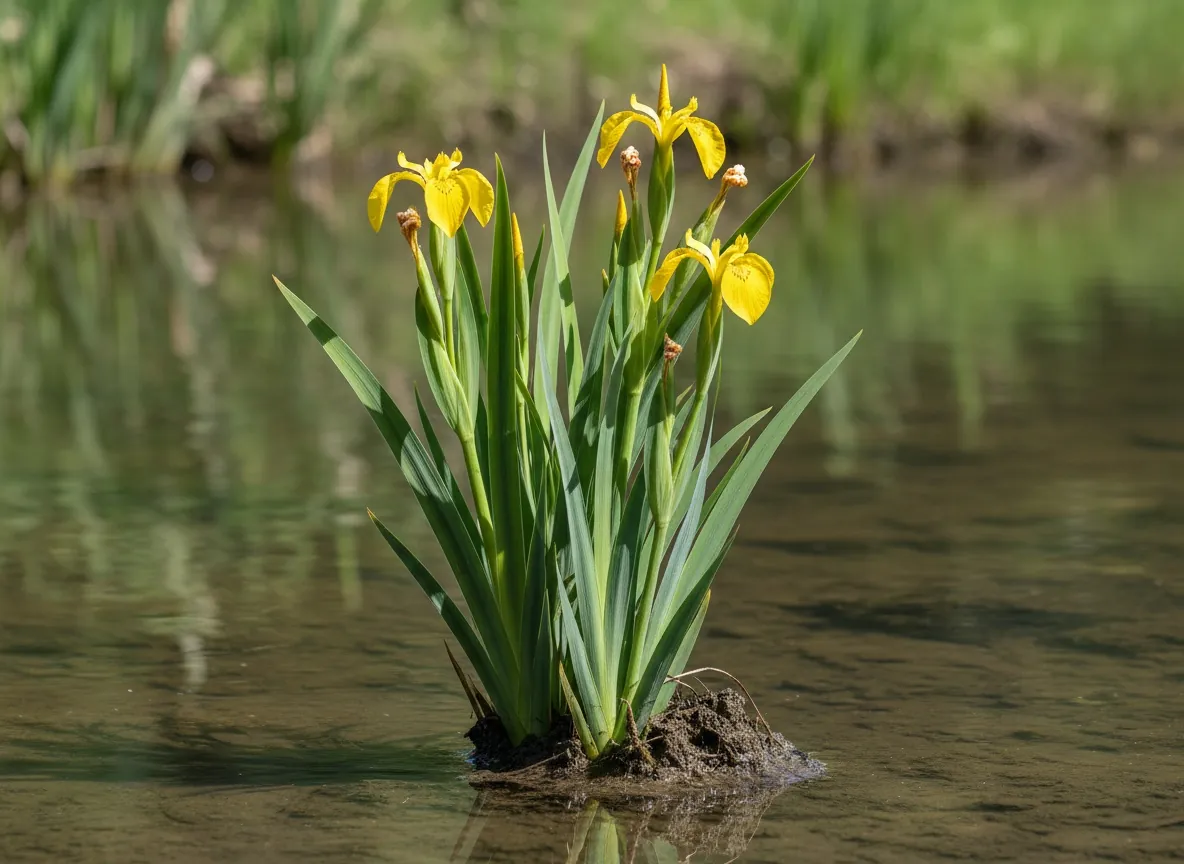
Both have similarly sword-shaped leaves, but sweet flag has an inconspicuous, small flower spike growing from the side of the stem and a strong aromatic scent when the leaves are crushed, which iris lacks. Iris flowers, on the other hand, are large and very showy.
How do you control excessive spread of sweet flag in a small garden pond?
The simplest way is to plant it in a rhizome-restricting basket or to dig up and cut back part of the colony with a spade each spring, removing excess rhizomes.
Sources
- Plants of the World Online (POWO)Database (GBIF, POWO…)
- RHS — Acorus calamusInstitution / botanical garden
My note
A private note for this plant — saved in your browser.