In short
- Native to Poland and one of the most widely distributed species in the world; it grows on almost every continent.
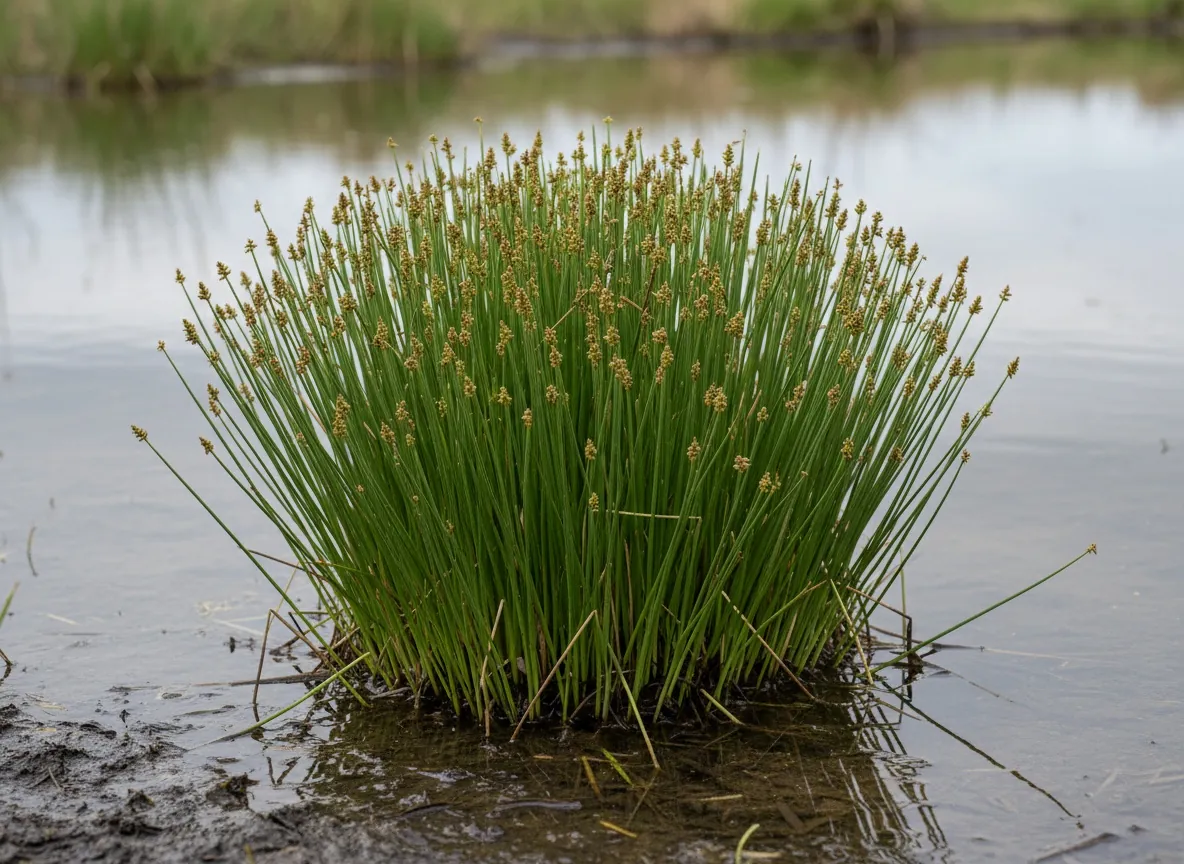
- It forms dense clumps of smooth, round, dark green shoots — the leaves are reduced to sheaths at the base.
- The white pith of the shoot served formerly as the wick of rushlights — the cheapest light in the cottage.
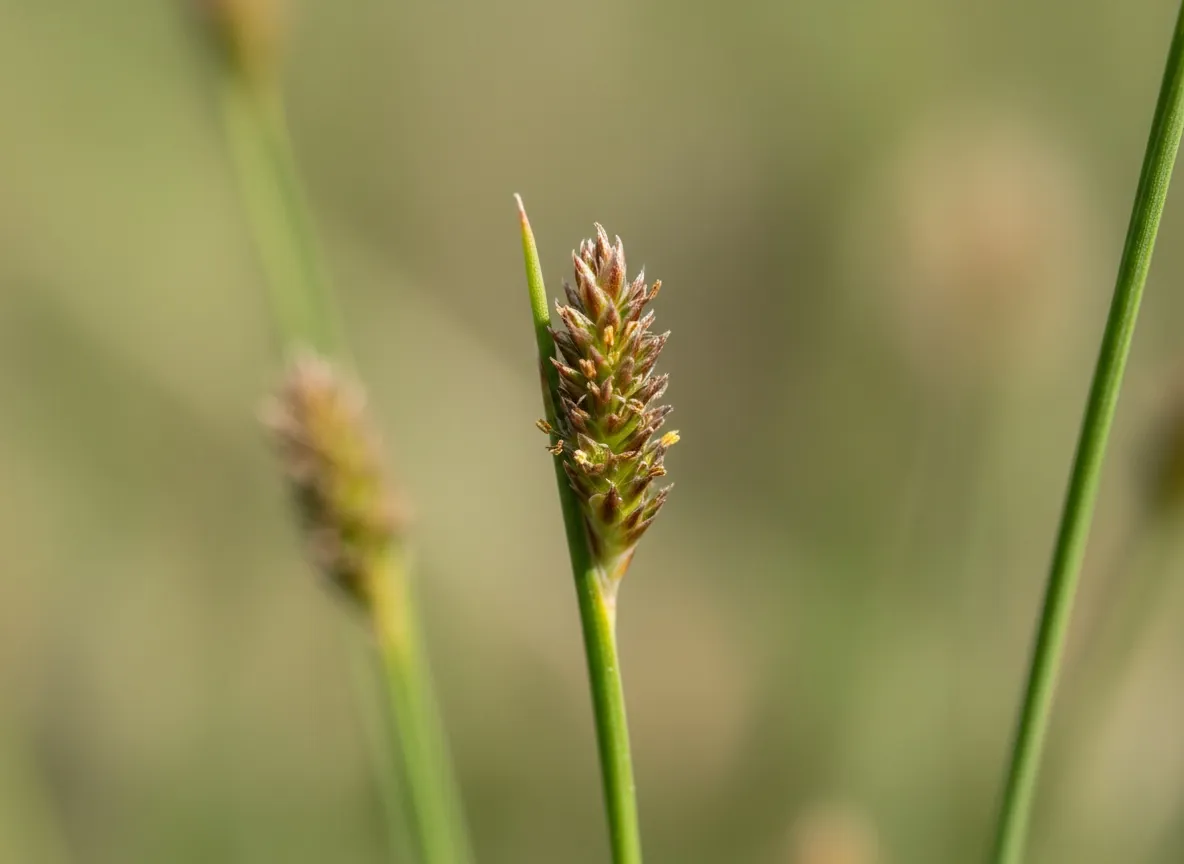
- The inflorescence looks as though it grew out of the SIDE of the shoot — an illusion that makes the genus easy to recognise.
- Position: permanently wet soil or shallows with up to 10 cm of water; it tolerates compacted, acidic and anaerobic substrate.
- The popular cultivar 'Spiralis' has shoots twisted like a corkscrew — it is suitable for a pot and for the terrace.
Botanical data
- Family
- Juncaceae (Juncaceae)
- Height
- 0.5–1.2 m
- Width
- 0.3–0.6 m
- Habit
- Clump-forming
- Growth rate
- Fast
- Position
- Full sun, Partial shade
- Soil
- Loamy, Clay, Peaty, Humus-rich
- pH reaction
- pH 4.5–7
- Moisture
- Wet, Moist
- Bloom
- June–August
- Hardiness
- USDA 4a–9b
- Propagation
- By division, From seed, By runners
Characteristics
The plant forms a compact, dense clump growing from a short, creeping rhizome. What we take for leaves are in fact shoots: smooth, round in cross-section, dark green and stiff, 50–120 cm tall, tapering to a sharp tip. The true leaves are reduced to brown sheaths wrapping the base of the clump and are easy to overlook. The interior of the shoot is filled by a continuous, spongy, snow-white pith — it is this that has historical significance, and it is this that slides out like a soft core when the shoot is broken and torn open lengthwise. The inflorescence is inconspicuous: a loose, spreading panicle of small, green-brown flowers, which gives the impression of growing out of the side of the shoot, roughly two-thirds of the way up. This is an illusion — the inflorescence is terminal, but immediately above it grows a long bract, looking exactly like the shoot and extending it upwards. The flowers are wind-pollinated, without nectar or scent, so the plant is of no significance to insects as forage. After flowering, small capsules with dust-like seeds are set. The clump stays green until late autumn, and the dried shoots stand all winter.
Growing and care
Watering
It grows in shallow water or in permanently wet, even compacted and anaerobic soil, and it is practically impossible to overwater — it is one of the few plants that cope in a substrate devoid of oxygen. It does not tolerate drying out: the tips of the shoots brown and the clump thins. In container cultivation the saucer must be kept permanently filled with water.
Fertilizing
A plant of poor and anaerobic habitats — fertilising is unnecessary and only accelerates its already vigorous growth. In a container it is enough to change the substrate every few years when dividing the clump.
Planting
A permanently wet bank or shallows with a water depth of roughly 10 cm above the substrate. The soil may be heavy, clayey, acidic and compacted — the rush will cope where other plants rot. In a small pond it is worth using a planting basket, because the clump spreads markedly over time by short stolons. Plant the cultivar 'Spiralis' at the front, in a clearly visible spot — its whole effect lies in viewing the shoots close up.
Pruning
Cut the whole clump low over the substrate — it will come back with fresh, green shoots. Remove dried and broken shoots during the season too, simply by combing them out of the clump by hand (wearing a glove). Every 3–4 years dig the clump up, divide it and replant the youngest fragments from the outside, because the centre dies out over time.
Companion plants
Good companions
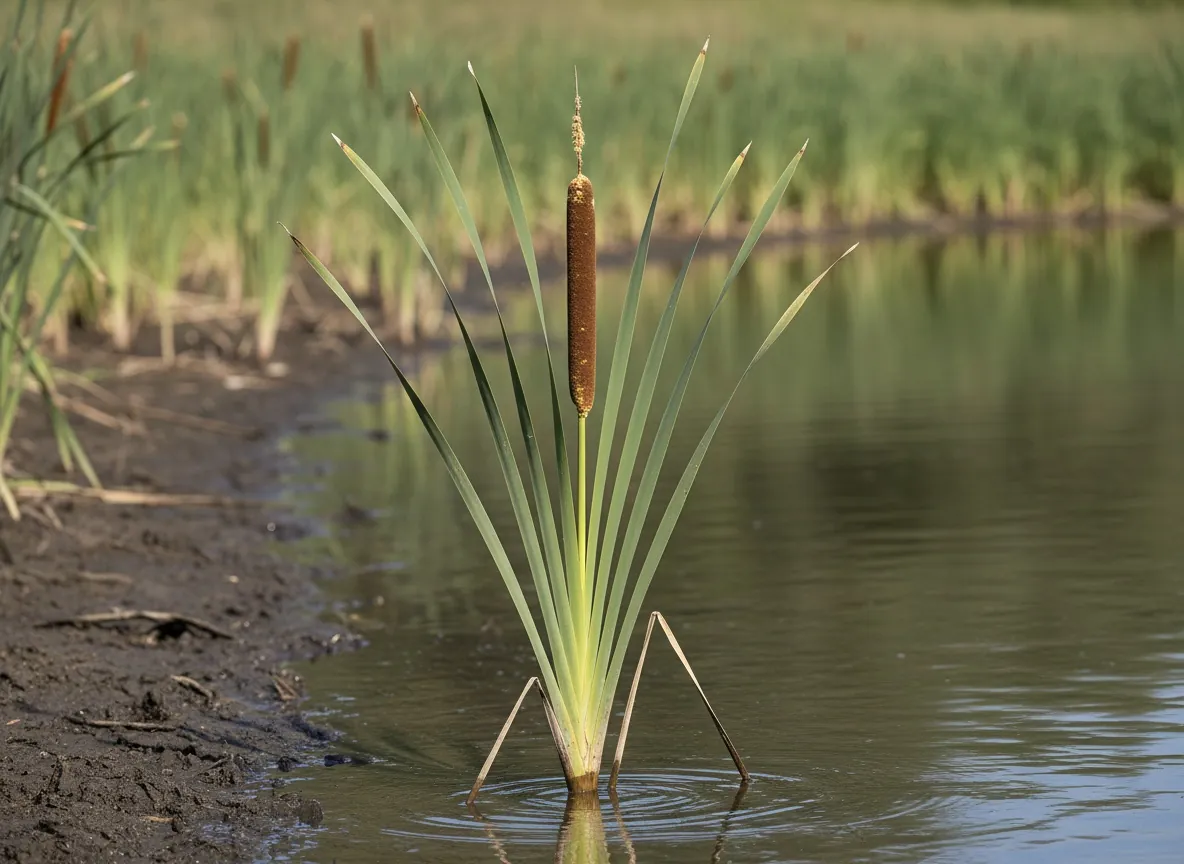
The same wet bank zone and the same requirements, but a completely different texture — the thin, round shoots of the rush form an airy backdrop for the broad, sword-shaped leaves and large yellow flowers of the flag.
The low marsh marigold occupies the very edge and flowers in early spring, when the rush is only starting into growth; in summer, after the marsh marigold has finished flowering, the rush takes over the ornamental role, filling the same spot with a green clump right through to winter.
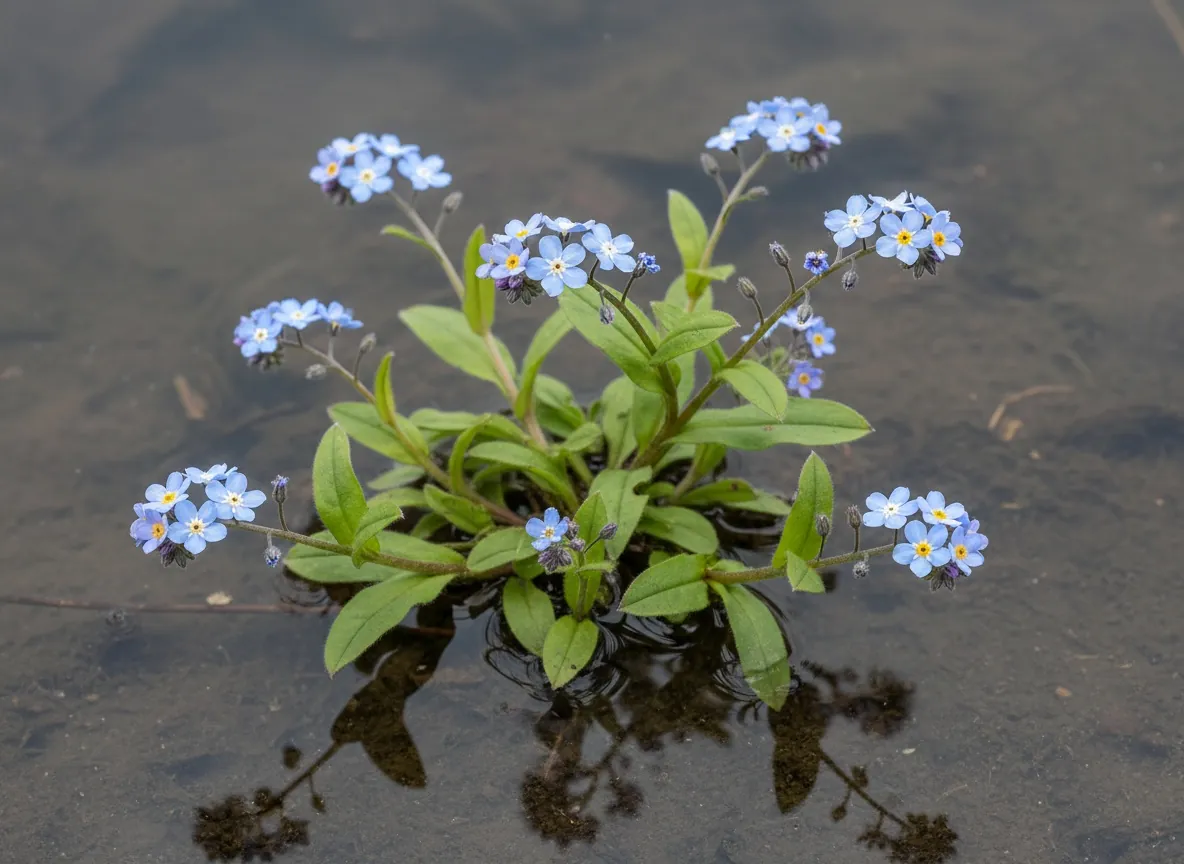
The low, creeping forget-me-not fills the space at the base of the rush clump, whose lower part is naturally bare — both have the same requirements of a wet bank and do not compete for light.
Bad companions
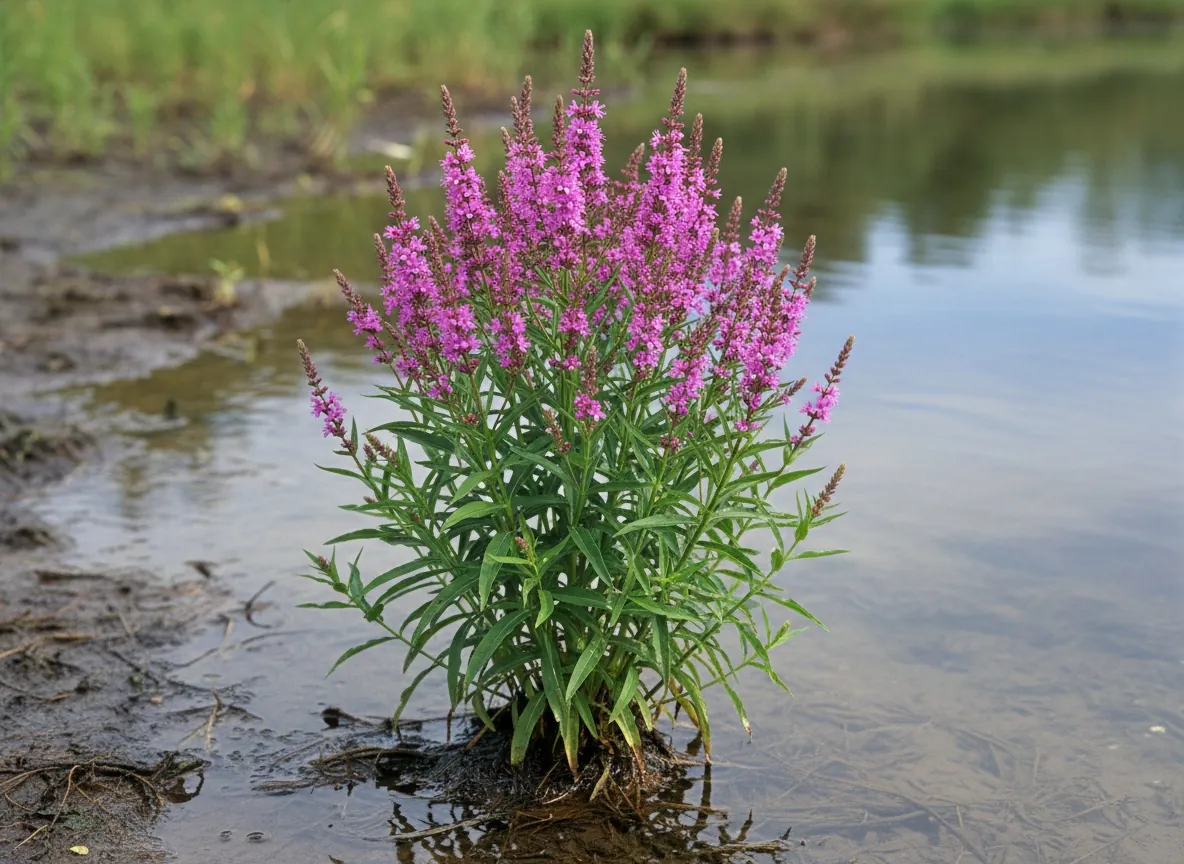
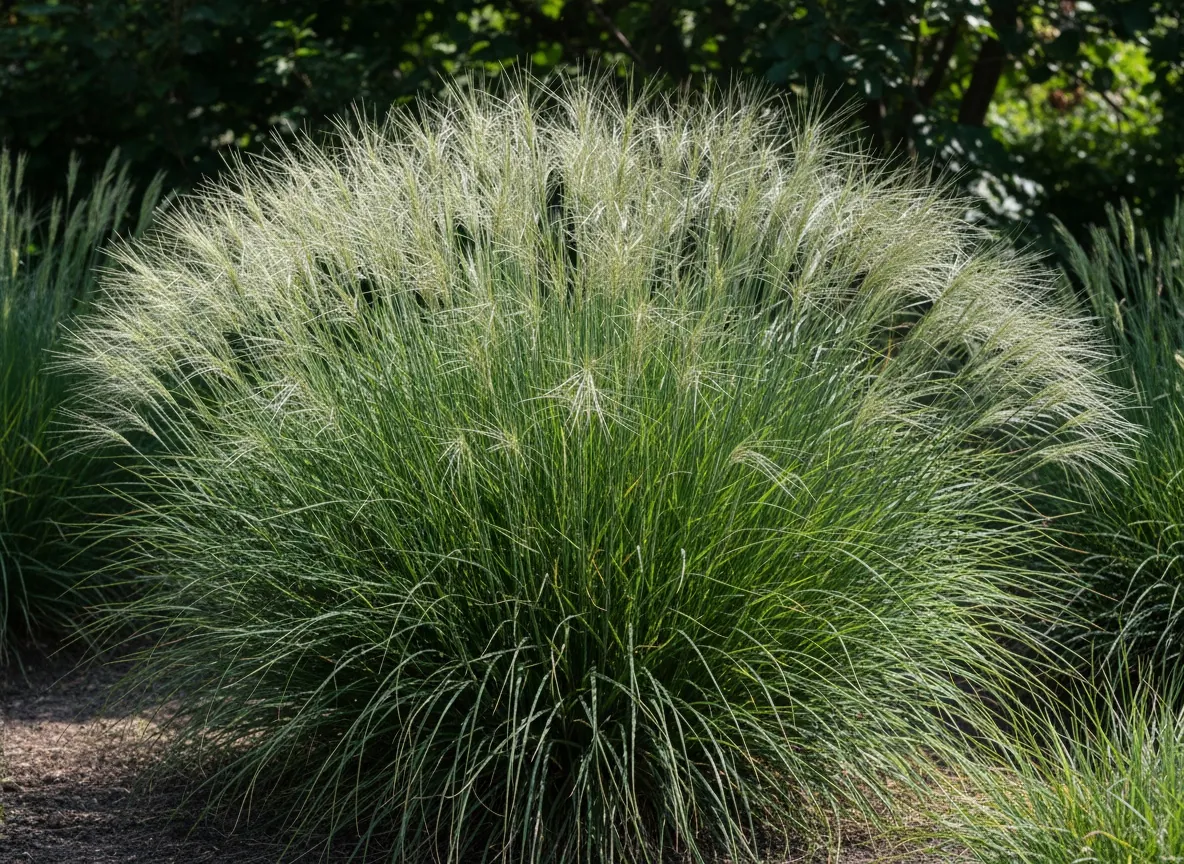
Exactly opposite requirements: lavender needs dry, well-drained soil, while the rush grows in a wet substrate devoid of oxygen. The presence of rush in a garden is in fact a signal that no Mediterranean plant will survive in that spot.
On a waterlogged, compacted meadow the rush systematically displaces the grasses: it grows where they rot for lack of oxygen, and cattle will not eat it and graze everything else around it. This is the main reason why it is regarded as a troublesome pasture weed.
The evidence level indicates whether the relationship is backed by research, observation, or gardening tradition.
Toxicity
| For whom | Level | Notes |
|---|---|---|
| Humans | None | — |
| Dogs | None | — |
| Cats | None | — |
| Horses | None | The plant is not toxic, but it is tough, poor in nutritional value, and animals avoid it of their own accord — which is why on grazed, waterlogged pastures the rush gradually displaces the grasses that are eaten and is regarded as a troublesome weed. |
History and origin
The rush gave people something that today is almost impossible to appreciate: cheap light. Before paraffin appeared, the wax candle was a luxury in the European cottage — and rush pith cost nothing. The shoots were gathered in summer, soaked, stripped of their skin so that the white pith remained whole, dried and drawn through melted animal fat. The result was the rushlight: a stiff, impregnated stick, which was set at an angle in a metal holder and burned at both ends. The English naturalist Gilbert White described this technology in “The Natural History of Selborne” of 1789 with the precision of an accountant — he calculated how many lights could be made for a penny and how long they burned — because for a poor family this was a real, calculable saving. Besides light, the rush served basketry: mats, palliasses and seats were woven from it. At the same time it had an entirely different reputation. Dense clumps of rush in a pasture were and are a signal of trouble — of soil too wet and too compacted, on which the grasses rot, and which cattle will not eat anyway. Farmers have been fighting it for centuries, and botanists use it as an indicator species. In modern times the plant has moved into gardens, chiefly thanks to the cultivar 'Spiralis' with shoots twisted into a corkscrew, discovered in the 20th century and quickly popularised as a pot and terrace plant.
Uses
A plant for the wet banks of garden ponds, for rain gardens and for hollows in which water stands permanently — it will cope where the substrate is heavy, compacted and anaerobic, that is, precisely in the places regarded as impossible to use. Its ornamental value rests on texture: a bunch of thin, round, vertical shoots gives an effect entirely different from the strap-like leaves of yellow flag or reedmace, works excellently as an airy backdrop and remains attractive in winter too, when the dried shoots stand frosted. In a large, naturalistic water body the rush clumps stabilise the bank and give shelter to small animals. A career of its own has been made by the cultivar 'Spiralis' with shoots twisted into a corkscrew — sold as a pot and terrace plant, grown in a container with a saucer kept permanently filled with water; it gives its effect only close up, so it is planted where it can be examined. The species is at the same time practically maintenance-free: all it requires is water and a spring cut of the clump.
Trivia
- The white, spongy pith filling the shoot of the rush was for centuries the wick of the cheapest light in Europe. The shoots were stripped of their skin so that the pith remained whole, and drawn through melted fat — the result was the rushlight, which was set at an angle in a holder and burned at both ends at once. Gilbert White calculated in 1789 that several hundred of them could be made for a single penny.
- The inflorescence of the rush looks as though it grew out of the side of the shoot, roughly two-thirds of the way up — this is one of the most misleading things in our flora. In reality the inflorescence is terminal, only immediately above it a long bract branches off, deceptively similar to the shoot itself and extending it upwards. This feature makes it possible to recognise the genus Juncus at a glance.
- The cultivar 'Spiralis' has shoots twisted into regular spirals, like a corkscrew — this is a mutation that is sometimes unstable in the clump: from time to time an ordinary, straight shoot grows in it, reverting to the form of the species. Such shoots must be cut out at the very base, because they grow more vigorously and in time will dominate the whole plant.
Frequently asked questions
What are rushlights, and were they really made from this plant?
Yes, and on a mass scale. The shoot of the rush is filled by a continuous, white, spongy pith. It was gathered in summer, soaked, carefully stripped of its skin so that the pith remained whole, dried and drawn through melted animal fat. The result was the rushlight — a stiff, impregnated stick, which was set at an angle in a metal holder and burned at both ends at once. For centuries this was the cheapest light in the European cottage: wax candles were a luxury, and the rush grew for free in every wet ditch. You can easily see this pith — it is enough to break the shoot and tear it open lengthwise.
Why is my 'Spiralis' rush putting out straight shoots?
Because the twisting of the shoots is a mutation, and that is sometimes unstable in the clump — from time to time the plant “reverts” to the form of the species and puts out an ordinary, straight shoot. The problem is that such shoots grow more vigorously than the twisted ones and, left to themselves, will in time dominate the whole clump, and the cultivar will lose its character. The solution is simple: cut out the straight shoots as they appear, at the very base, as close to the rhizome as possible. If the clump is already mostly straight, it is better to divide it and keep only those fragments that produce twisted shoots.
Can soft rush be grown in a pot on the terrace?
Yes, and it is a very popular way of growing it, especially the cultivar 'Spiralis'. There is one condition, but it is absolute: the substrate must be permanently wet. The pot is set in a saucer or a cachepot that holds water, and simply not allowed to dry out — this is one of the few plants that cannot be overwatered. The substrate may be ordinary, heavy and clayey, and fertilising is unnecessary. The plant is fully frost-hardy, but in a small container the root ball freezes right through, so for the winter it is worth sinking the pot into the ground, protecting it, or moving it to a cool, bright place.
Sources
- Plants of the World Online (POWO) — Juncus effususDatabase (GBIF, POWO…)
- RHS — Juncus effususInstitution / botanical garden
My note
A private note for this plant — saved in your browser.