In short
- Very resistant to frost, drought and poor soils.
- Needs full sun and free-draining soil.
- Dwarf varieties are ideal for small gardens and rockeries.
- Shortening the "candles" in spring thickens the habit.
- Non-toxic — safe for people and animals.
Botanical data
- Family
- Pinaceae (Pinaceae)
- Height
- 0.5–3.5 m
- Width
- 1–3 m
- Habit
- Spreading
- Growth rate
- Slow
- Position
- Full sun
- Soil
- Sandy, Loamy
- pH reaction
- pH 4.5–7.5
- Moisture
- Dry, Moderate
- Bloom
- —
- Hardiness
- USDA 3a–7b
- Propagation
- From seed
Characteristics
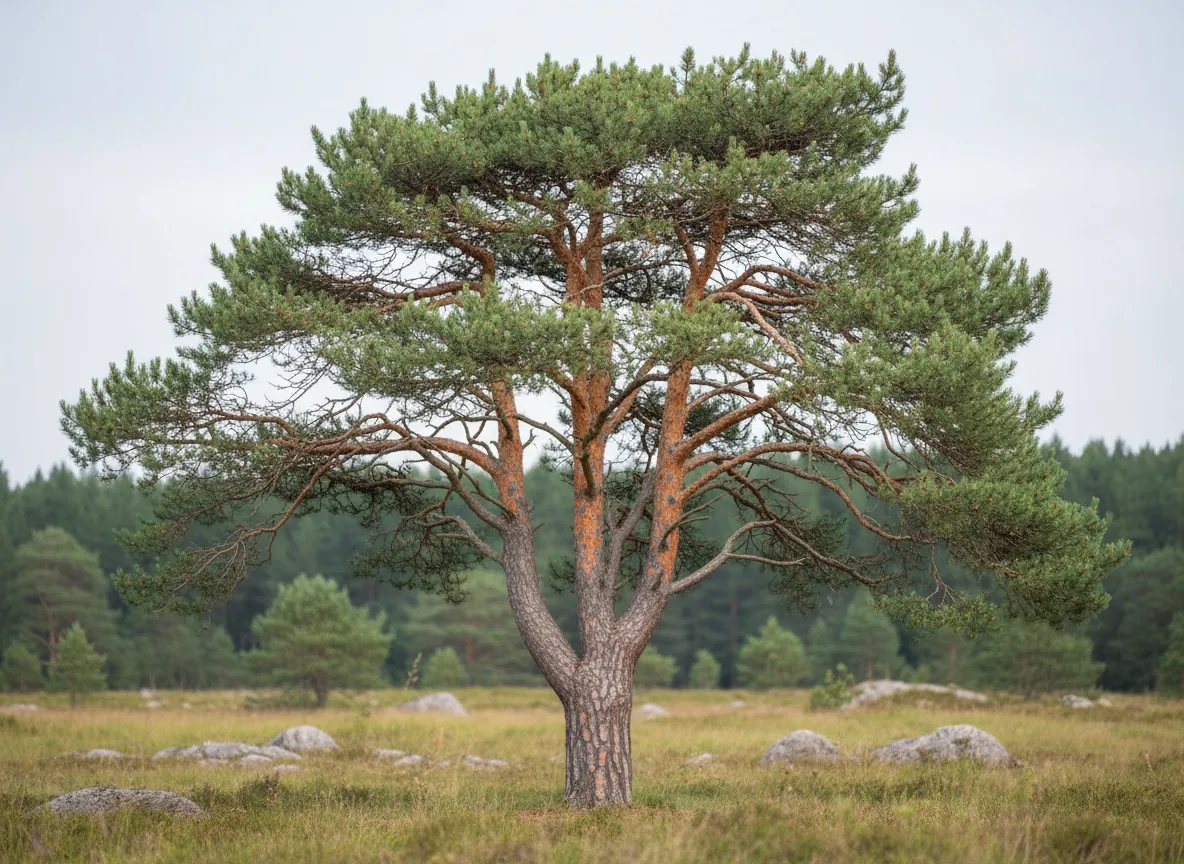
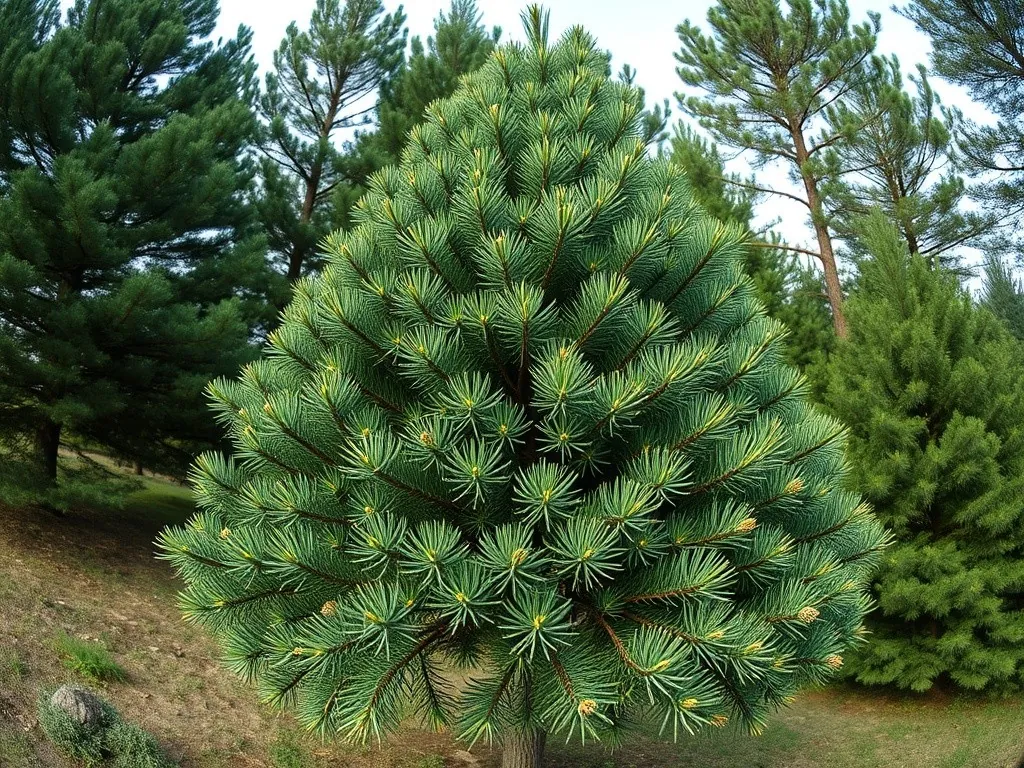
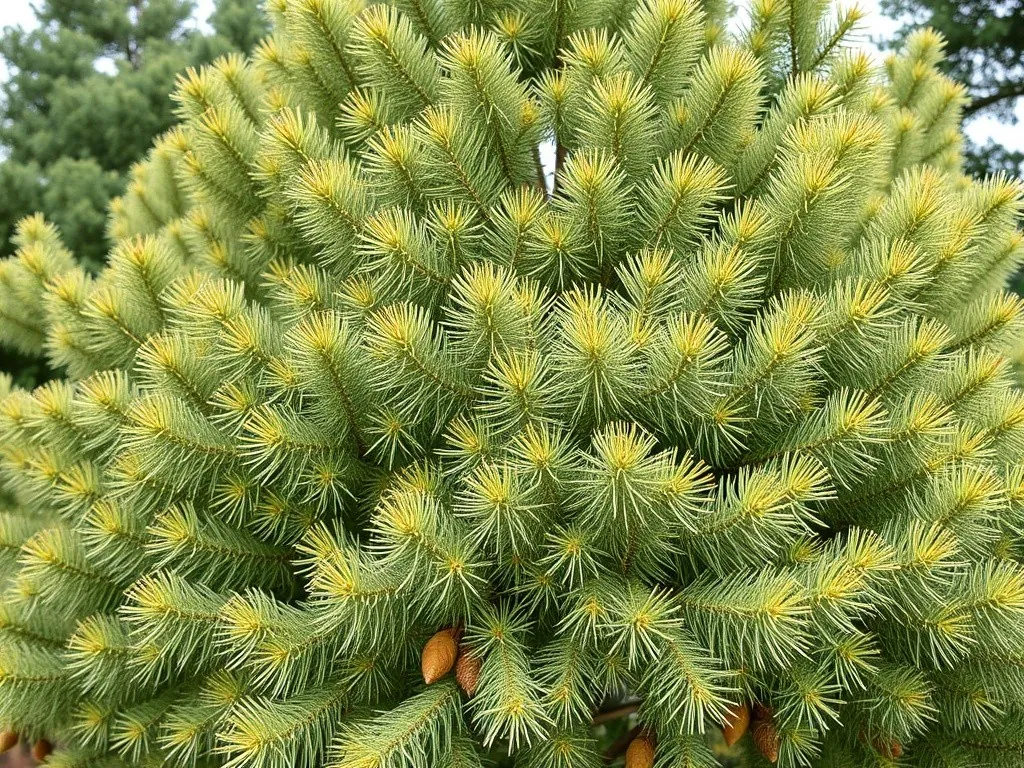
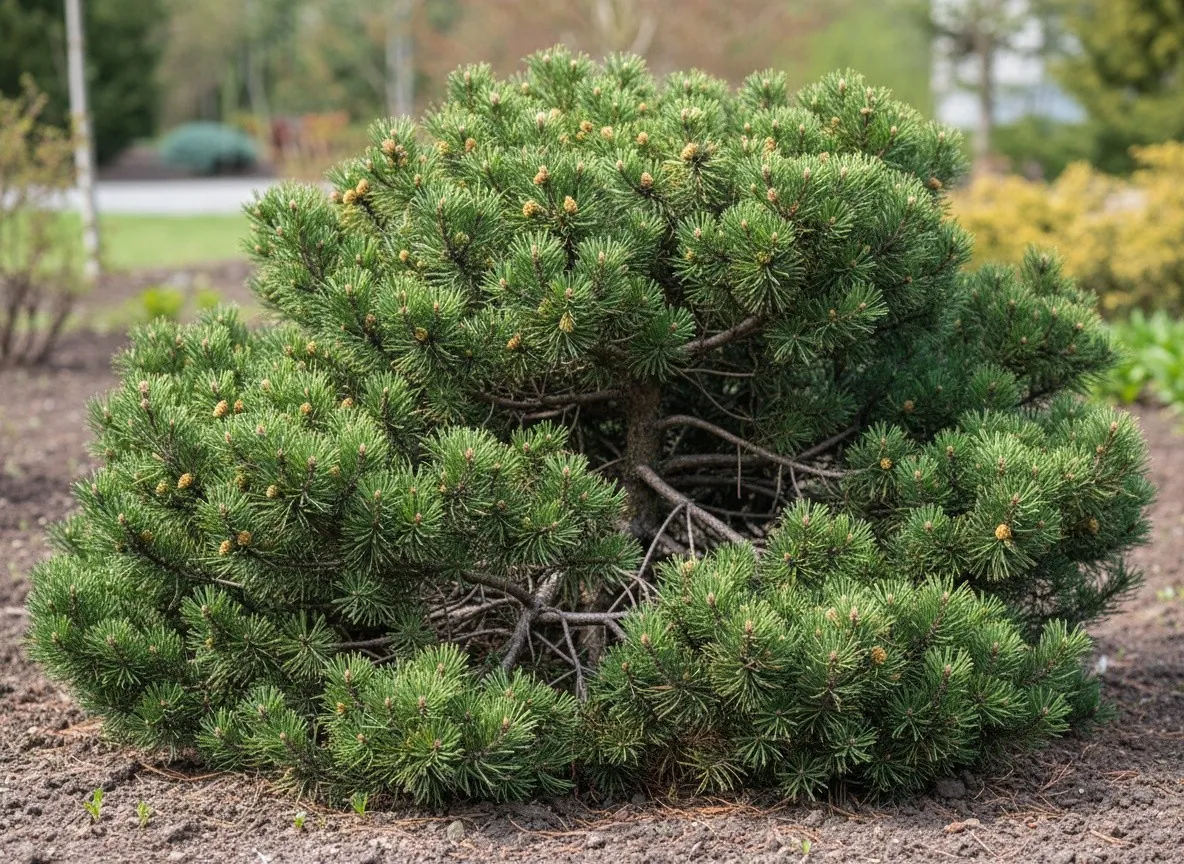
An evergreen shrub with a spreading or dome-shaped habit, with dark green, stiff needles arranged in pairs. Produces small, brown cones. Garden varieties differ mainly in size and compactness.
Growing and care
Watering
Very resistant to drought and frost; watering is mainly needed in the first season after planting.
Fertilizing
Very undemanding — grows well in poor, stony soils.
Planting
Free-draining soil in full sun; tolerates poor, stony and sandy sites.
Pruning
Shorten young shoots (candles) by 1/3 to 1/2 to thicken the habit and control size.
Companion plants
Good companions
Similar requirements — sun, dry free-draining soil; both excellent for rock gardens and rockeries.
Native mountain conifers with similar requirements — a natural composition for a rock garden.
Bad companions
Mountain pine needs full sun and dry, free-draining soil — the opposite of what shade-loving plants require.
The evidence level indicates whether the relationship is backed by research, observation, or gardening tradition.
Diseases and pests
Toxicity
| For whom | Level | Notes |
|---|---|---|
| Humans | None | — |
| Dogs | None | — |
| Cats | None | — |
History and origin
Mountain pine is a native feature of Europe's high-mountain landscapes, including Poland's Tatra Mountains, where it forms characteristic dense thickets above the tree line, protecting slopes from erosion.
Uses
For rock gardens, rockeries, banks, as a specimen plant, and in large containers. Dwarf varieties suit small spaces and modern gardens.
Trivia
- An aromatic syrup and essential oil are made from the young shoots and cones of mountain pine, used in traditional herbal medicine.
- In the Tatra Mountains, mountain pine is protected and plays an important role in preventing avalanches and slope erosion.
Frequently asked questions
How do you shape mountain pine so it doesn't grow too large?
In spring, while the young shoots ("candles") are still soft, shorten them by 1/3 to 1/2. This thickens the habit and limits growth, keeping a compact form.
Is mountain pine suitable for a small garden?
Yes, especially dwarf varieties (e.g. 'Pumilio', 'Mops'), which grow very slowly and stay low and compact for many years.
Why is my mountain pine turning brown?
Seasonal shedding of the oldest needles is normal. Increased browning may indicate overwatering and poor drainage, or, less often, pests — mountain pine does not tolerate waterlogged soil.
Sources
- Plants of the World Online (POWO)Database (GBIF, POWO…)
- RHS — Pinus mugoInstitution / botanical garden
My note
A private note for this plant — saved in your browser.