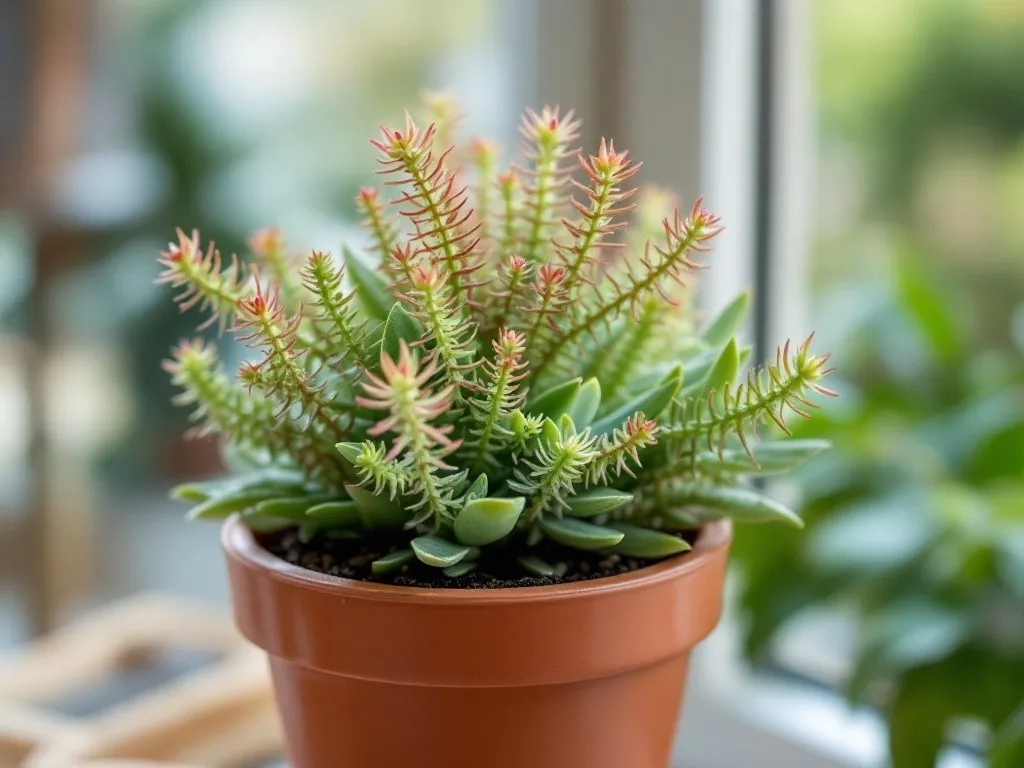
In short
- Very drought-resistant thanks to fleshy, water-storing leaves.
- Blooms late – from August to October, when most perennials are already fading.
- Strongly attracts bees and butterflies during flowering.
- Does not tolerate waterlogged soil – good drainage is key.
- Dry flower heads adorn the bed in winter and provide shelter for insects.
Botanical data
- Family
- Crassulaceae (Crassulaceae)
- Height
- 0.3–0.5 m
- Width
- 0.4–0.6 m
- Habit
- Clump-forming
- Growth rate
- Moderate
- Position
- Full sun, Partial shade
- Soil
- Sandy, Loamy
- pH reaction
- pH 6–7.5
- Moisture
- Dry, Moderate
- Bloom
- August–October
- Hardiness
- USDA 3a–9a
- Propagation
- From cuttings, By division
Characteristics
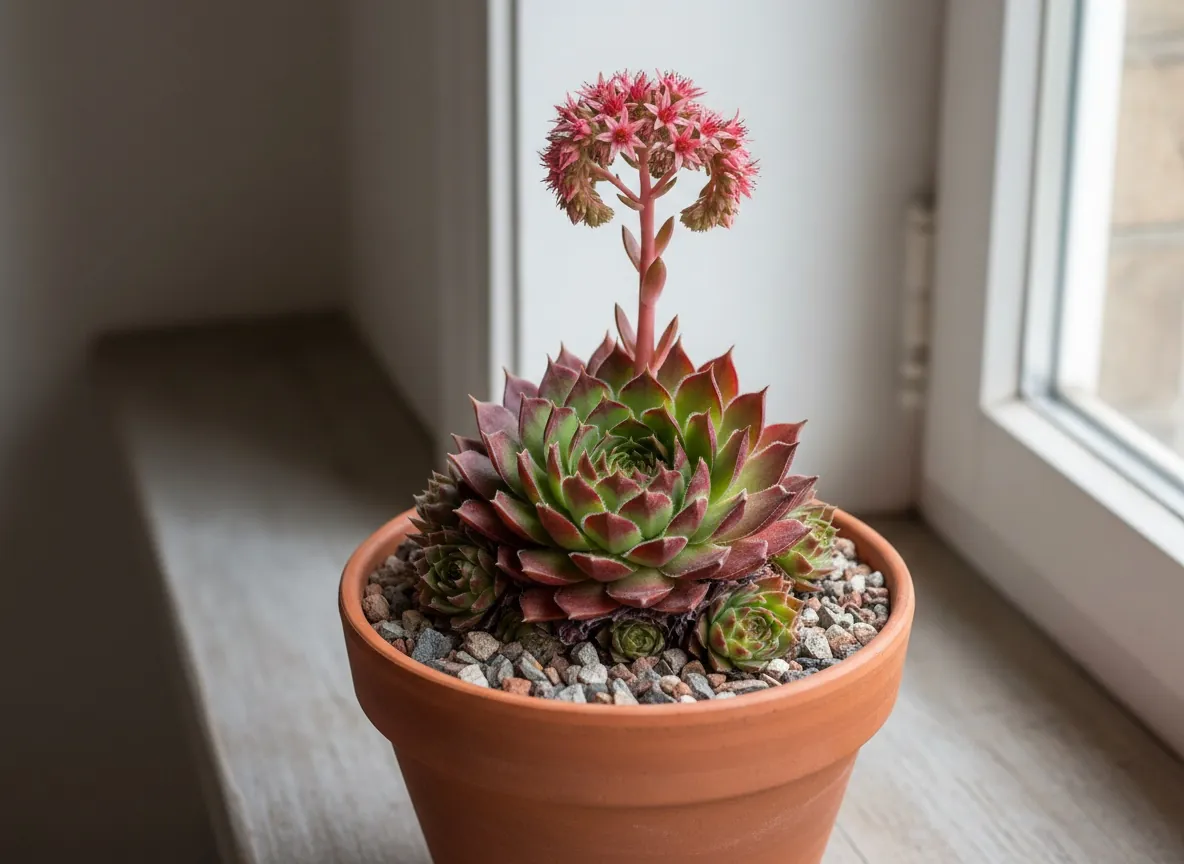
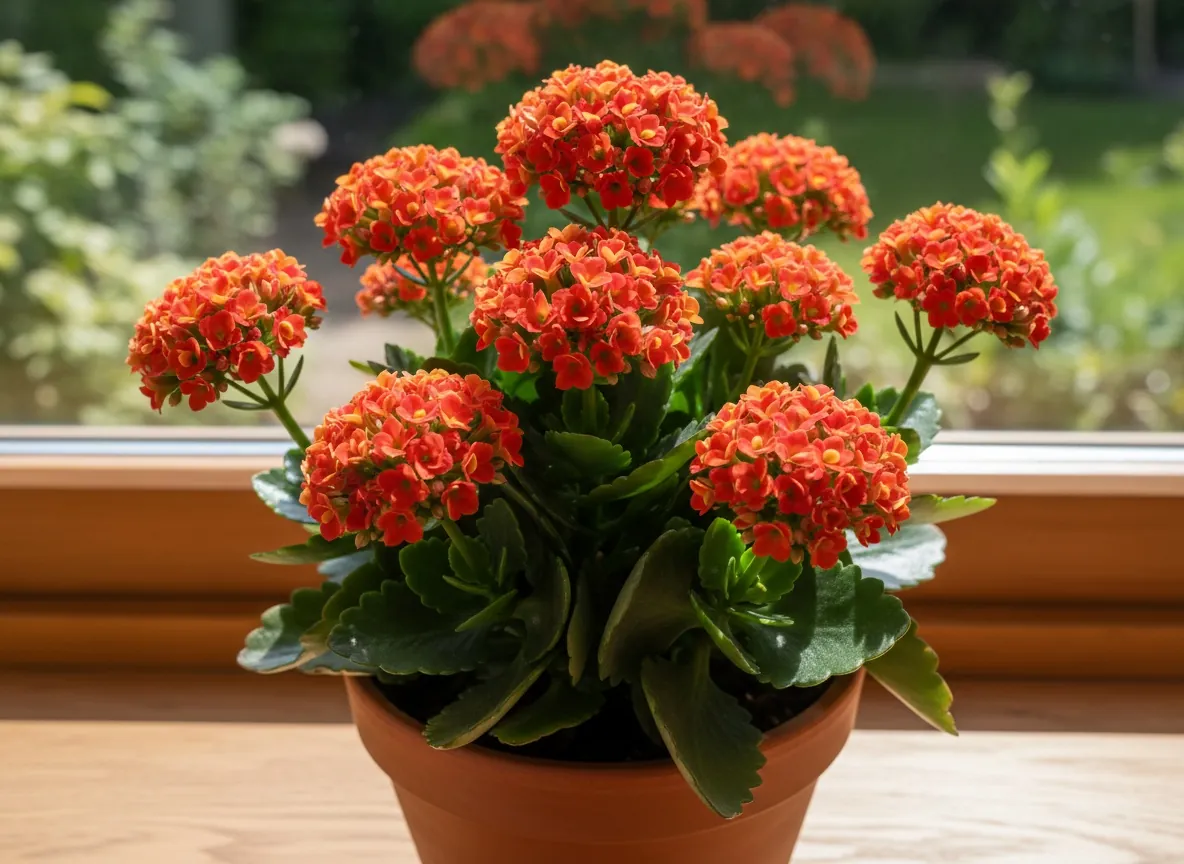
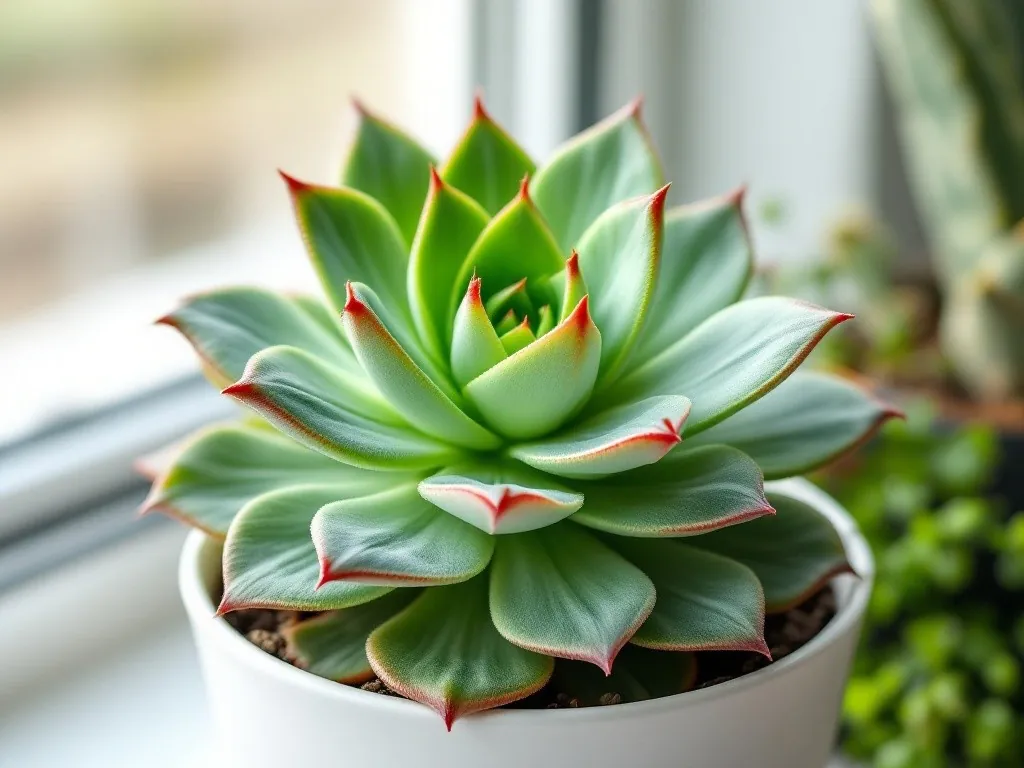
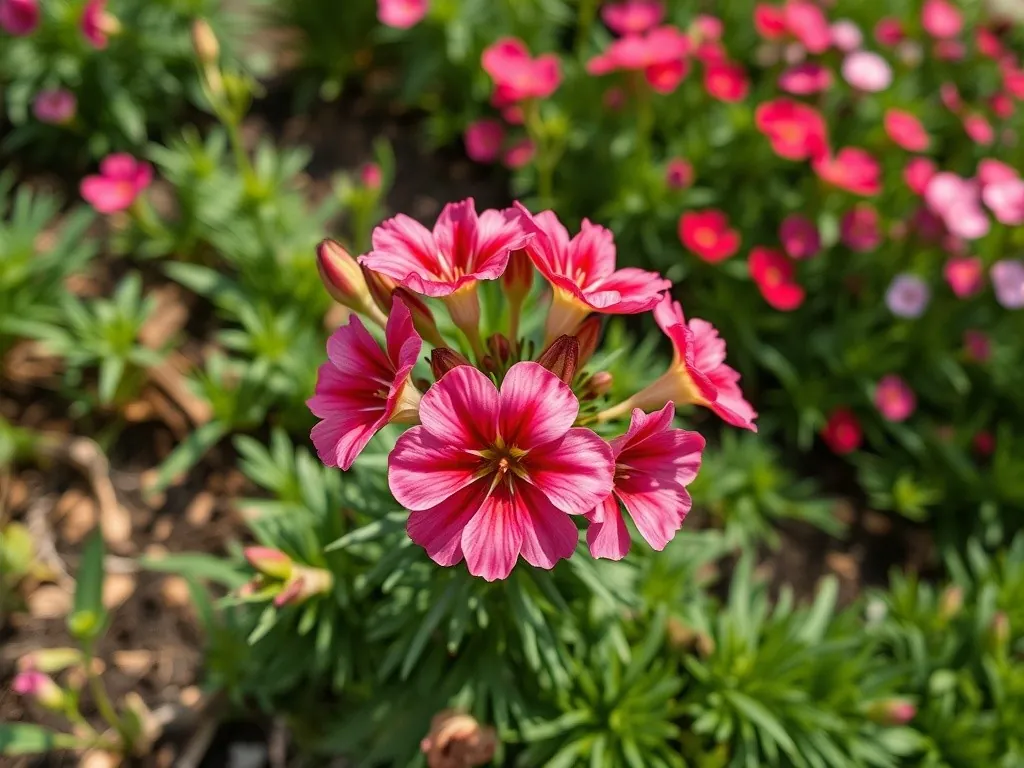
Forms compact clumps of upright, fleshy stems with thick, light-green leaves. The small, star-shaped flowers are gathered into flat, umbel-like clusters at the tips of the shoots.
Growing and care
Watering
The thick, fleshy leaves store water – the plant is exceptionally drought-resistant and does not tolerate waterlogged soil.
Fertilizing
A very undemanding plant – excess fertilizer weakens the rigidity of the stems, which then flop over.
Planting
Well-drained soil, enriched with sand or gravel if needed for better drainage.
Pruning
Remove the previous year's dried stems at ground level.
Companion plants
Good companions
Similar requirements – sun, well-drained soil, high drought tolerance; together they form a durable, low-maintenance combination.
Similar site requirements and seasonal ornamental value – the dry flower heads of the stonecrop and the grasses work well together in winter.
Bad companions
Extremely different water requirements – stonecrop rots in the constant moisture required by hydrangea.
The evidence level indicates whether the relationship is backed by research, observation, or gardening tradition.
Diseases and pests
Toxicity
| For whom | Level | Notes |
|---|---|---|
| Humans | None | — |
| Dogs | None | — |
| Cats | None | — |
History and origin
Showy stonecrop was introduced to Europe from China in the 19th century and quickly gained popularity as an undemanding bedding plant, especially valued in naturalistic and dry gardens.
Uses
For dry and gravel beds, naturalistic gardens, edgings and container growing. Excellent as a late-flowering plant that extends the garden's season of ornament.
Trivia
- Stonecrops are one of the last sources of nectar for bees and butterflies before winter.
- The species was formerly classified as Sedum spectabile and is now placed in the genus Hylotelephium on the basis of genetic research.
Frequently asked questions
Why do stonecrop stems flop and fall apart?
The most common cause is overly fertile soil or excessive nitrogen feeding, which weakens the rigidity of the stems. Stonecrop grows best on poor, well-drained soils.
When does showy stonecrop bloom?
It blooms late, from August to October, when most other perennials have already faded – this makes it a valuable source of nectar in autumn.
Does stonecrop need to be cut back for winter?
It is not necessary – the dry flower heads adorn the garden in winter and provide shelter for insects. Cutting is done in spring, before new growth begins.
Sources
- Plants of the World Online (POWO)Database (GBIF, POWO…)
- RHS — Hylotelephium spectabileInstitution / botanical garden
My note
A private note for this plant — saved in your browser.