In short
- Position: full sun, fertile, well-drained soil with a neutral reaction.
- Sensitive to waterlogging — tolerates heavy, wet soils poorly.
- Many cultivars are self-fertile, but a pollinator usually improves the yield.
- Pruning is best done after harvest, not in winter, because of the risk of silver leaf.
- The stones, leaves and bark contain amygdalin — the fruit itself is safe.
Botanical data
- Family
- Rosaceae (Rosaceae)
- Height
- 3–8 m
- Width
- 3–5 m
- Habit
- Spreading
- Growth rate
- Moderate
- Position
- Full sun
- Soil
- Loamy, Humus-rich
- pH reaction
- pH 6–7
- Moisture
- Moderate, Moist
- Bloom
- April–May
- Hardiness
- USDA 5a–8a
- Propagation
- From cuttings, By layering
Characteristics
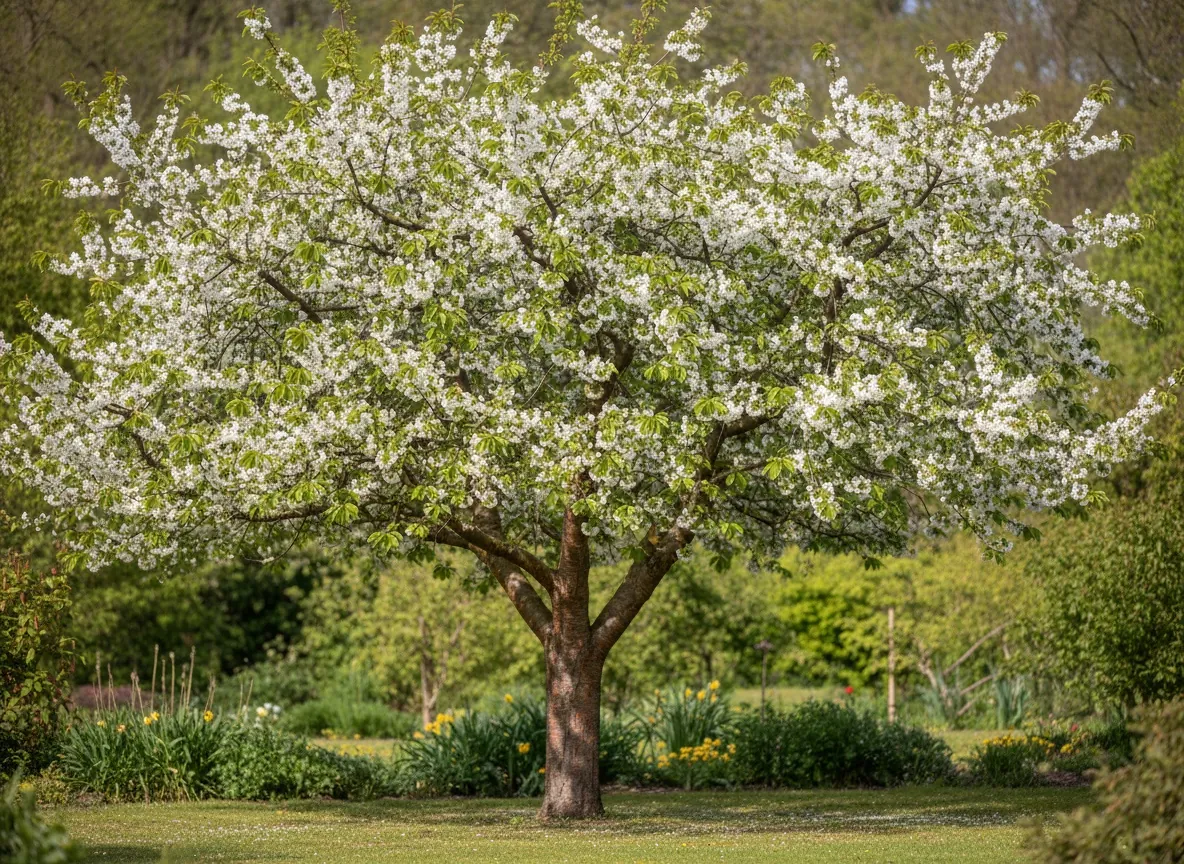
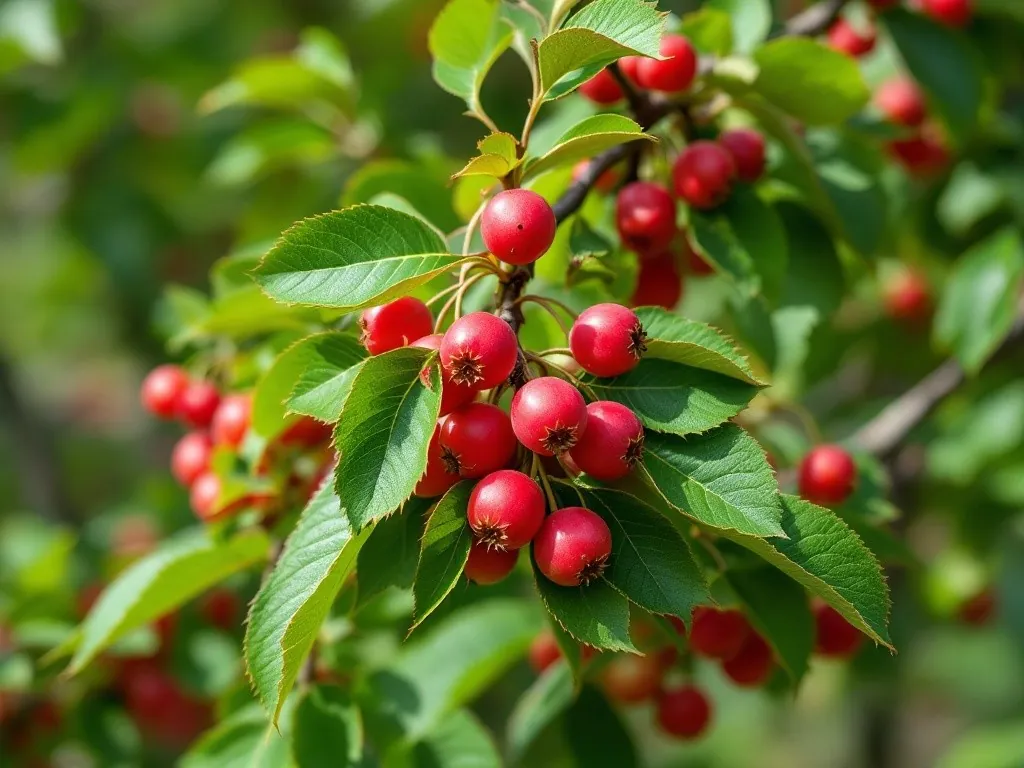
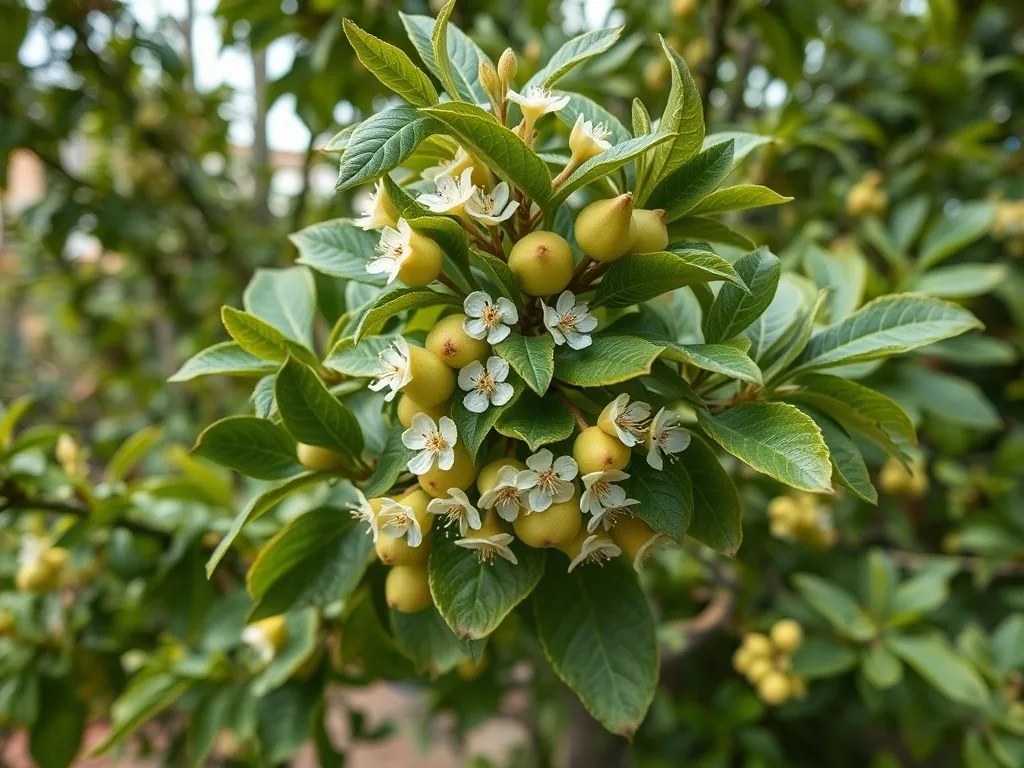
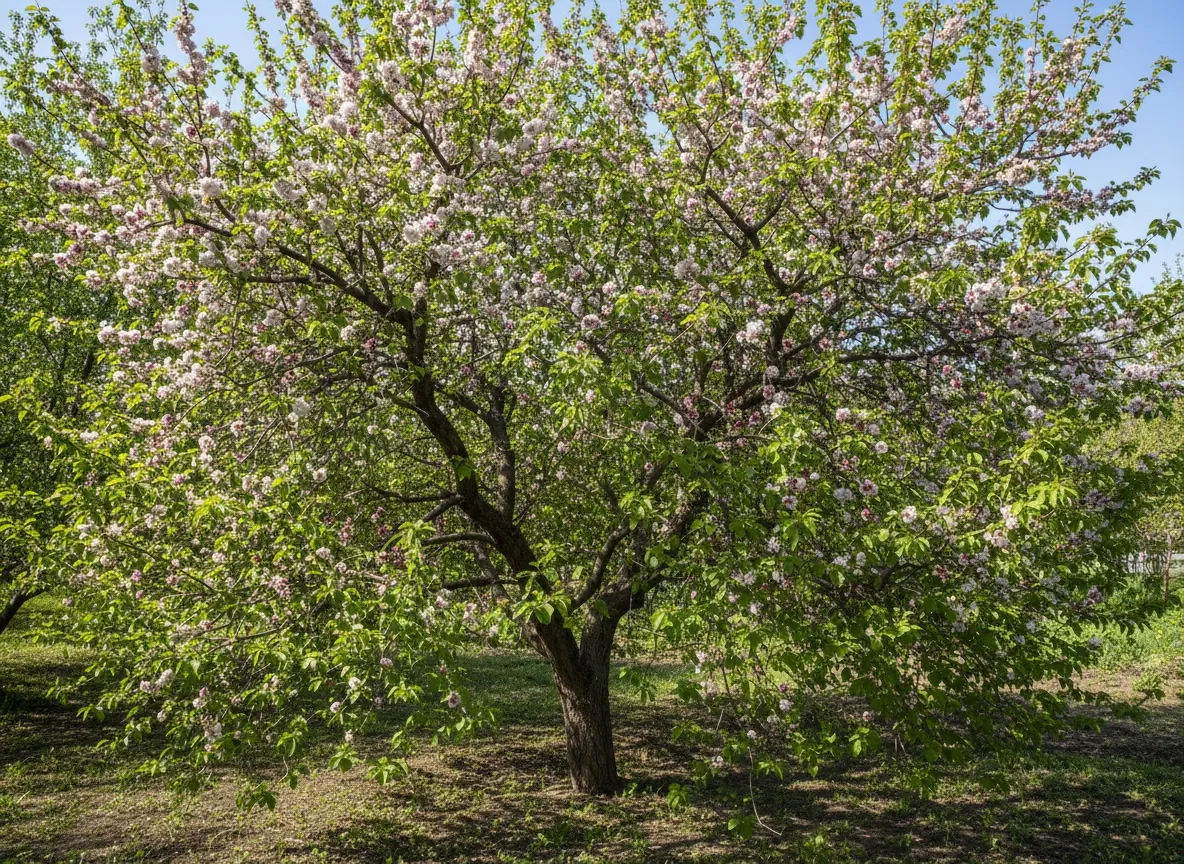
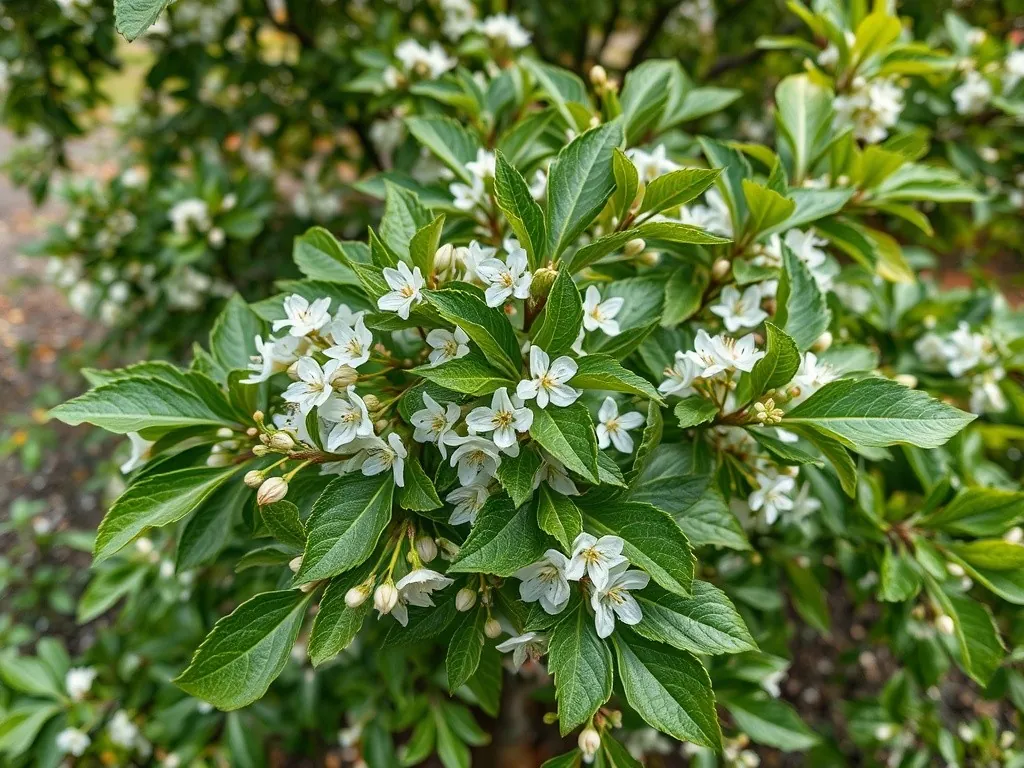
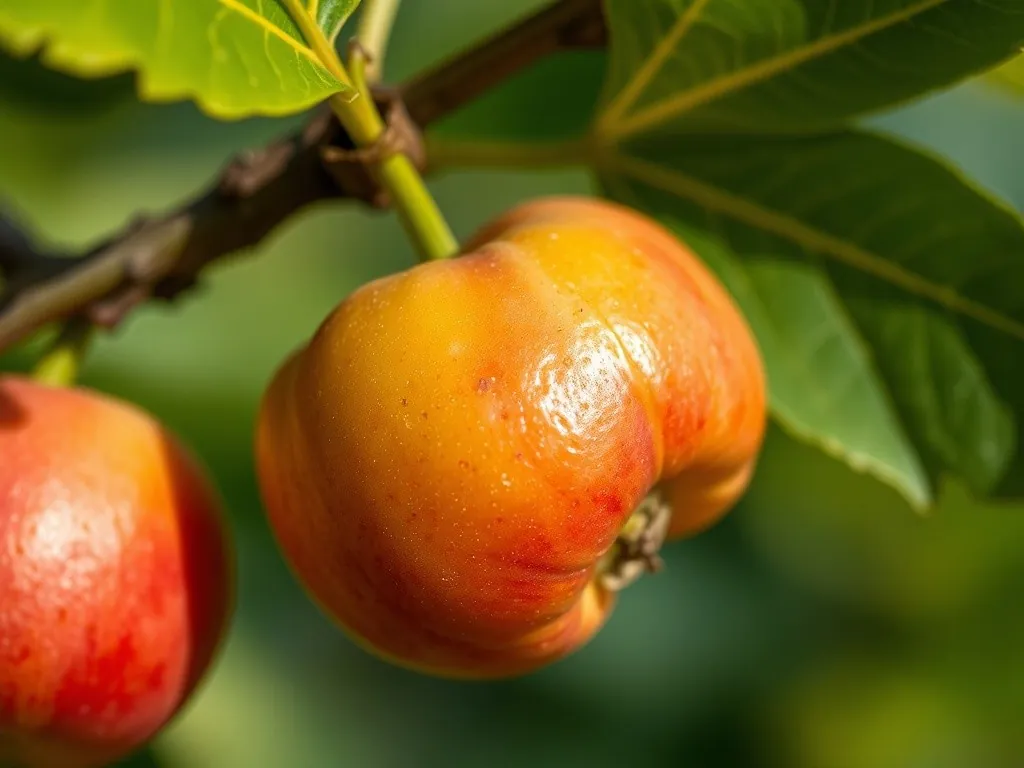
A medium-sized tree with a spreading, irregular crown and dark grey bark. The white flowers appear before or at the same time as the leaves, earlier than in many other stone-fruit trees. The fruit is a drupe with a blue-violet, violet or yellow waxy bloom, with a stone that separates from the flesh easily or with difficulty depending on the cultivar.
Growing and care
Watering
Sensitive to waterlogging, which favours gum oozing from the trunk and root rot. Water regularly during fruit growth, especially in dry summers.
Fertilizing
Moderate doses — an excess of nitrogen delays the tree's entry into dormancy and increases its susceptibility to frost.
Planting
A site sheltered from wind and late-spring frosts; fertile, well-drained soil without stagnant groundwater.
Pruning
Remove crossing, diseased and inward-growing shoots; form a slightly spreading, airy open-centre crown.
Companion plants
Good companions
The scent of garlic helps to repel plum aphids and other sucking pests that attack young shoots.
Sown under the tree as a catch crop, it attracts pollinators and beneficial insects and improves the soil structure in the orchard understorey.
Bad companions
The walnut releases juglone into the soil — an allelopathic compound toxic to many plants, including the plum, inhibiting its growth and weakening its condition.
An increased risk of verticillium wilt, a soil-borne fungal disease that attacks both nightshades and stone-fruit trees growing in the same soil.
The evidence level indicates whether the relationship is backed by research, observation, or gardening tradition.
Toxicity
| For whom | Level | Notes |
|---|---|---|
| Humans | Mild | The stones, leaves and bark contain amygdalin, a compound that releases small amounts of hydrogen cyanide — the flesh of the fruit is safe and fully edible. |
| Dogs | Moderate | Eating a large quantity of stones can be dangerous; the fruits themselves without stones are safe in small amounts. |
| Cats | Mild | — |
History and origin
Cultivated in the Mediterranean basin and the Caucasus for thousands of years, it reached Central Europe in Roman times. In Poland it has for centuries been an important element of home orchards, the basis of traditional plum butter and dried plums (the so-called węgierka plums).
Uses
Orchard cultivation for fresh fruit, dried fruit and preserves (plum butter, compotes, cordials, e.g. slivovitz). In home gardens it is planted singly or in small groups as a fruit tree and, during flowering, an ornamental one.
Trivia
- Dried węgierka plums are one of the oldest Polish fruit preserves, known already in Old Polish cuisine.
- The waxy bloom on the skin of the fruit is a natural, edible protective layer, not a sign of dirt or spraying.
Frequently asked questions
Why is sticky gum oozing from the trunk of my plum tree?
This is gummosis — the tree's reaction to injury, frost, overwatering or fungal infection. It is worth checking the soil drainage and avoiding pruning on wet days; in the case of severe symptoms, consult a specialist.
When is the best time to prune a plum tree?
Most safely right after harvest, in August or September — the wounds heal faster and the risk of infection by the fungi causing silver leaf is lowest. Avoid pruning in winter.
Are plum stones poisonous?
Single stones swallowed by accident are not dangerous, but they contain amygdalin, which releases hydrogen cyanide, so they should not be deliberately eaten in larger quantities or chewed.
Sources
- RHS — Prunus domestica (plum)Institution / botanical garden
- Plants of the World Online (POWO)Database (GBIF, POWO…)
My note
A private note for this plant — saved in your browser.