In short
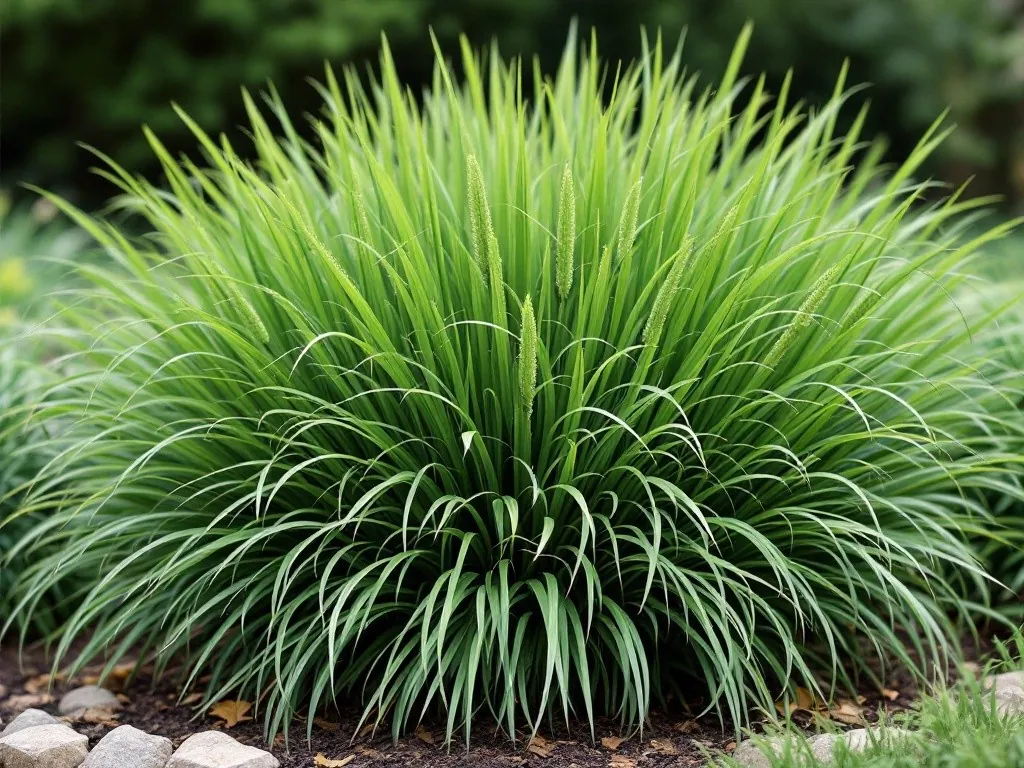
- A low, clump-forming grass with a fountain-like, arching habit (0.6–1.2 m).
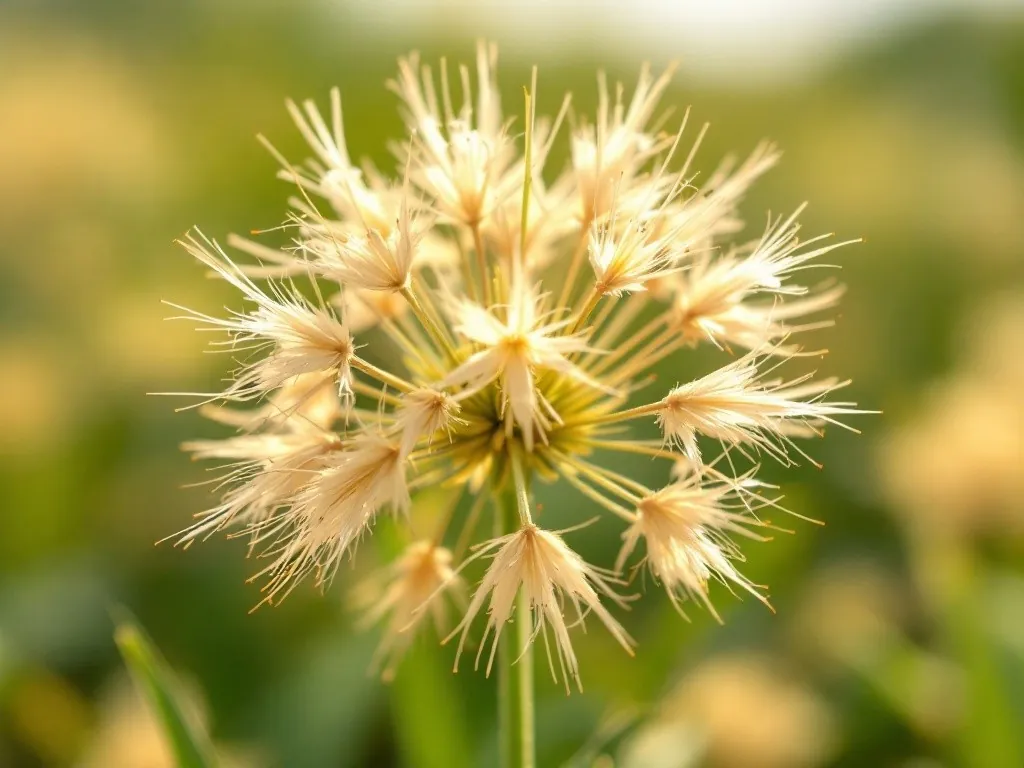
- Fluffy, brush- or foxtail-shaped flower heads from August to October.
- Best in full sun, tolerates light half shade; moderate water requirements.
- Cut back low to the ground in early spring, not in autumn.
- Excellent for group plantings (drifts) and beds in a naturalistic style.
- Does not form runners – stays in a compact clump.
Botanical data
- Family
- Poaceae (Poaceae)
- Height
- 0.6–1.2 m
- Width
- 0.6–1.2 m
- Habit
- Clump-forming
- Growth rate
- Moderate
- Position
- Full sun, Partial shade
- Soil
- Loamy, Sandy, Humus-rich
- pH reaction
- pH 5.5–7.5
- Moisture
- Moderate, Moist
- Bloom
- August–October
- Hardiness
- USDA 5a–9b
- Propagation
- By division, From seed
Characteristics
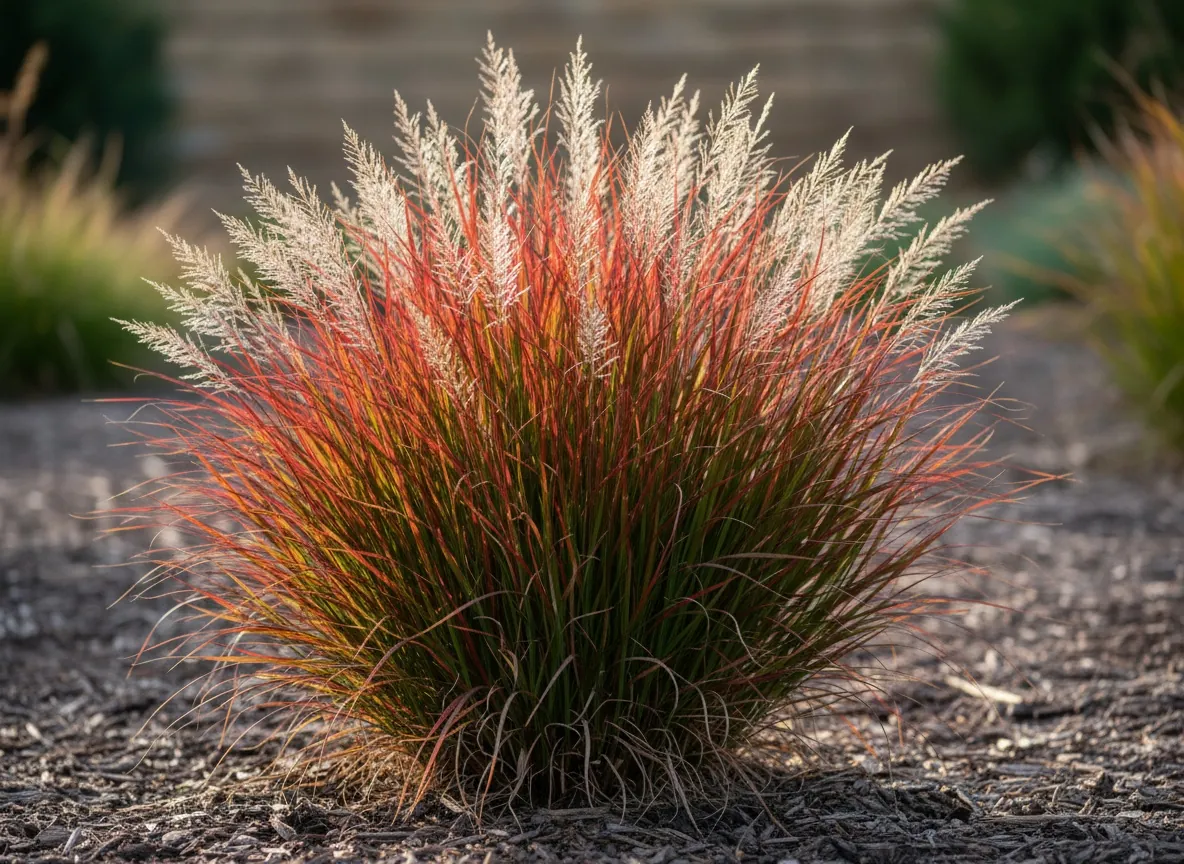
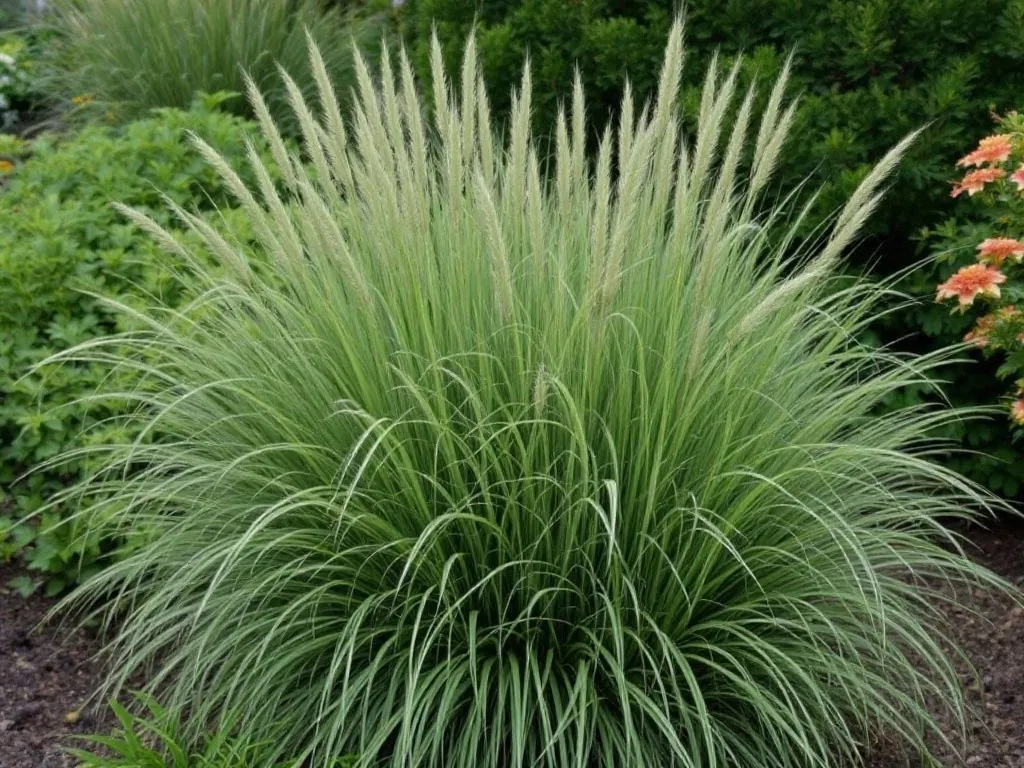
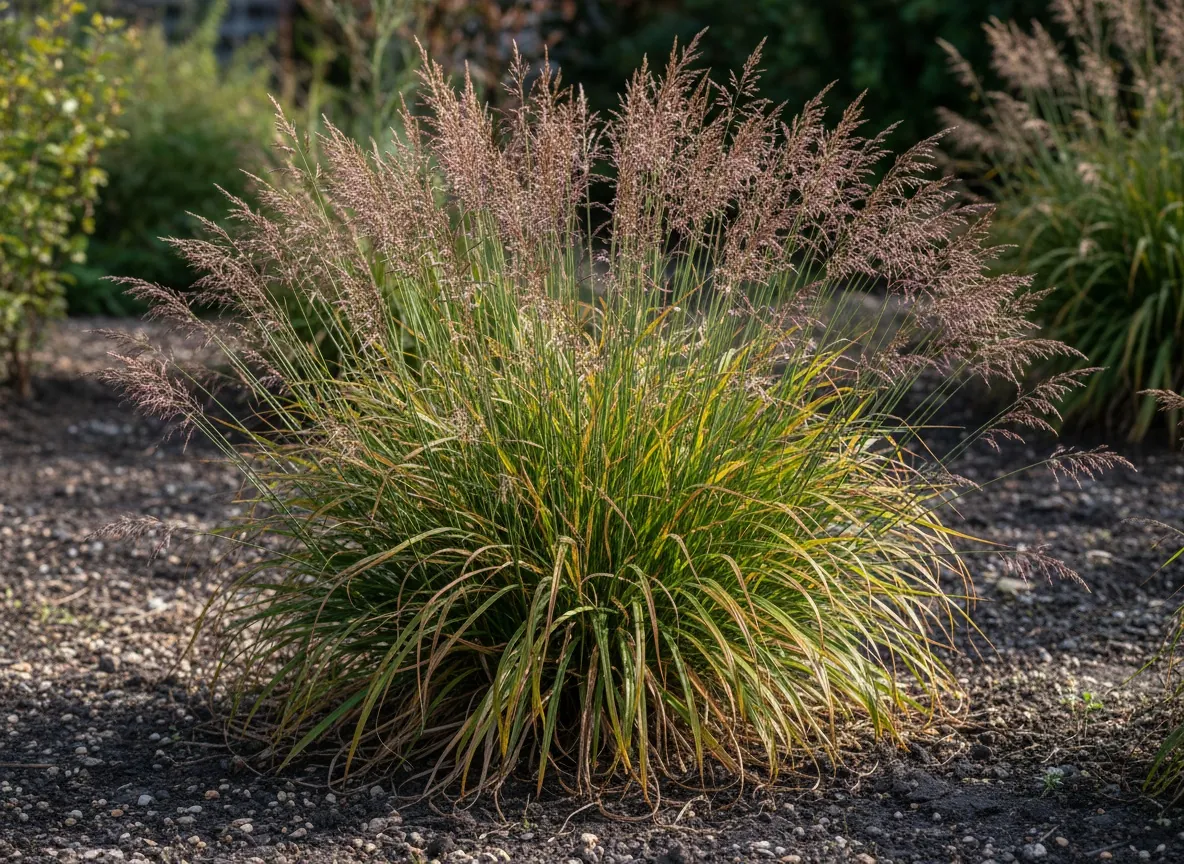
Forms a compact yet visually light clump of narrow, light-green leaves arranged in a characteristic, fountain-like cascading habit. From August numerous, arching stems grow out, crowned with feathery, brush-like flower heads resembling foxtails – initially greenish-cream, turning brown over time or (in purple cultivars) pink-burgundy. In autumn the leaves take on a straw-coloured, warm tone.
Growing and care
Watering
Tolerates short-term drought once established, but looks best and blooms most abundantly on moderately moist soil.
Fertilizing
Undemanding – a single application of compost or multi-nutrient fertilizer in spring is enough for the whole season.
Planting
Plant in full sun or light half shade, on well-drained, moderately fertile soil; it tolerates spring transplanting well.
Pruning
Cut the entire clump back low to the ground, to about 10 cm, before the new leaves appear.
Companion plants
Good companions
A classic naturalistic-garden combination – the arching, fountain-like flower heads of fountain grass contrast beautifully with the upright, flowering heads of prairie perennials and share similar site requirements.
A similar autumn season of ornament and comparable site requirements (sun, well-drained soil), producing a durable bed composition from summer to winter.
Bad companions
The dense, arching clump of fountain grass shades and smothers plants set right at its base, and in autumn sheds a large amount of organic matter from its leaves.
The evidence level indicates whether the relationship is backed by research, observation, or gardening tradition.
Toxicity
| For whom | Level | Notes |
|---|---|---|
| Humans | None | — |
| Dogs | None | — |
| Cats | None | — |
History and origin
It reached European and American gardens in the second half of the 20th century and quickly gained popularity thanks to its modest site requirements and exceptionally photogenic flower heads that move in the wind. It became one of the staple grasses used in mass plantings (so-called drifts) in naturalistic gardens and urban public greenery.
Uses
Ideal for group plantings (drifts of several to a dozen or so specimens), bed edgings, naturalistic gardens and urban greenery. Lower cultivars also do well in large containers on balconies and terraces.
Trivia
- The genus name Pennisetum comes from Latin ('penna' – feather, 'seta' – bristle) and describes the feathery, bristly flower heads of the plant.
- Popular cultivars such as 'Hameln' (lower, very frost-hardy) or 'Little Bunny' (miniature, up to 30 cm) make it possible to use fountain grass even in small gardens and containers.
Frequently asked questions
When should fountain grass be cut back?
In early spring, in March, before the new shoots appear – cut the entire clump back low to the ground, to about 10 cm. Do not cut in autumn, because the dry flower heads and leaves adorn the garden in winter and protect the buds at the base from frost.
Is fountain grass invasive and does it spread around the garden?
It does not spread by runners – it forms a compact, slowly enlarging clump. In warmer climates (e.g. in parts of the USA) it can self-seed, but under Polish conditions this is rare and poses no problem.
What does fountain grass look like in winter?
In winter the leaves and flower heads dry out, taking on a straw-coloured, golden hue, and remain on the plant as an effective, texture-rich decoration, especially when covered with frost or lit by the low sun. It is worth leaving them until spring.
Sources
- Plants of the World Online (POWO)Database (GBIF, POWO…)
- RHS — Pennisetum alopecuroidesInstitution / botanical garden
My note
A private note for this plant — saved in your browser.