In short
- Intensely fragrant flowers in May and June.
- Needs full sun and a rather alkaline soil.
- Frost- and drought-hardy, long-lived.
- Prune right after flowering — the buds form on the old shoots.
- Highly nectar-rich, attracting bees and butterflies.
Botanical data
- Family
- Oleaceae (Oleaceae)
- Height
- 2–6 m
- Width
- 1.5–4 m
- Habit
- Upright
- Growth rate
- Moderate
- Position
- Full sun
- Soil
- Loamy, Humus-rich, Chalky
- pH reaction
- pH 6.5–7.5
- Moisture
- Moderate
- Bloom
- May–June
- Hardiness
- USDA 3a–7b
- Propagation
- By layering, From cuttings
Characteristics
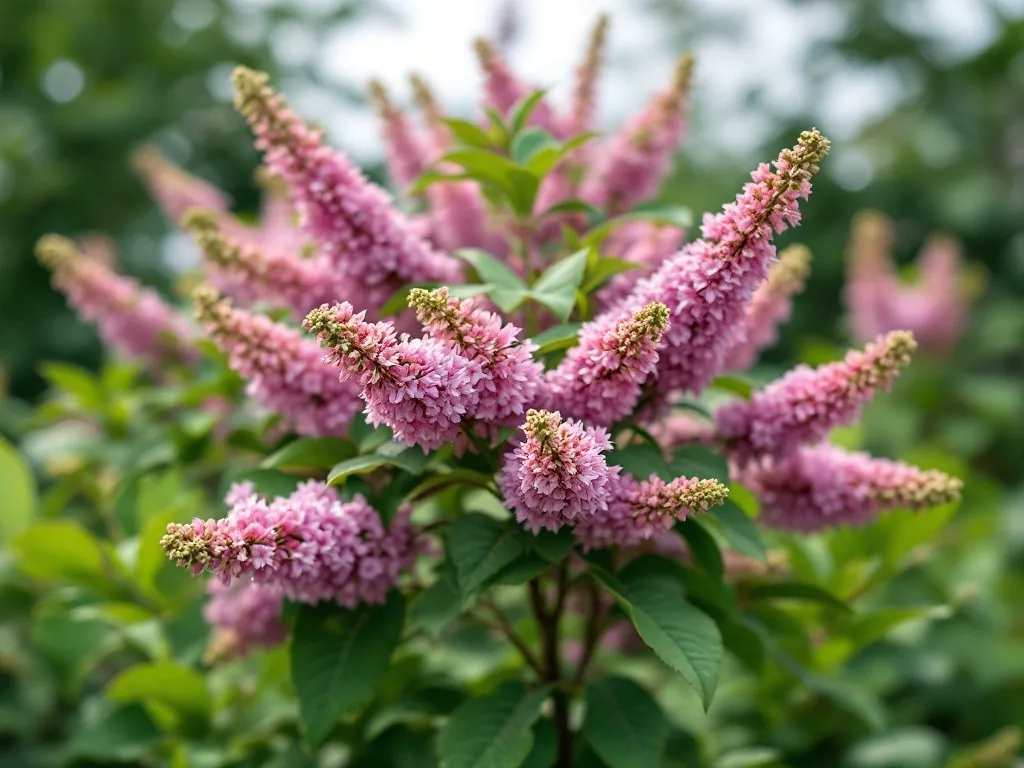
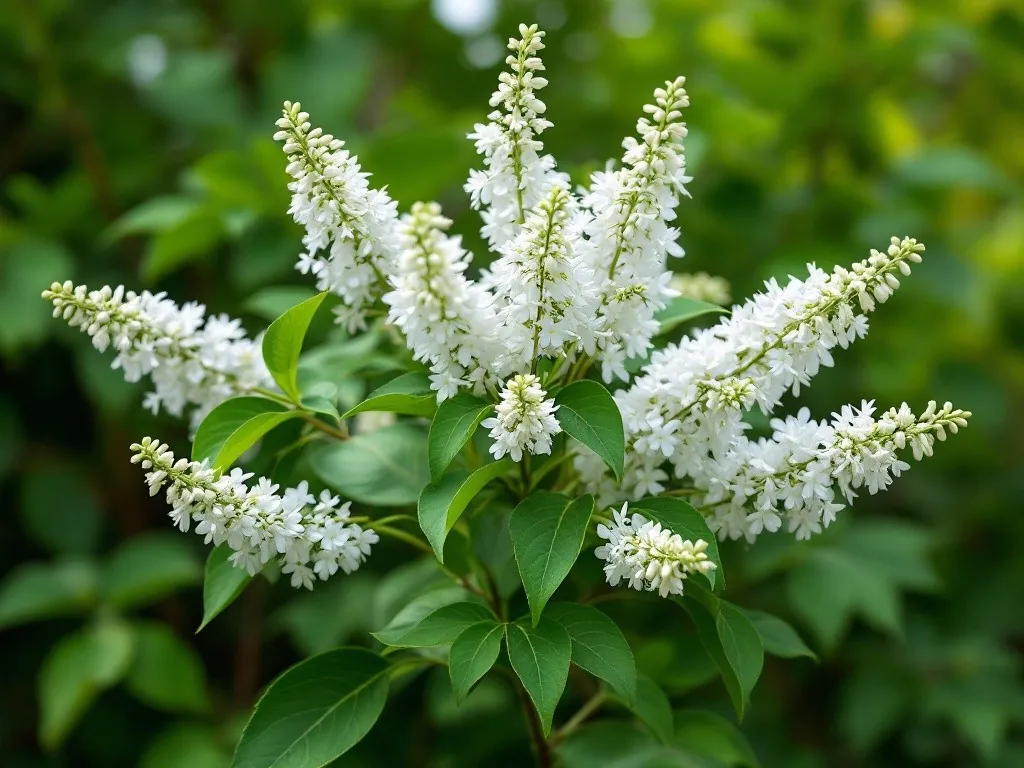
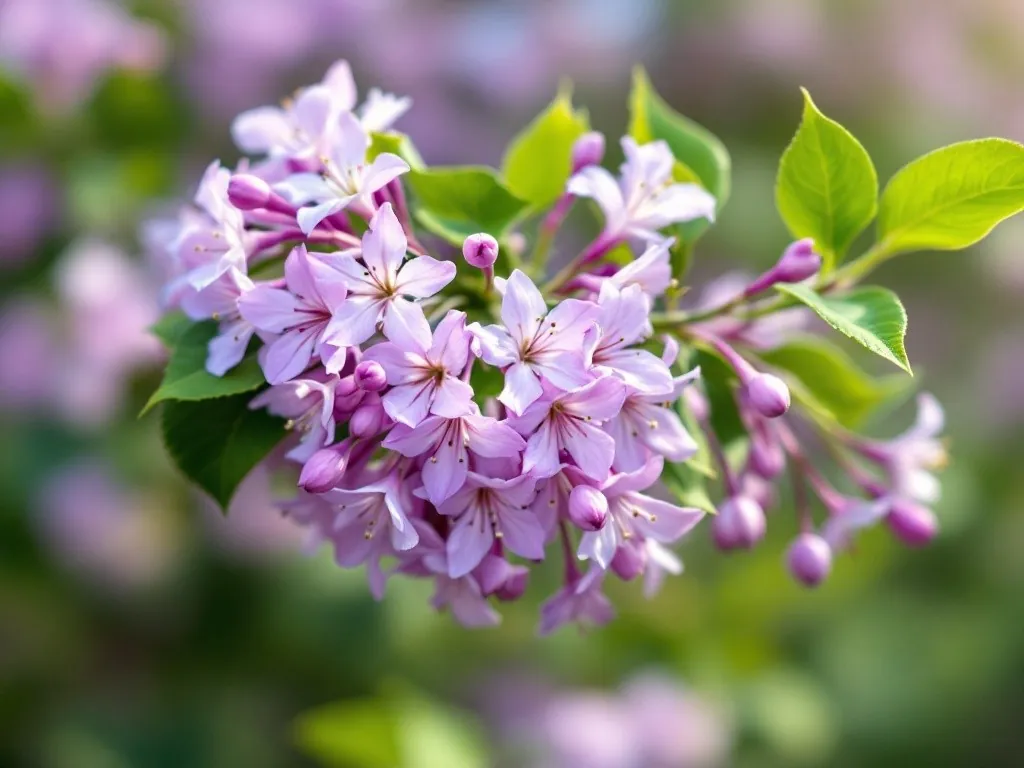
A large shrub or small tree with heart-shaped leaves and showy, conical panicles of small, tubular, strongly scented flowers in shades of purple, white and pink.
Growing and care
Watering
Mature shrubs are drought-tolerant; regular watering is needed mainly in the first few years and during budding.
Fertilizing
The lilac likes alkaline soil — occasional liming encourages flowering.
Planting
Fertile, free-draining, rather alkaline soil in full sun; a shaded position reduces flowering.
Pruning
Remove spent flower heads and thin out the shrub; rejuvenate old specimens by cutting out the oldest shoots.
Companion plants
Good companions
They fill the shaded space at the base of the tall lilac, which becomes bare below.
Bad companions
The lilac needs alkaline soil while the rhododendron needs acidic — the conflicting soil requirements make growing them together impossible.
The evidence level indicates whether the relationship is backed by research, observation, or gardening tradition.
Diseases and pests
Toxicity
| For whom | Level | Notes |
|---|---|---|
| Humans | None | — |
| Dogs | None | — |
| Cats | None | — |
History and origin
The lilac reached western European gardens from the Ottoman Empire in the 16th century and quickly became one of the most beloved ornamental shrubs. Its scent has inspired many cultivars and works of culture.
Uses
For gardens as a specimen or in groups, for flowering informal hedges and as a cut flower. A classic feature of cottage gardens.
Trivia
- The Polish common name „bez“ is misleading — the lilac (Syringa) belongs to a different genus than the black elder (Sambucus).
- Lilac flowers are edible and are sometimes used to decorate and flavour baked goods and syrups.
Frequently asked questions
Why won't my lilac flower?
The most common causes are pruning at the wrong time (in winter or spring, when the flower buds are removed), too much shade, excess nitrogen or a too-acidic soil. The lilac needs sun and an alkaline soil.
When should I prune a lilac?
Right after flowering (in June), removing the spent panicles. Next year's buds form in summer on the current season's shoots, so later pruning reduces flowering.
What should I do with the lilac's root suckers?
The lilac produces numerous root suckers. You can remove them to limit its spread, or dig them up with the root and use them to propagate the shrub.
Sources
- Plants of the World Online (POWO)Database (GBIF, POWO…)
- RHS — Syringa vulgarisInstitution / botanical garden
My note
A private note for this plant — saved in your browser.