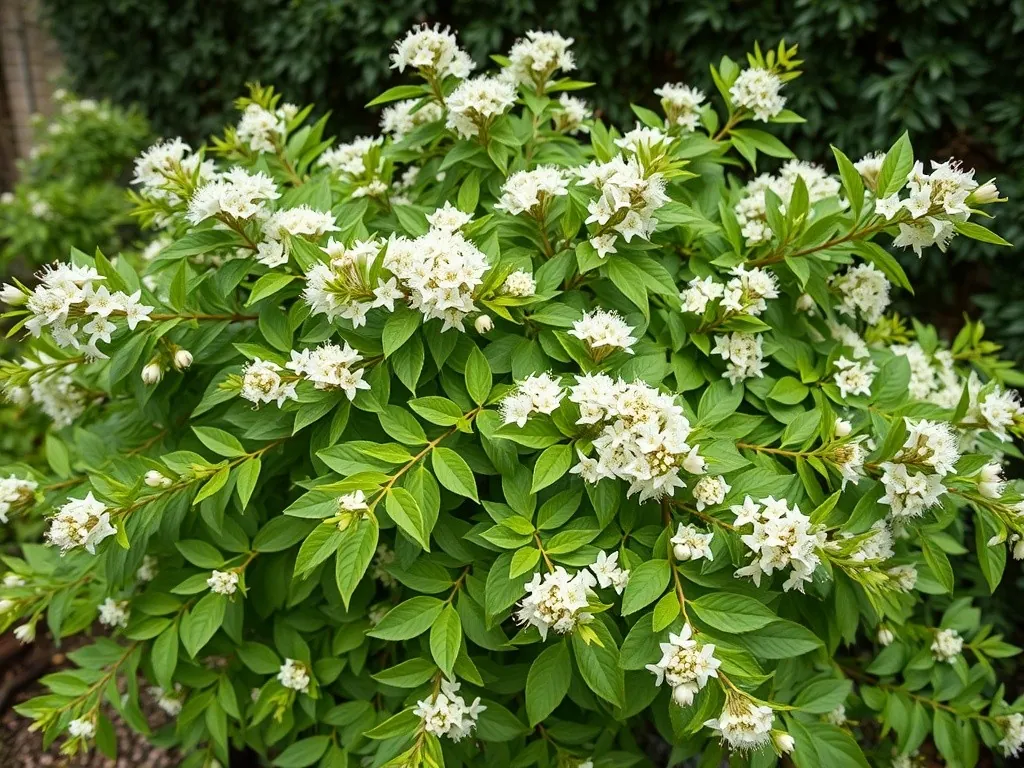
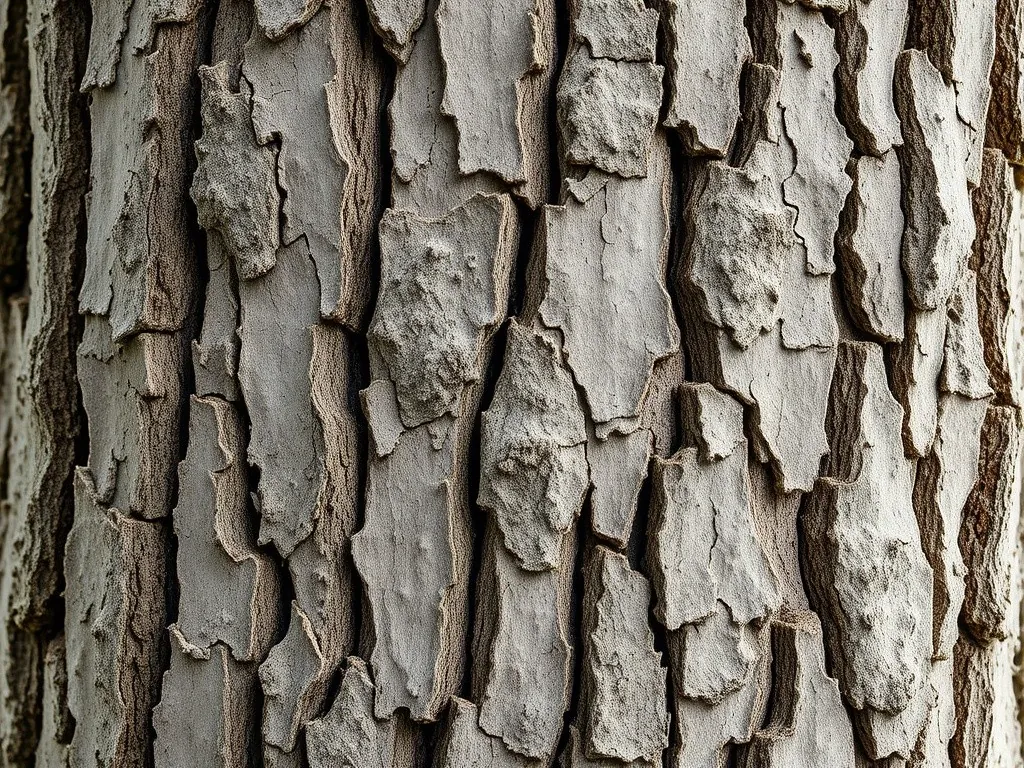
In short
- Site: sun or partial shade, moist to wet soil — tolerates periodic waterlogging.
- Its main asset is the bright red bark of young shoots, visible in winter after leaf fall.
- Very frost-hardy (native to Siberia) — one of the toughest ornamental shrubs.
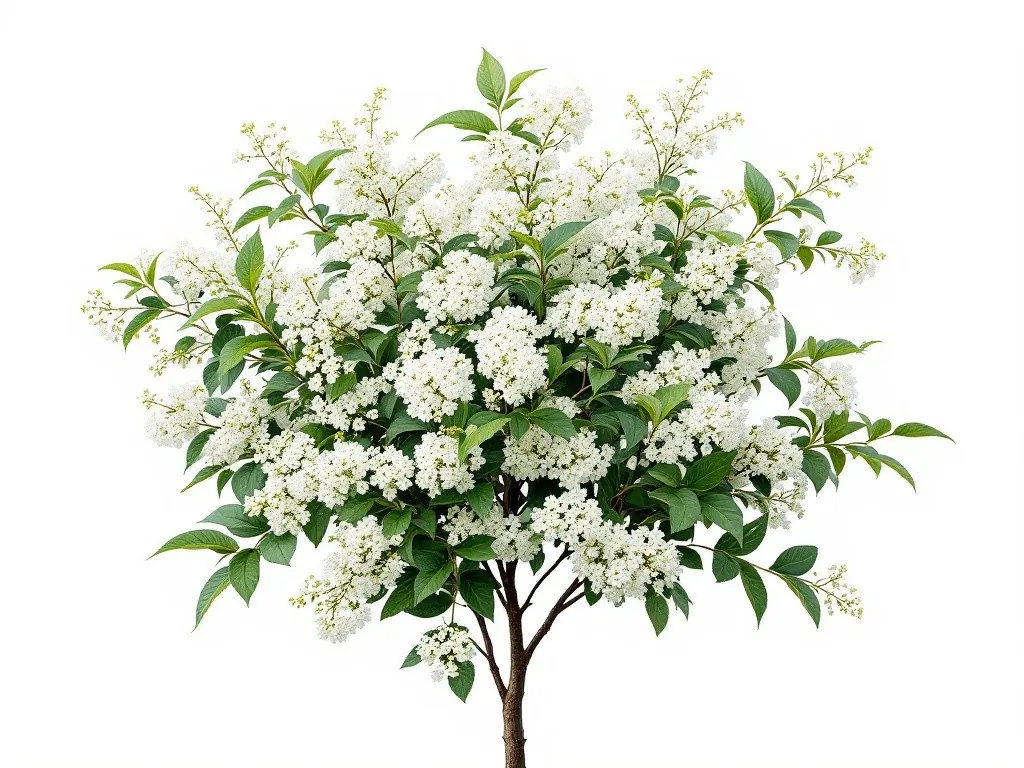
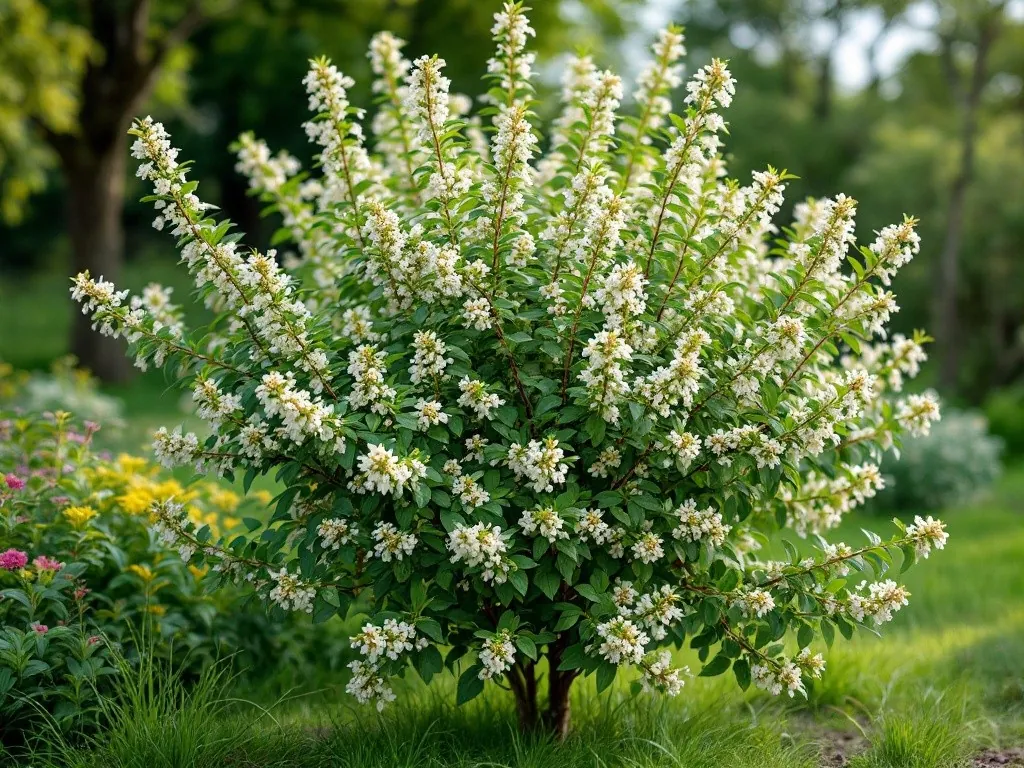
- White flowers in May–June, white fruits in summer.
- Needs regular rejuvenation pruning — the most intense colour is found on young, one-year-old shoots.
Botanical data
- Family
- Cornaceae (Cornaceae)
- Height
- 1.5–3 m
- Width
- 1.5–3 m
- Habit
- Spreading
- Growth rate
- Fast
- Position
- Full sun, Partial shade
- Soil
- Loamy, Humus-rich
- pH reaction
- pH 5.5–7.5
- Moisture
- Moist, Wet
- Bloom
- May–June
- Hardiness
- USDA 3a–8a
- Propagation
- From cuttings, By layering
Characteristics
A spreading shrub forming dense clumps of upright shoots. The oval, dark green leaves turn red-purple in autumn. The dogwood's real asset, however, is its bark — intensely coral-red on young shoots, and strikingly visible against snow once the shrub has lost its leaves.
Growing and care
Watering
Likes consistently moist soil — tolerates even periodic waterlogging well, which is why it does well beside ponds and in lower-lying parts of the garden.
Fertilizing
Moderate doses support intense, rapid shoot growth.
Planting
Dig in compost; tolerates heavy and periodically waterlogged soils well, avoid only extremely dry sites.
Pruning
Cut the oldest shoots hard, back to ground level (so-called rejuvenation pruning) — the most intense, bright red colour is found on young, one-year-old shoots.
Companion plants
Good companions
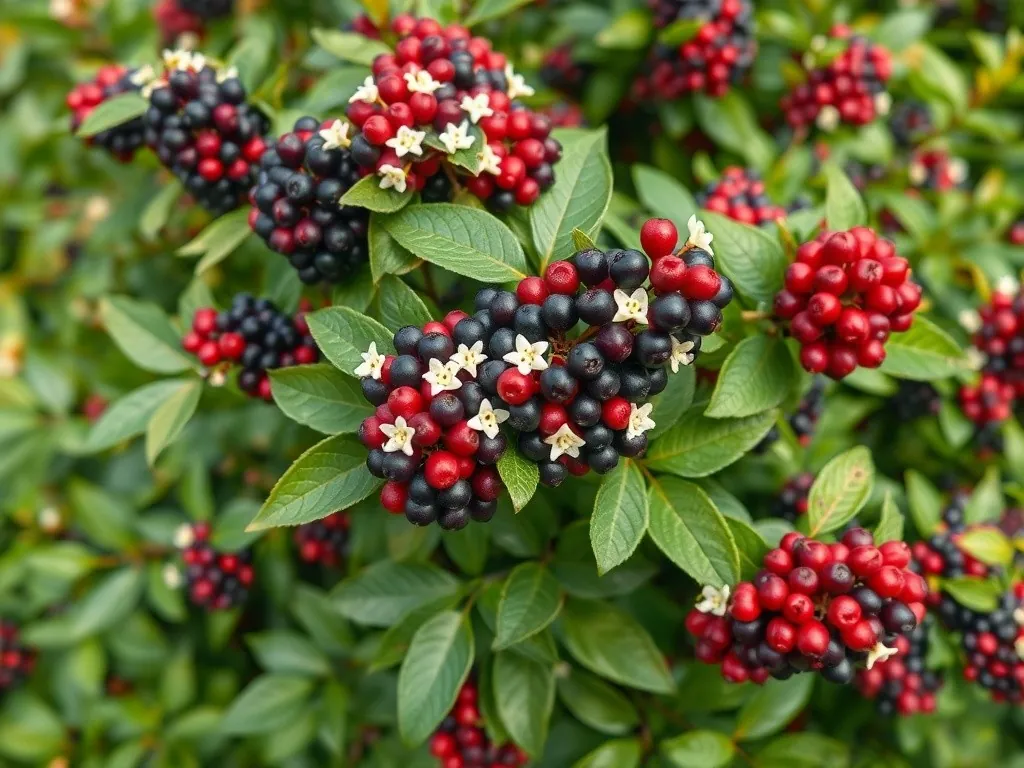
Similar moisture requirements and a shared winter effect — the dogwood's red bark contrasts with the viburnum's red berries set against the snow.
The dark green conifer backdrop sets off the dogwood's bright red bark, which is only fully visible in winter once the leaves have fallen.
The evergreen leaves of the wintercreeper provide a striking backdrop for the dogwood's leafless, coloured shoots in winter.
Bad companions
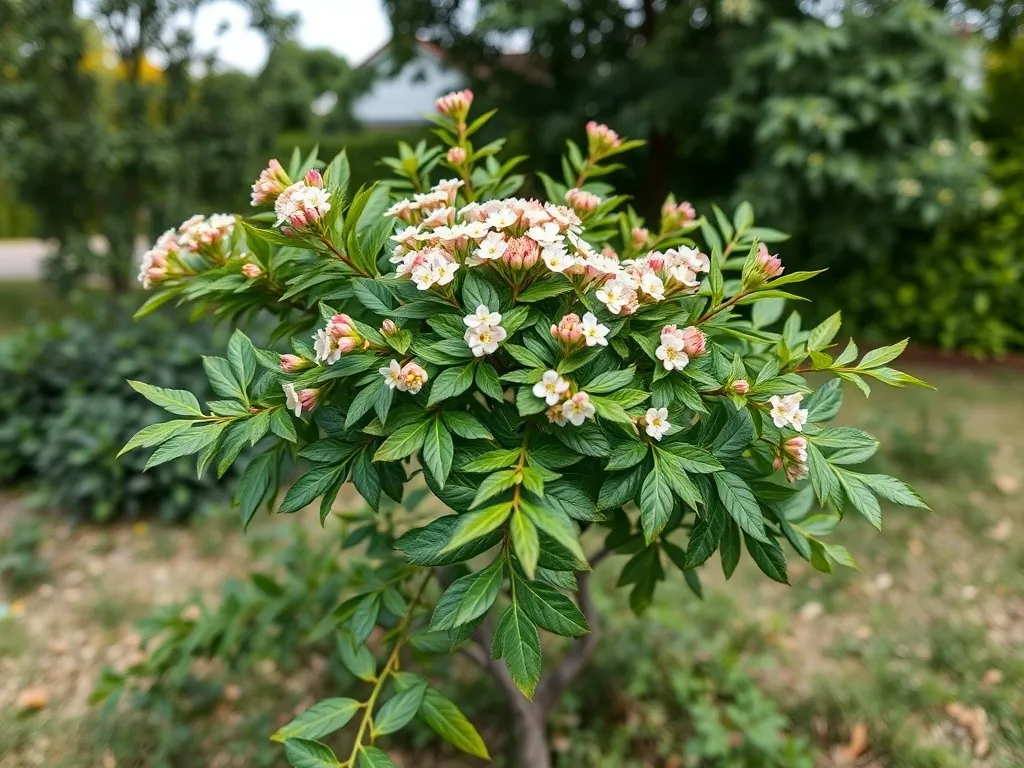
The dogwood needs moist to wet soil, which leads to waterlogging and root rot in the drought-loving lavender when planted in the same spot.
The evidence level indicates whether the relationship is backed by research, observation, or gardening tradition.
Toxicity
| For whom | Level | Notes |
|---|---|---|
| Humans | Mild | The white berries are not considered edible — they taste bitter and, in larger amounts, can cause mild stomach upset. |
| Dogs | Mild | — |
History and origin
Tatarian dogwood comes from the vast expanses of Siberia and northern Asia, where it has long grown as a pioneer species in river valleys. It reached European gardens in the 18th century and quickly gained popularity as a plant with winter appeal — a rare trait among deciduous shrubs.
Uses
Excellent for group plantings valued for their winter effect — for borders visible from windows, at entrances, along pond edges. It copes well in periodically waterlogged areas where other shrubs would not survive.
Trivia
- The bright red bark visible in winter after leaf fall is the main reason Tatarian dogwood is planted en masse in parks and roundabouts — in winter, when most plants are grey and colourless, its shoots look like red streaks against the snow.
- Only young, one-year-old shoots carry the most intense bark colour — which is why regular, hard rejuvenation pruning is essential to maintain the effect.
Frequently asked questions
Why has my dogwood's bark stopped being red?
Only young, one-year-old shoots carry the intense colour. If the shrub is not regularly rejuvenated by pruning, old shoots become woody and lose their bright colour — every 2–3 years in spring, the oldest shoots should be cut back to the ground.
Is Tatarian dogwood suitable for a moist, waterlogged spot in the garden?
Yes, it is one of the few ornamental shrubs that tolerate moist and even periodically waterlogged soil well — it thrives in spots where other plants would rot.
When is Tatarian dogwood's beauty best appreciated?
Its main ornamental feature — the red bark — is only fully visible in winter after leaf fall, so it's worth planting the dogwood somewhere visible from windows during the cold season.
Sources
- Plants of the World Online (POWO) — Cornus albaDatabase (GBIF, POWO…)
- Missouri Botanical Garden Plant Finder — Cornus albaInstitution / botanical garden
My note
A private note for this plant — saved in your browser.