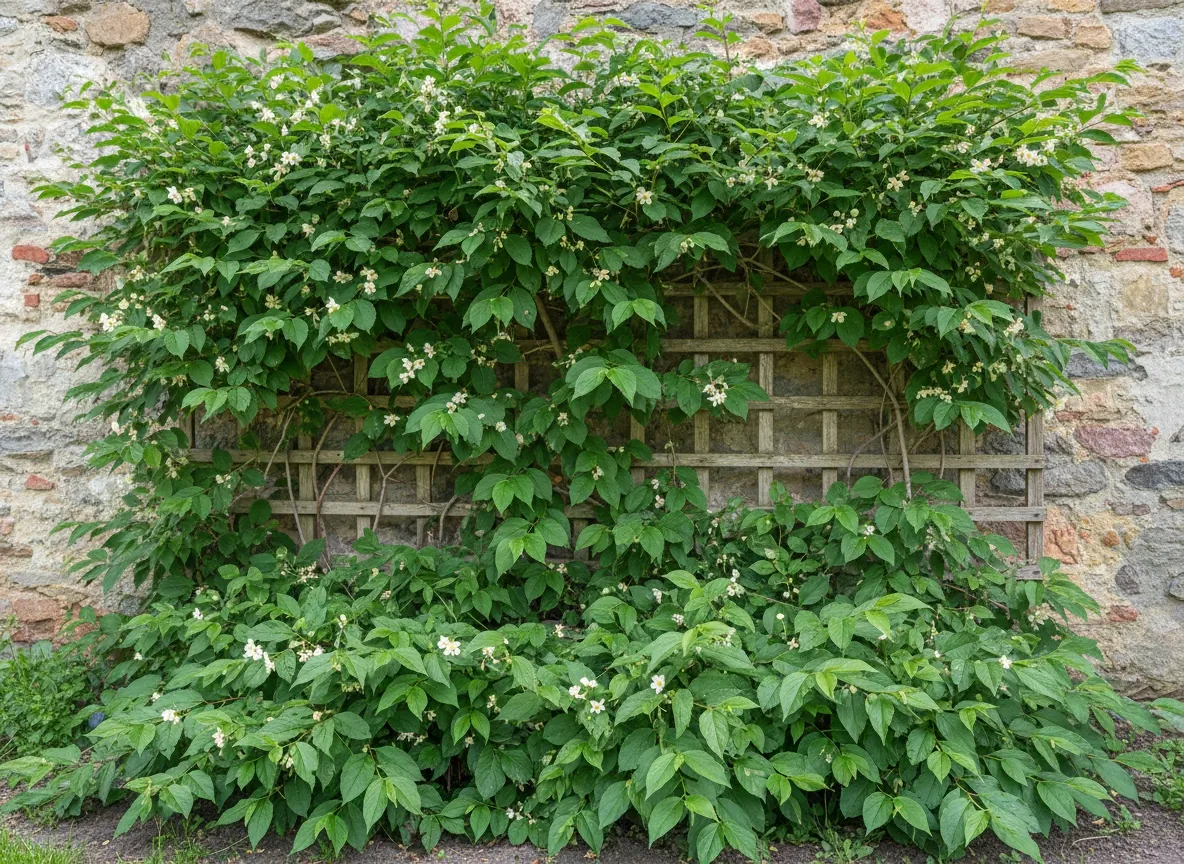
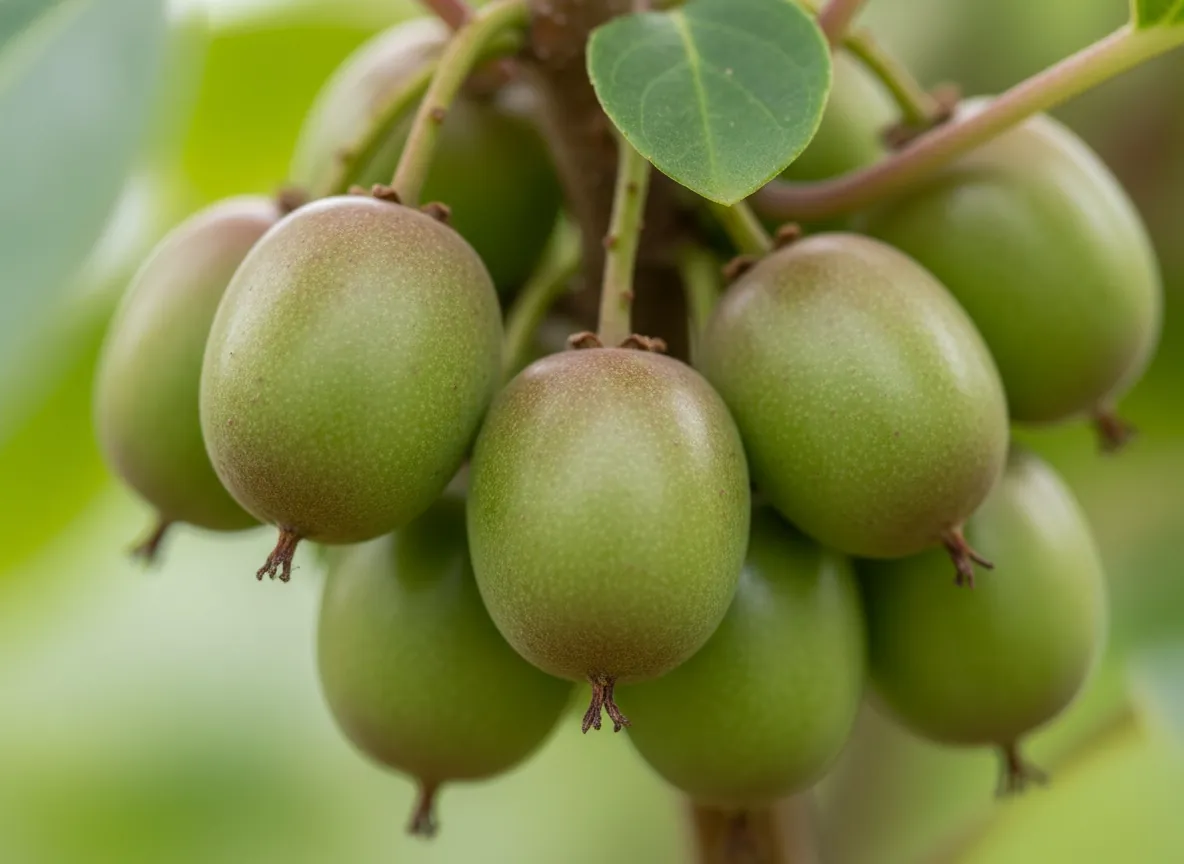
In short
- A dioecious plant — fruiting requires a female and a male specimen.
- Fruits the size of gooseberries, edible with the skin, without peeling.
- Withstands frosts down to about −30°C, unlike the ordinary kiwi.
- Grows very vigorously — requires a strong structure and annual pruning.
- Cats react to it as they do to catnip — young plants have to be protected.
Botanical data
- Family
- Actinidiaceae (Actinidiaceae)
- Height
- 4–10 m
- Width
- 2–4 m
- Habit
- Creeping
- Growth rate
- Fast
- Position
- Full sun, Partial shade
- Soil
- Humus-rich, Sandy
- pH reaction
- pH 5.5–7
- Moisture
- Moderate, Moist
- Bloom
- May–June
- Hardiness
- USDA 4a–8b
- Propagation
- From cuttings, By layering, From seed
Characteristics
A vigorously growing climber with woody shoots twining around the support, reaching up to 10 m. The leaves are broadly ovate, sharply pointed, with reddish stalks. The flowers are creamy white, slightly fragrant and inconspicuous. The fruits are smooth, green berries 2–3 cm long, without the characteristic hairiness of the ordinary kiwi, with sweet, aromatic flesh and a high vitamin C content. They ripen in September and October, often unevenly across the whole plant.
Growing and care
Watering
It has a shallow root system and tolerates drying out poorly, especially while the fruits are growing. The substrate is worth mulching with bark or compost, which retains moisture and cools the roots.
Fertilizing
Moderately. Actinidia is sensitive to salinity of the substrate — better to give several smaller doses than one large one.
Planting
A site sheltered from wind and from late frosts, which damage the young shoots. Enrich the soil with compost and acid peat. Put up a strong supporting structure straight away — a mature plant is heavy. When planting for fruit, plant a female and a male plant together.
Pruning
Train it like a grapevine: leave a framework of 1–2 main shoots and the fruiting shoots, which in winter are shortened to the 3rd–4th bud above the last fruit. In summer shorten the excessively long, twining shoots.
Companion plants
Good companions
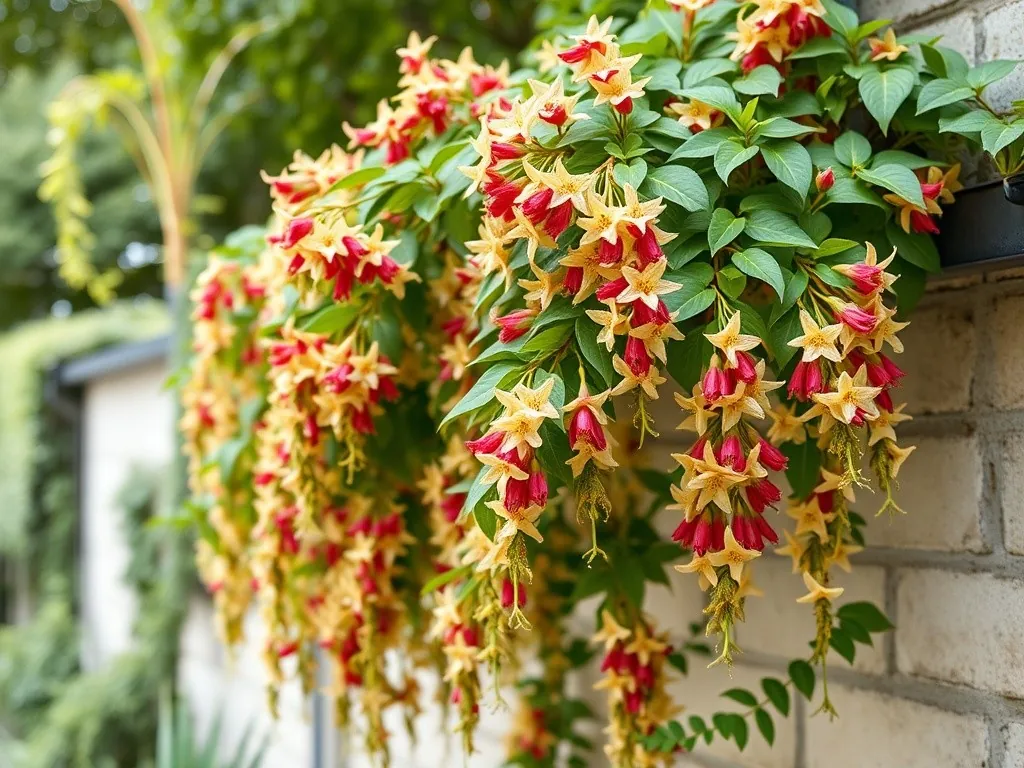
The plant is dioecious: without a male specimen nearby, a female plant will flower but will not set fruit. One male pollinates up to 6–8 females.
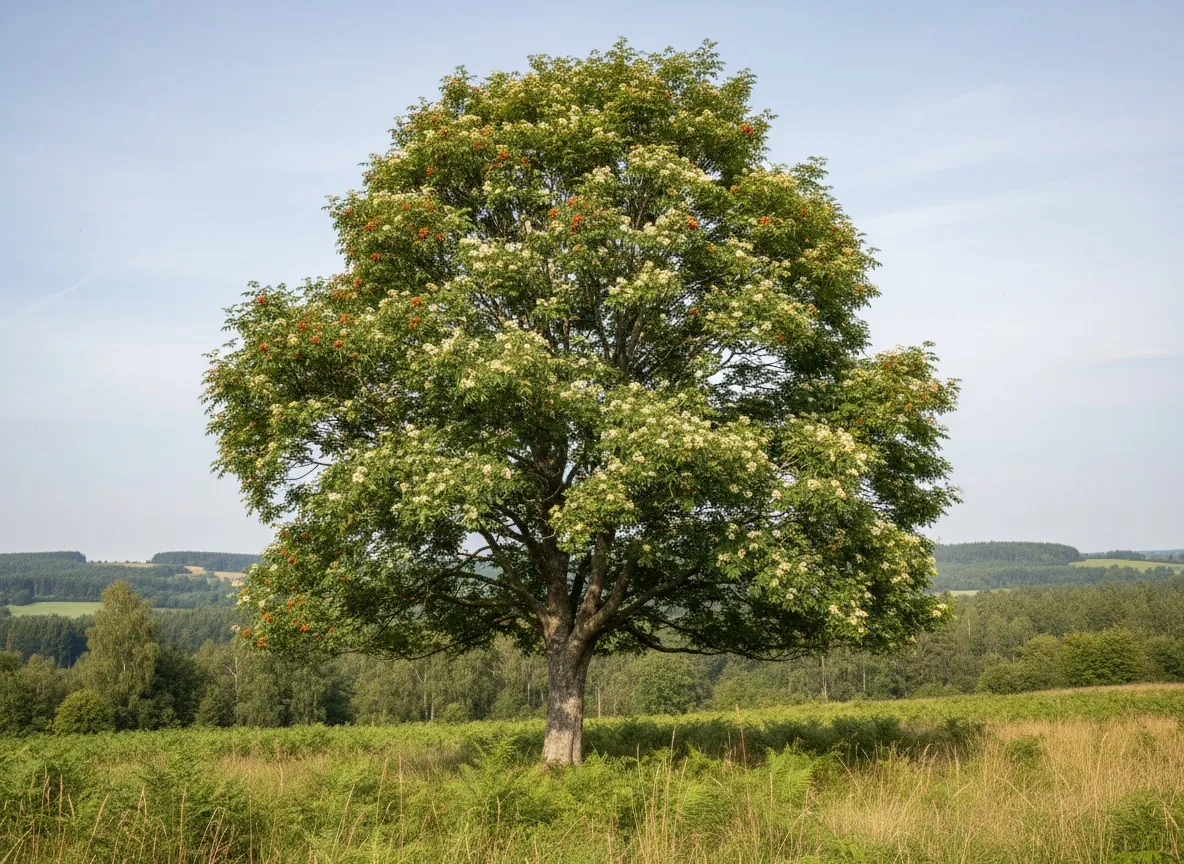
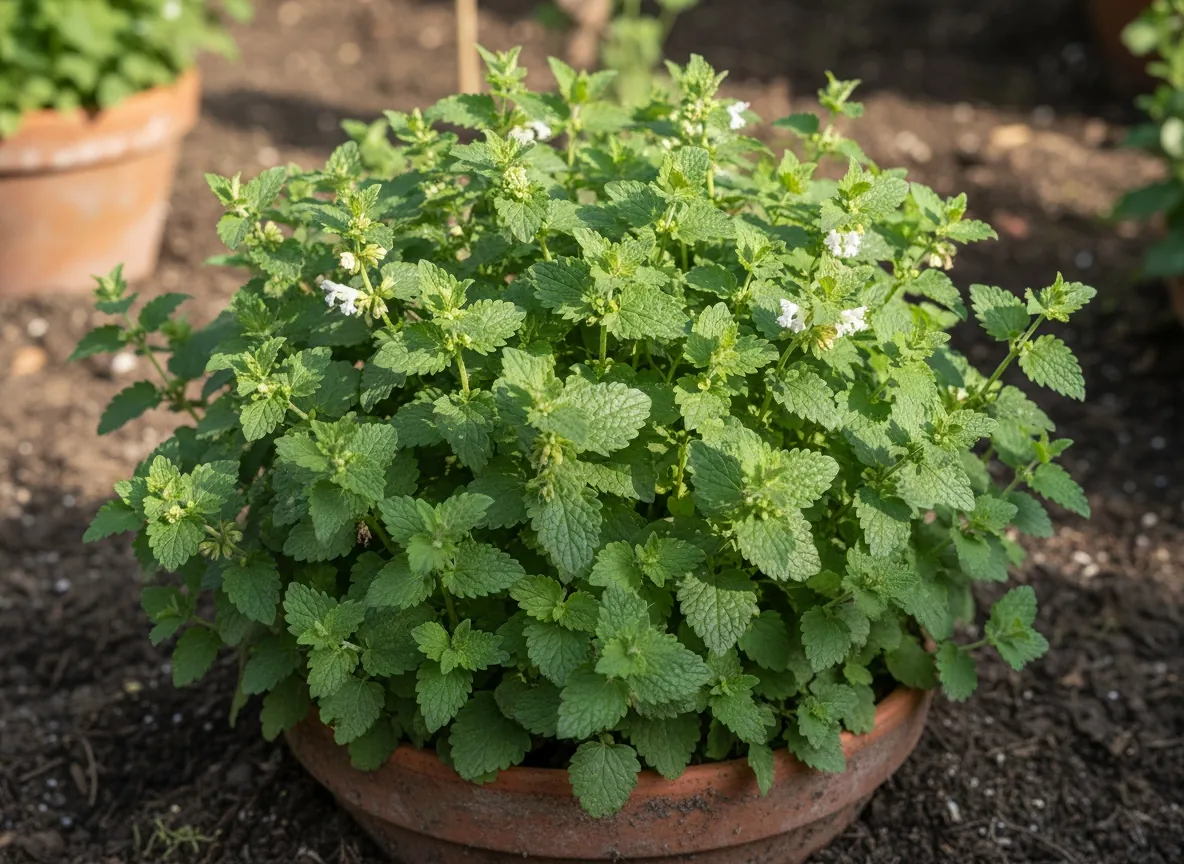
Planted at the base of the climber, it shades and cools the shallow roots of the actinidia, which are sensitive to drying out.
It has similar soil requirements — a humus-rich, well-drained substrate with a slightly acid reaction and constant moisture.
Bad companions
The juglone released by the walnut inhibits the growth of many plants within reach of its roots, and its spreading crown additionally shades the site the actinidia needs.
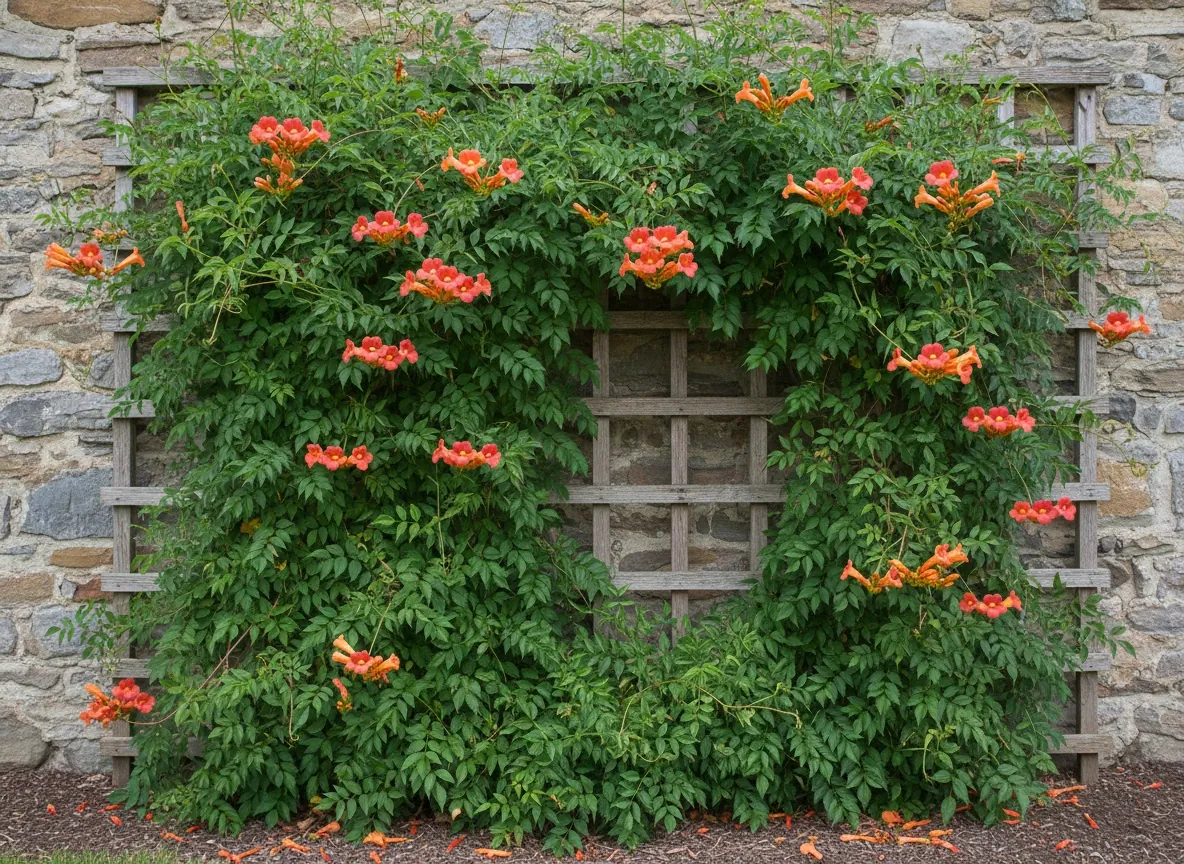
Actinidia has a shallow root system just below the soil surface and loses the competition for water in exactly that layer.
The evidence level indicates whether the relationship is backed by research, observation, or gardening tradition.
Toxicity
| For whom | Level | Notes |
|---|---|---|
| Humans | None | The fruits are fully edible raw, together with the skin. People allergic to kiwi may also react allergically to mini kiwi. |
| Dogs | None | — |
| Cats | None | The plant is not poisonous, but the actinidine it contains stimulates cats like catnip — they will gnaw and roll on the young shoots, destroying the plant. |
History and origin
The species comes from the cool forests of East Asia, reaching as far as the Russian Far East, where winters can be harsher than in Poland — hence its frost-hardiness. It entered fruit growing much later than its warmer-climate relative the Chinese kiwi (Actinidia deliciosa), and it developed as a commercial crop only towards the end of the 20th century, when a market appeared for fruits eaten whole, without peeling.
Uses
For growing on pergolas, arbours, strong trellises and along fences — it combines the function of a screening climber with a real crop of fruit. The fruits are suitable for eating raw, for preserves and for freezing. In small gardens it is worth reaching for a self-fertile variety, which does not require planting a second plant.
Trivia
- Actinidia contains actinidine — a compound that affects cats similarly to catnip: they will gnaw, scratch and roll on the shoots, so young plants are worth protecting with netting.
- Despite its kinship with the ordinary kiwi, the mini kiwi is far more frost-resistant: it withstands about −30°C, whereas the Chinese kiwi is killed by frost already at −10°C.
- The fruits do not need peeling — they have a thin, smooth skin which is simply eaten, like grapes.
Frequently asked questions
Why does my actinidia flower but bear no fruit?
Most often because the hardy kiwi is a dioecious plant: female and male flowers grow on separate specimens. A female plant on its own will flower, but without pollen from a male plant it will not set fruit. You need to add a male specimen (one pollinates 6–8 females) or choose a self-fertile variety from the start, e.g. 'Issai'.
Does mini kiwi need to be peeled?
No. That is the main advantage of these fruits — they have a thin, smooth skin without hairs, so they are eaten whole, like grapes. The skin is edible and contains plenty of nutrients.
Will actinidia survive a Polish winter?
Yes — the species comes from the cool regions of Asia and withstands frosts of the order of −30°C, so it does well throughout Poland. The real threat is not winter frost but late spring frosts, which damage the young shoots once they have emerged, so it is worth planting it in a sheltered spot.
Sources
- Plants of the World Online (POWO)Database (GBIF, POWO…)
- RHS — Actinidia argutaInstitution / botanical garden
My note
A private note for this plant — saved in your browser.