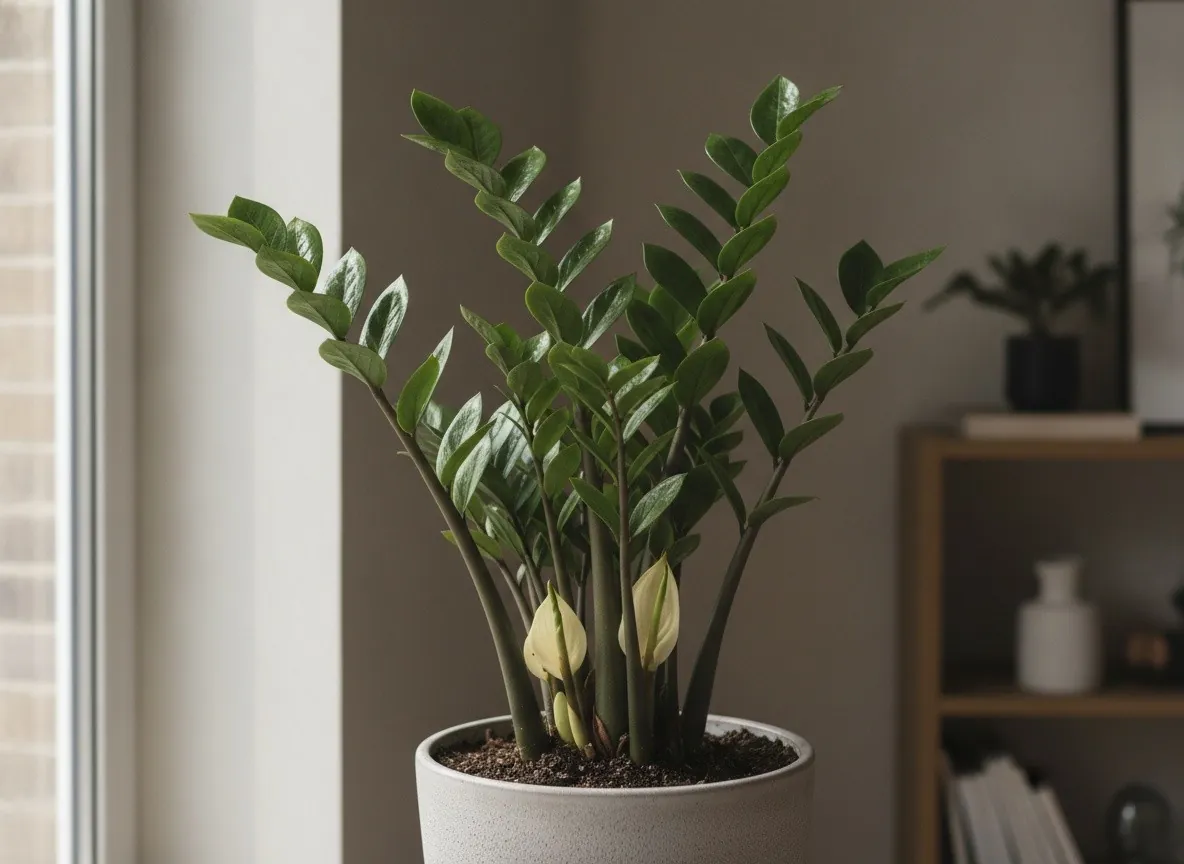
In short
- One of the toughest houseplants around — it shrugs off neglect.
- Stores water in underground tubers — water sparingly.
- Tolerates shade and dim office lighting.
- Slow-growing but long-lived.
- The sap irritates skin; the plant is toxic to pets.
Botanical data
- Family
- Araceae (Araceae)
- Height
- 0.4–1 m
- Width
- 0.4–0.8 m
- Habit
- Upright
- Growth rate
- Slow
- Position
- Partial shade, Shade
- Soil
- Sandy, Humus-rich
- pH reaction
- pH 6–7
- Moisture
- Dry
- Bloom
- —
- Hardiness
- USDA 10a–11b
- Propagation
- By division, From cuttings
Characteristics
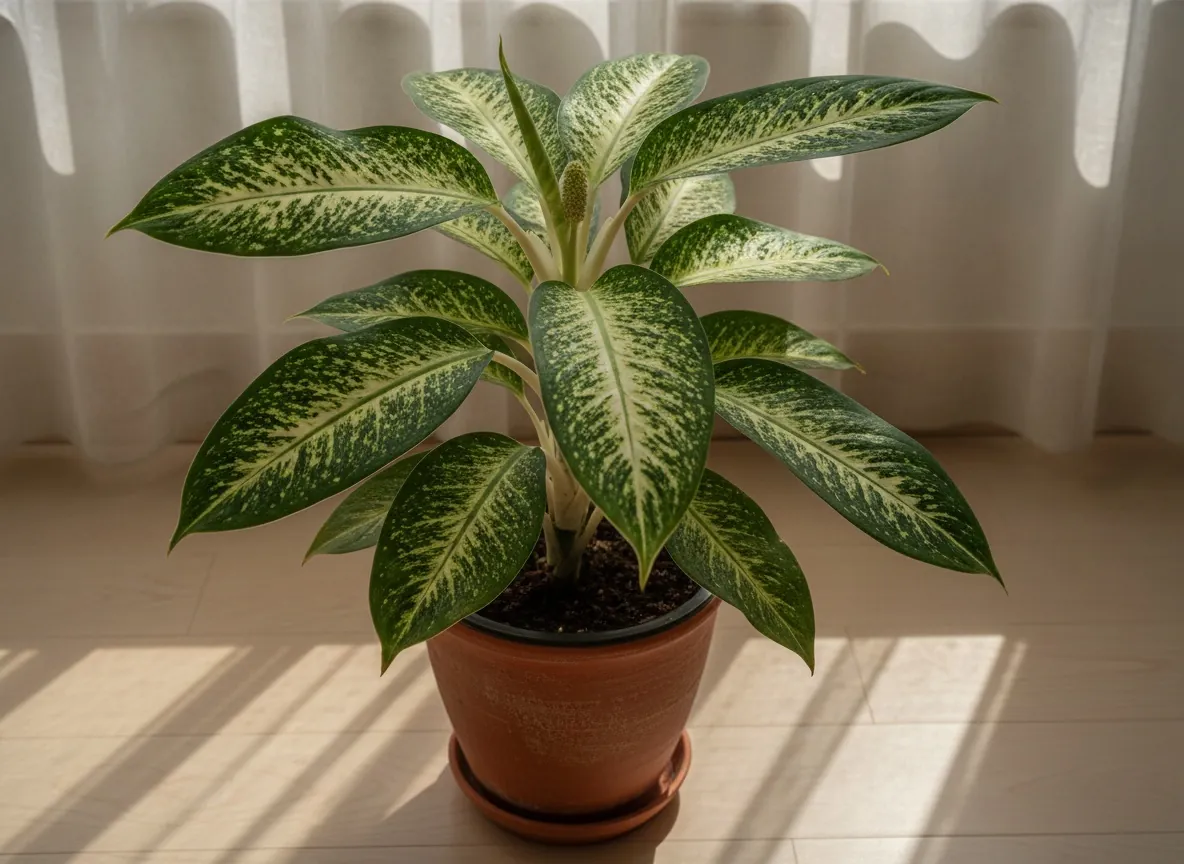
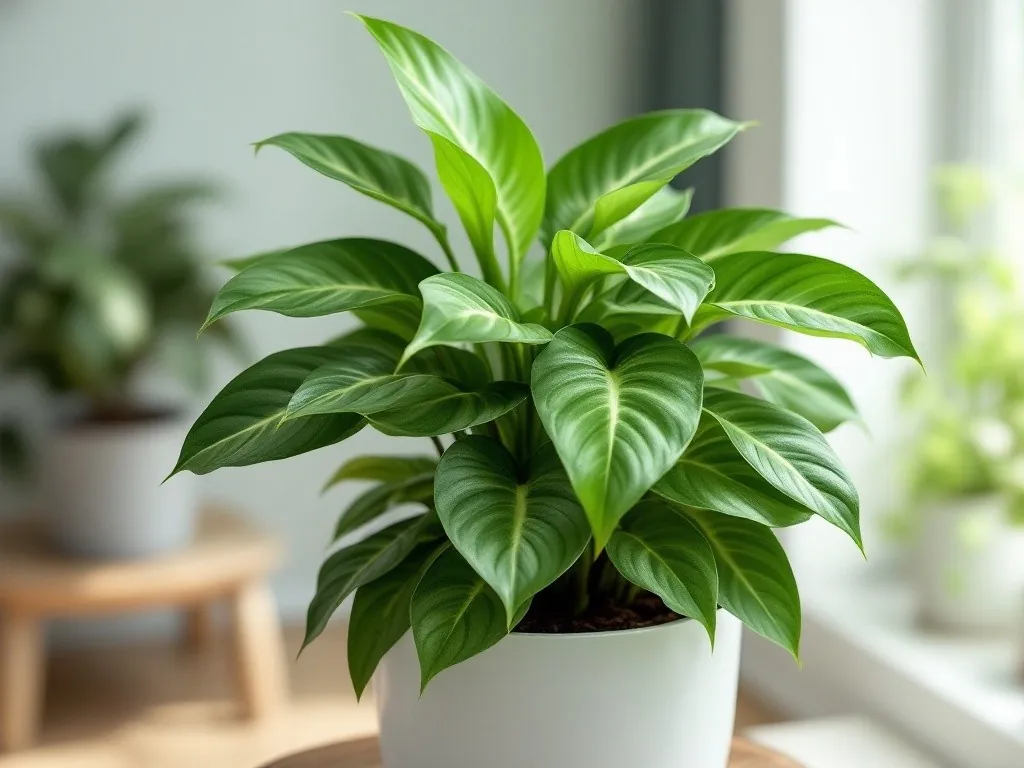
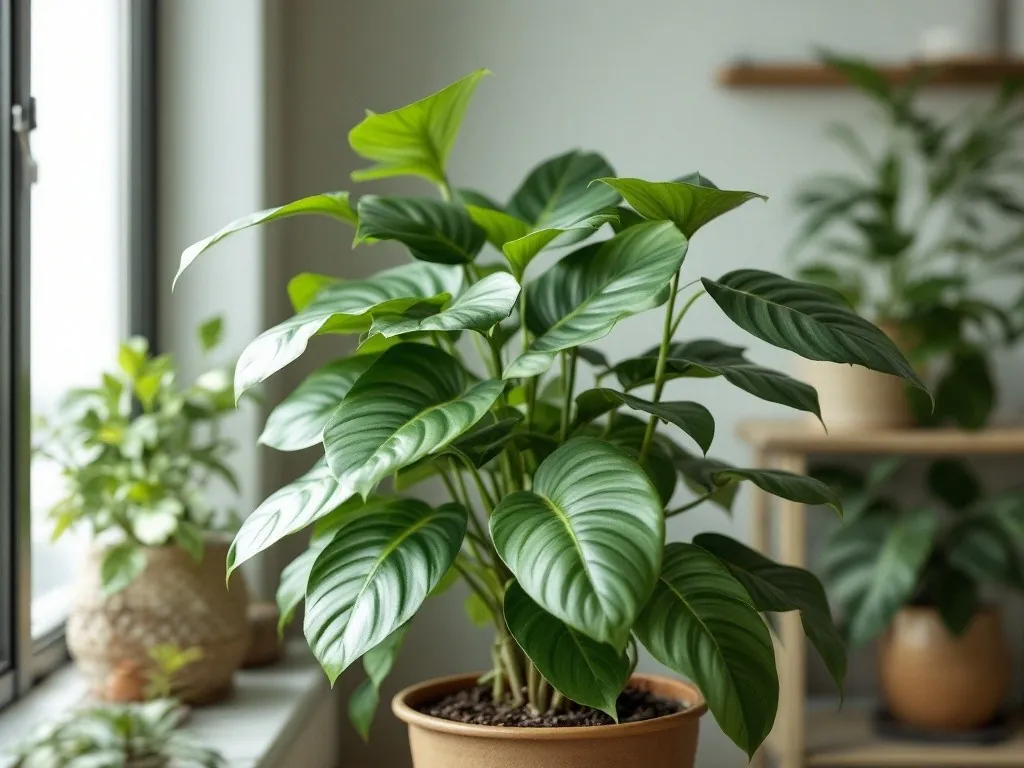
A plant with upright, pinnate leaves bearing thick, glossy, dark-green leaflets. Below ground it forms fleshy tubers (rhizomes) that store water and nutrients.
Growing and care
Watering
It stores water in underground tubers (rhizomes), which lets it withstand weeks of neglect. Overwatering leads to tuber rot.
Fertilizing
Low-maintenance — occasional feeding during the growing season is enough.
Planting
Free-draining substrate with added sand or perlite; a pot with drainage.
Pruning
Remove entire yellowing shoots at the base.
Companion plants
Good companions
Identical requirements — infrequent watering and shade tolerance; a perfect pairing for people short on time.
Bad companions
The ZZ plant rots under the frequent watering that moisture-loving plants require.
The evidence level indicates whether the relationship is backed by research, observation, or gardening tradition.
Diseases and pests
Toxicity
| For whom | Level | Notes |
|---|---|---|
| Humans | Mild | Contains calcium oxalates — the sap irritates skin and mucous membranes. |
| Dogs | Moderate | — |
| Cats | Moderate | — |
History and origin
Although known to botanists since the 19th century, the ZZ plant only entered mass houseplant cultivation in the 1990s thanks to Dutch nurseries, quickly gaining popularity as an “unkillable” plant.
Uses
Ideal for dimly lit interiors, offices and rooms where other plants would not survive. Perfect for beginners and people who travel often.
Trivia
- In China the ZZ plant is sometimes called the “money tree” and given as a symbol of good fortune.
- The plant uses CAM metabolism, which lets it manage water very efficiently.
Frequently asked questions
Why are my ZZ plant's stems turning yellow?
Most often it is the result of overwatering and rotting tubers. Cut back on watering, check that the pot has drainage, and if needed repot the plant, removing any rotten parts of the tubers.
How often should I water a ZZ plant?
Rarely — about every 2 weeks in summer and once every 3–4 weeks in winter, always after the soil has dried out. The plant copes better with drought than with excess water.
Will a ZZ plant grow in a dark room?
Yes, it tolerates shade and dim office light, though in a brighter spot (without direct sun) it grows faster.
Sources
- Plants of the World Online (POWO)Database (GBIF, POWO…)
- RHS — Zamioculcas zamiifoliaInstitution / botanical garden
My note
A private note for this plant — saved in your browser.