In short
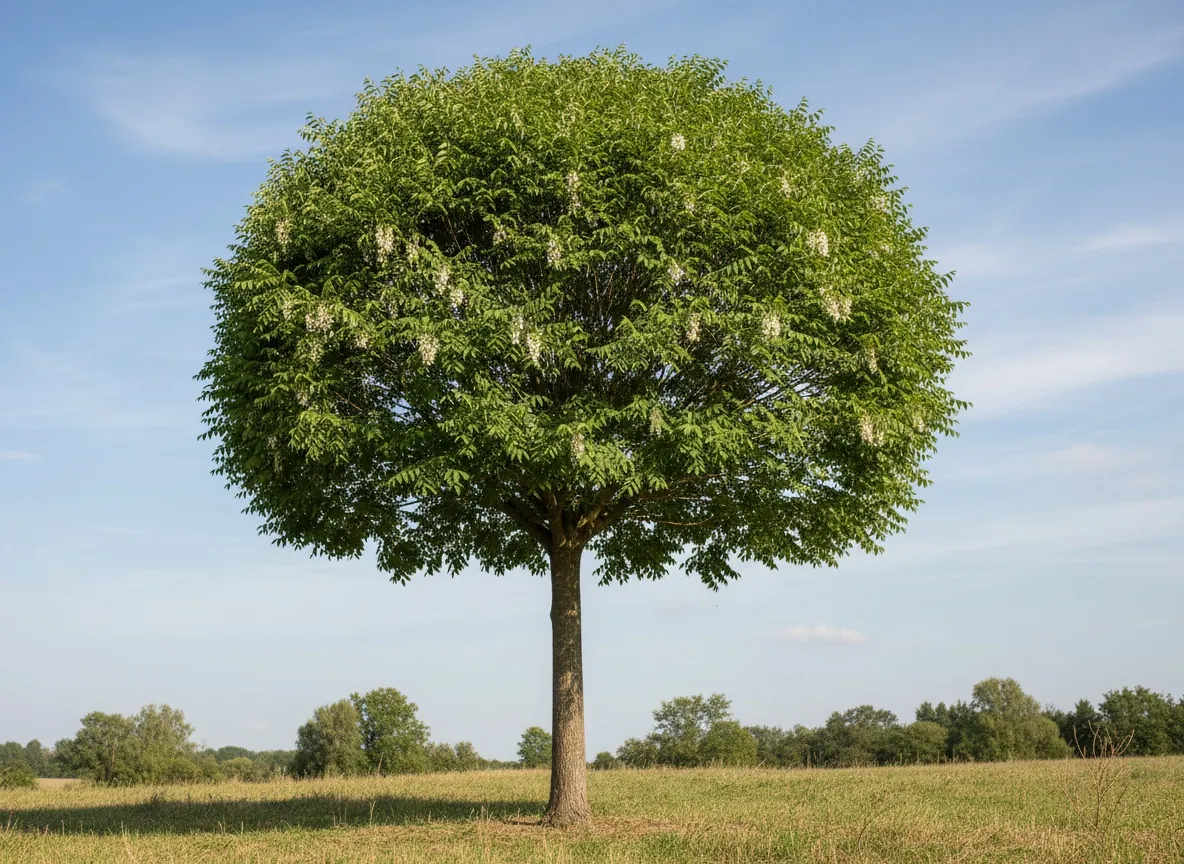
- Stem-grafted globe form — a compact crown with no need for annual shaping.
- Practically never flowers, so it sets no pods and does not soil paving.
- Exceptionally resistant to drought, salinity and urban pollution.
- As a legume it fixes nitrogen from the air — it needs no nitrogen fertilising.
- The whole plant (except the flowers) is toxic; the wild species can be invasive.
Botanical data
- Family
- Fabaceae (Fabaceae)
- Height
- 4–6 m
- Width
- 3–5 m
- Habit
- Rounded
- Growth rate
- Slow
- Position
- Full sun, Partial shade
- Soil
- Sandy, Loamy, Humus-rich
- pH reaction
- pH 5.5–7.8
- Moisture
- Dry, Moderate
- Bloom
- —
- Hardiness
- USDA 4a–8b
- Propagation
- From cuttings, By runners
Characteristics
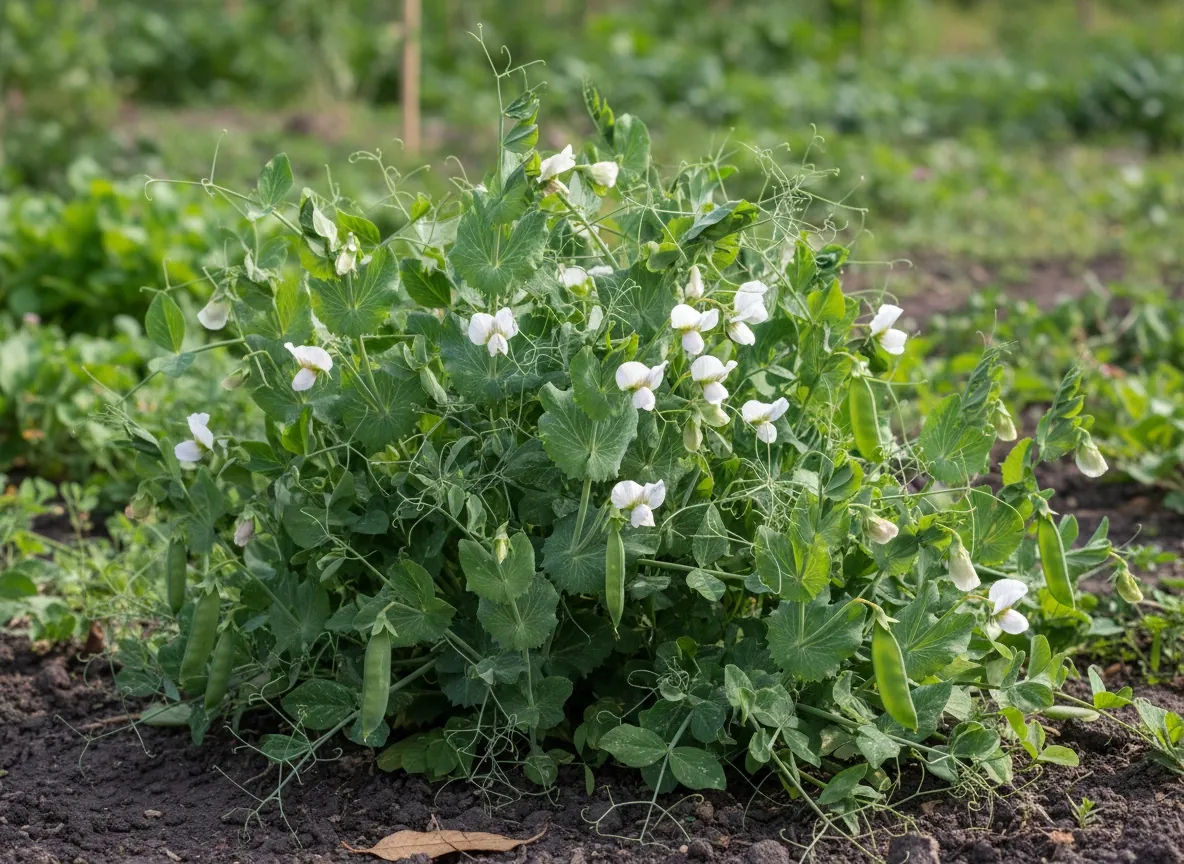
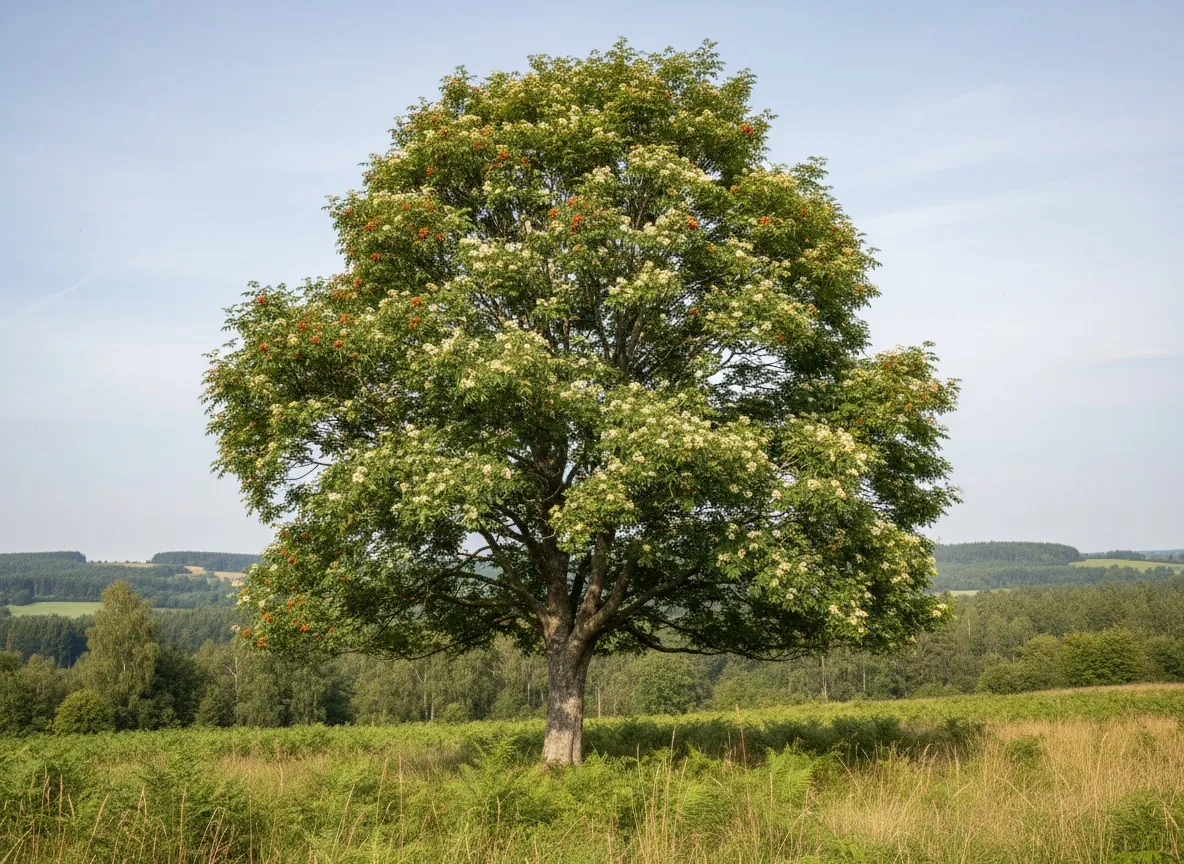
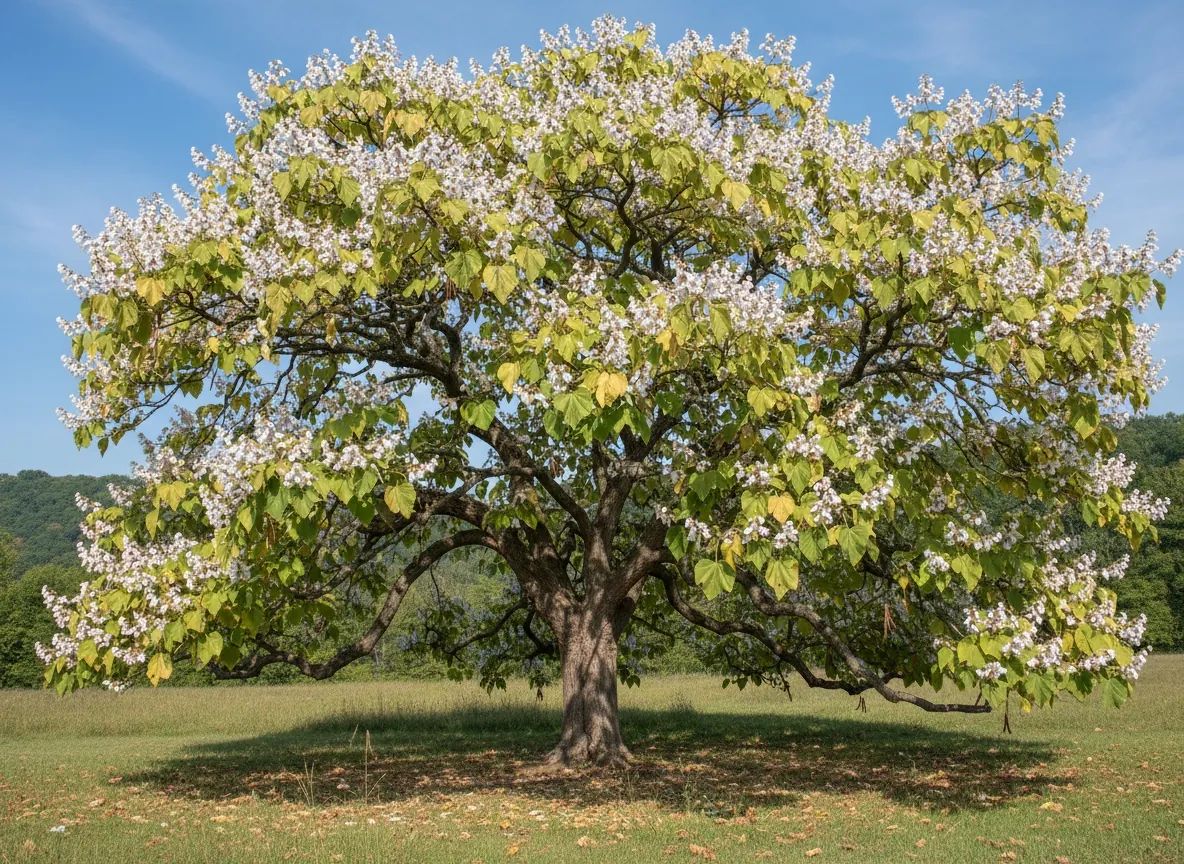
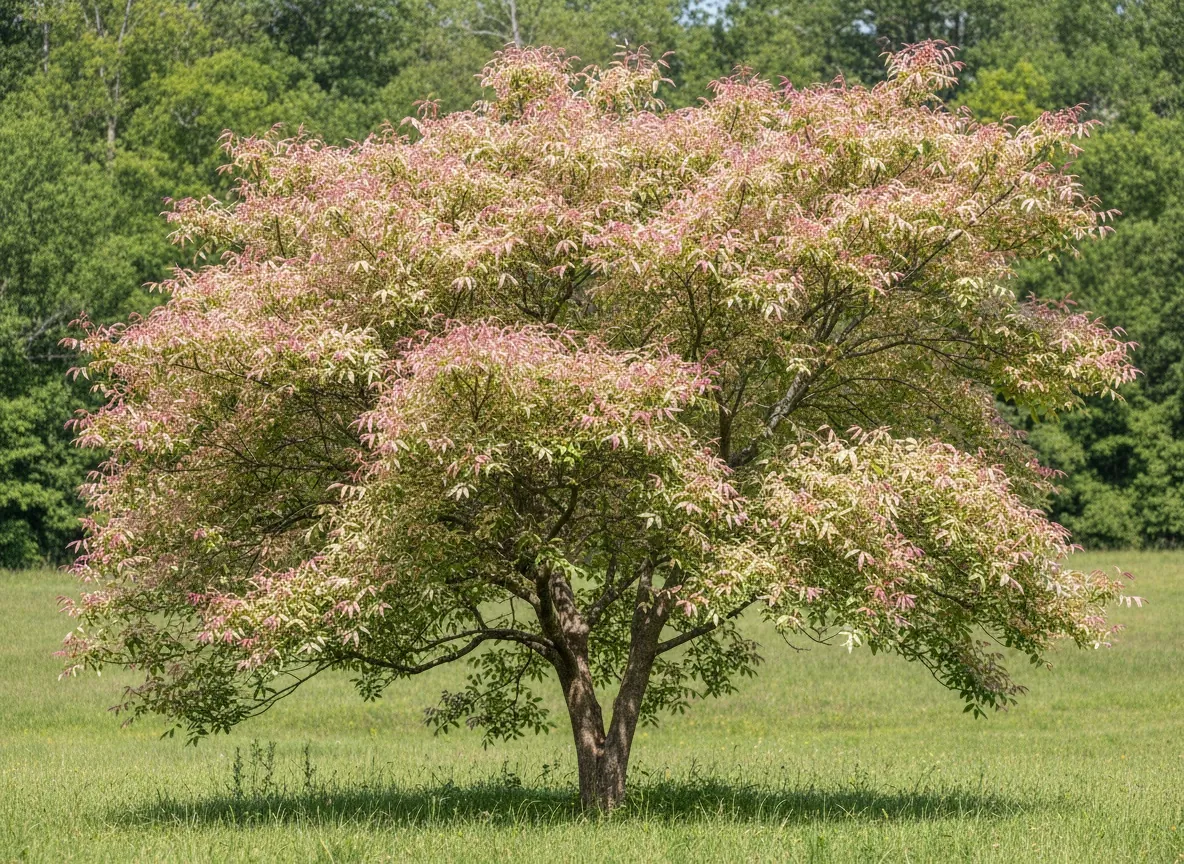
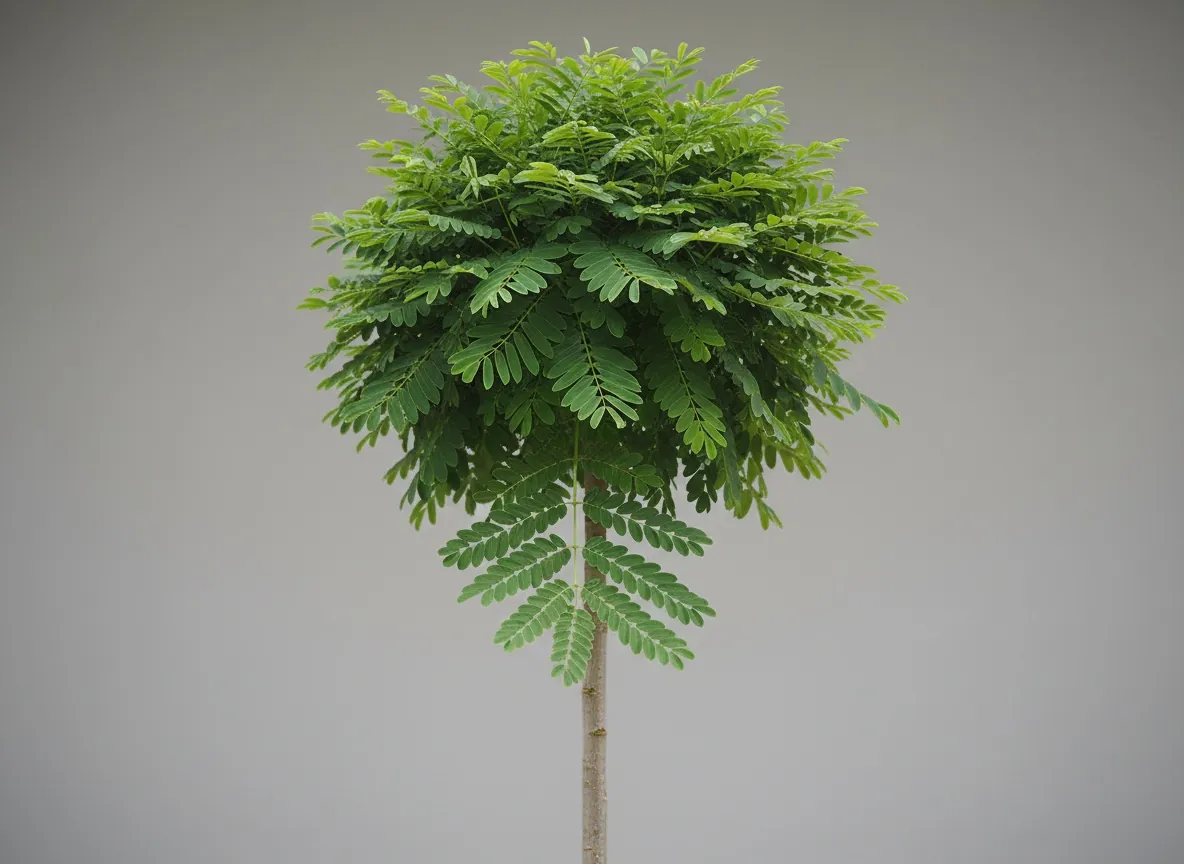
A small tree with a dense, globe- or umbrella-shaped crown set on a straight trunk, obtained by grafting the cultivar onto a rootstock of the wild species. The leaves are pinnately compound, with ovate leaflets, light green, yellowing in autumn. Unlike the wild black locust, the cultivar 'Umbraculifera' sets flower buds rarely and sparingly, so it almost never produces the white, pea-like flowers characteristic of the species.
Growing and care
Watering
Exceptionally drought- and poor-soil-tolerant once established. Only young, freshly planted specimens need regular watering. It tolerates standing water poorly.
Fertilizing
Sparingly — as a legume it fixes nitrogen from the air thanks to root-nodule bacteria, so nitrogen fertilising is unnecessary and encourages excessive growth at the expense of a compact habit.
Planting
Tolerates dry, poor and saline soils — it does well in urban conditions. A site sheltered from strong winds, as the wood can be brittle.
Pruning
The globe form keeps its compact crown almost by itself; it is enough to remove diseased, crossing shoots and those protruding beyond the outline of the globe. Cut out unconditionally all suckers appearing on the trunk below the graft union and all root suckers — they come from the wild rootstock and spoil the habit.
Companion plants
Good companions
The early-spring bulbs flower before the locust unfurls its leaves, making use of the full light under the still-leafless crown.
The light, dappled shade cast by the pinnate leaves is well tolerated by shade-loving ground-cover plants set beneath the crown.
Bad companions
The locust enriches the soil with nitrogen and casts shade, while lavender needs sun and a poor, well-drained substrate — in such company it loses its compact habit and scent.
The evidence level indicates whether the relationship is backed by research, observation, or gardening tradition.
Toxicity
| For whom | Level | Notes |
|---|---|---|
| Humans | Moderate | The bark, seeds and leaves contain toxic proteins (robin) and the glycoside robinin. Ingestion, especially of bark and seeds, causes nausea, vomiting and weakness. |
| Horses | High | Horses are particularly sensitive — chewing the bark or shoots can cause severe, sometimes life-threatening poisoning. |
| Dogs | Moderate | — |
History and origin
The genus Robinia commemorates Jean Robin, gardener to the French kings, who brought the black locust from North America to Europe in the early 17th century. The species spread quickly as a honey-producing and soil-stabilising tree, but over time it has naturalised at many sites and is today sometimes combated as invasive. The globe-shaped, non-fruiting form 'Umbraculifera' was selected precisely with orderly urban plantings in mind.
Uses
A classic tree for planting along streets, car parks, avenues and small gardens, where its compact, regular habit and resistance to difficult urban conditions are valued. It tolerates pollution and drought well, giving compact shade without the spreading typical of the wild black locust.
Trivia
- Despite the common name “acacia”, the black locust is not related to the true acacias (Acacia) — it belongs to the locust trees of the legume family.
- The wood of the wild species is exceptionally hard and rot-resistant, traditionally used for posts and stakes.
- The parent species is one of the most valuable honey trees (the famous “acacia honey”), but the globe-shaped ornamental form practically never flowers and so is of no significance to bees.
Frequently asked questions
Why doesn't my globe locust flower?
This is normal — the cultivar 'Umbraculifera' was selected as an almost flowerless form. It sets flower buds very rarely and sparingly, so it produces no pods and does not soil the paving under the crown. The lack of flowering is not a sign of disease.
Is the black locust toxic?
Yes. The bark, seeds and leaves contain the toxic protein robin and the glycoside robinin. Ingestion, especially of bark and seeds, is harmful to people and animals; horses are particularly sensitive. The flowers of the wild species are edible, but this cultivar barely flowers anyway.
Where do the wild suckers at the trunk come from and how do you remove them?
The globe cultivar is grafted onto a rootstock of the wild black locust, which tends to throw up root suckers and shoots below the graft union. Such suckers should be cut off systematically right at the base — if left, they take over the plant and turn the compact globe into the thorny thicket of the invasive species.
Sources
- Plants of the World Online (POWO)Database (GBIF, POWO…)
- RHS — Robinia pseudoacacia 'Umbraculifera'Institution / botanical garden
My note
A private note for this plant — saved in your browser.