In short
- A low, dome-shaped shrub (0.5-1.2 m) — great for low hedges and borders.
- Flowers abundantly from June to August; deadheading spent blooms often triggers a second flush.
- Very frost-hardy and undemanding — one of the easier garden shrubs to grow.
- Popular varieties: 'Little Princess' (compact, pink) and 'Goldflame' (golden foliage, orange in spring).
- Grows well in sun and light partial shade, tolerant of soil type.
Botanical data
- Family
- Rosaceae (Rosaceae)
- Height
- 0.5–1.2 m
- Width
- 0.6–1.2 m
- Habit
- Rounded
- Growth rate
- Fast
- Position
- Full sun, Partial shade
- Soil
- Loamy, Sandy, Humus-rich
- pH reaction
- pH 5.5–7.5
- Moisture
- Moderate
- Bloom
- June–August
- Hardiness
- USDA 4a–8b
- Propagation
- From cuttings, By layering
Characteristics
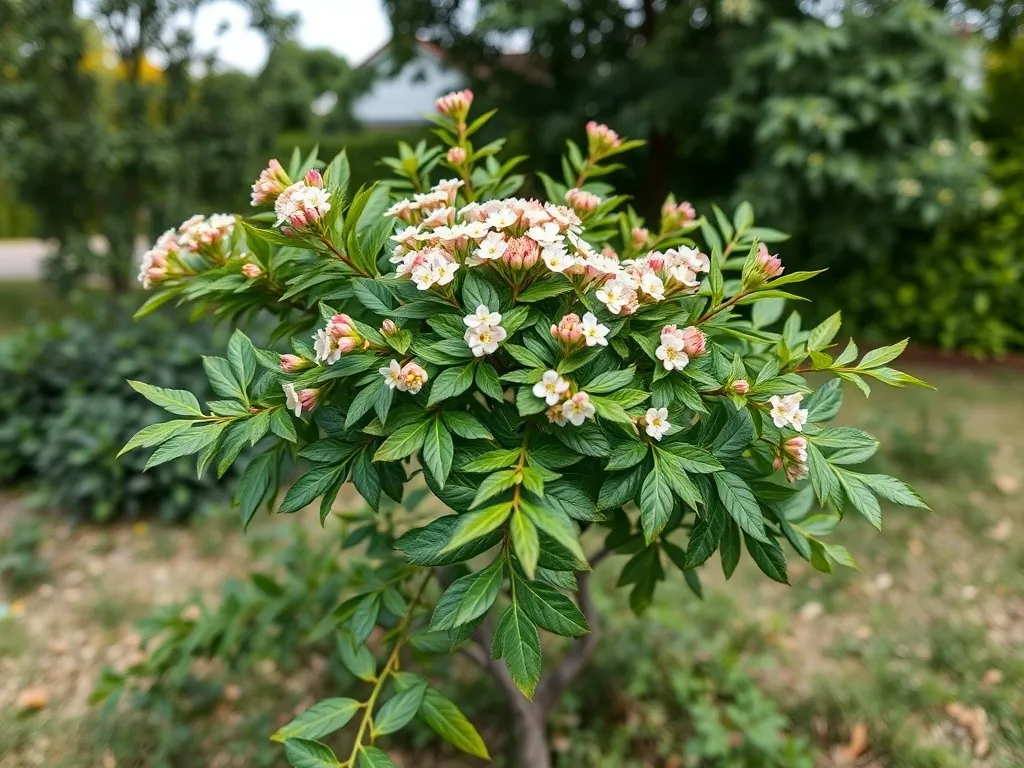
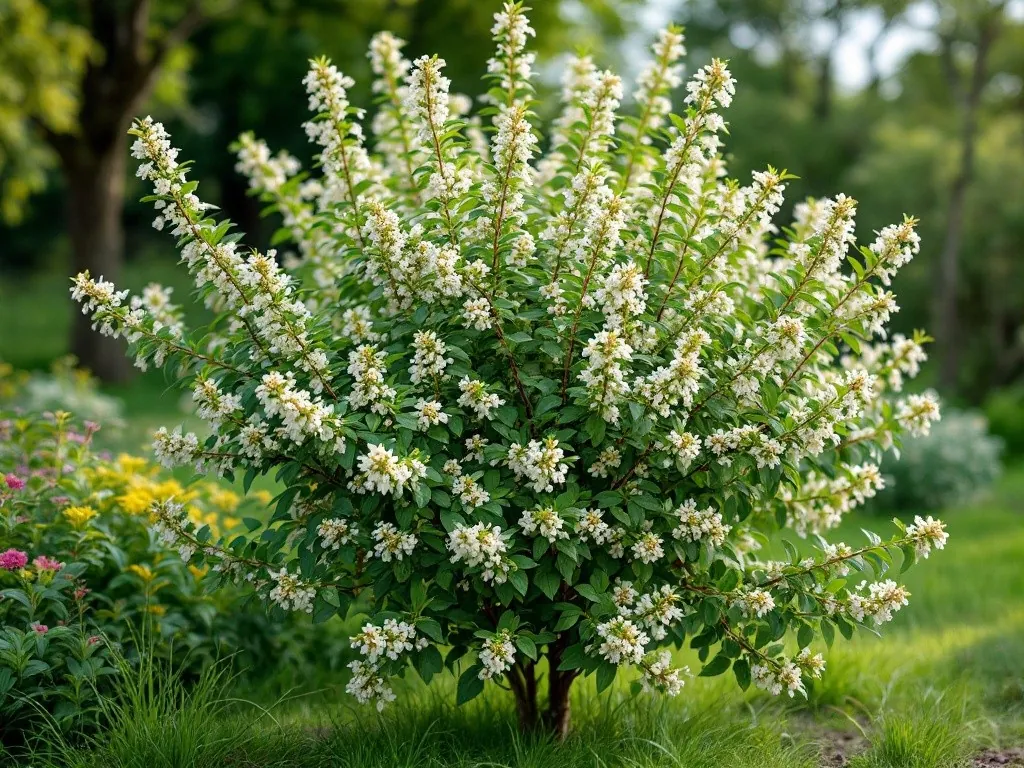
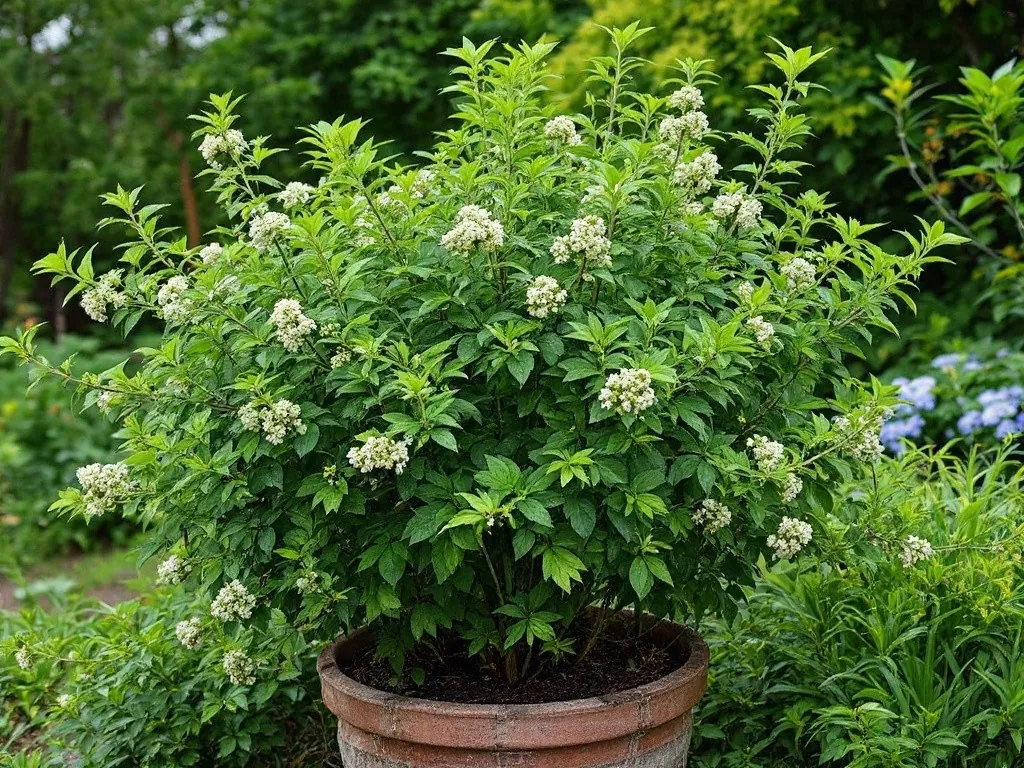
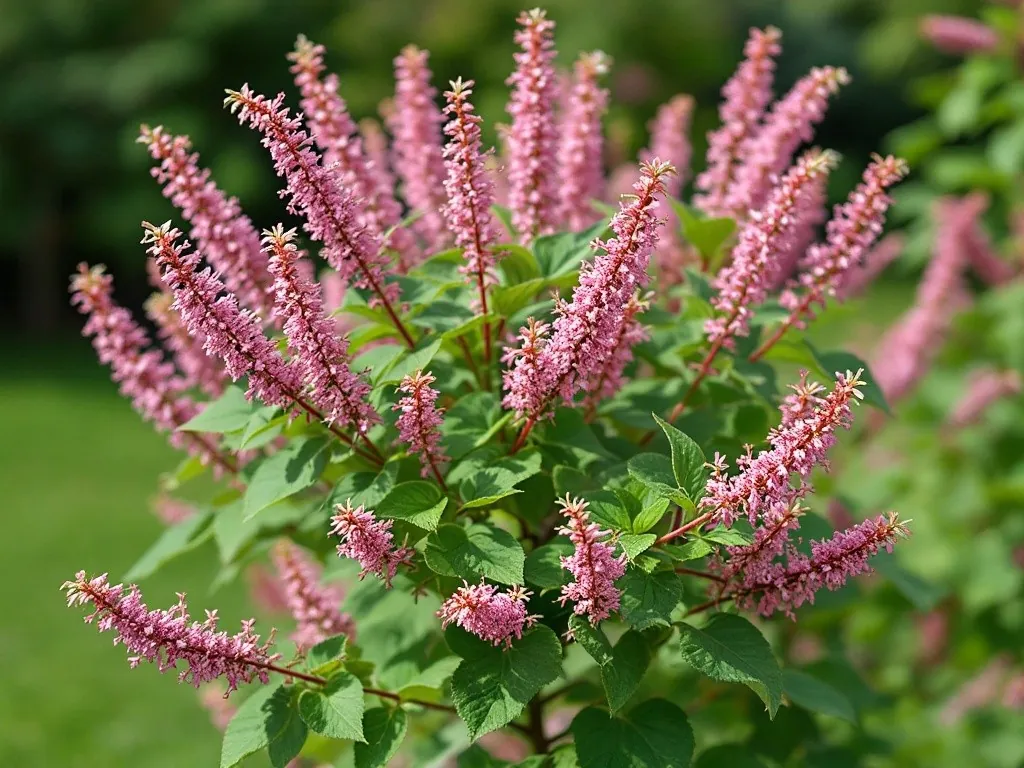
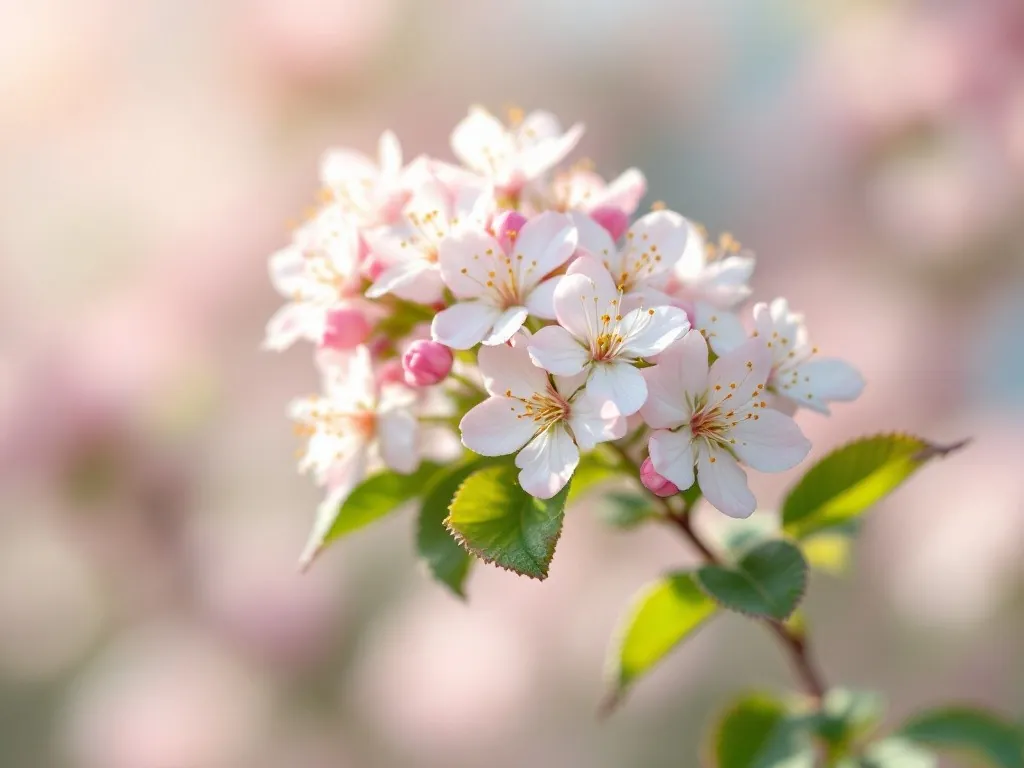
A low, dense shrub with small, serrated leaves, intensely yellow in golden-leaved varieties with orange-red young shoots. Small flowers are gathered into flat, umbrella-like clusters at the tips of the shoots.
Growing and care
Watering
Undemanding — water regularly in the first year after planting; afterward, watering during prolonged drought is enough.
Fertilizing
A single spring feeding with compost or a slow-release fertilizer is enough.
Planting
Tolerates most garden soils; grows best in averagely fertile, moderately moist soil.
Pruning
Shorten shoots by about 1/3 and remove spent flower clusters — this encourages a second, autumn flush. Every few years, rejuvenate the shrub by removing the oldest shoots at the base.
Companion plants
Good companions
Similar light and soil requirements, and the contrasting leaf shape enlivens a low border.
Golden-leaved spirea varieties (e.g. 'Goldflame') contrast beautifully with the purple foliage of barberry in hedge compositions.
Bad companions
Japanese spirea needs at least a few hours of sun a day to flower abundantly — in deep shade it becomes leggy and flowers poorly.
The evidence level indicates whether the relationship is backed by research, observation, or gardening tradition.
Diseases and pests
Toxicity
| For whom | Level | Notes |
|---|---|---|
| Humans | None | — |
| Dogs | None | — |
| Cats | None | — |
History and origin
Introduced to Europe and North America in the 19th century from Japan, China and Korea. Thanks to its ease of cultivation and long flowering period, it quickly became one of the most popular shrubs for low hedges and border edging, and breeders have selected dozens of varieties differing in leaf color and height.
Uses
For low, formal and informal hedges, border edging, group plantings, and as a groundcover for banks. Golden-leaved varieties combine well with plants that have dark, purple foliage.
Trivia
- The 'Goldflame' variety changes leaf color over the course of the season — from orange-red in spring, through golden yellow in summer, to copper in autumn.
- In some regions of North America, Japanese spirea self-seeds vigorously enough to be considered potentially invasive there — it does not pose such a problem under Central European conditions.
- The compact 'Little Princess' variety rarely exceeds 60 cm in height, making it a popular choice for border edging and low hedges.
Frequently asked questions
When should you prune Japanese spirea?
Best in early spring, before the buds break — at that point you can shorten the shoots by about 1/3. It's also worth removing spent flower clusters in summer, which prompts the plant to flower again.
Is Japanese spirea invasive?
In some US states it is considered potentially invasive because it self-seeds easily. Under Central European conditions it is not classified as invasive and is commonly and safely grown in gardens.
Why do Japanese spirea leaves turn brown in summer?
This is usually caused by too dry a site or strong, direct sun combined with a lack of water in sandy soil. Regular watering during hot spells usually solves the problem.
Sources
- Plants of the World Online (POWO)Database (GBIF, POWO…)
- RHS — Spiraea japonicaInstitution / botanical garden
My note
A private note for this plant — saved in your browser.