In short
- Flowers abundantly from May to October.
- Requires full sun and regular deadheading of spent flowers.
- Tolerates brief drought better than overwatering.
- Can be overwintered in a cool, bright room.
- Aromatic leaves naturally deter some insects.
Botanical data
- Family
- Geraniaceae (Geraniaceae)
- Height
- 0.2–0.6 m
- Width
- 0.2–0.4 m
- Habit
- Upright
- Growth rate
- Fast
- Position
- Full sun, Partial shade
- Soil
- Humus-rich
- pH reaction
- pH 6–7
- Moisture
- Moderate
- Bloom
- May–October
- Hardiness
- USDA 10a–11b
- Propagation
- From cuttings
Characteristics
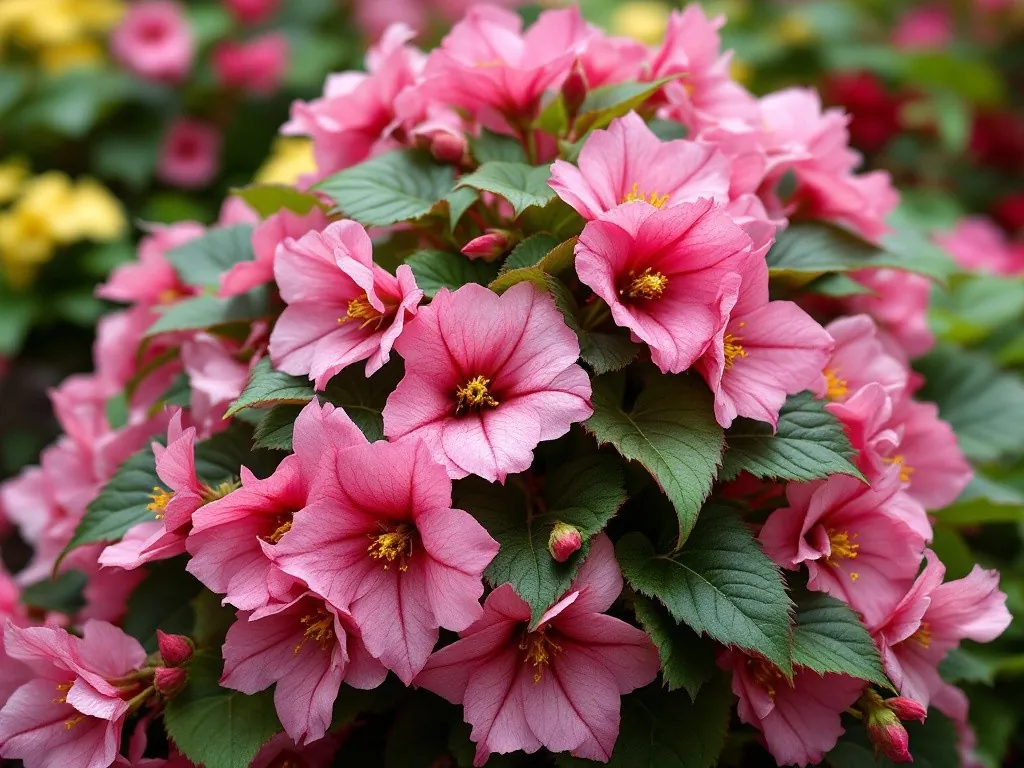
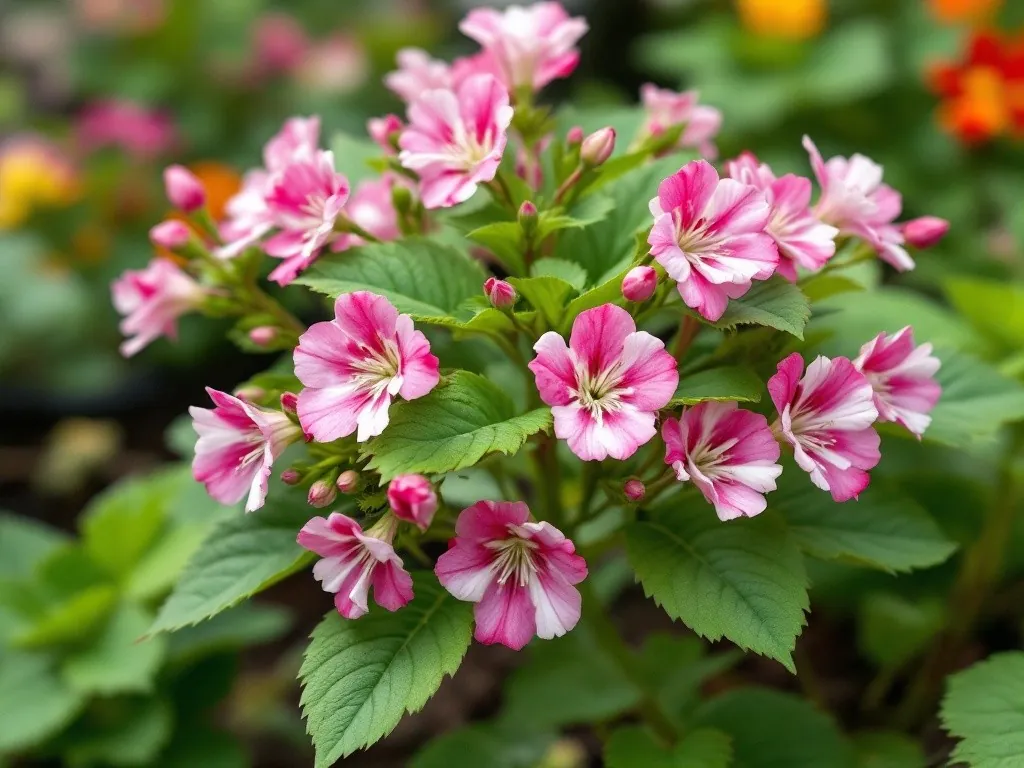
A plant with fleshy stems and rounded, often aromatic leaves marked with a darker zone. The flowers are gathered into globe-shaped umbels on long stalks in vivid colours.
Growing and care
Watering
Water at the base once the top layer of substrate has dried out. Tolerates brief drought but not overwatering. Removing spent flowers prolongs flowering.
Fertilizing
Abundant flowering requires regular feeding with a potassium-rich fertiliser.
Planting
Free-draining, fertile substrate in boxes and pots; a sunny position.
Pruning
Remove spent flower heads regularly; in autumn cut back the plants intended for overwintering.
Companion plants
Good companions
A classic companion in window boxes – similar light and water requirements and complementary growth habits.
Bad companions
The pelargonium needs full sun for abundant flowering – in the shade of shade-loving plants it flowers poorly.
The evidence level indicates whether the relationship is backed by research, observation, or gardening tradition.
Diseases and pests
A white, powdery coating on leaves, shoots and buds. The leaves turn yellow, become deformed and drop prematurely.
AphidsSmall (1–3 mm) soft-bodied insects, green, black or pink, feeding in clusters on young shoots and the underside of leaves. They excrete sticky honeydew.
Greenhouse whiteflyTiny (1–2 mm) white insects resembling minuscule moths that rise in a cloud when the plant is disturbed. They feed on the underside of leaves, sucking sap and excreting honeydew. This causes yellowing and weakening. Common on tomatoes, peppers, cucumbers and pelargoniums, especially in polytunnels and greenhouses.
Toxicity
| For whom | Level | Notes |
|---|---|---|
| Humans | Mild | — |
| Dogs | Mild | Contains geraniol and linalool, which irritate the digestive tract of animals. |
| Cats | Mild | — |
History and origin
Pelargoniums were brought to Europe from South Africa in the 17th and 18th centuries. Despite the common name 'geranium', they belong to a different genus than the true geraniums (cranesbills). They became a symbol of European balconies, especially in the Alps.
Uses
For window boxes, terrace pots, seasonal beds and container arrangements. Trailing (ivy-leaved) varieties suit hanging baskets and balustrades.
Trivia
- The common name 'geranium' is misleading – pelargoniums and cranesbills (Geranium) are separate genera within the same family.
- The oil of scented-leaved pelargonium is used in perfumery as a cheaper substitute for rose oil.
Frequently asked questions
How do you overwinter pelargoniums?
Before the first frosts, move the plants to a cool (5–10°C), bright room, cut them back by half and reduce watering to a minimum. In spring, gradually increase watering and harden the plants off before setting them outside.
Why is my pelargonium flowering poorly?
The most common causes are too little sun, failure to deadhead spent flowers and potassium deficiency. The pelargonium needs full sun and regular feeding with a flowering-plant fertiliser.
Why are my pelargonium's leaves turning yellow?
Usually this results from overwatering and poor drainage or, conversely, from drying out. The pelargonium prefers to dry out between waterings rather than stand in wet substrate.
Sources
- Plants of the World Online (POWO)Database (GBIF, POWO…)
- RHS — PelargoniumInstitution / botanical garden
My note
A private note for this plant — saved in your browser.