In short
- Site: sun to partial shade, fertile, neutral to slightly alkaline soil.
- Flowers later than other limes — in June and July, strongly attracting bees.
- Lime blossom is a popular herbal raw material for colds and for calming.
- Very long-lived — can live several hundred years.
- Tolerates urban conditions and formative pruning well.
Botanical data
- Family
- Malvaceae (Malvaceae)
- Height
- 15–30 m
- Width
- 8–15 m
- Habit
- Rounded
- Growth rate
- Moderate
- Position
- Full sun, Partial shade
- Soil
- Loamy, Humus-rich
- pH reaction
- pH 6–7.5
- Moisture
- Moderate, Moist
- Bloom
- June–July
- Hardiness
- USDA 3b–7b
- Propagation
- From seed, From cuttings, By layering
Characteristics
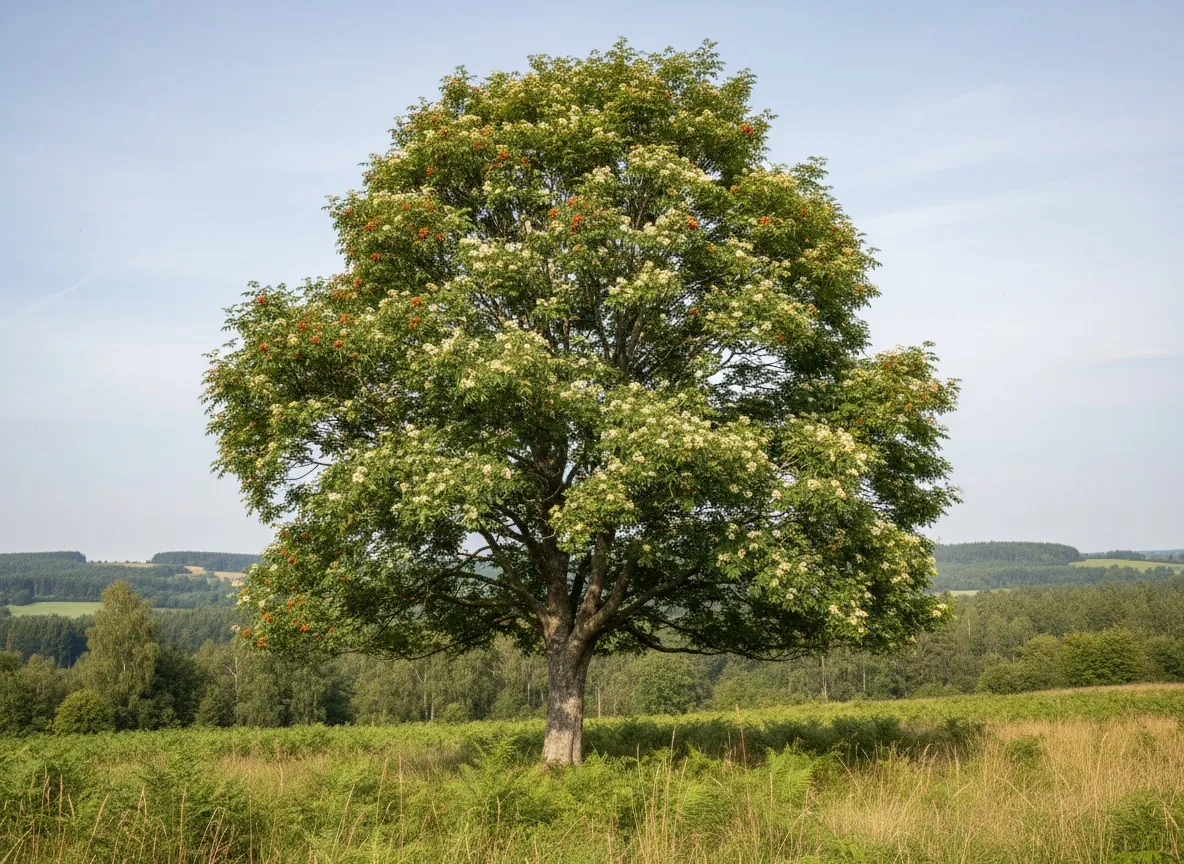
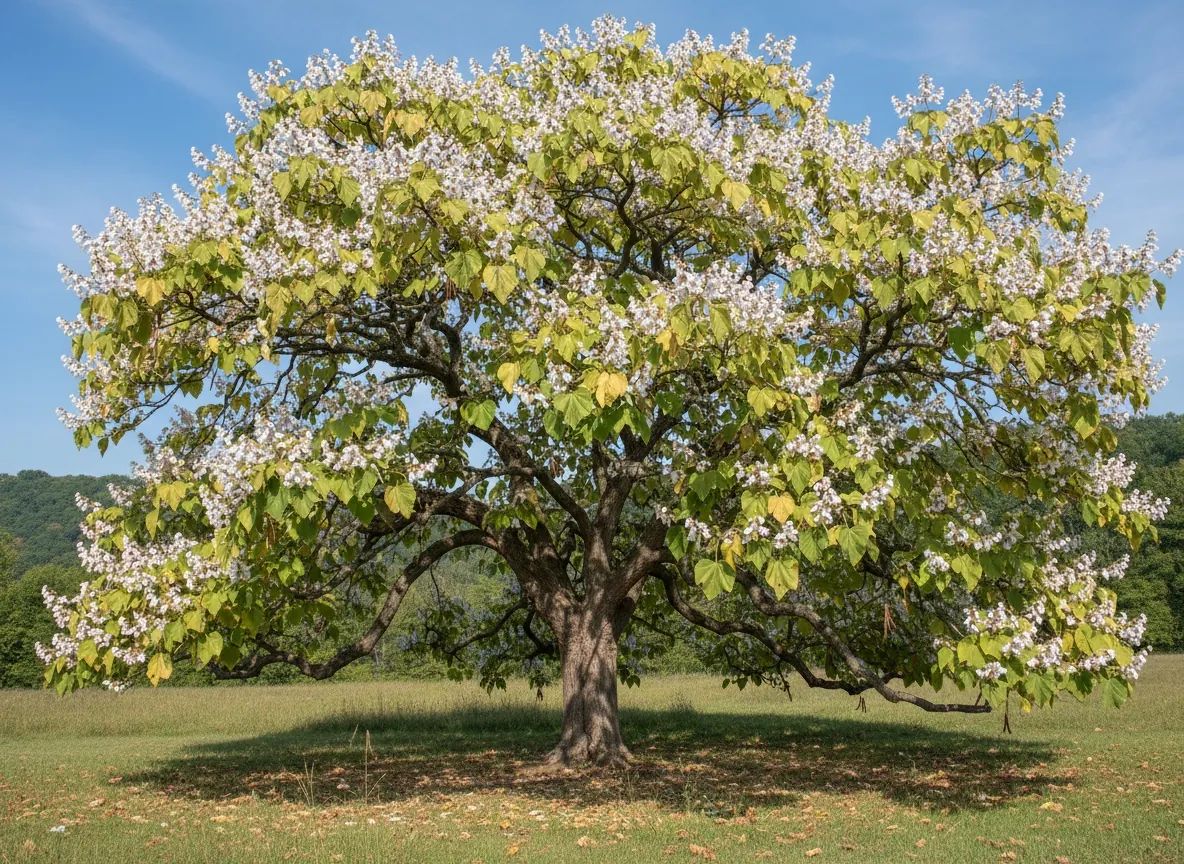
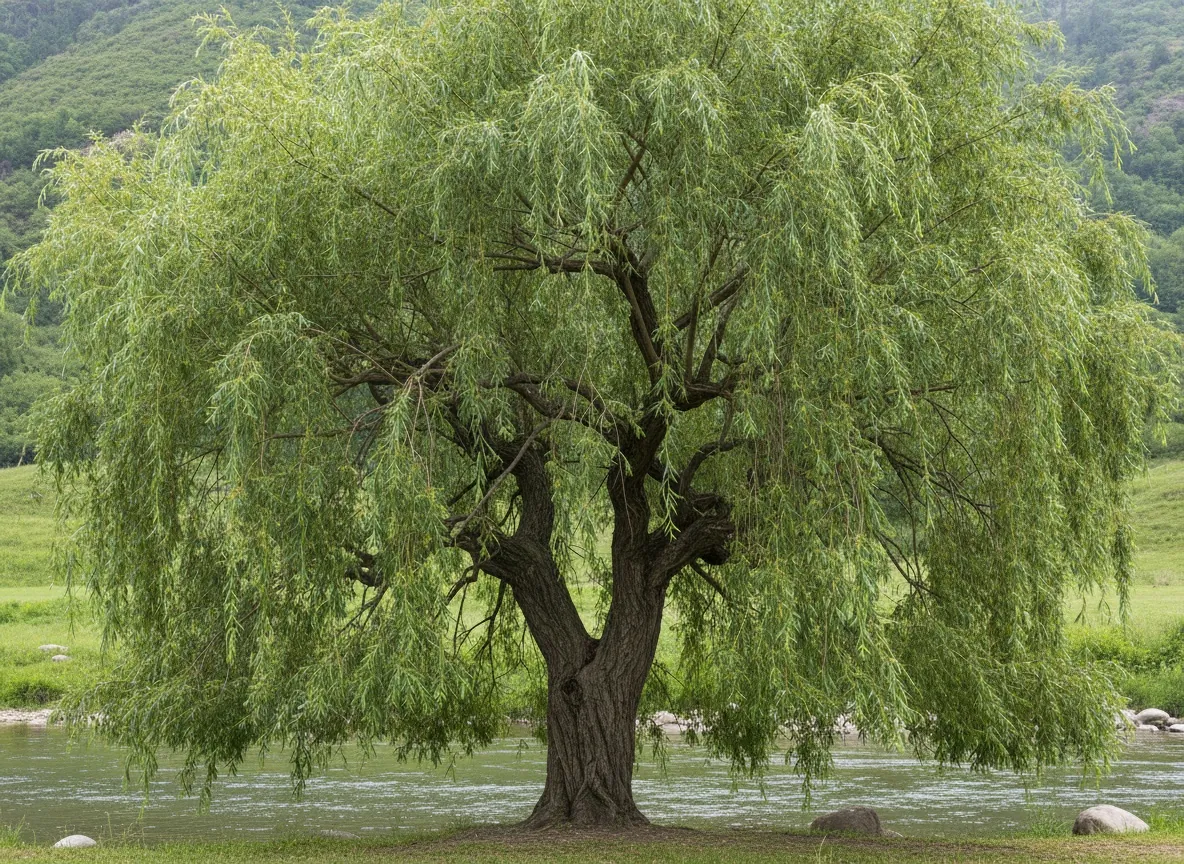
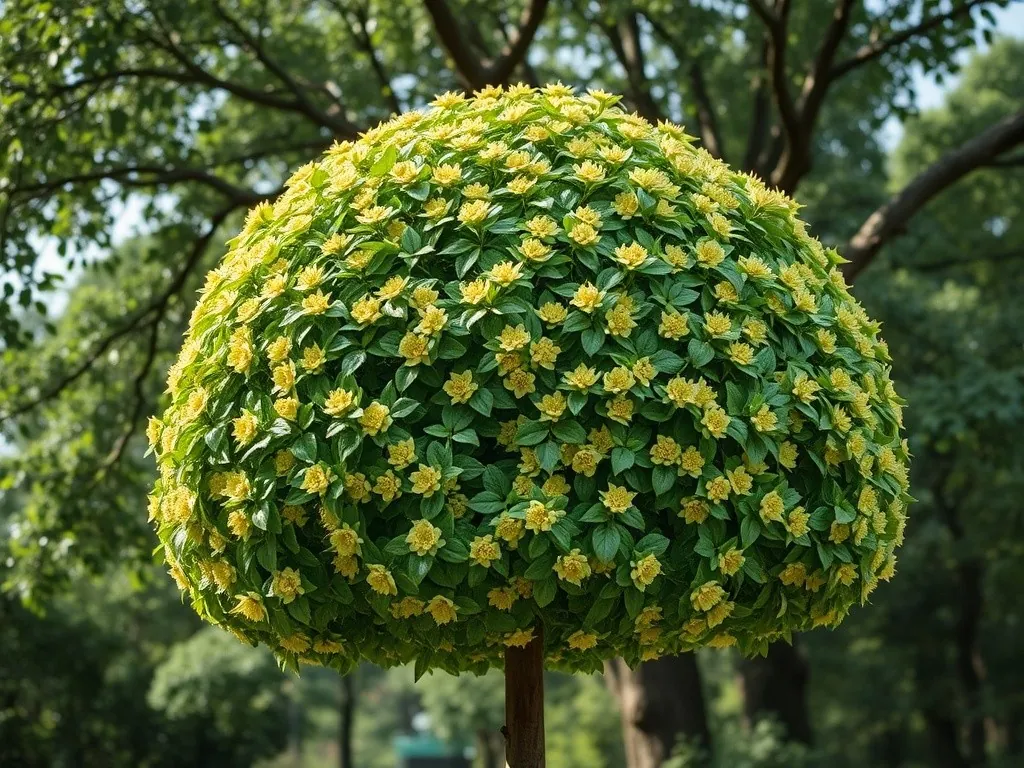
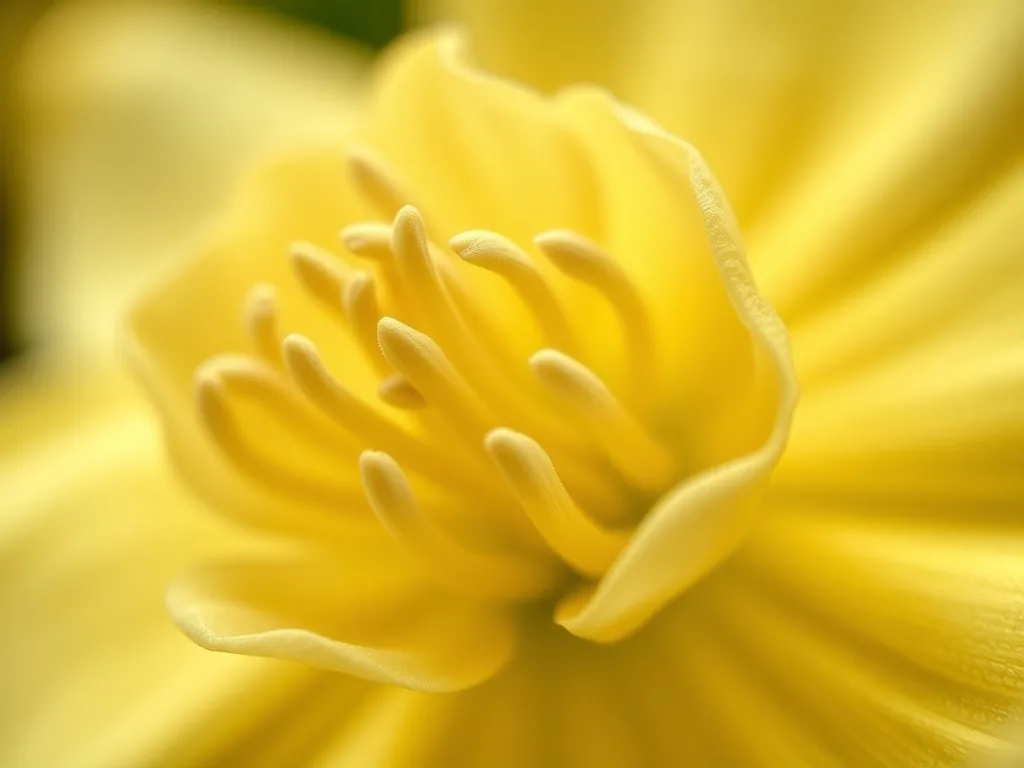
The crown is broad, rounded, with dense branching. The leaves are heart-shaped (Lat. cordata), asymmetric at the base, with a fine, sharp tip. The small, yellowish flowers are borne several together on a common stalk fused to an elongated, pale bract — which aids the dispersal of the fruits by the wind.
Growing and care
Watering
Water young trees regularly for the first 2–3 seasons. Mature limes tolerate short dry spells well, but prolonged lack of water in an urban setting less so.
Fertilizing
Moderately — mature trees in fertile soil usually need no fertilising.
Planting
Fertile, humus-rich soil with a neutral to slightly alkaline reaction; it tolerates compacted urban substrate well.
Pruning
Shaping the crown of young trees, removing deadwood and competing shoots; it also tolerates stronger formative cuts (e.g. for tree rows) well.
Companion plants
Good companions
The hosta tolerates the shade under the lime canopy well and has similar soil-moisture requirements.
A shade-tolerant ground cover that copes well in the drier shade beneath the lime's spreading crown.
Bad companions
Lavender needs full sun and dry soil — the shade and moister substrate under the lime harm it.
Aphids feeding on the lime leaves secrete copious honeydew that coats the plants growing below.
The evidence level indicates whether the relationship is backed by research, observation, or gardening tradition.
Toxicity
| For whom | Level | Notes |
|---|---|---|
| Humans | None | Lime blossom is a herbal raw material traditionally used in infusions for colds. |
| Dogs | None | — |
History and origin
The lime has had an almost sacred significance in Slavic culture since ancient times — it was planted in villages as a central tree, and gatherings and village courts were held 'under the lime'. The names of many towns and streets (e.g. Lipowa, Leipzig from the Slavic 'lipa') derive precisely from this tree. In folk medicine, lime blossom has long been used for colds and fever.
Uses
A park tree, for avenues and urban tree rows, and in larger gardens as a shade tree. Lime blossom is collected for drying for herbal teas; the wood is light and is used in sculpture and instrument making.
Trivia
- During abundant flowering, dazed bees and bumblebees can sometimes be found under limes — this phenomenon is sometimes linked to the high sugar concentration in the nectar in unfavourable weather.
- Lime honey has a characteristic, slightly menthol aftertaste and is among the most prized varieties of nectar honey in Poland.
- Small-leaved limes are among the longest-living deciduous trees in Europe — some monumental specimens are over 500 years old.
Frequently asked questions
Does lime blossom have medicinal properties?
Yes, an infusion of lime blossom is traditionally used for colds, fever and as a soothing, diaphoretic remedy. It is one of the most popular herbal raw materials in Poland.
When should lime blossom be collected for drying?
Best at full bloom, i.e. in June–July, on a dry, sunny day, picking the inflorescences together with the bract.
How fast does the small-leaved lime grow and how much space does it need?
It grows at a moderate rate but reaches large dimensions (up to 30 m in height and a crown over ten metres wide), so it is suited mainly to large gardens, avenues and parks.
Sources
- Plants of the World Online (POWO) — Tilia cordataDatabase (GBIF, POWO…)
- RHS — Tilia cordataInstitution / botanical garden
My note
A private note for this plant — saved in your browser.