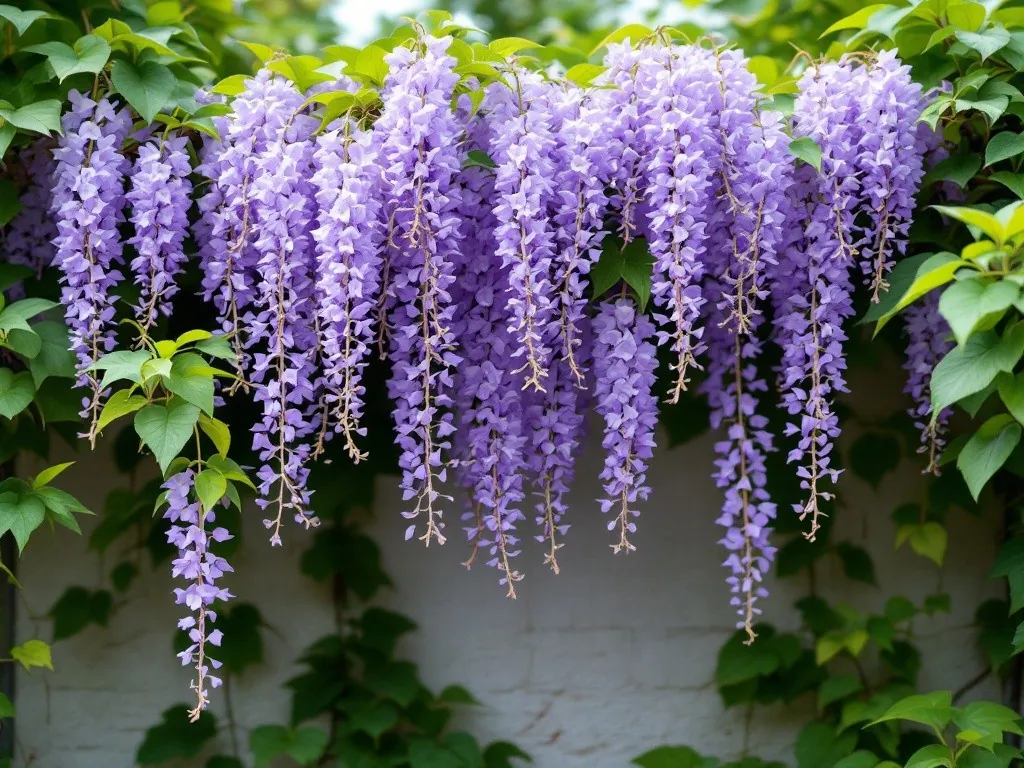
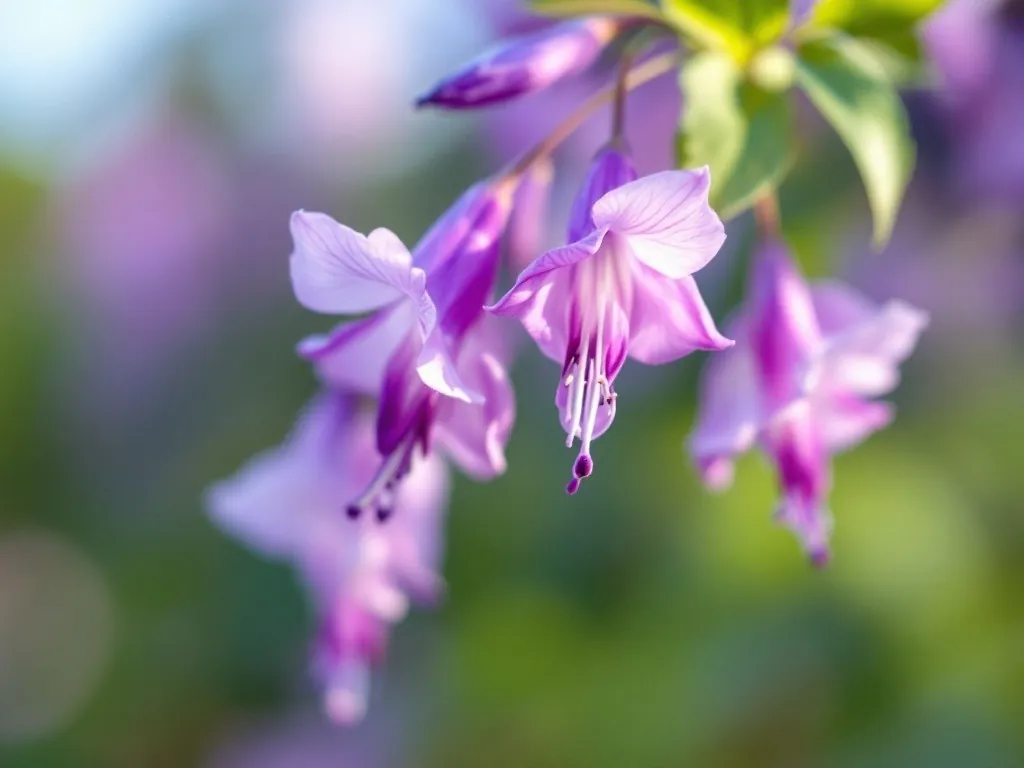
In short
- Twines around a support — unlike self-clinging ivy, it needs a solid structure such as a pergola or a sturdy trellis.
- Long, fragrant flower clusters appear in April-May, usually just before or alongside leaf-out.
- A mature plant becomes very heavy — the supporting structure must be adequately reinforced.
- Needs pruning twice a year (summer and winter) to control growth and encourage flowering.
- May not bloom until several years after planting — that's normal and requires patience.
- Seeds and pods are toxic if eaten by people and pets.
Botanical data
- Family
- Fabaceae (Fabaceae)
- Height
- 10–20 m
- Width
- 3–8 m
- Habit
- Cascading
- Growth rate
- Fast
- Position
- Full sun
- Soil
- Loamy, Humus-rich
- pH reaction
- pH 6–7.5
- Moisture
- Moderate
- Bloom
- April–May
- Hardiness
- USDA 5a–9b
- Propagation
- From cuttings, By layering
Characteristics
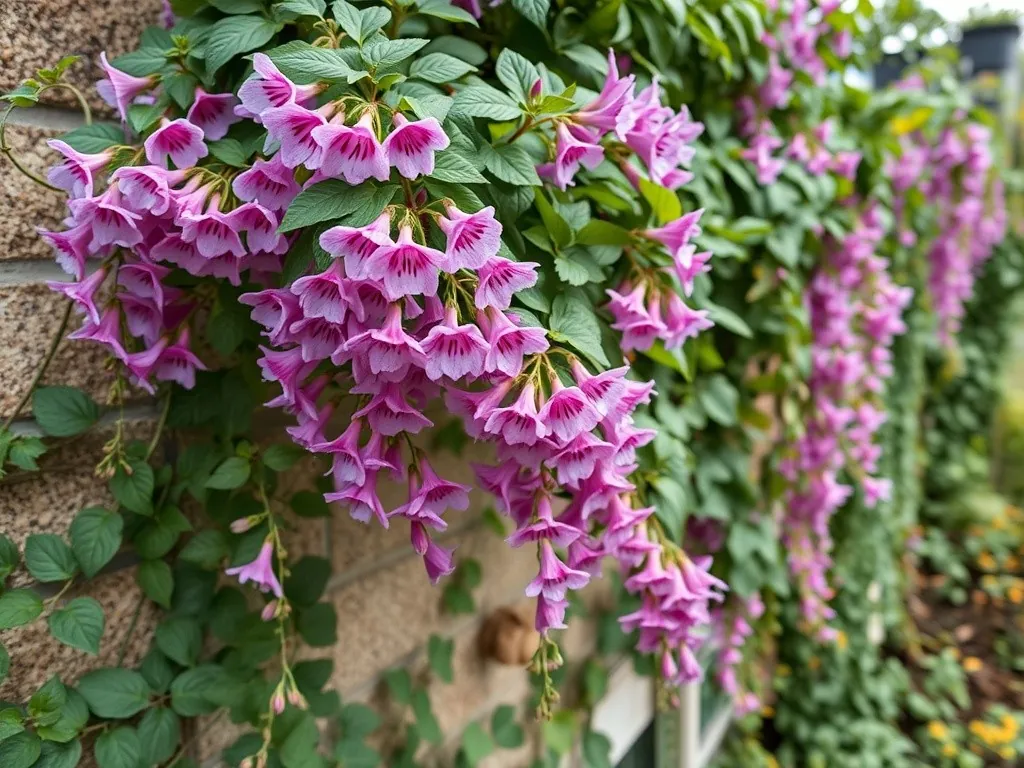
A vigorous, woody twining vine with pinnate leaves made up of 7-13 leaflets. Flowers, gathered into hanging clusters 15-30 cm long, are lilac-purple and intensely fragrant, opening from the base of the cluster toward the tip. The fruit is a velvety, elongated pod that ripens in autumn and remains on the plant through winter.
Growing and care
Watering
Once established, fairly tolerant of occasional drought; regular watering matters mainly in the first 2-3 years after planting.
Fertilizing
Avoid fertilizers rich in nitrogen — excess nitrogen encourages shoot growth at the expense of flower bud formation.
Planting
Plant next to a solid, stable structure — a pergola, arbor or sturdy trellis — since the mature plant twines around its support and becomes very heavy and woody over time. Unlike ivy, wisteria does not attach itself on its own — it twines around the support and needs a physical structure to climb.
Pruning
The summer pruning shortens long, current-season shoots to 5-6 buds, limiting vegetative growth; the winter pruning shortens the same shoots even further to 2-3 buds, which encourages flower bud formation for the following season.
Companion plants
Good companions
Wisteria twines around a support, unlike self-clinging climbers — it needs a solid, stable structure able to bear the weight of the mature, woody plant.
Bad companions
A mature wisteria becomes very heavy and can, over time, deform or damage a weak, insufficiently reinforced structure.
The evidence level indicates whether the relationship is backed by research, observation, or gardening tradition.
Diseases and pests
Small (1–3 mm) soft-bodied insects, green, black or pink, feeding in clusters on young shoots and the underside of leaves. They excrete sticky honeydew.
Armoured and soft scale insectsImmobile, brown or yellowish shields (1–4 mm) attached to stems and the underside of leaves, especially along the veins. Easily mistaken for growths on the plant. They suck sap, causing yellowing and weakening, and excrete sticky honeydew. Common on figs, orchids and plants with tough leaves.
Toxicity
| For whom | Level | Notes |
|---|---|---|
| Humans | Moderate | Seeds and pods contain the glycoside wisterin — ingestion causes nausea, vomiting, abdominal pain and diarrhea. |
| Dogs | Moderate | — |
| Cats | Moderate | — |
History and origin
Introduced to Europe and North America from China in the 1820s as an ornamental for gardens and conservatories, it quickly gained popularity thanks to its spectacular, abundant flowering. In many warmer regions (such as the southeastern United States) it has spread so vigorously beyond gardens that it is locally considered an invasive species — no such risk is observed in Poland's climate.
Uses
For covering sturdy pergolas, arbors, strong trellises and reinforced walls, as a striking spring accent in ornamental gardens. An excellent bee plant, attracting bees and other pollinators during its abundant spring bloom.
Trivia
- Wisteria flowers open in succession from the base of the cluster toward the tip, so a single cluster stays showy for an extended period rather than blooming all at once.
- Young wisteria plants can be temperamental about flowering — a seedling-grown plant may take 10-15 years to produce its first flowers, which is why grafted plants or cuttings rooted from an already-flowering specimen are recommended for the garden, as they bloom much sooner, typically within 2-4 years.
Frequently asked questions
Why isn't my wisteria flowering even though it's been growing for years?
This is one of the most common concerns with this plant. A seedling-grown wisteria may need 10-15 years to flower for the first time, while grafted plants or cuttings rooted from an already-flowering specimen usually bloom after 2-4 years. In addition, too much nitrogen in the fertilizer and lack of regular summer/winter pruning can push flowering aside in favor of shoot growth.
Does wisteria need a special structure to climb?
Yes — unlike self-clinging climbers such as ivy, wisteria twines around a support and does not attach itself to smooth surfaces on its own. It needs a solid, stable structure, such as a pergola, an arbor or a sturdy trellis, because the mature plant becomes very heavy and woody over time.
How often does wisteria need pruning?
Typically twice a year: the first cut in summer, shortly after flowering, limits growth of this year's shoots, and the second in winter, during dormancy, shortens them further and encourages flower bud formation for the next season.
Sources
- Plants of the World Online (POWO)Database (GBIF, POWO…)
- RHS — Wisteria sinensisInstitution / botanical garden
My note
A private note for this plant — saved in your browser.